Shemariah, Son of Rehoboam
Shemariah was a prince of the Kingdom of Judah, the son of King Rehoboam and Queen Mahalath.
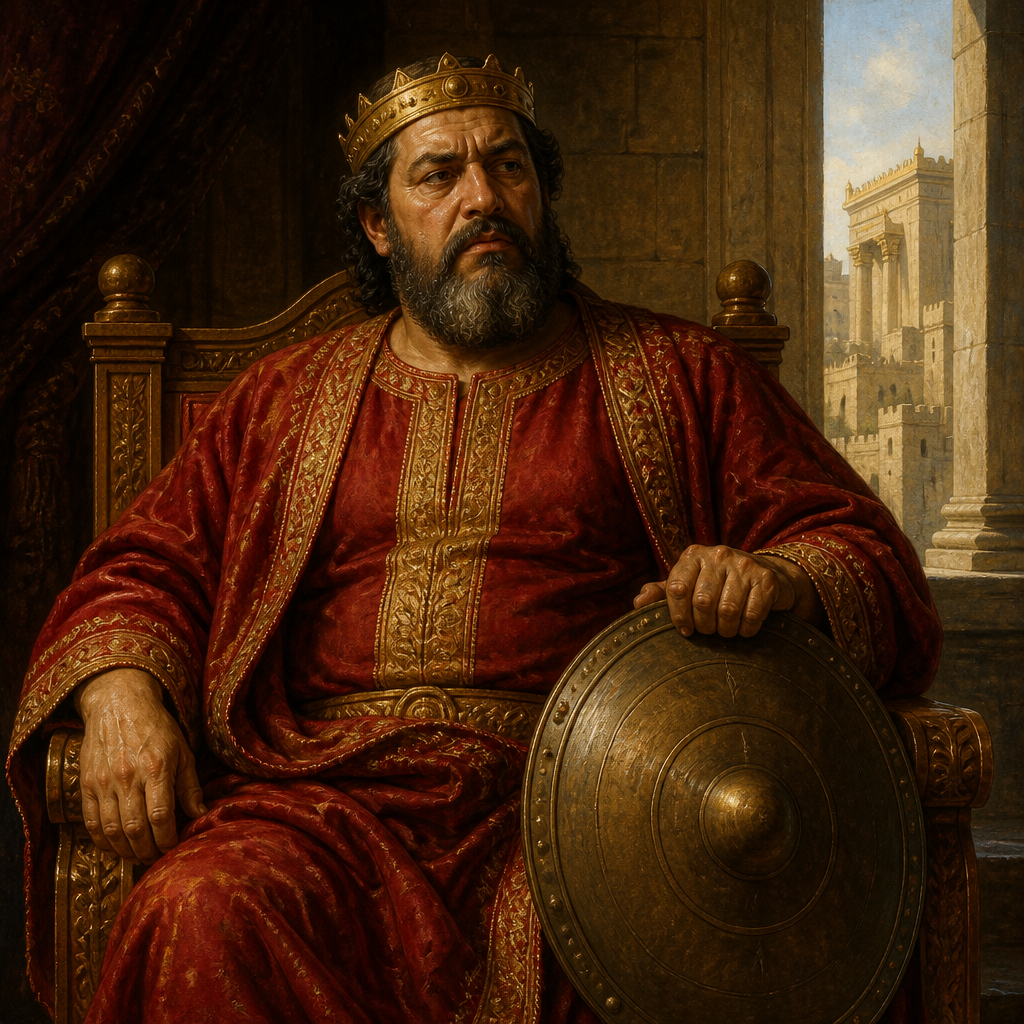
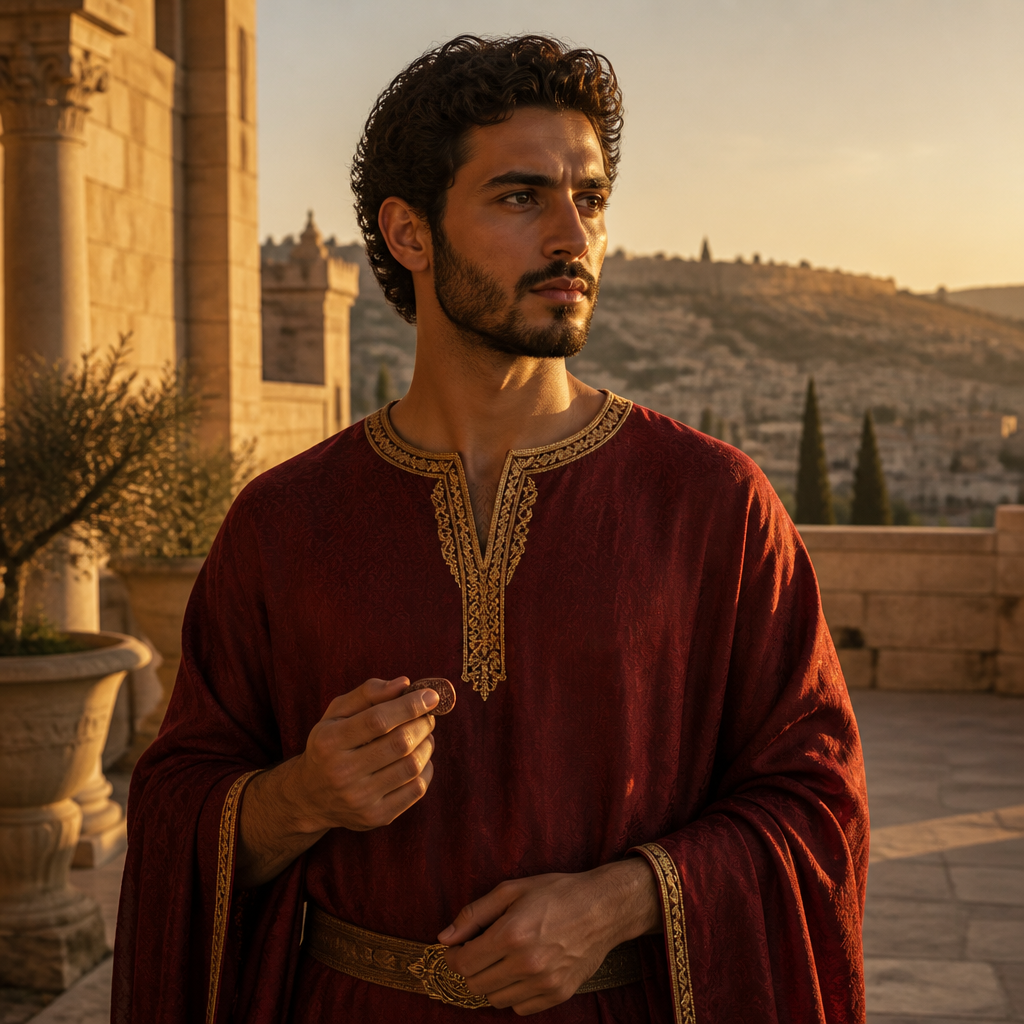
Shemariah was a member of the Judean royal family during the early years of the Divided Monarchy. He was one of the many sons born to Rehoboam, the son of Solomon and the first king of the Southern Kingdom of Judah. His lineage connects him directly to the Davidic dynasty, which remained the sovereign line in Jerusalem after the ten northern tribes seceded to form the Kingdom of Israel under Jeroboam I.
While Shemariah’s personal exploits are not detailed in the biblical narrative, his inclusion in the genealogical records of 2 Chronicles serves a specific structural purpose. It highlights the expansion and consolidation of Rehoboam’s household, a common theme used in Hebrew scripture to denote divine favor or the strengthening of a monarch’s domestic political position.
Background and Family
Shemariah was born into the turbulent era of the Divided Monarchy (c. 10th century BC). His father, Rehoboam, had ascended to the throne of a united Israel but quickly oversaw its fracture following his refusal to lighten the labor demands imposed by his father, Solomon. As a result, Rehoboam’s reign was defined by the governance of the tribes of Judah and Benjamin.
Shemariah’s mother was Mahalath, who was herself of high royal standing. According to 2 Chronicles 11:18, Mahalath was the daughter of Jerimoth, a son of David, and Abihail, the daughter of Eliab (David’s eldest brother). This indicates that Shemariah was a product of endogamy within the house of David, reinforcing the legitimacy of his branch of the family tree. He was one of three sons specifically named as being born to Mahalath: Jeush, Shemariah, and Zaham.
Major Life Events
The biblical record does not preserve specific deeds or military achievements for Shemariah. His primary mention occurs in 2 Chronicles 11:19, within a section describing Rehoboam’s family life and the fortification of the Southern Kingdom.
"She [Mahalath] bore sons to him: Jeush, Shemariah, and Zaham."
Although the text is brief, the context is significant. This chapter notes that Rehoboam "acted wisely" by dispersing his many sons throughout the districts of Judah and Benjamin, placing them in fortified cities and providing them with ample supplies (2 Chronicles 11:23). It is highly probable, though not explicitly stated for Shemariah individually, that he was part of this strategic placement intended to prevent internal rebellion and secure the borders against external threats like Shishak of Egypt.
Relationship to Other Biblical Figures
Shemariah was a brother to Abijah (also called Abijam), who eventually succeeded Rehoboam as the king of Judah. He was also a brother to Attai, Ziza, and Shelomith, who were born to Rehoboam’s favorite wife, Maakah. Being part of a large household—Rehoboam is recorded as having eighteen wives, sixty concubines, twenty-eight sons, and sixty daughters—Shemariah lived in a complex court environment characterized by intense internal competition and royal hierarchy.
Spiritual Significance
In the context of the Chronicler’s history, the mention of Shemariah contributes to the theme of the "Multiplication of the Seed." For the post-exilic audience for whom Chronicles was written, these genealogies proved the continuity of the Davidic line. Shemariah represents the survival and proliferation of the house of David during a time of national crisis and spiritual apostasy. His life reflects the transition from the golden age of the United Monarchy into the gritty reality of a divided, struggling kingdom.
Spiritual Significance
Shemariah’s presence in the text underscores the fulfillment of the dynastic promise made to David. Even though he did not ascend to the throne, his place in the royal genealogy affirms the stability of the Southern Kingdom's royal house compared to the frequent and violent dynastic changes occurring in the Northern Kingdom of Israel. In the Chronicler's perspective, the large family of Rehoboam, including Shemariah, was a sign of God's initial blessing before the king turned away from the Law of the Lord.
Frequently Asked Questions
Who was Shemariah's mother?
His mother was Mahalath, the daughter of Jerimoth, who was a son of King David.
Which kingdom did Shemariah belong to?
He belonged to the Southern Kingdom, known as the Kingdom of Judah.
Did Shemariah ever become king?
No, the biblical record indicates that his brother Abijah succeeded their father, Rehoboam, as king.
In which book of the Bible is Shemariah mentioned?
He is mentioned exclusively in the book of 2 Chronicles, specifically in chapter 11.
How many brothers did Shemariah have?
He had two full brothers (Jeush and Zaham) and twenty-five half-brothers, including the future King Abijah.
Connected Figures

Categories
Mentions by Book
- 2 Chronicles1
Family & Relationships
Sibling
2 Chronicles 11:19
Sibling
2 Chronicles 11:19
Sibling
2 Chronicles 11:19
Sibling
2 Chronicles 11:19
Sibling
2 Chronicles 11:19
Sibling
2 Chronicles 11:19
Sibling
1 Kings 14:31
Sibling
2 Chronicles 11:20
Sibling
2 Chronicles 11:19
Parent
2 Chronicles 11:18
Parent
1 Kings 11:43
Sibling
2 Chronicles 11:20
Sibling
2 Chronicles 11:19
Sibling
2 Chronicles 11:20
Others Named Shemariah
Shemariah, Warrior of David1 Chronicles 12:5
A Benjamite warrior and dual-handed archer who defected from Saul to support David at Ziklag.
Shemariah, Returnee of the Clan of HarimEzra 10:32
A Jewish man from the family of Harim who returned to Jerusalem from the Babylonian exile and repented of marrying a foreign wife.
Shemariah, Returnee of the Clan of BaniEzra 10:41
A Jewish man from the clan of Bani who returned to Jerusalem from the Babylonian exile and was recorded in the census of those who had married foreign women.