Jesse
The father of King David and a resident of Bethlehem, Jesse is a pivotal link in the genealogy of the Davidic dynasty and the Messianic line.
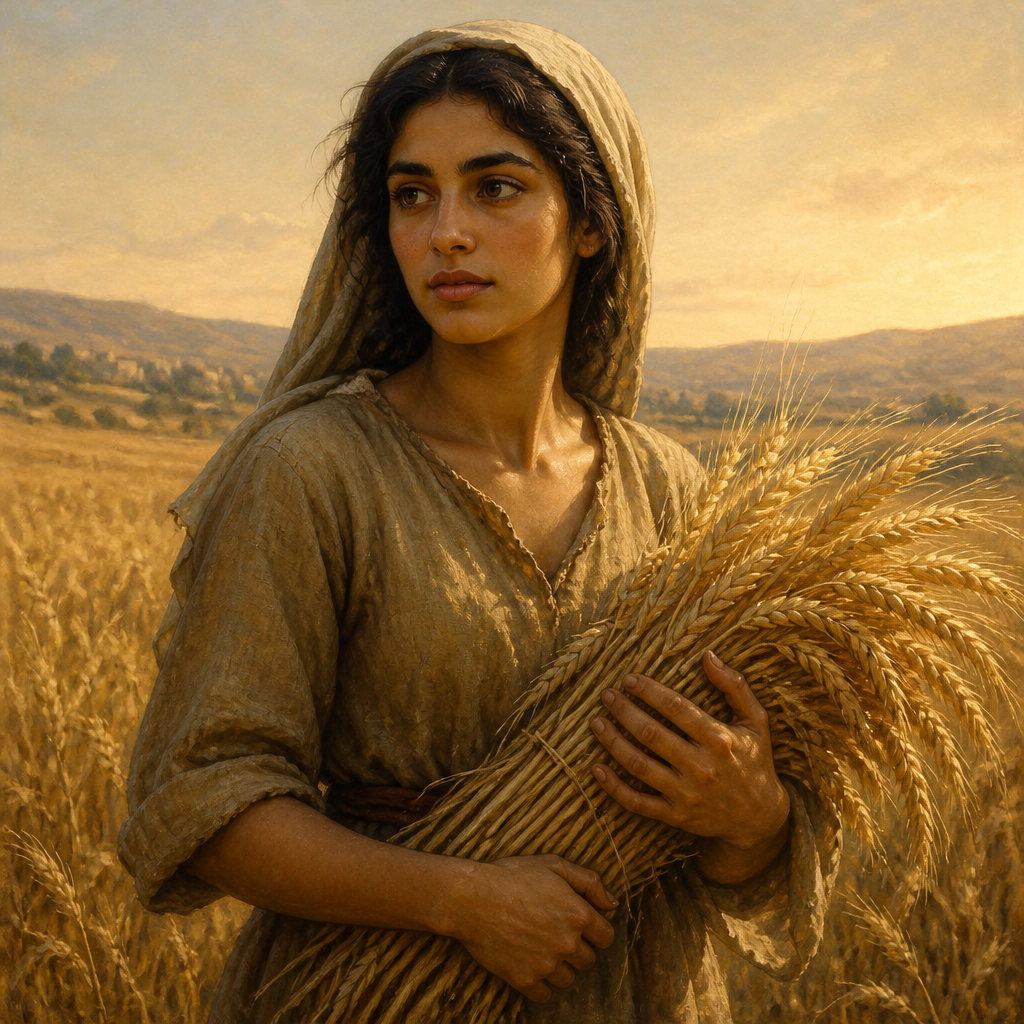
Jesse was a prominent member of the tribe of Judah living in Bethlehem during the transition between the Period of the Judges and the United Monarchy. As the grandson of Boaz and Ruth, and the son of Obed, Jesse inherited a significant legacy within the Ephrathite community. He is primarily known in the biblical narrative as the father of David, Israel’s second and most celebrated king. The Scriptures describe him as a man of status and wealth, possessing flocks and being well-respected in the gates of Bethlehem.
His role in the biblical record is foundational, serving as the patriarch of the house from which the Davidic covenant would spring. While Jesse himself did not hold a royal title, his name became synonymous with the origin of the Israelite monarchy and, subsequently, the Messianic hope described by the prophets. The phrase 'son of Jesse' became a common, sometimes derogatory, and later messianic designation for David and his descendants.
Background and Family
Jesse was an Ephrathite from Bethlehem of Judah, a member of the tribe of Judah. According to the genealogical records found in the Book of Ruth and 1 Chronicles, he was the son of Obed and the grandson of Boaz and Ruth the Moabitess (Ruth 4:17-22; 1 Chronicles 2:12). This lineage establishes Jesse as part of a family that had seen God’s providential care and restoration in previous generations.
Jesse’s household was substantial. The biblical text indicates he had eight sons, though 1 Chronicles 2:13–15 specifically names seven: Eliab (the firstborn), Abinadab, Shimea, Nethanel, Raddai, Ozem, and David (the youngest). He also had two daughters, Zeruiah and Abigail, though the parentage of Abigail is sometimes discussed in relation to Nahash (2 Samuel 17:25; 1 Chronicles 2:16). Jesse was described as 'old and well along in years' during the reign of Saul (1 Samuel 17:12), suggesting he was a patriarchal figure who lived through the turbulent decades of Israel's early monarchy.
Major Life Events
The most significant event in Jesse's life occurred when the prophet Samuel visited Bethlehem under divine instruction to anoint a new king to replace Saul. God commanded Samuel, "I am sending you to Jesse of Bethlehem, for I have selected from his sons a king for Myself" (1 Samuel 16:1). Jesse participated in a sacrificial meal with the prophet, during which he presented seven of his sons to Samuel. Despite the impressive appearance of his eldest, Eliab, Samuel rejected each one, noting that "the LORD does not look at the things people look at" (1 Samuel 16:7).
When Samuel asked if these were all the sons he had, Jesse revealed that the youngest, David, was tending the sheep. Upon David’s arrival, he was anointed in the presence of Jesse and his brothers. Later, as David entered the service of King Saul to play the harp and soothe the king's spirit, Jesse provided David with provisions—bread, wine, and a goat—to present to the monarch, showing his role as a supportive father (1 Samuel 16:20).
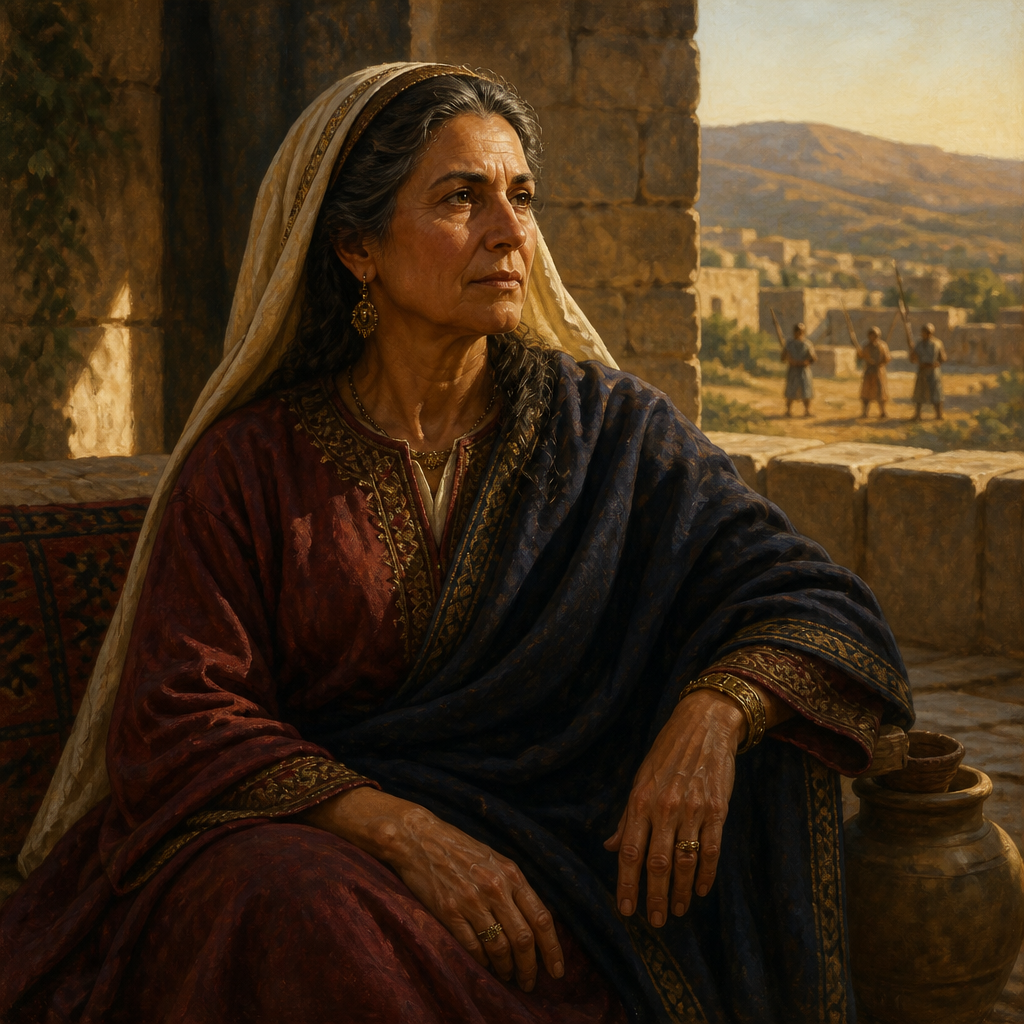
During the conflict with the Philistines in the Valley of Elah, three of Jesse’s sons—Eliab, Abinadab, and Shammah—served in Saul’s army. Jesse, concerned for their welfare, sent David from Bethlehem to the battle lines with roasted grain and bread, charging him to bring back news of his brothers' safety (1 Samuel 17:17-18). Later, when David was a fugitive from Saul, Jesse and his wife sought refuge with the King of Moab at Mizpah, as David feared for their safety (1 Samuel 22:3-4).
Relationship to Other Biblical Figures
Jesse’s primary relationship is with his son, King David. Throughout 1 Samuel, David is frequently referred to as "the son of Jesse," a title used by King Saul, Jonathan, and even David’s enemies like Nabal and Sheba son of Bichri (1 Samuel 20:27; 25:10; 2 Samuel 20:1). While sometimes used as a slight to imply David’s humble or non-royal origins, the title eventually became a badge of legitimate Davidic descent. Jesse's grandsons through his daughters Zeruiah and Abigail—Joab, Abishai, Asahel, and Amasa—became high-ranking military commanders in David’s administration, showing the extended influence of Jesse’s house.
Spiritual Significance
The spiritual and theological significance of Jesse is most clearly expressed in the prophetic writings of Isaiah. In Isaiah 11:1, the prophet speaks of a future restoration: "A shoot will spring up from the stump of Jesse, and a Branch from his roots will bear fruit." This imagery suggests that even if the Davidic dynasty were cut down like a tree, a new life—the Messiah—would emerge from the humble "stump" or "root" of Jesse.
This prophecy is picked up by the Apostle Paul in Romans 15:12, where he quotes Isaiah to show that Jesus Christ is the fulfillment of this promise, the one who arises to rule the Gentiles. Consequently, Jesse is not merely a biological ancestor but a symbol of the organic, historical continuity of God's redemptive plan through the house of David.
Spiritual Significance
Jesse serves as the essential human root of the Davidic dynasty. His presence in the genealogies of both Matthew and Luke confirms his place in the direct ancestral line of Jesus Christ. Theologically, Jesse represents the humble beginnings from which God raises great leaders; he was a simple sheep-owner whose lineage would eventually produce the King of Kings.
The 'Root of Jesse' remains one of the most enduring titles for the Messiah in Christian theology. By identifying the Savior as coming from Jesse, the biblical authors emphasize both the humanity of Christ and the fulfillment of God's specific promises to the tribe of Judah and the family of David. Jesse's life illustrates how an ordinary father's faithfulness in a small town like Bethlehem can be the foundation for an eternal covenant.
Frequently Asked Questions
How many sons did Jesse have?
1 Samuel 17:12 states that Jesse had eight sons. However, 1 Chronicles 2:13-15 names only seven: Eliab, Abinadab, Shimea, Nethanel, Raddai, Ozem, and David.
What does the name 'Jesse' mean?
The name Jesse (Hebrew: Yishay) is generally understood to mean 'existent' or 'God's gift.'
What happened to Jesse when Saul was hunting David?
For their protection, David took Jesse and his mother to the King of Moab at Mizpah, requesting that they stay there until he knew what God would do for him (1 Samuel 22:3-4).
Who were Jesse's parents?
Jesse was the son of Obed, who was the son of Boaz and Ruth (Ruth 4:21-22).
Why is Jesus called the 'Root of Jesse'?
The title comes from Isaiah 11:10 and is used to signify that Jesus is the promised descendant of Jesse’s line who would rule the nations and bring peace.
Connected Figures

Categories
Mentions by Book
- 1 Samuel24
- 1 Chronicles5
- 2 Chronicles2
- 2 Samuel2
- Isaiah2
- Matthew2
- Ruth2
- 1 Kings1
- Acts1
- Luke1
- Psalms1
- Romans1
Family & Relationships
Child
Abigail, Sister of DavidDisputed
Ruth 4:17
Child
Ruth 4:17
Child
Ruth 4:17
Child
Ruth 4:17
Child
Ruth 4:17
Child
Ruth 4:17
Child
Ruth 4:17
Child
Ruth 4:17
Child
Ruth 4:17
Child
Ruth 4:17
Spouse / partner
Ruth 4:17
Parent
Ruth 4:17
Spouse / partner
2 Samuel 17:25