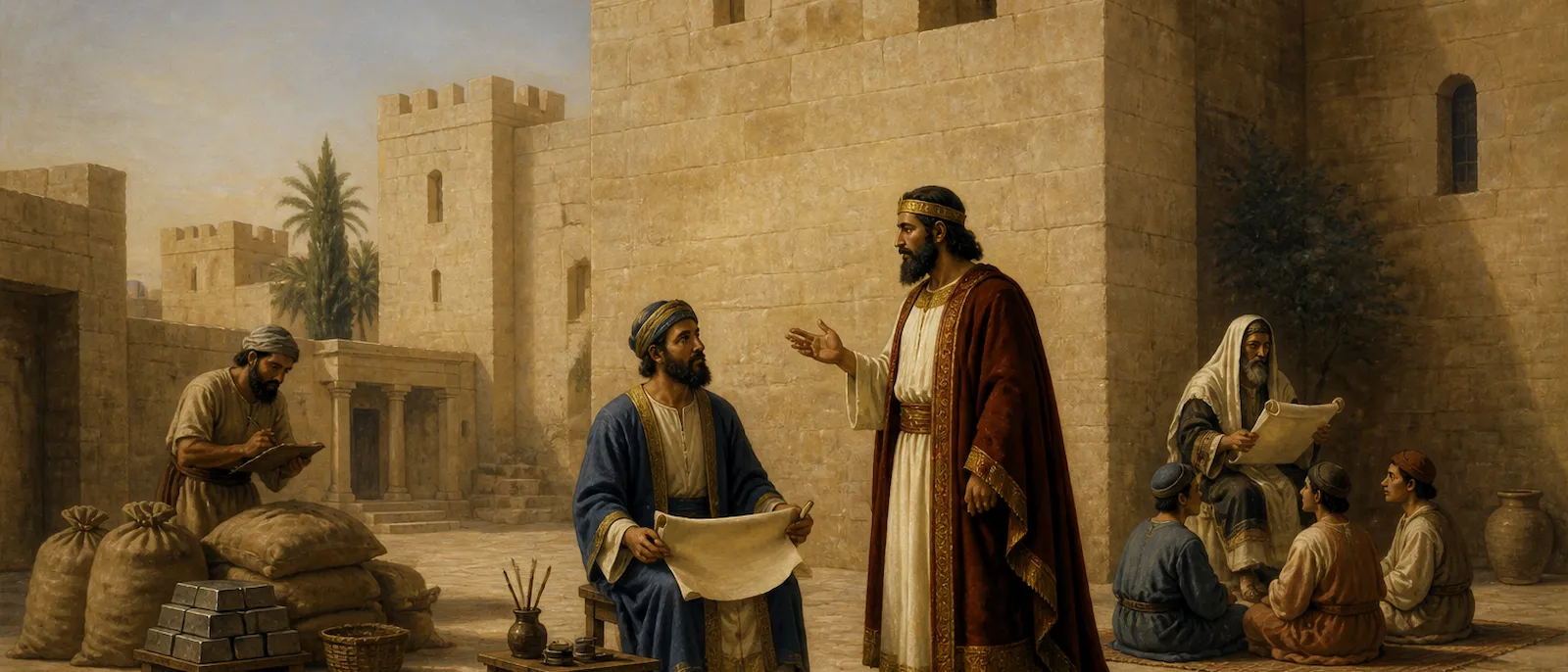
Every person in the Bible who served as a scribe or royal secretary.
A scribe in the Old Testament was a professional writer: a state official who kept records, drafted correspondence, counted revenue and read documents aloud to those who could not. Ahijah and Elihoreph served as secretaries to Solomon (1 Kings 4:3). Shebna held the office under Hezekiah (2 Kings 18:18). Shaphan the scribe was the man who read the newly found Book of the Law to King Josiah, and the reading set the reform in motion (2 Kings 22:8-10). Jeiel the scribe mustered Uzziah's army (2 Chronicles 26:11), and Baruch son of Neriah wrote at Jeremiah's dictation, then read the scroll in the temple and wrote it again after the king burned it (Jeremiah 36:4; Jeremiah 36:27-32).
Ezra marks the change in what the word carried. He is called a scribe skilled in the Law of Moses, and he had set his heart to study it, to do it, and to teach its statutes in Israel (Ezra 7:6; Ezra 7:10). After the exile the scribe was less a clerk than a scholar of Scripture, and by the Gospels the scribes appear as a recognised class of teachers, usually named alongside the chief priests and Pharisees. Their judgement is not uniformly negative in the text: one scribe answered Jesus wisely about the greatest commandment and was told he was not far from the kingdom of God (Mark 12:28-34).
The New Testament also keeps the plain professional sense. Tertius identifies himself as the man who wrote the letter to the Romans down (Romans 16:22), and Shimshai was the Persian provincial secretary who drafted the complaint that halted the rebuilding of Jerusalem (Ezra 4:8-9).
Everyone in this list
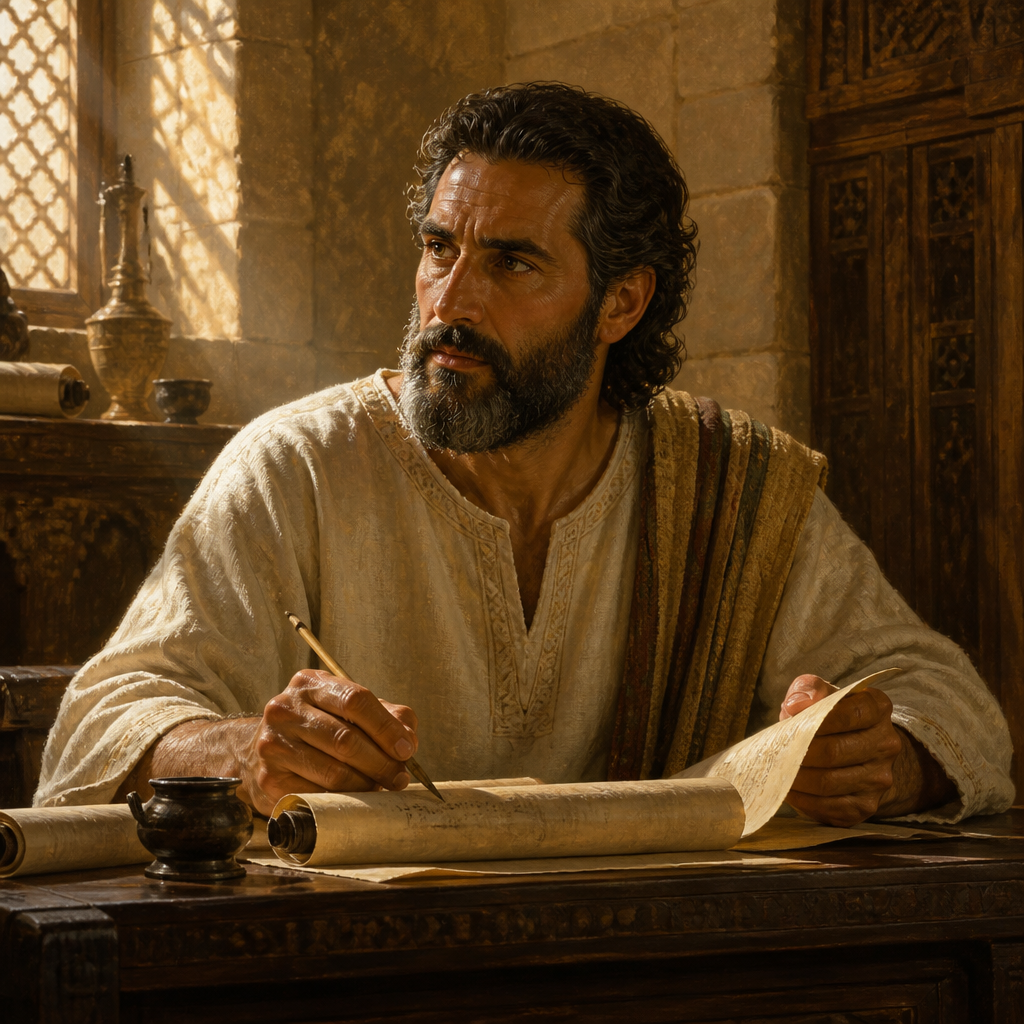
Ahijah, Secretary of King Solomon
Secretary to King Solomon who served alongside his brother Elihoreph
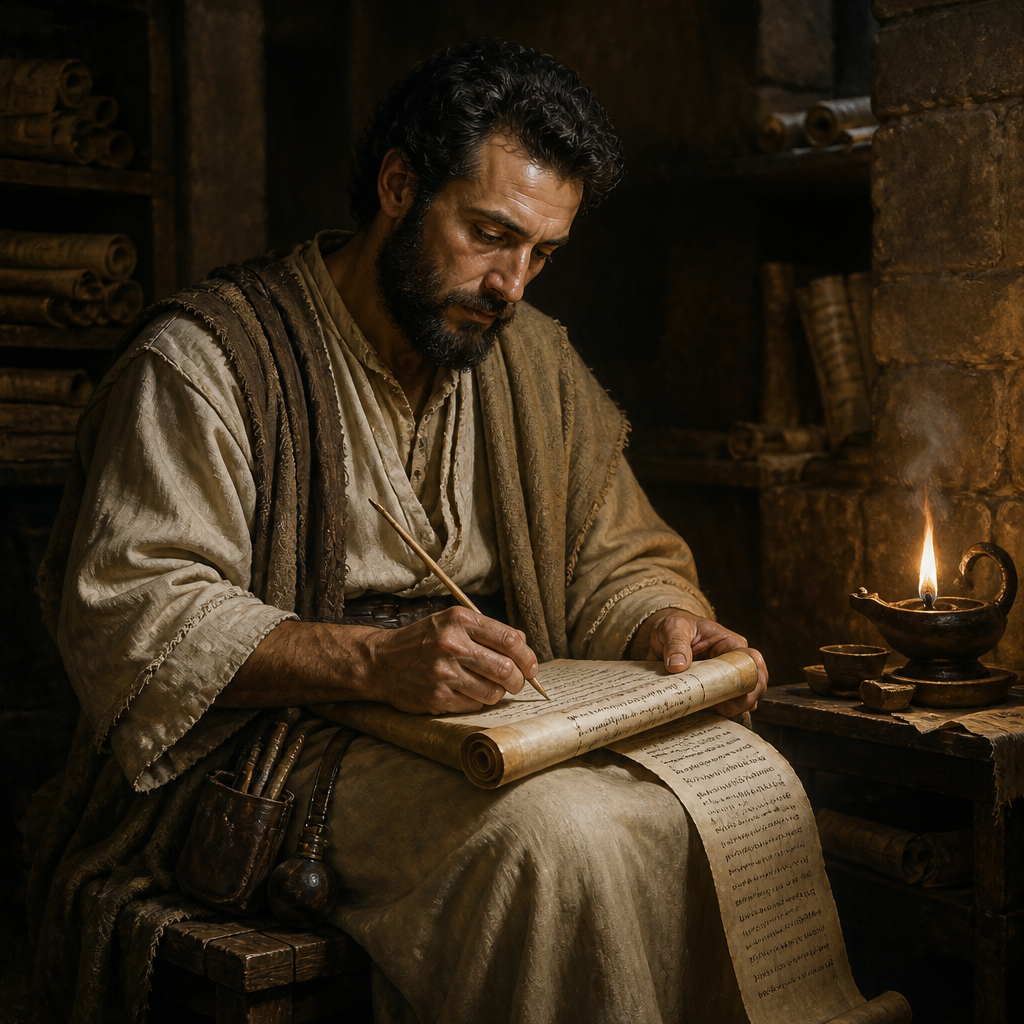
Baruch, Scribe of Jeremiah
Scribe of the prophet Jeremiah who transcribed and publicly read the prophetic scrolls

Elihoreph
Secretary of King Solomon who served alongside his brother Ahijah

Elishama, Scribe of the Divided Monarchy
Royal scribe whose palace chamber was used to store Jeremiah's prophetic scroll
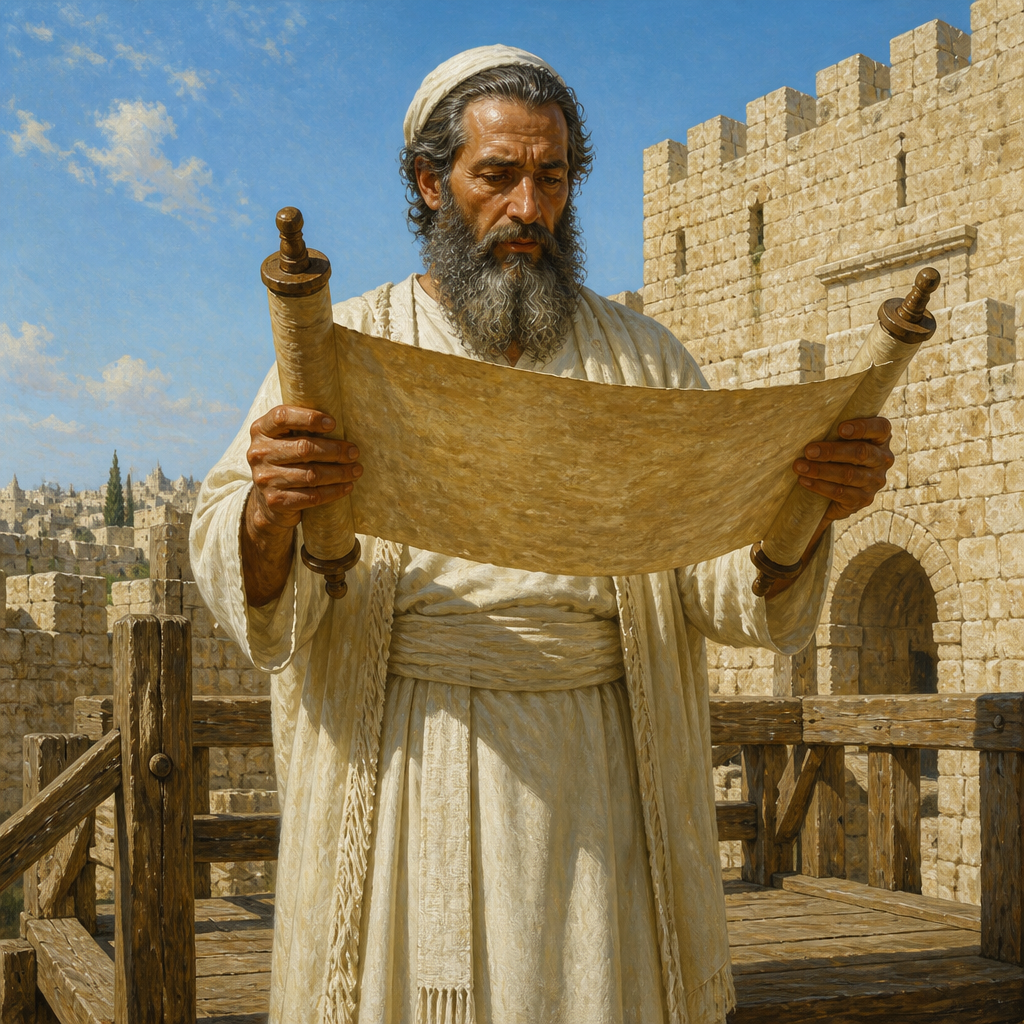
Ezra the Scribe
Scribe and priest who led the return from Babylon and restored the Law of Moses in Jerusalem
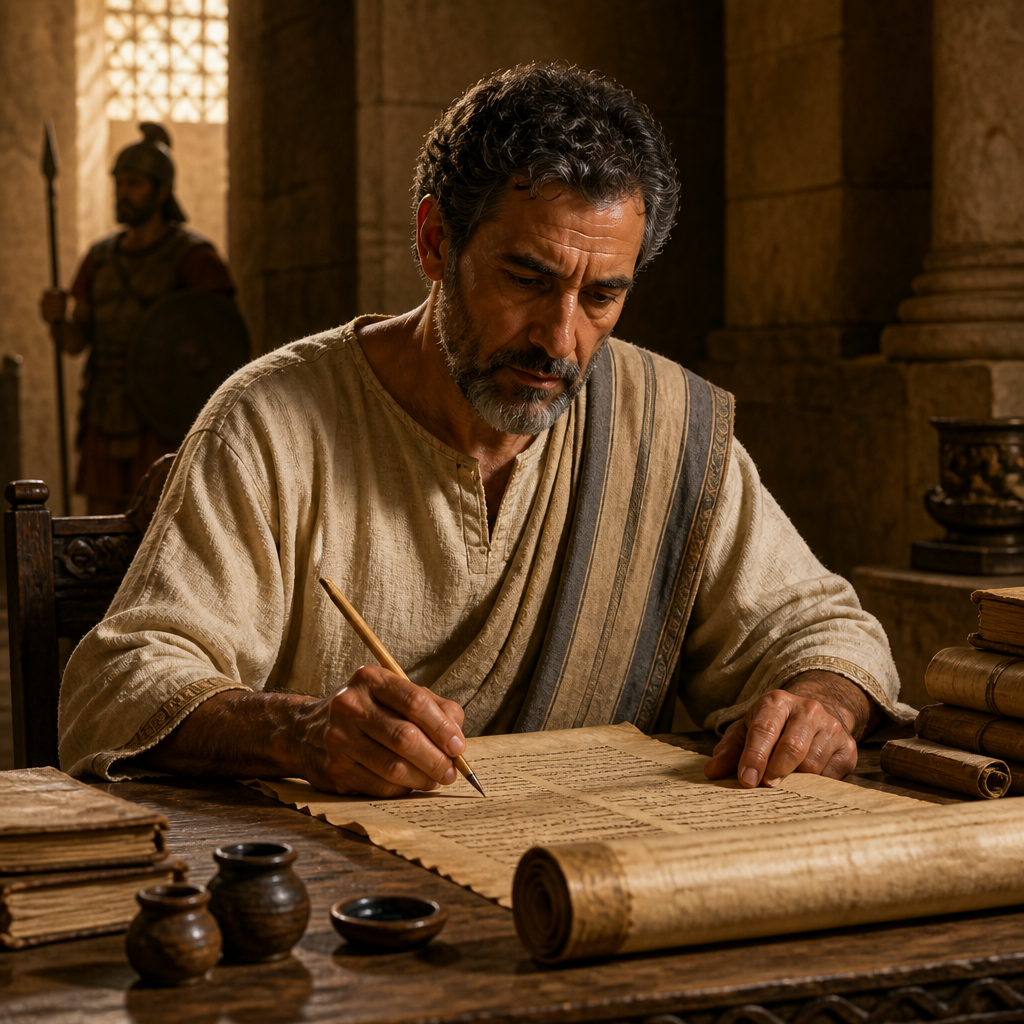
Jeiel the Scribe
Scribe who organized and recorded the military divisions of King Uzziah

Jonathan the Scribe
Scribe whose house was converted into a prison for the prophet Jeremiah
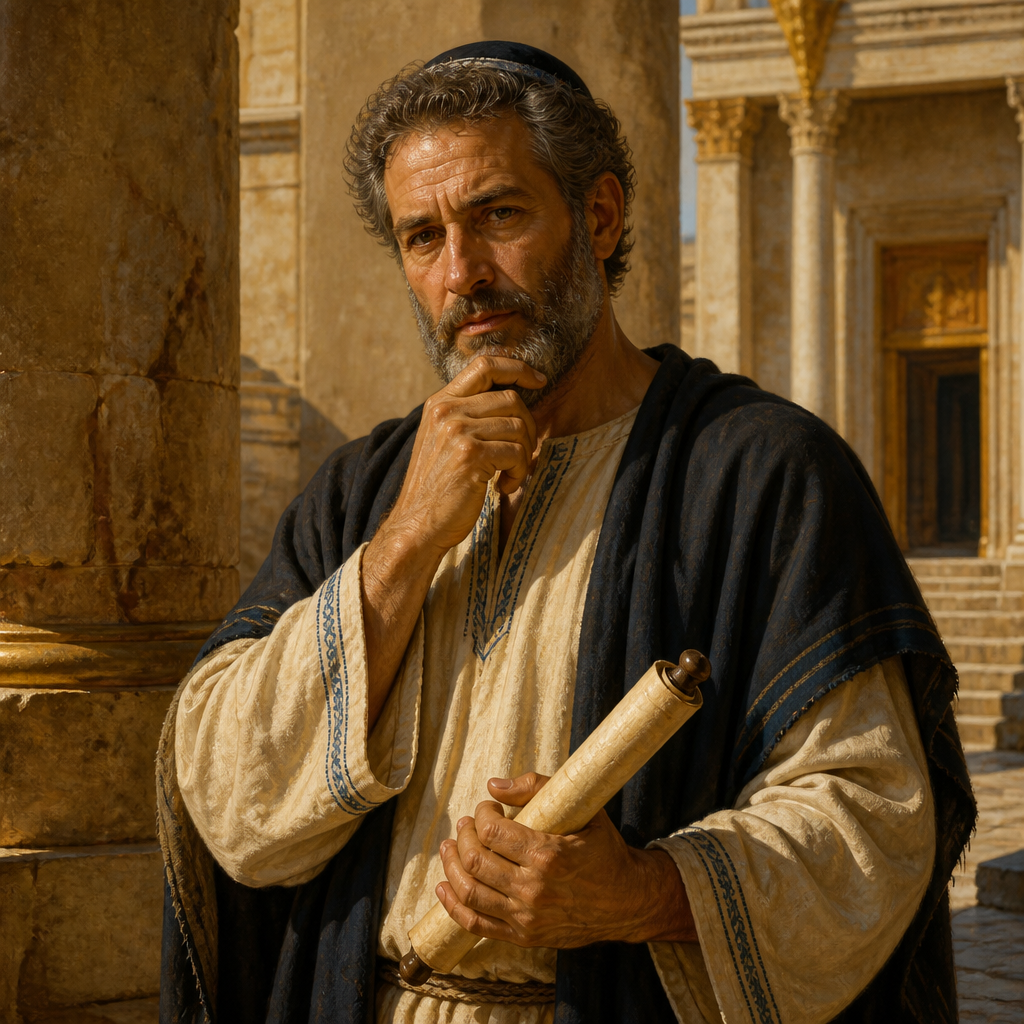
The Scribe Not Far from the Kingdom
Scribe who agreed with Jesus that love for God and neighbor is the greatest commandment
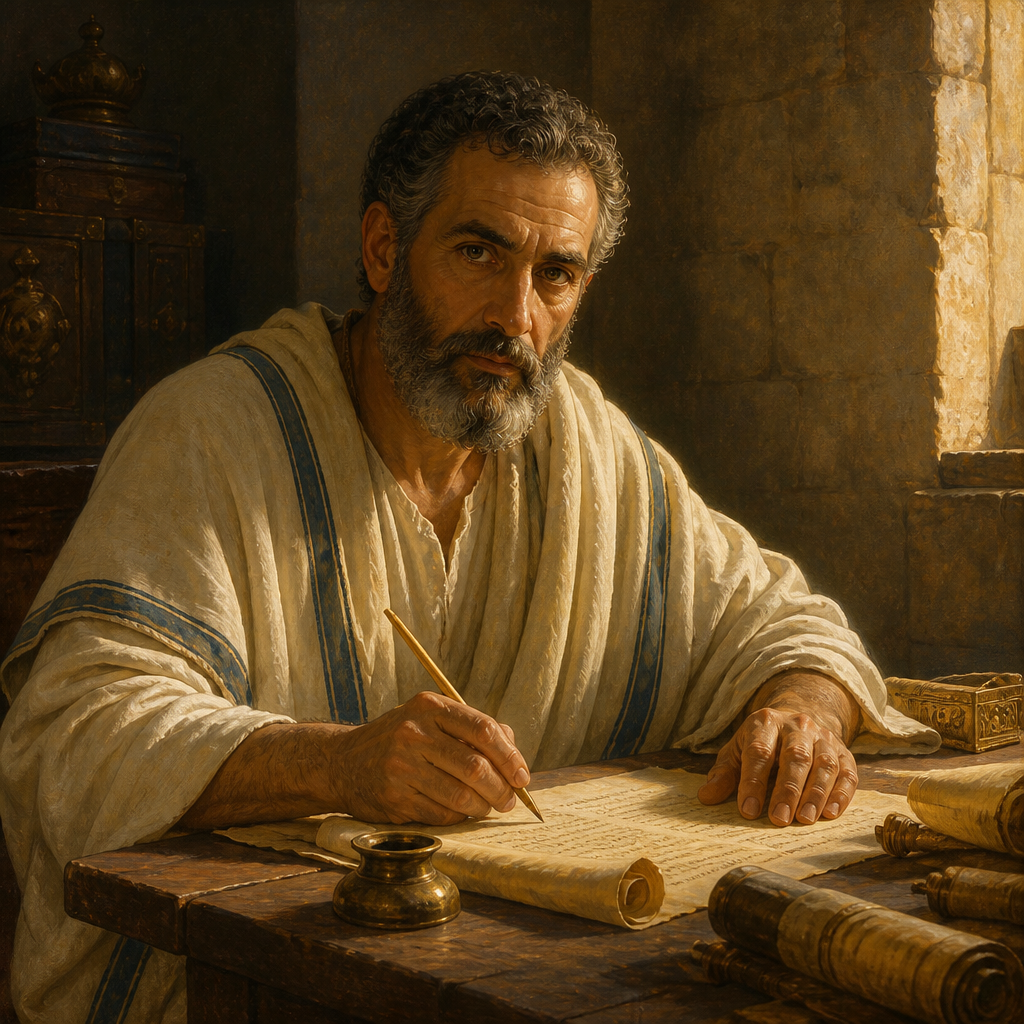
Seraiah the Scribe
Royal scribe and high official under King David and father of Solomon's secretaries
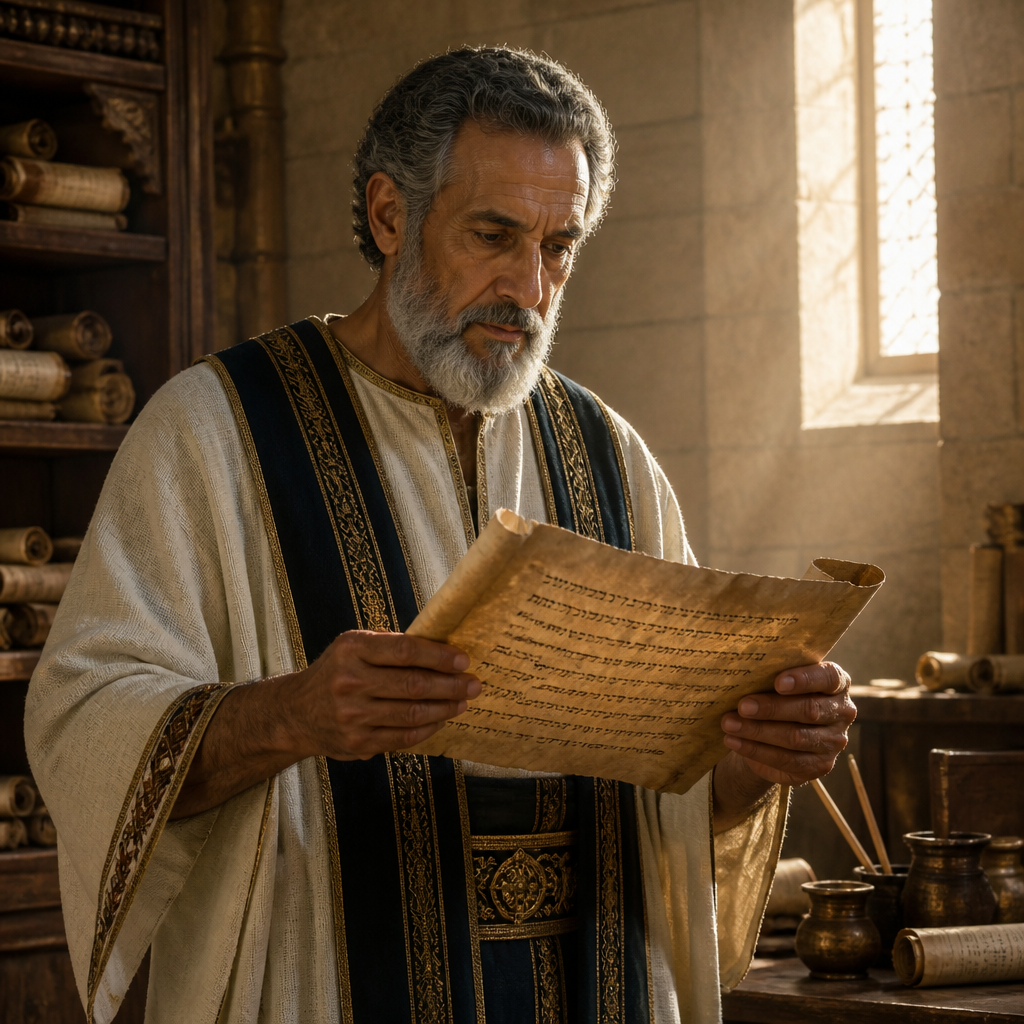
Shaphan, Scribe of the Divided Monarchy
Royal scribe who read the rediscovered Book of the Law to King Josiah
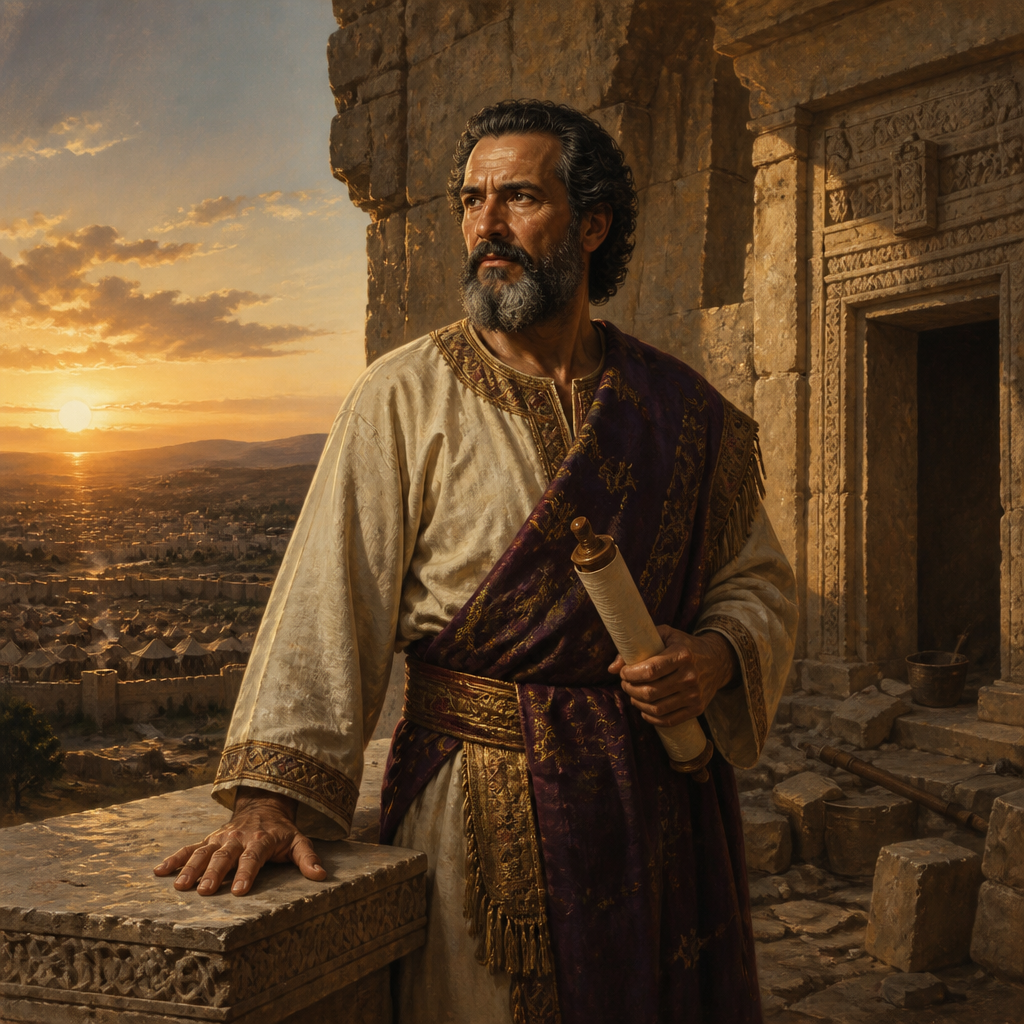
Shebna
Royal official who was rebuked by Isaiah for his pride and served during the Assyrian siege

Shemaiah, Levite Scribe of the United Monarchy
Levite scribe who recorded the priestly divisions

Shimshai
Scribe who co-authored the letter to Artaxerxes to stop the rebuilding of Jerusalem
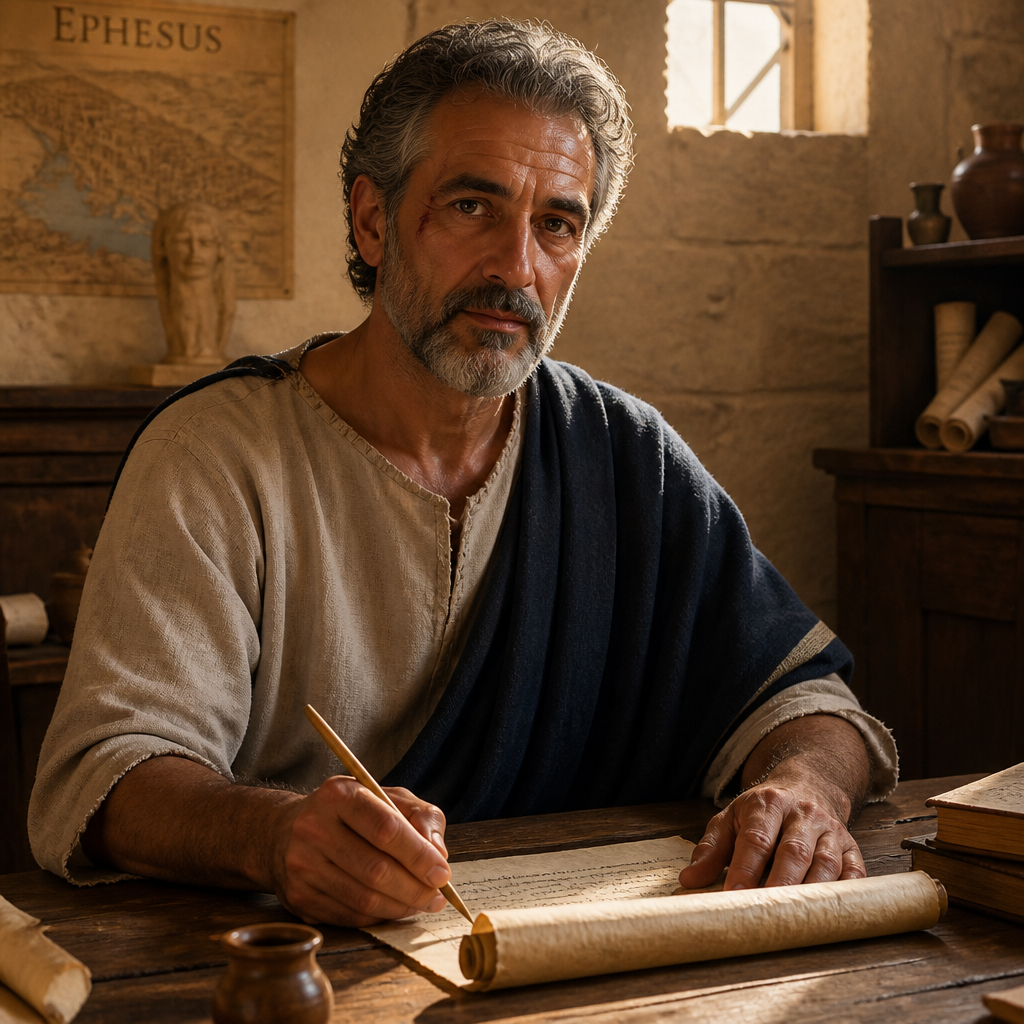
Sosthenes
Synagogue leader in Corinth who was beaten by a crowd and later became Paul's co-author
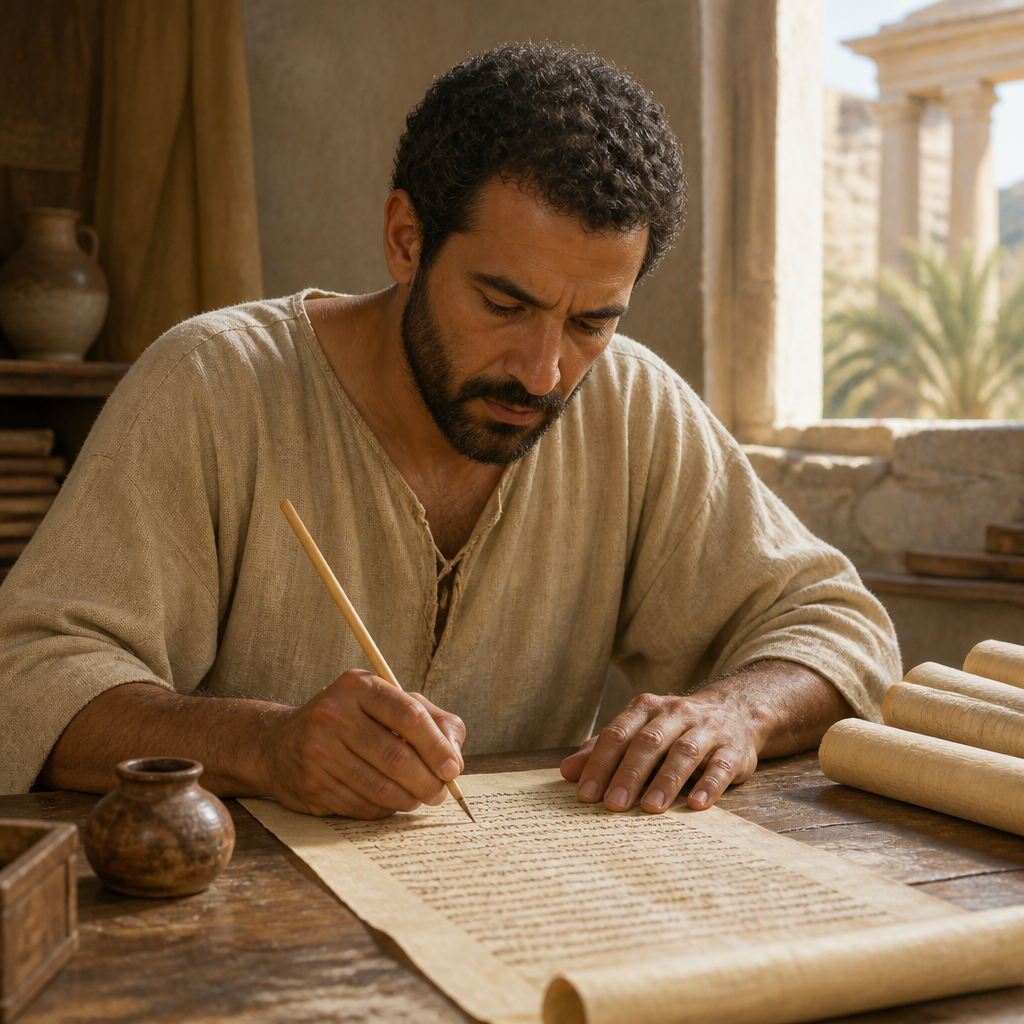
Tertius
Scribe who physically wrote the Epistle to the Romans for Paul
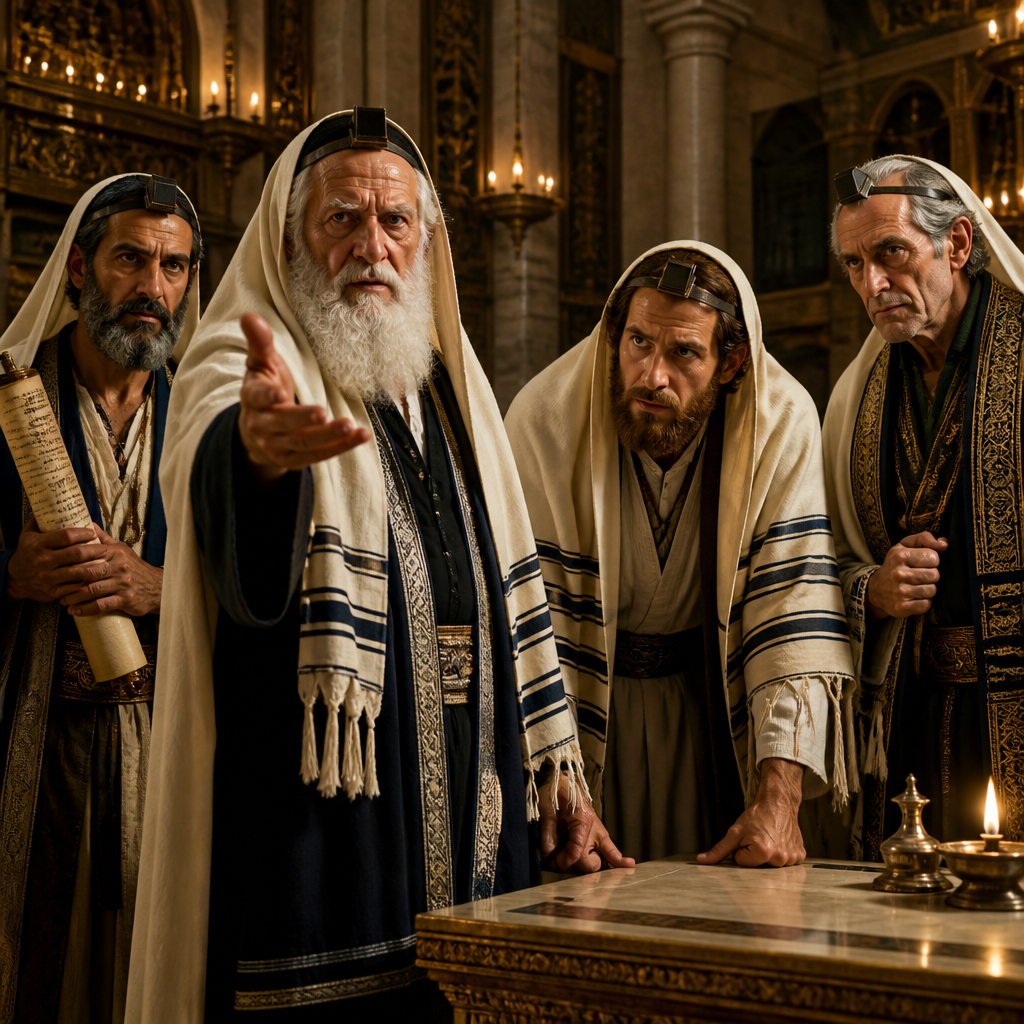
The Tribunal Pharisees
Jewish leaders who defended Paul the Apostle's belief in the resurrection during his trial before the Sanhedrin

Zadok the Scribe
Scribe appointed by Nehemiah as a trustworthy treasurer over the temple storehouses