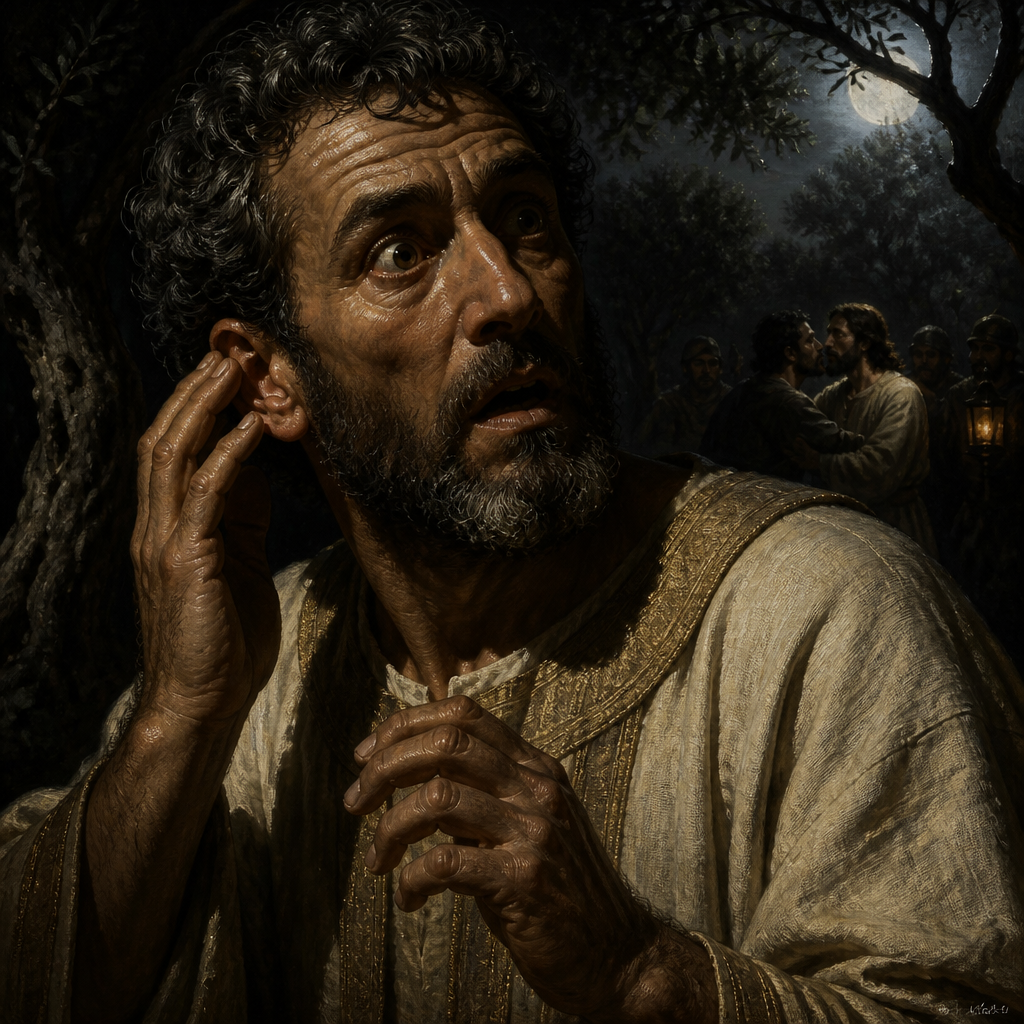
Every person who appears in the book of John, ordered by how often they are mentioned there.
The People of John appear throughout the fourth gospel to illustrate the identity of Jesus as the Word made flesh. The narrative begins with John the Baptist, who identifies himself as a voice crying in the wilderness and testifies that he saw the Spirit descend upon Jesus (John 1:23–34). Andrew is the first disciple to follow Jesus after this testimony, and he immediately brings his brother, Peter, to meet him (John 1:40–42). As the ministry expands, Philip the Apostle invites others to come and see, while Nicodemus, a ruler of the Jews, visits Jesus under the cover of night to discuss the necessity of being born again (John 1:43–46, 3:1–2).
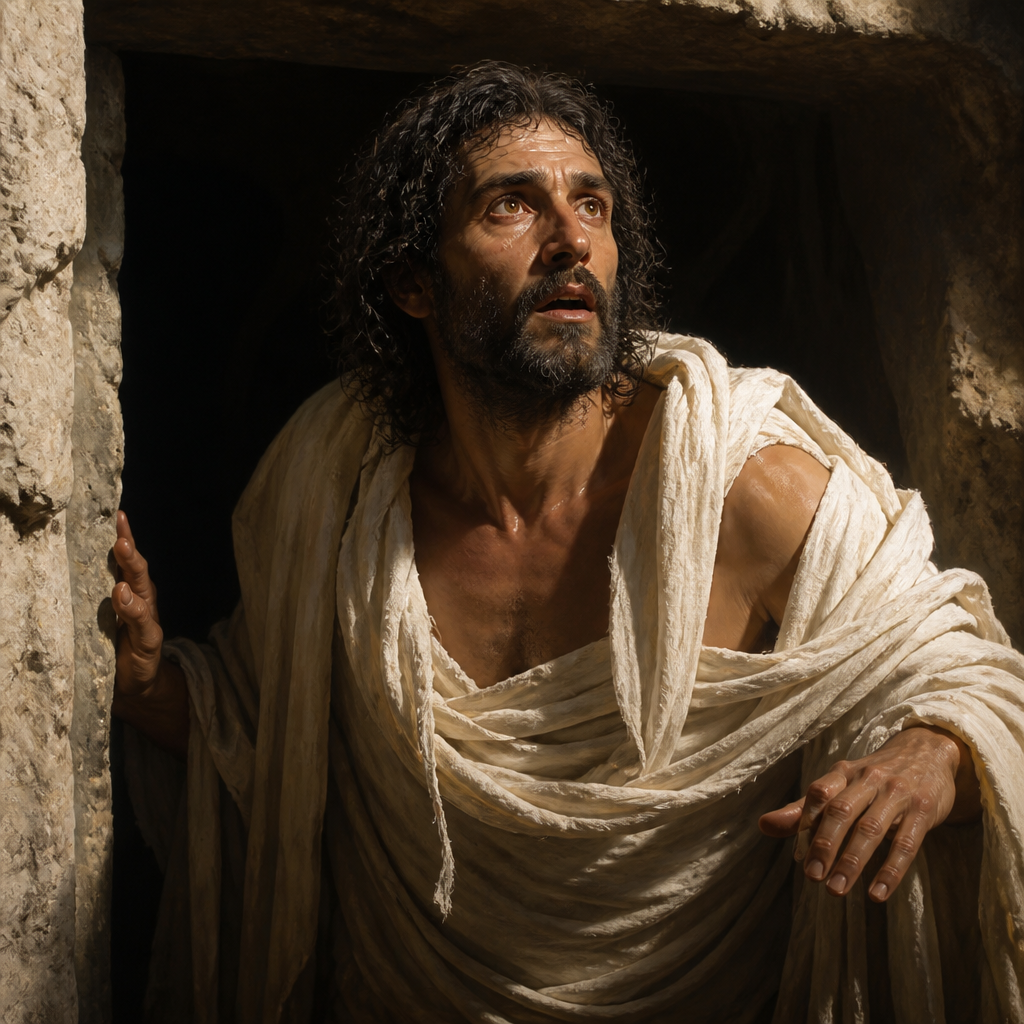
The text highlights encounters with individuals from diverse backgrounds, such as The Samaritan Woman at the Well, who discusses the nature of true worship and leads her village to believe (John 4:7–29). Jesus performs signs involving people like The Royal Official at Capernaum, who believes the word spoken to him regarding his dying son, and The Boy with the Loaves and Fish, whose small offering is used to feed a multitude (John 4:46–53, 6:8–13). Close friends also play a central role, including Martha, who confesses her faith in the resurrection, and Lazarus of Bethany, whom Jesus calls out from a tomb after he had been dead for four days (John 11:20–44).
As the narrative moves toward the crucifixion, the focus shifts to those involved in the legal and physical trials of Jesus. Judas Iscariot departs from the Last Supper to hand him over to the authorities, leading to an arrest where Peter strikes Malchus, a servant of the high priest (John 13:26–30, 18:10). Jesus is interrogated by Annas and Caiaphas before being delivered to Pilate, the Roman governor who questions him about the nature of truth (John 18:13–38). Following the execution, Joseph of Arimathea requests the body for burial, placing it in a new garden tomb (John 19:38–42).
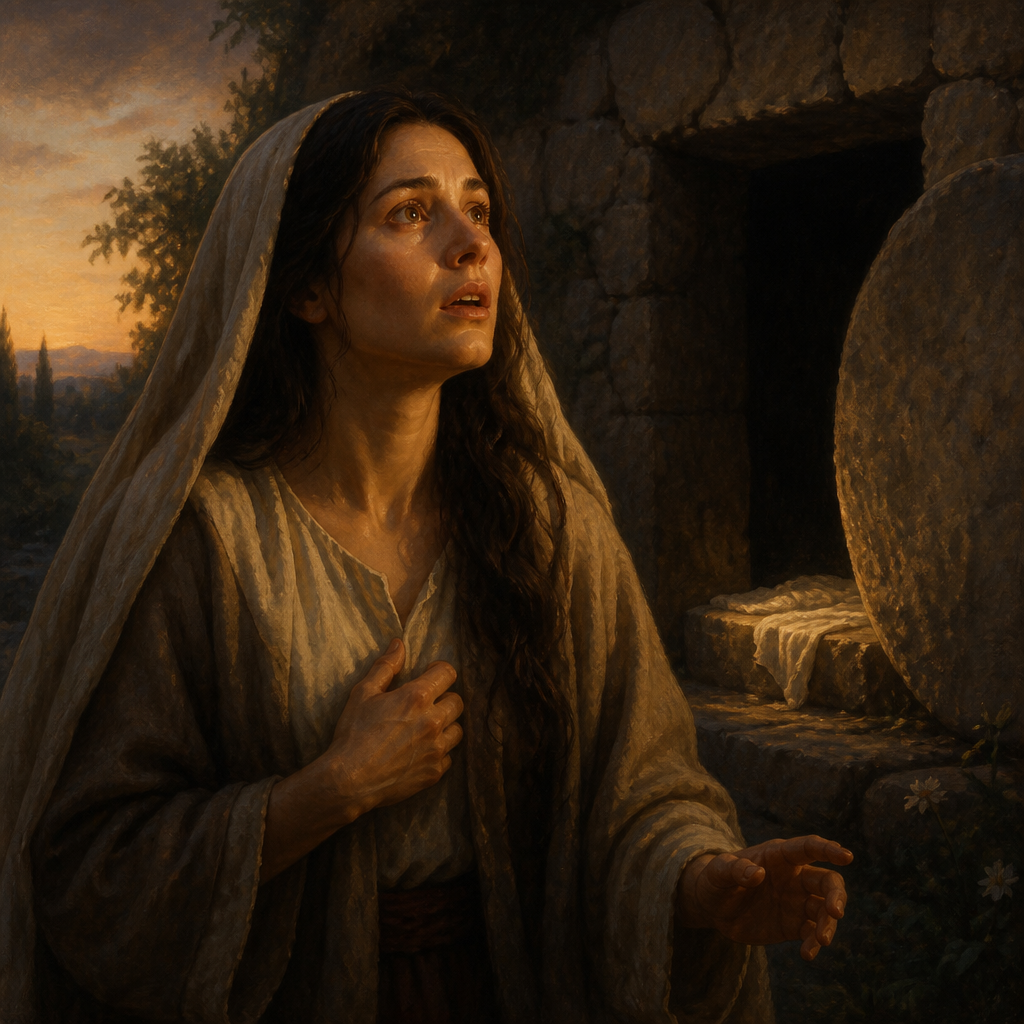
The account concludes with the witnesses of the resurrection and the restoration of the disciples. Mary Magdalene is the first to see the risen Jesus at the tomb and announces the news to the others (John 20:11–18). Thomas initially doubts the report until he sees the wounds in Jesus’ hands and side, leading to his own confession of faith (John 20:24–28). Finally, Jesus appears by the sea to Peter and other disciples, including the sons of Zebedee, to commission them for their future work (John 21:1–19). Through these specific individuals, the book documents the transition from the old covenant figures like Moses and Abraham to the new life offered through the Messiah (John 1:17, 8:58).
Everyone in this list
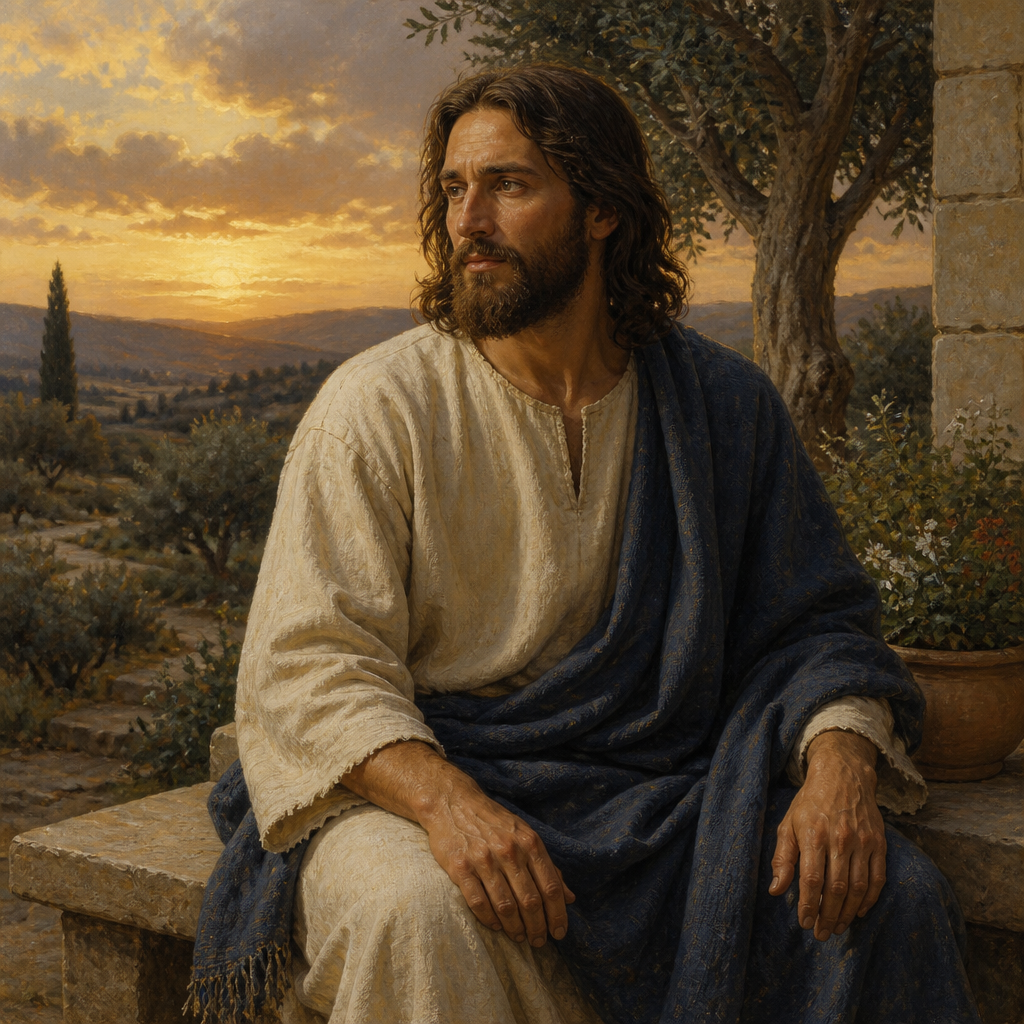
Jesus
Messiah and central figure of the New Testament whose life, death, and resurrection form the basis of the Christian faith
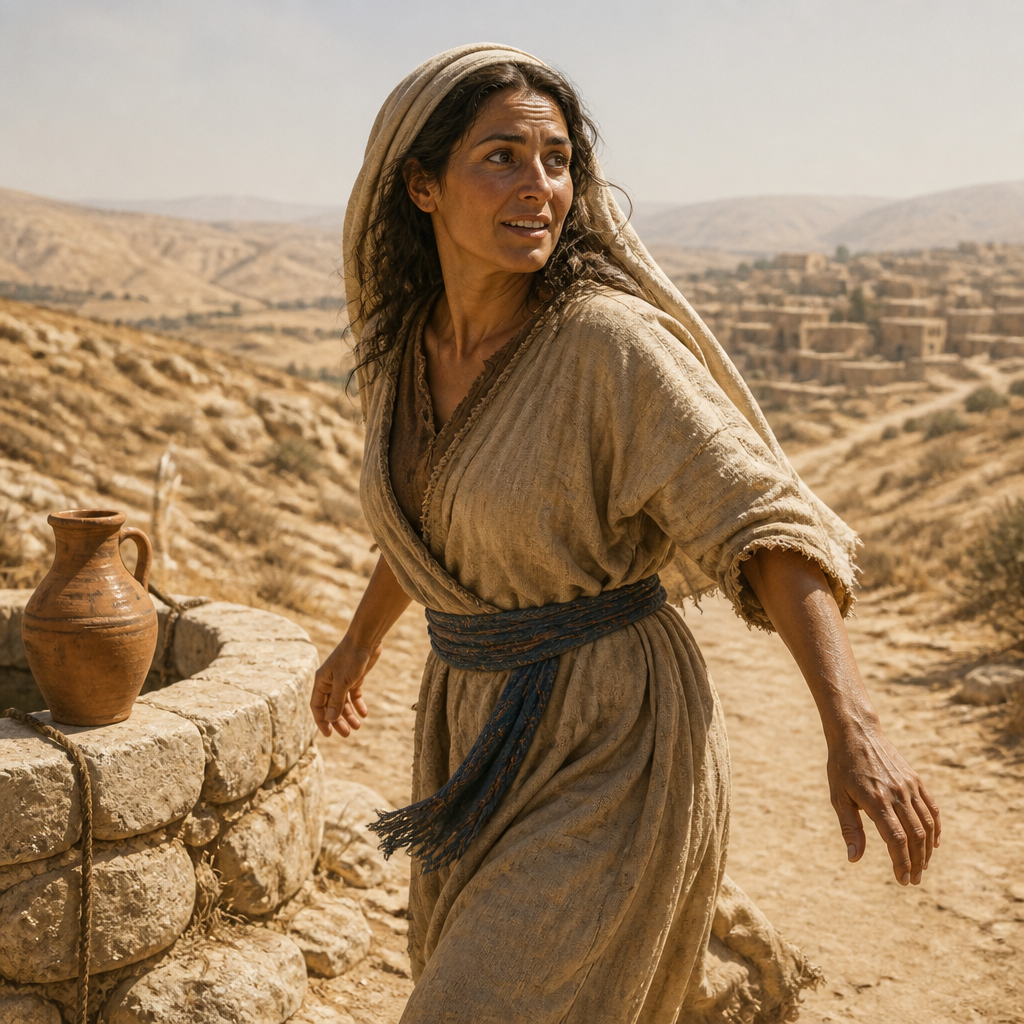
The Samaritan Woman at the Well
Woman who met Jesus at Jacob's Well and brought her town to believe in Him
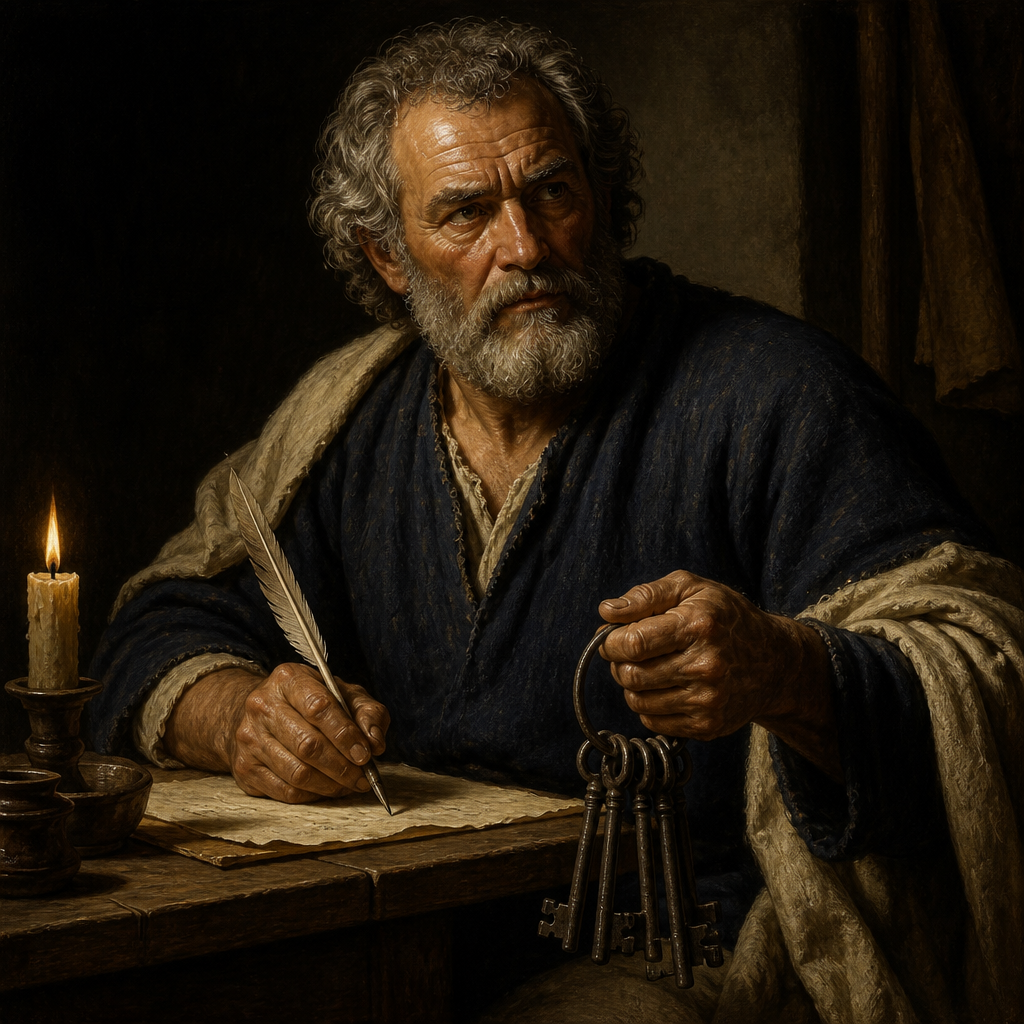
Peter
Apostle who served as the spokesman for the Twelve and the leader of the early Church in Jerusalem
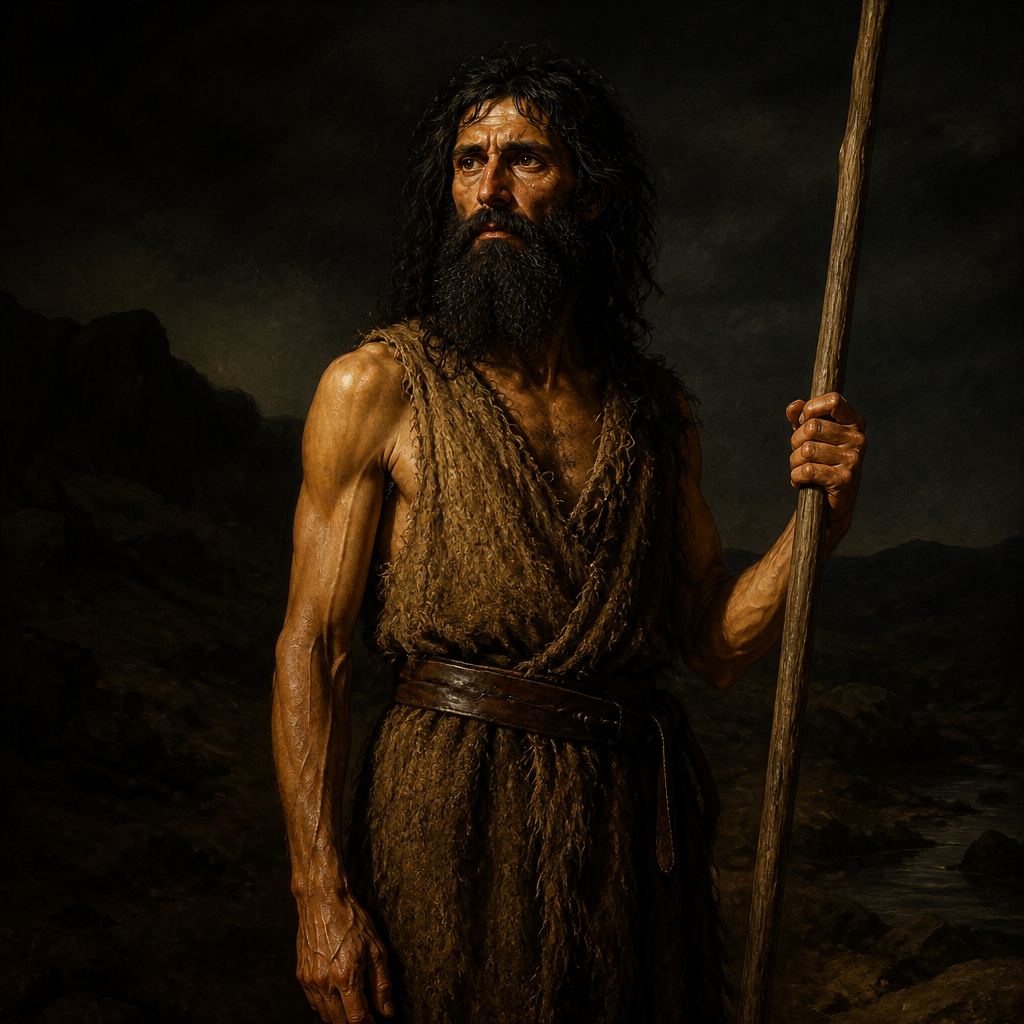
John the Baptist, Son of Zechariah
Prophet who prepared the way for Jesus and baptized him in the Jordan River
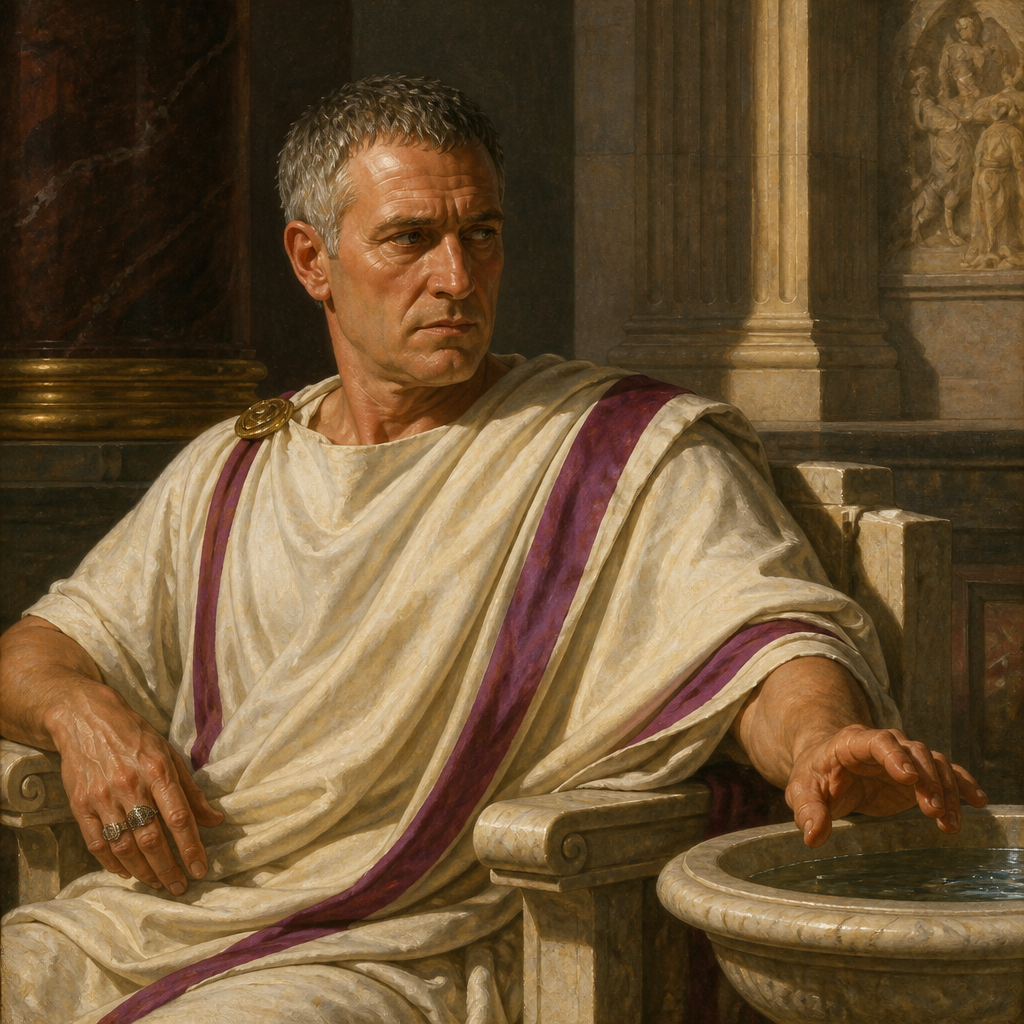
Pilate
Roman governor who presided over the trial of Jesus and ordered His crucifixion
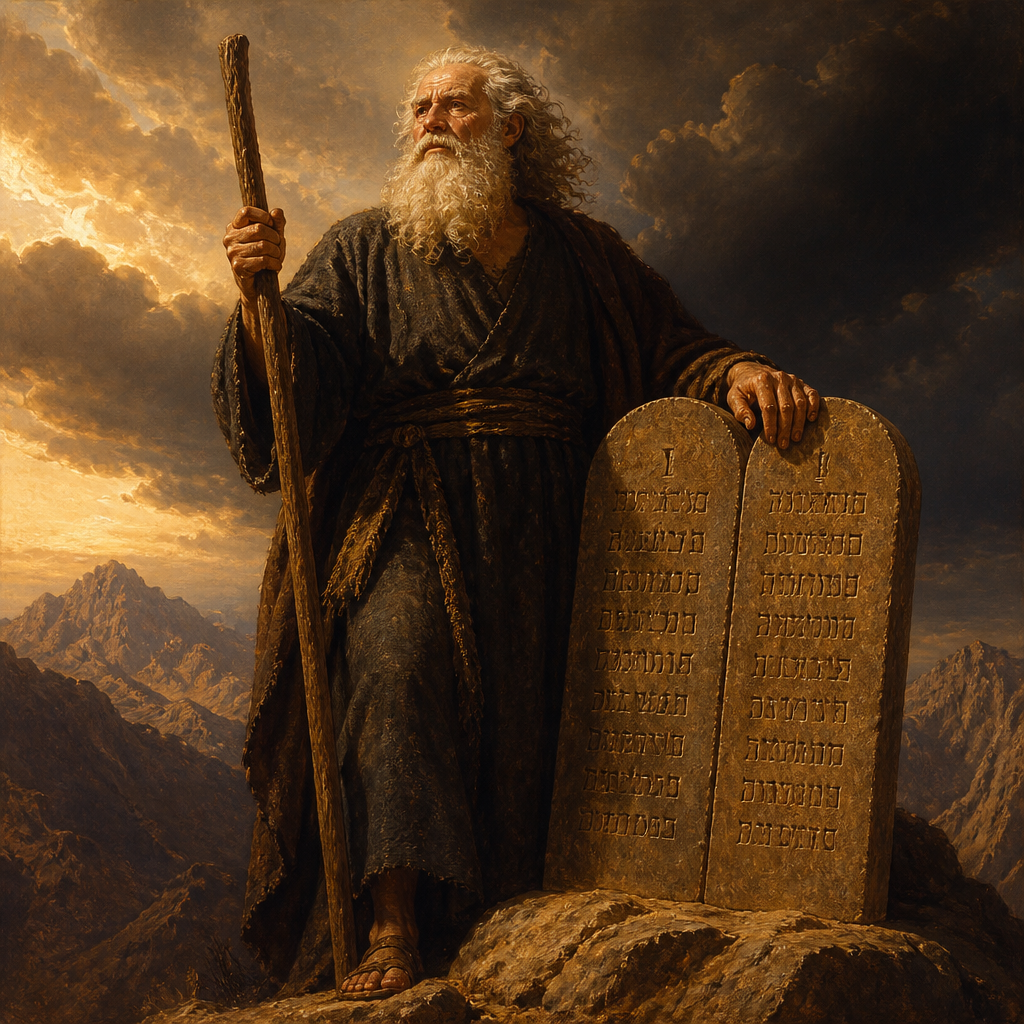
Moses
Prophet who led the Israelites out of Egypt and received the Ten Commandments

God the Father
The first person of the Trinity — creator, the one Jesus addressed as Father, the one who sends the Son and the Spirit
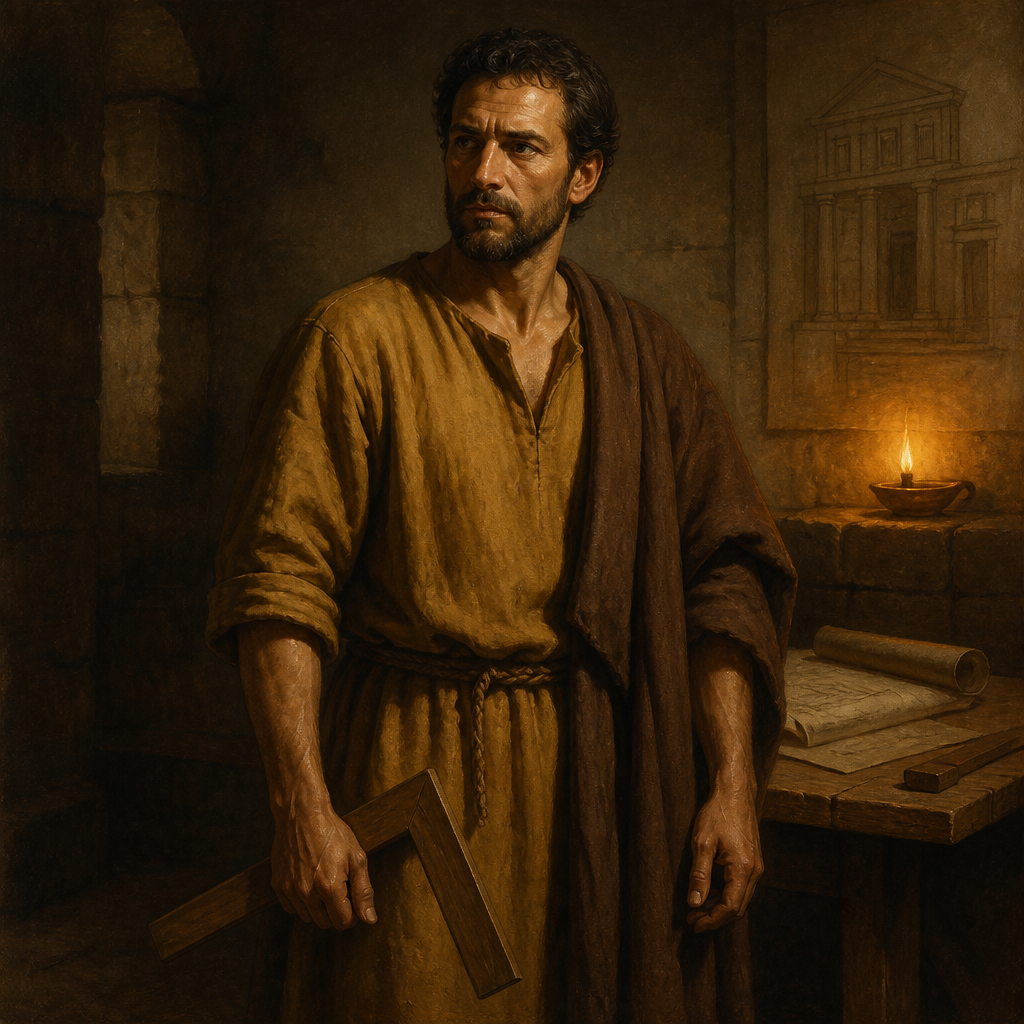
Thomas
Apostle who required physical proof of Jesus' Resurrection before believing
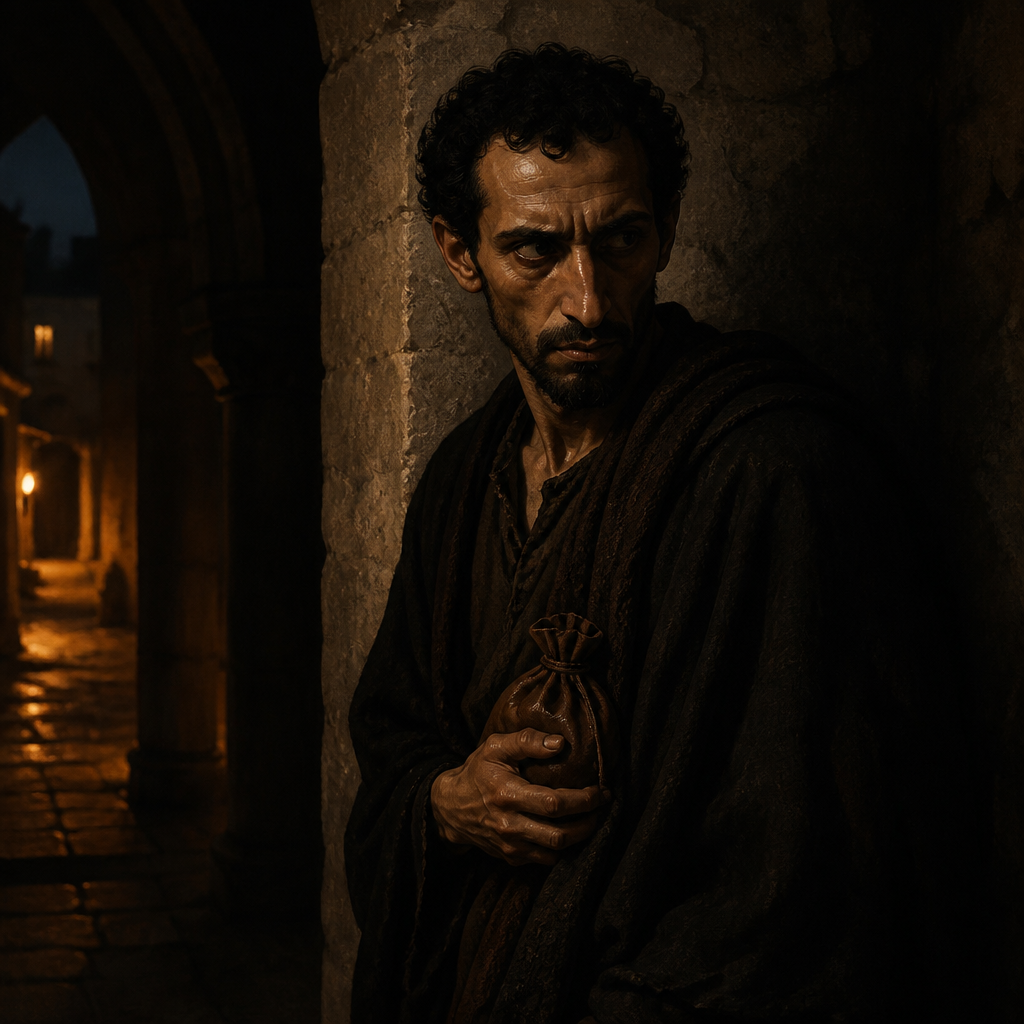
Judas Iscariot, Betrayer of Jesus
Apostle who betrayed Jesus for thirty pieces of silver

Mary, Sister of Martha and Lazarus
Disciple who sat at Jesus' feet and anointed Him with expensive perfume

Abraham
Patriarch who is the father of the nation of Israel and an exemplar of faith
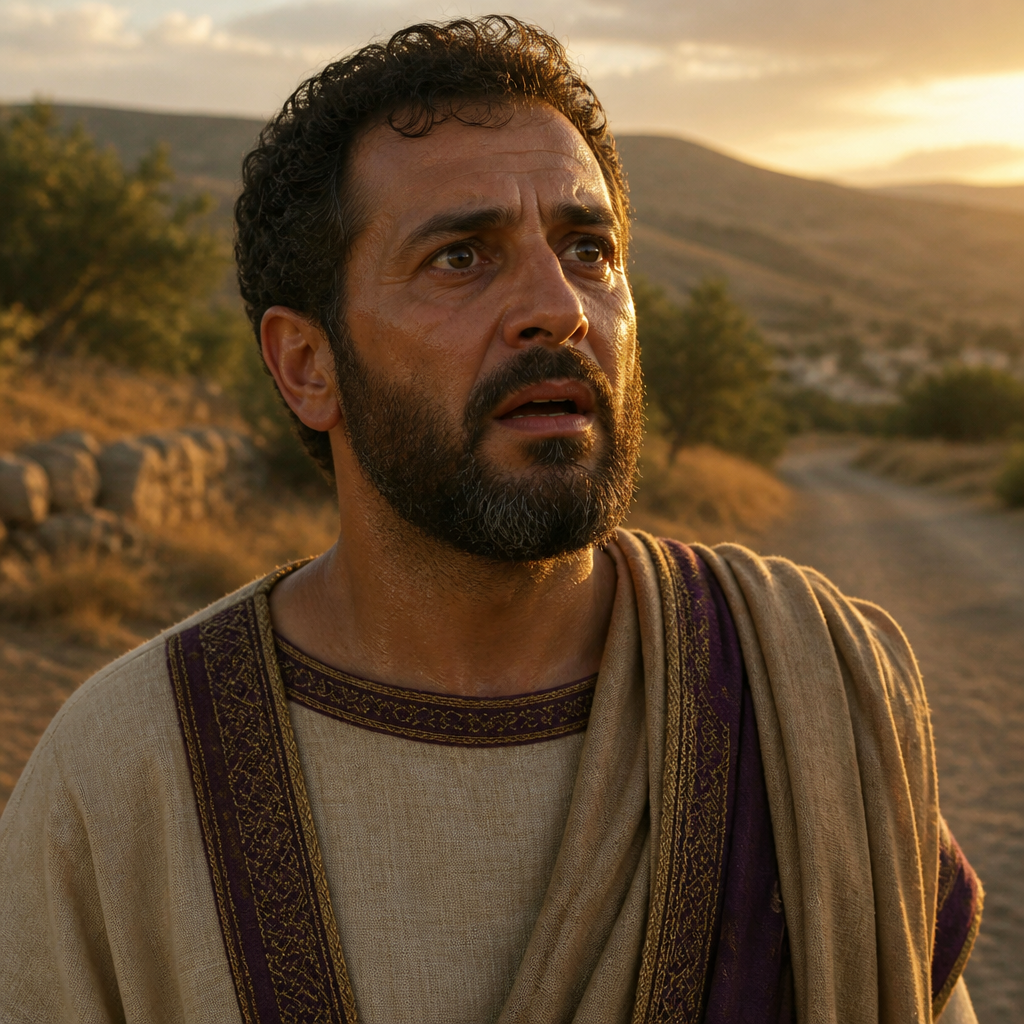
The Royal Official at Capernaum
Official whose son was healed by Jesus from a distance
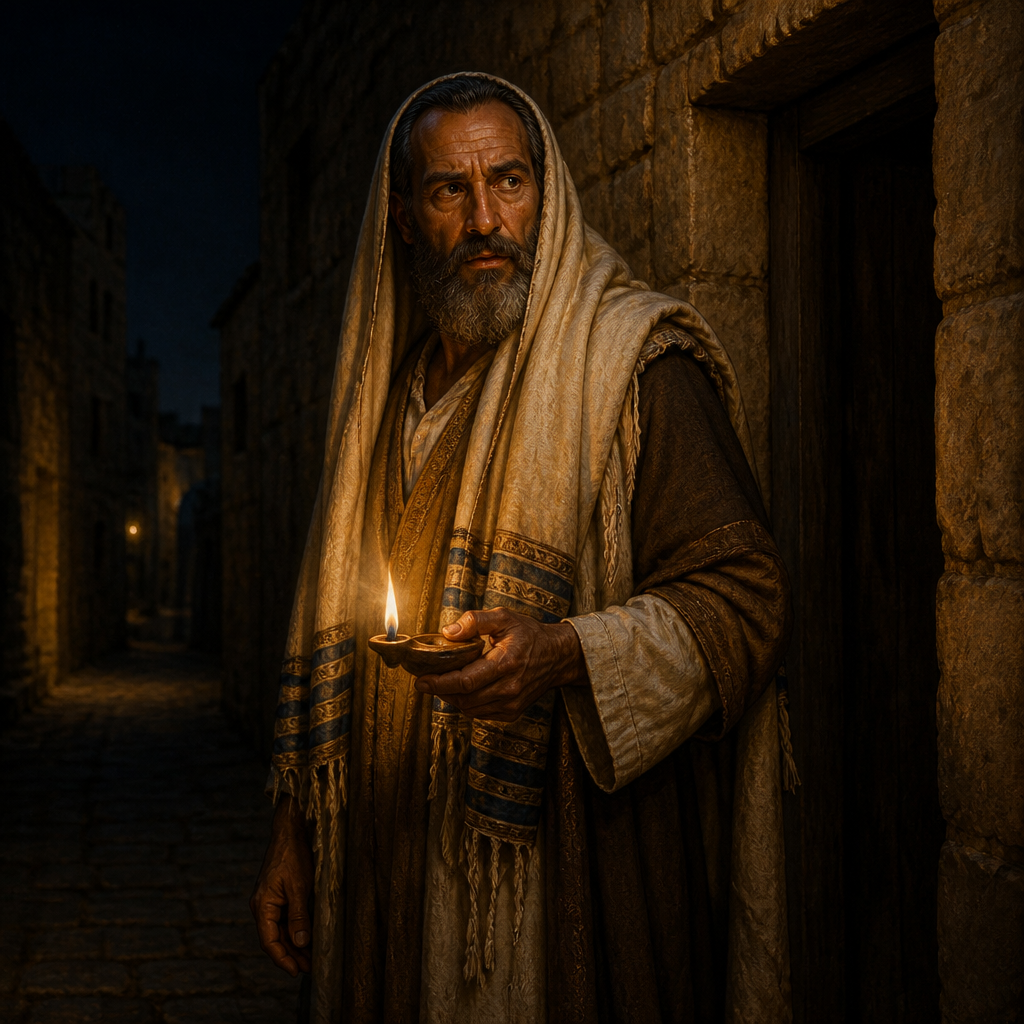
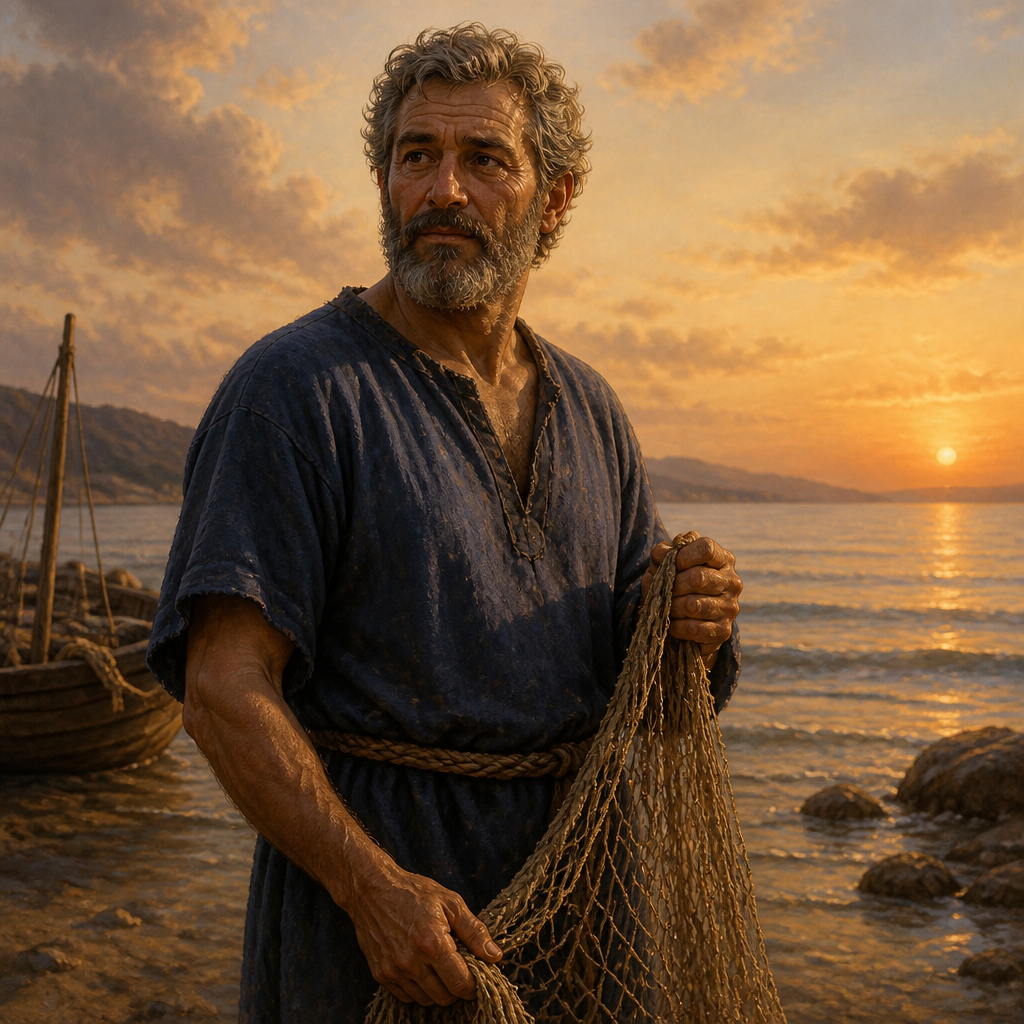
Andrew
Apostle of Jesus and the brother of Simon Peter who was the first to be called by Christ
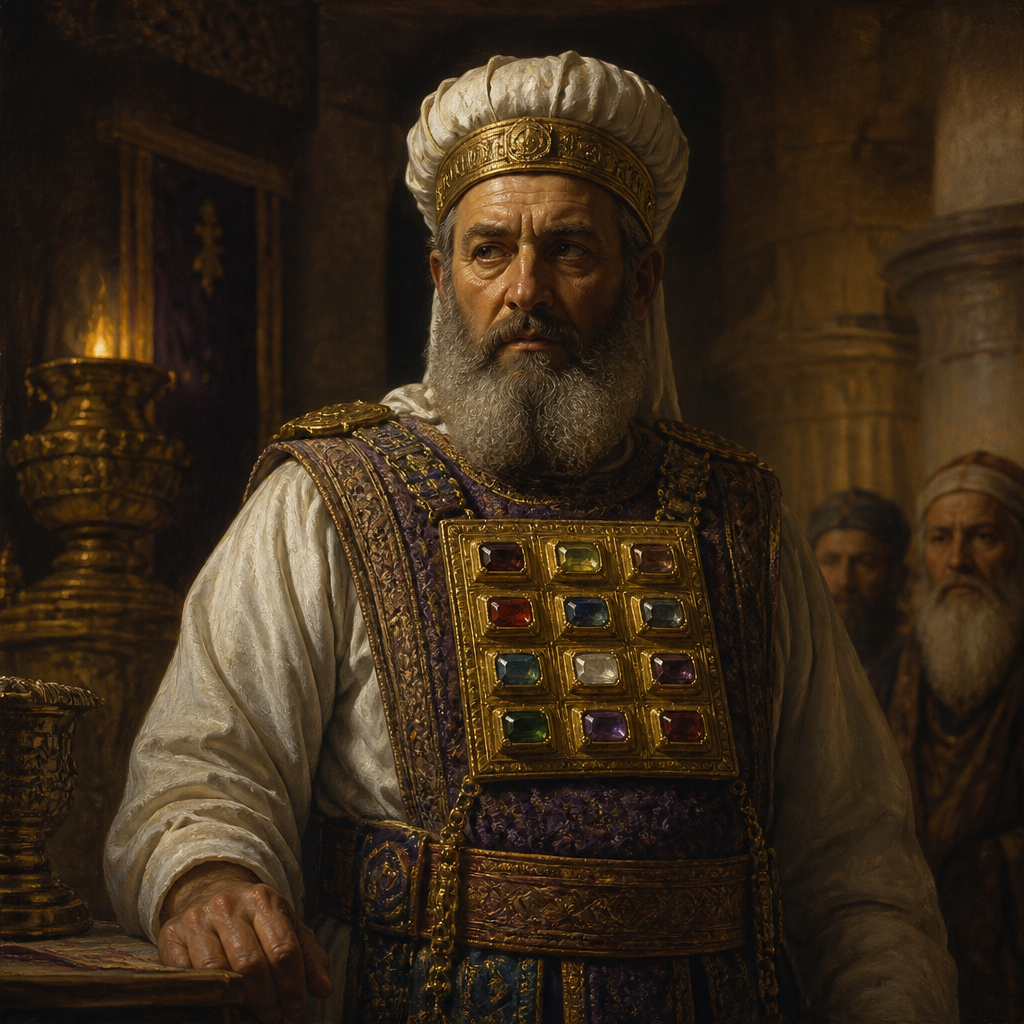
Caiaphas
High Priest who presided over the Sanhedrin during the trial of Jesus
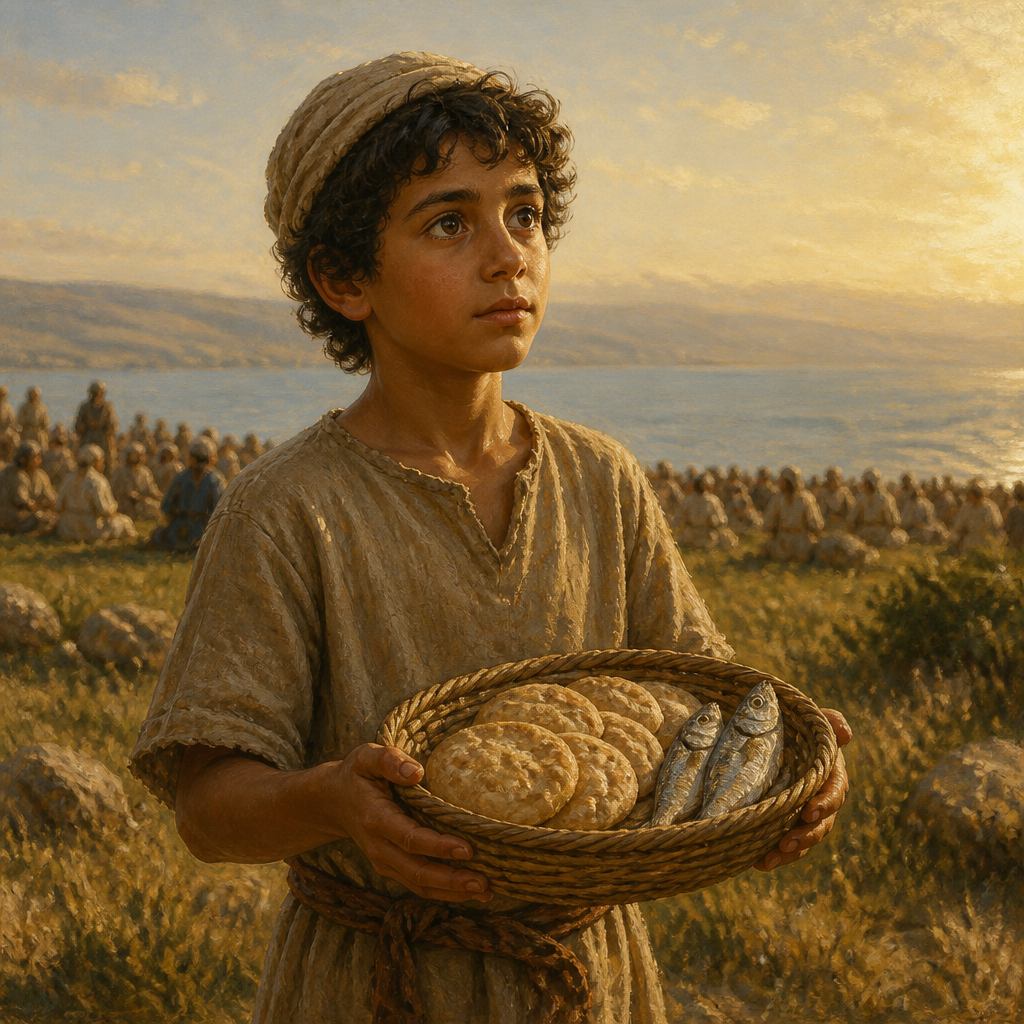
The Boy with the Loaves and Fish
Young lad who provided the five barley loaves and two fish for the feeding of the five thousand

The Holy Spirit
The third person of the Trinity — hovering over the waters at creation, empowering judges, prophets and kings, poured out at Pentecost, indwelling believers
Isaiah
Prophet who advised King Hezekiah and foretold the coming of the Messiah
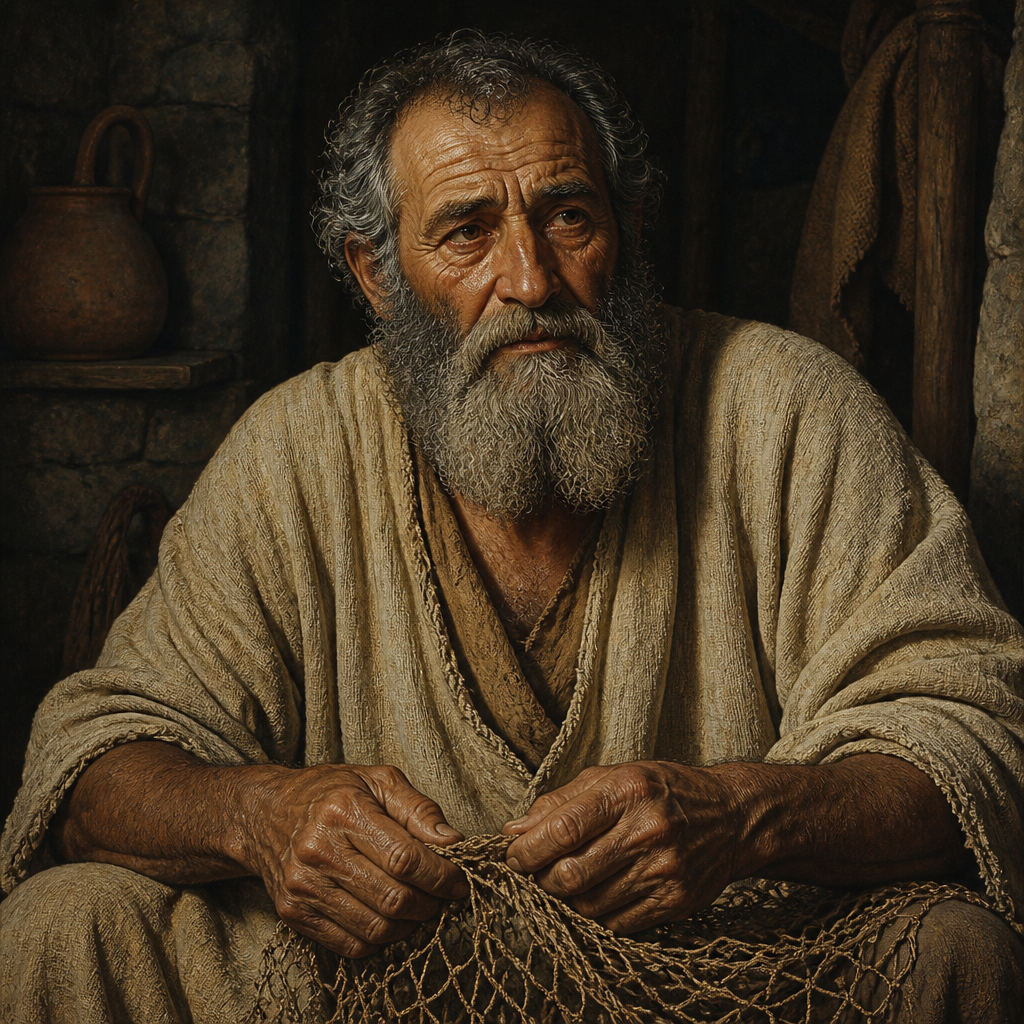
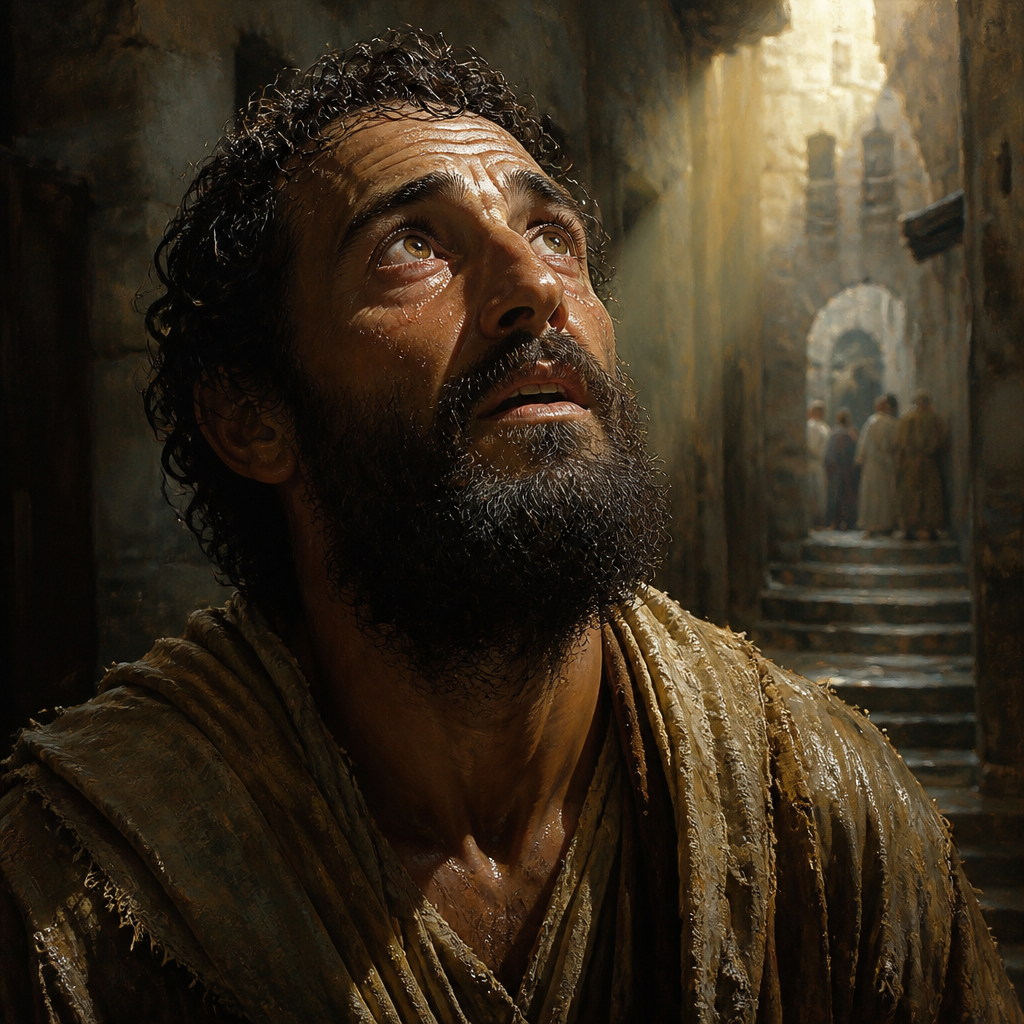
The Man Blind from Birth
Recipient of a miraculous healing from congenital blindness by Jesus at the Pool of Siloam
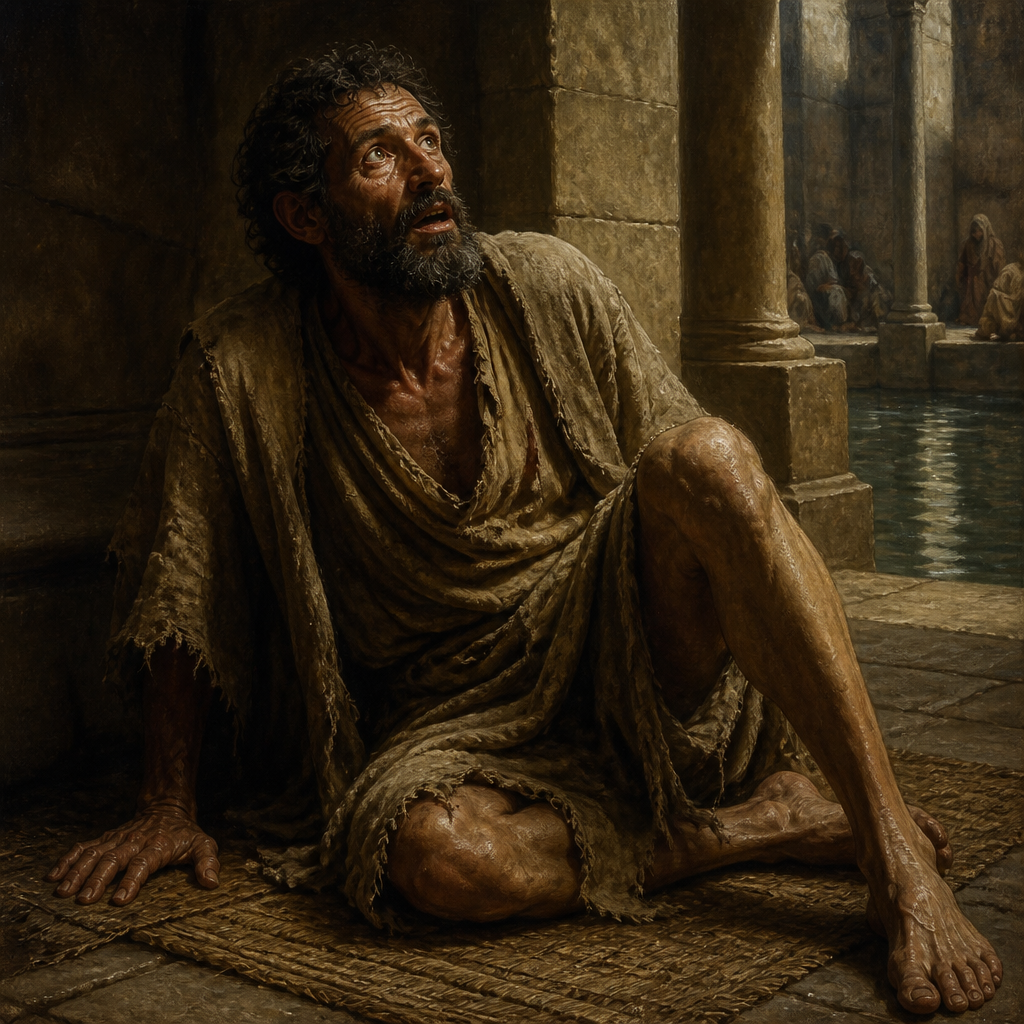
The Invalid at Bethesda
A man infirm for thirty-eight years who was healed by Jesus at the Pool of Bethesda
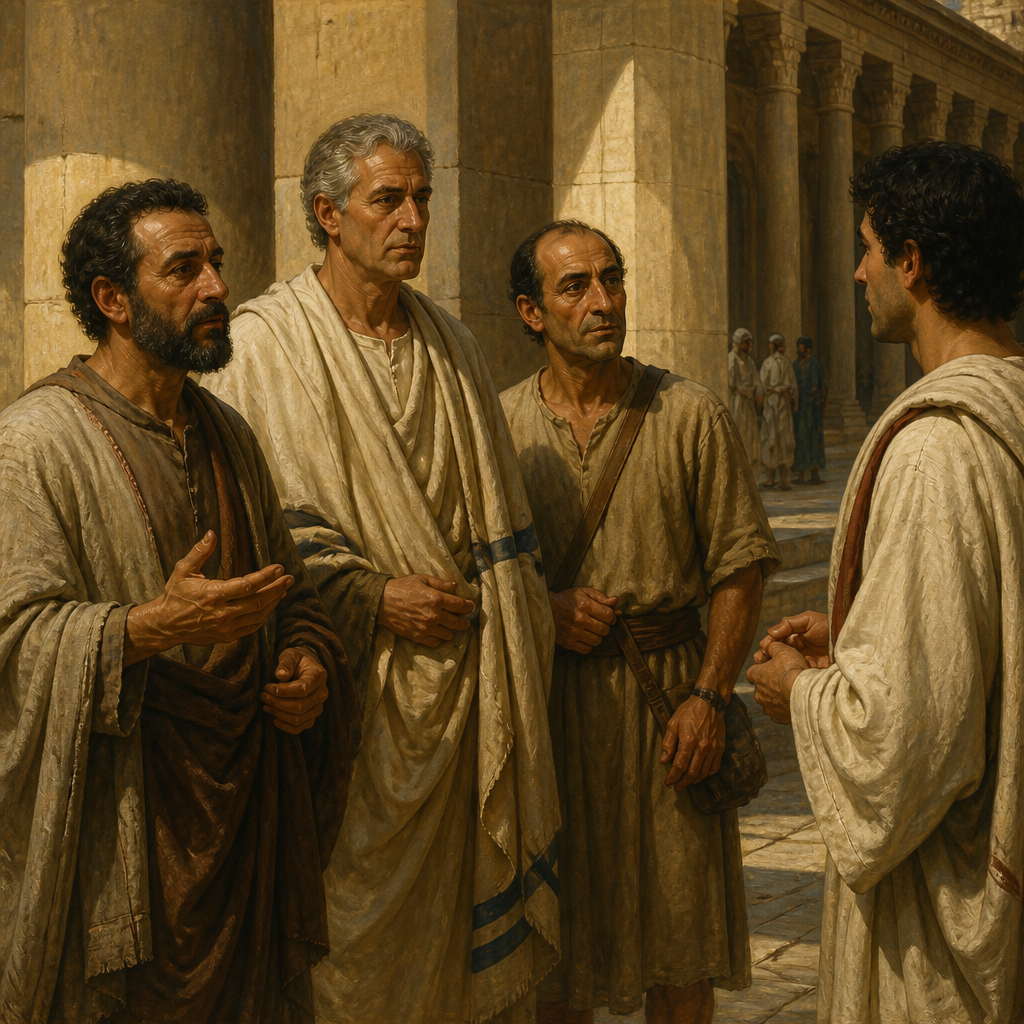
The Greeks Who Wanted to See Jesus
Gentile pilgrims who requested an audience with Jesus during Passover
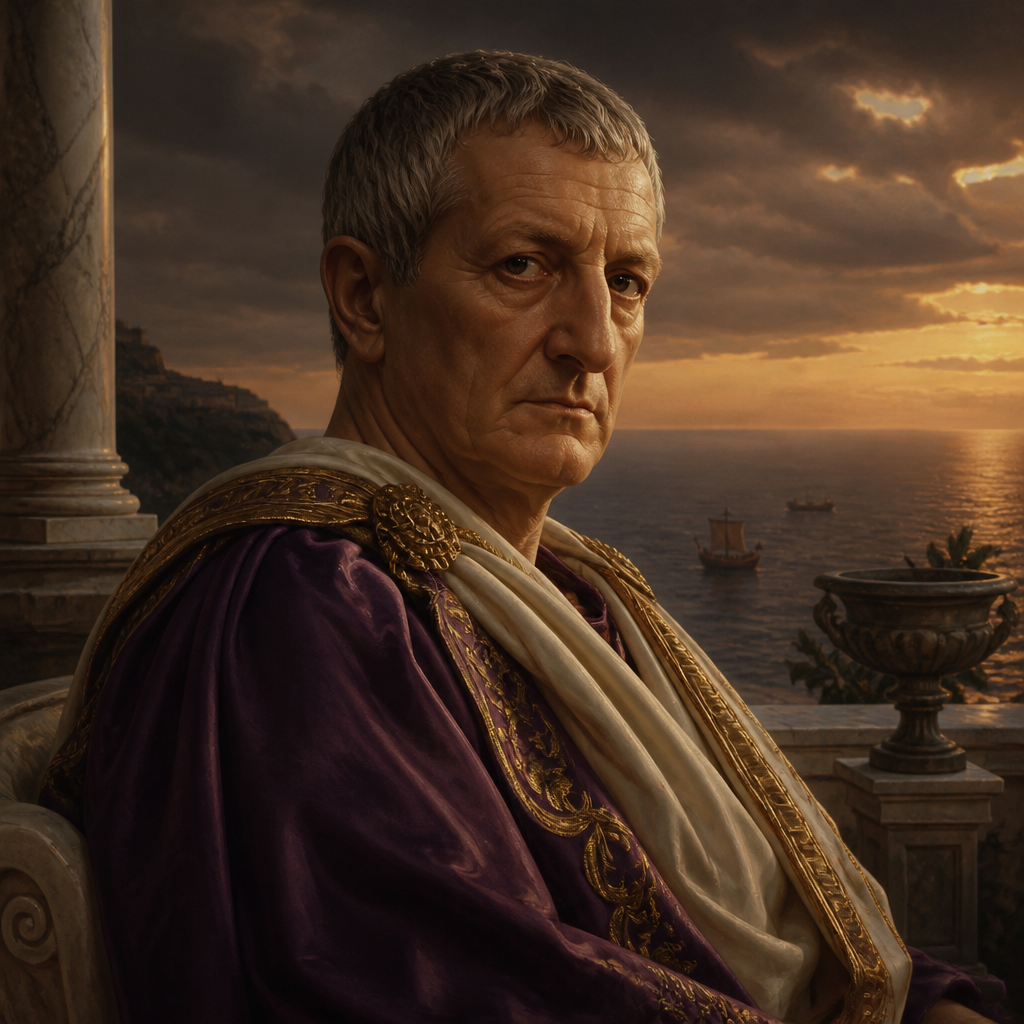
Tiberius
Second Roman emperor whose fifteenth regnal year marks the beginning of Christ's ministry
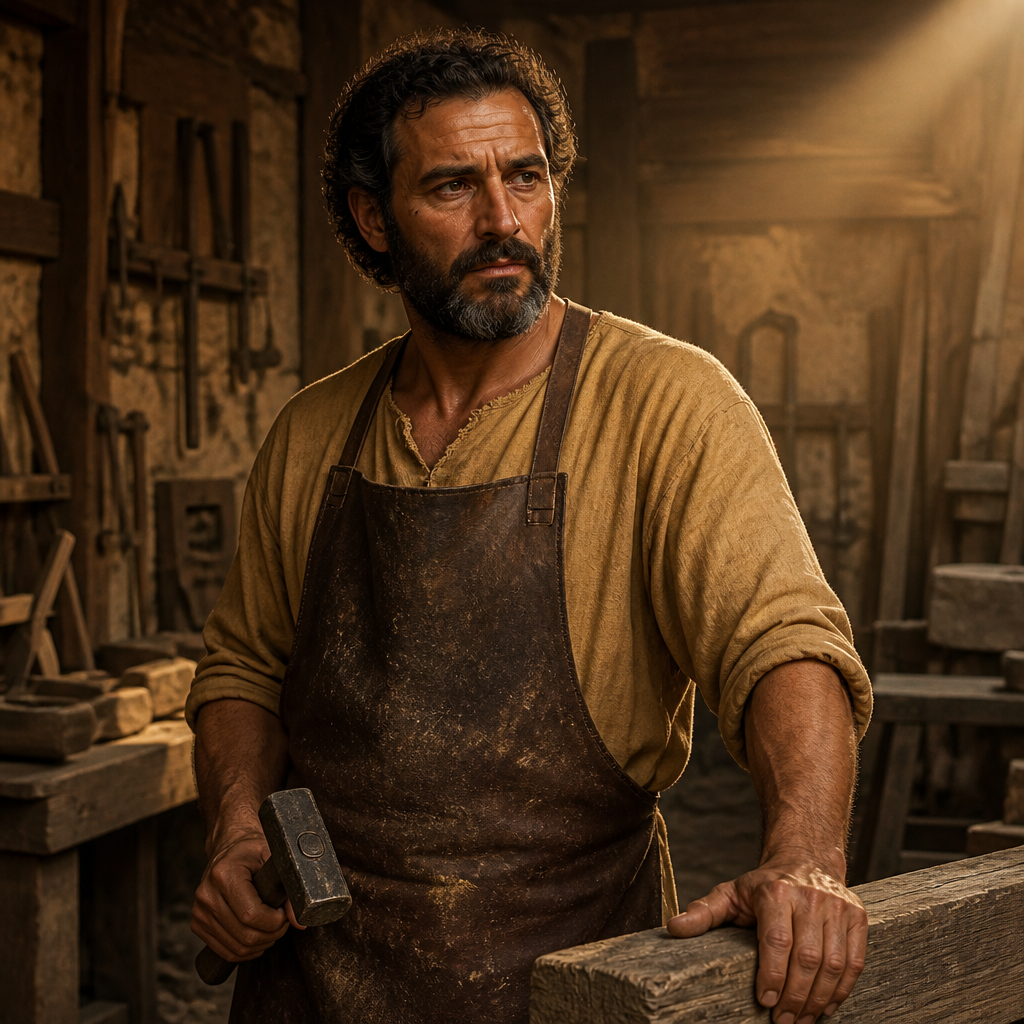
Joseph, Earthly Father of Jesus
Legal father of Jesus and husband of Mary who protected the Holy Family during their flight to Egypt
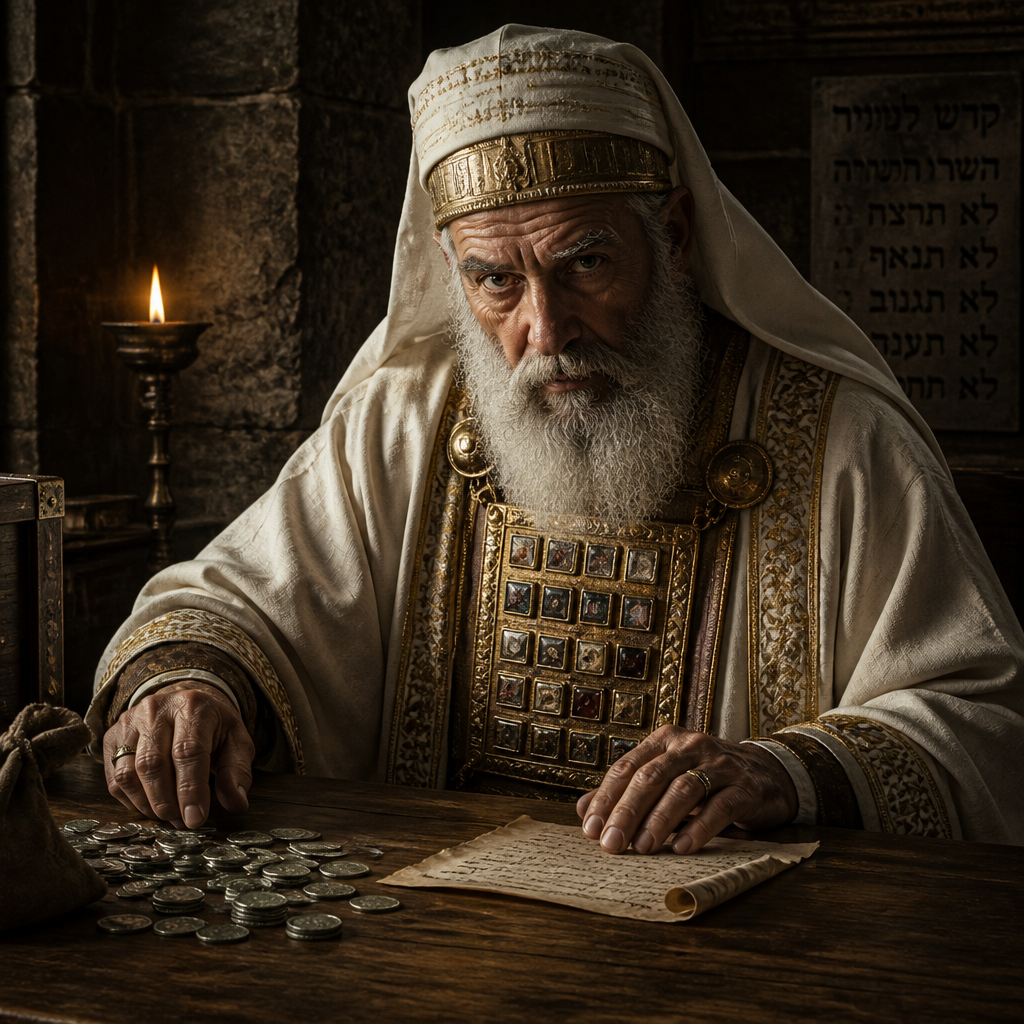
Annas
High Priest who led the preliminary trial of Jesus and daughter's husband was Caiaphas
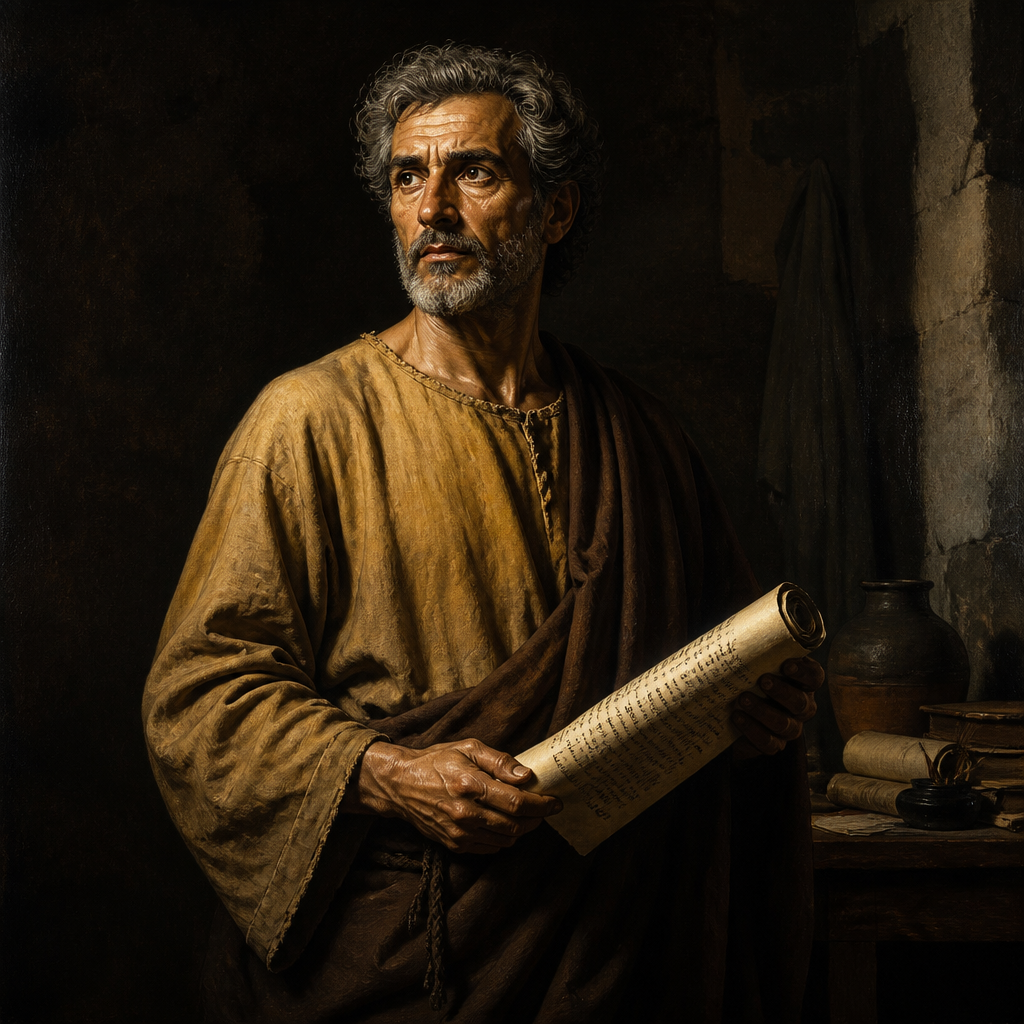
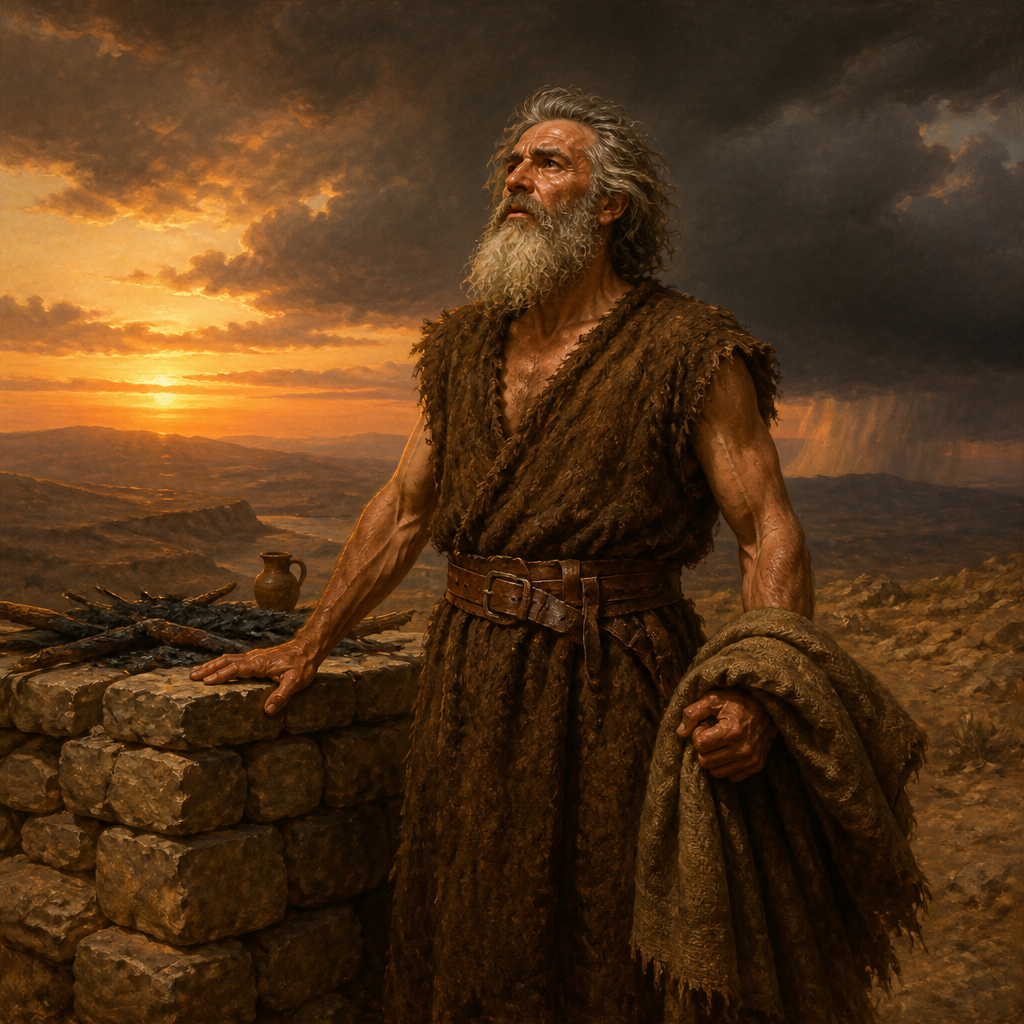
Elijah the Tishbite
Prophet who called down fire from heaven and was taken to heaven in a whirlwind

The Servant Girl at the High Priest's Courtyard
Servant who recognized Peter in the courtyard and caused his first denial
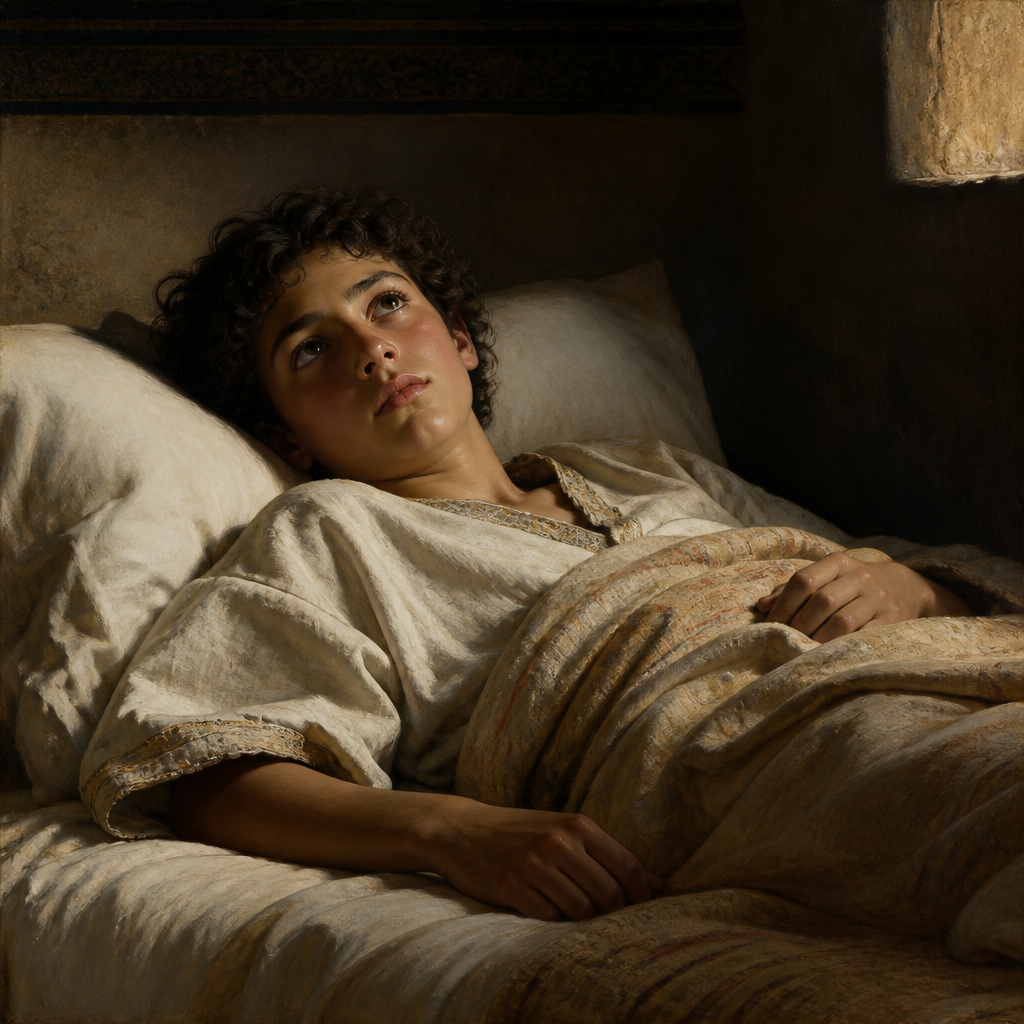
The Official's Son
Recipient of Jesus's second sign healed remotely through his word
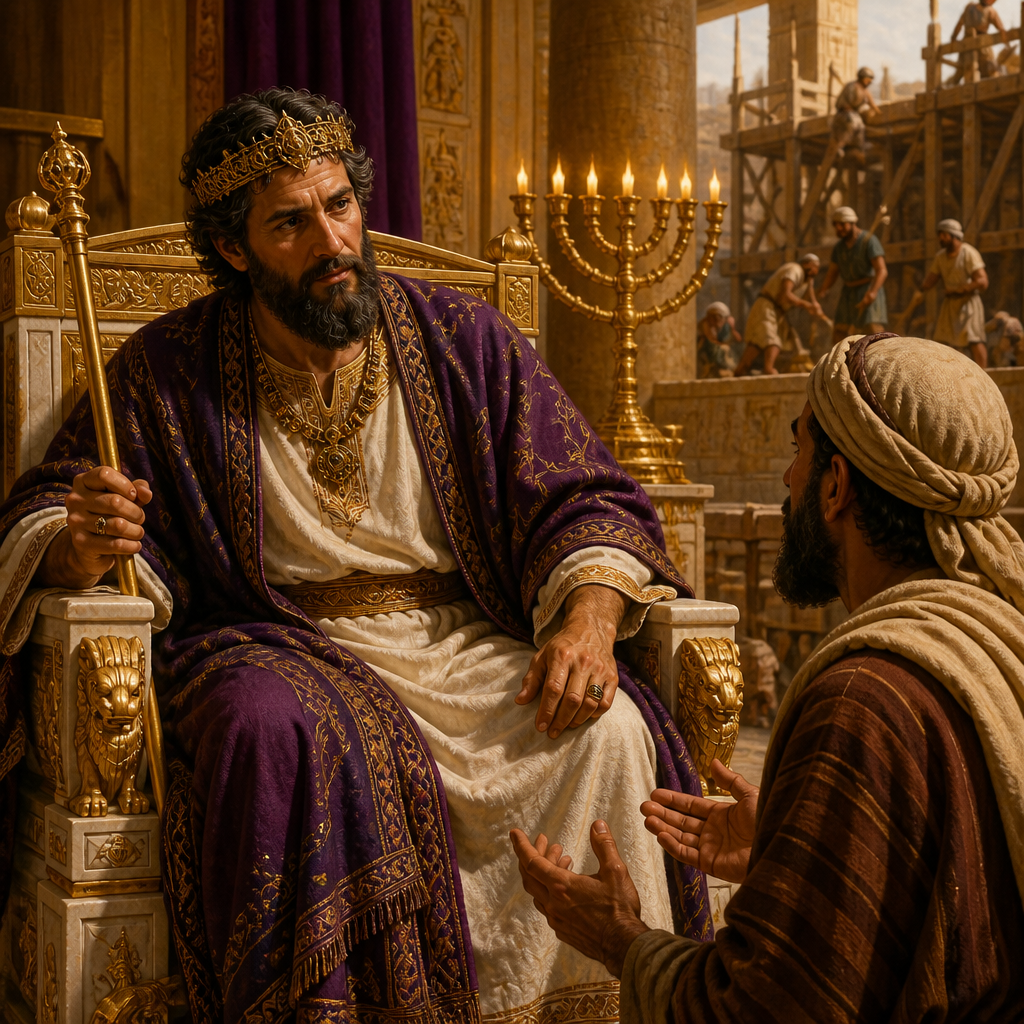
Solomon
King of Israel who built the first Temple and was famous for his wisdom
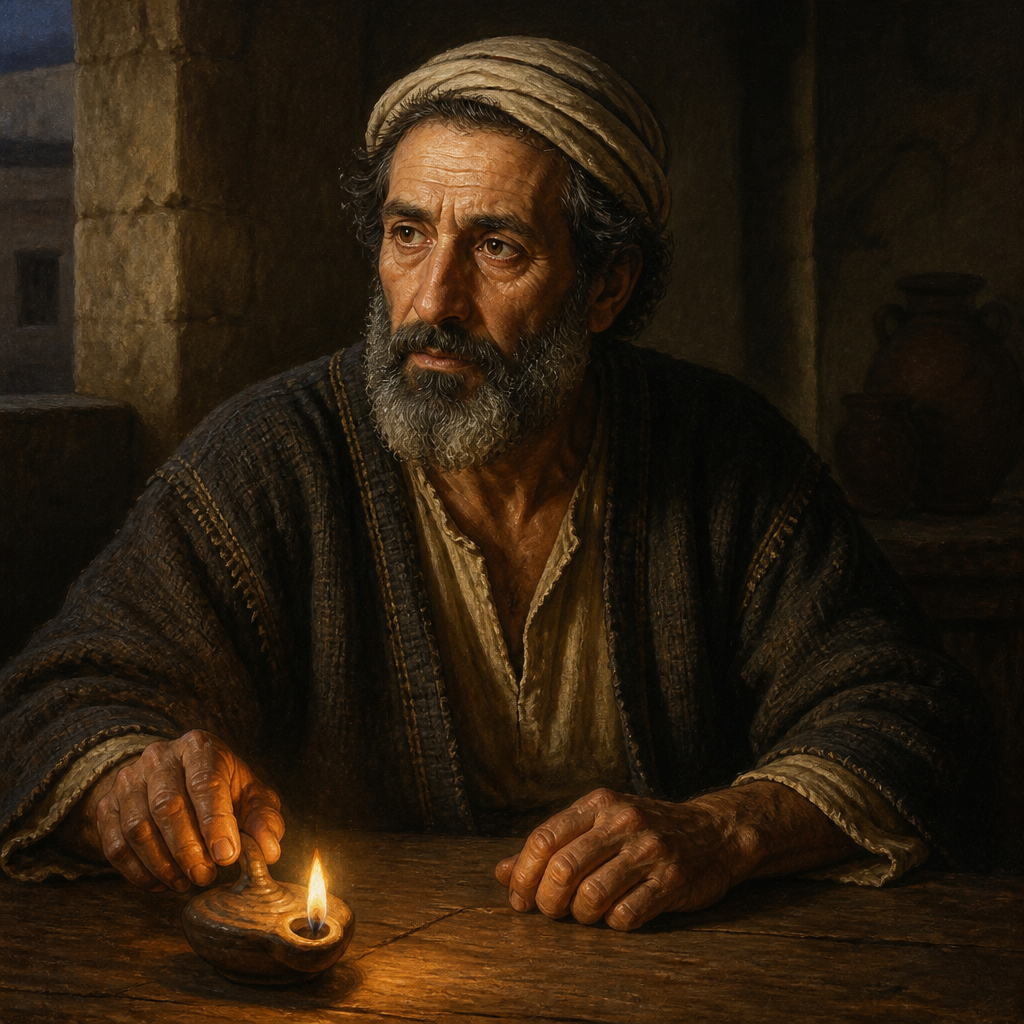
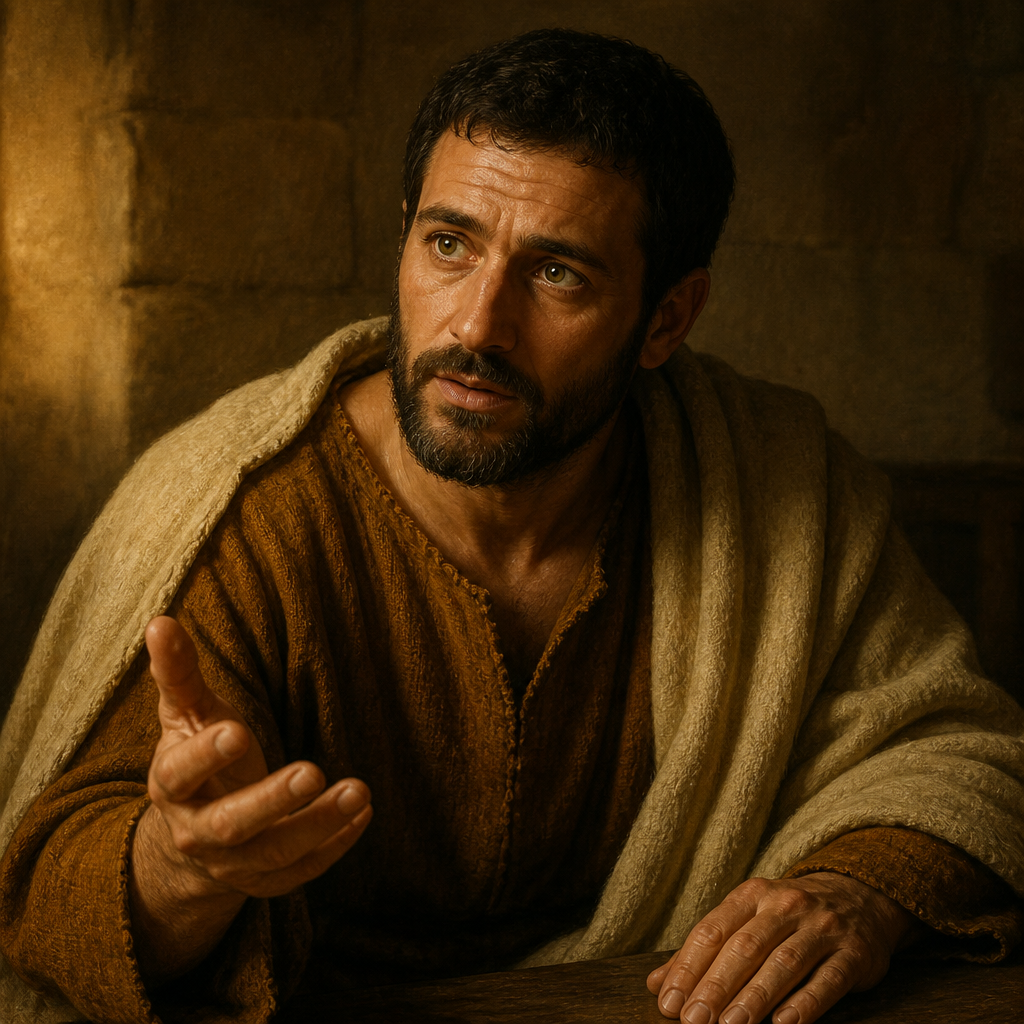
Judas son of James
Apostle of Jesus Christ also known as Thaddaeus who questioned Jesus during the Last Supper
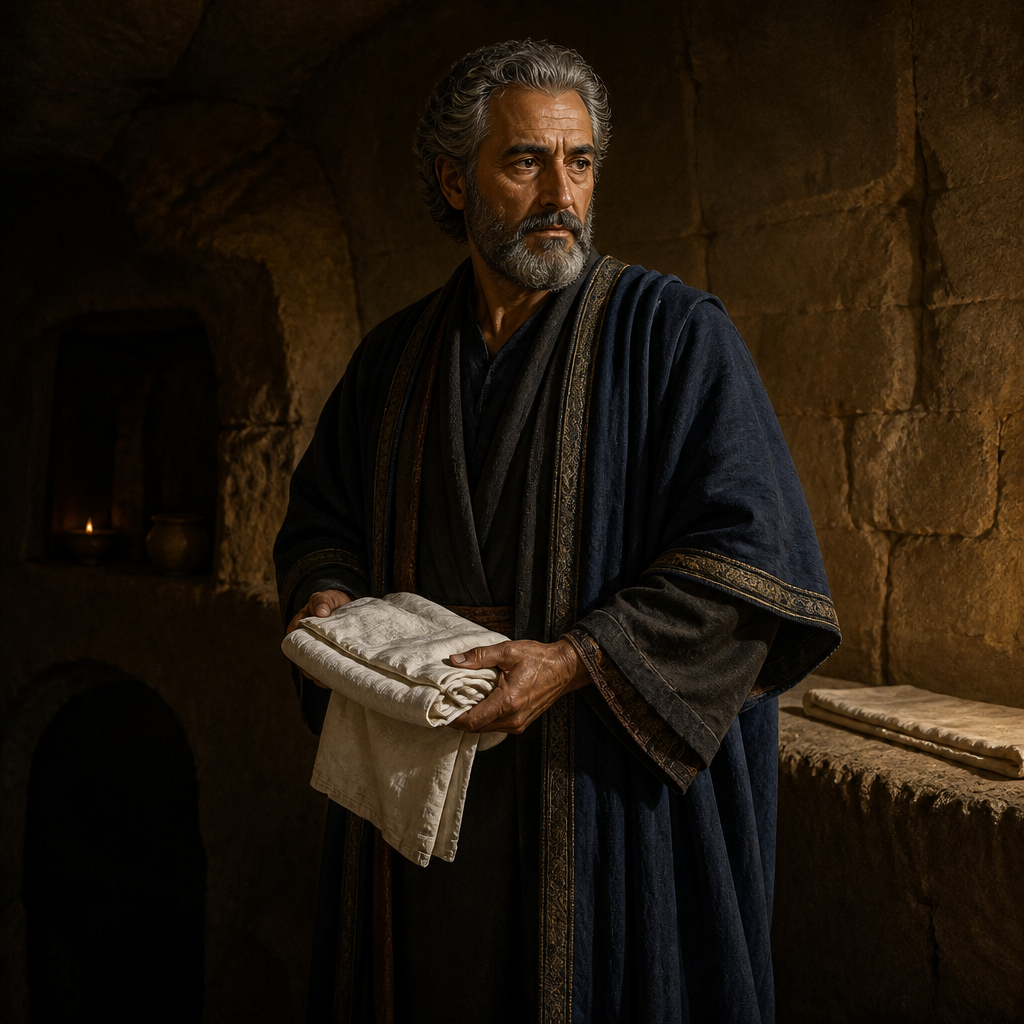
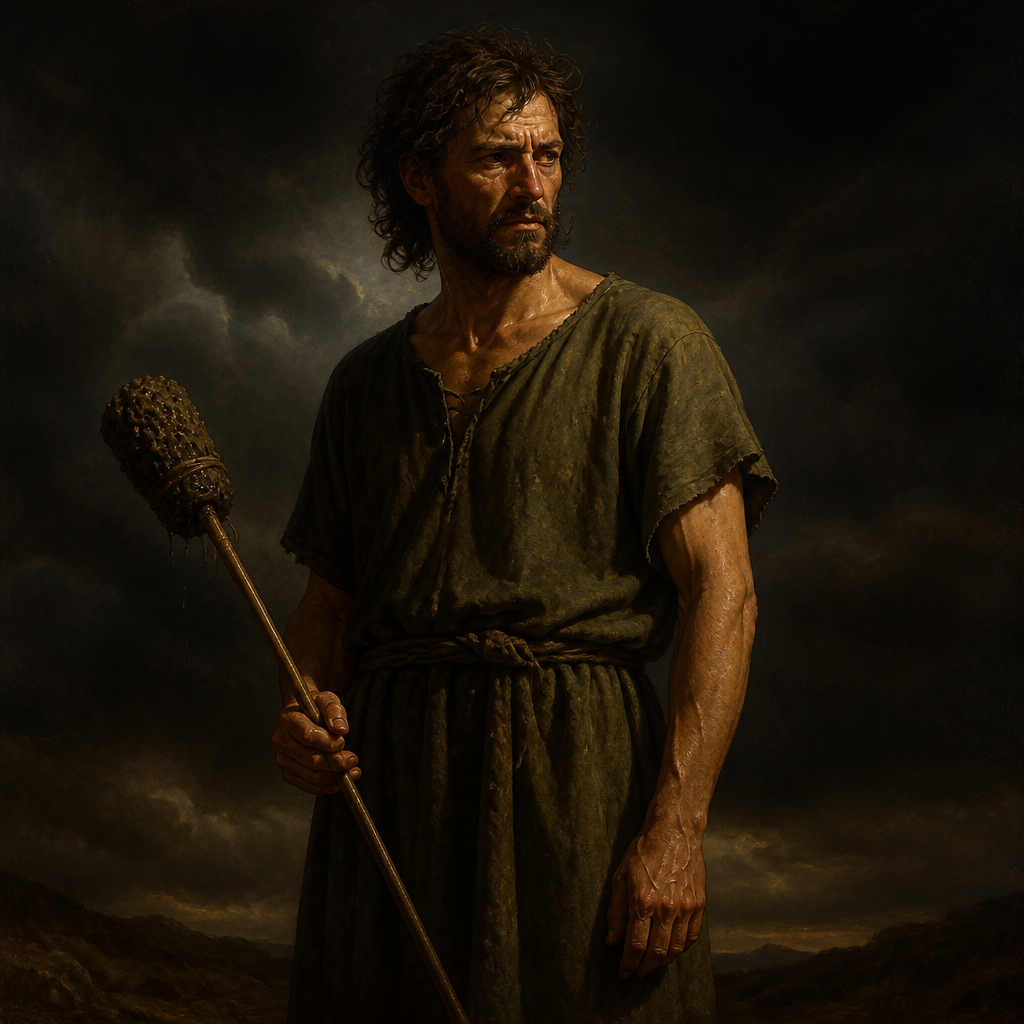
The Bystander Who Gave Jesus Sour Wine
Bystander at the crucifixion who offered a sponge of sour wine to Jesus
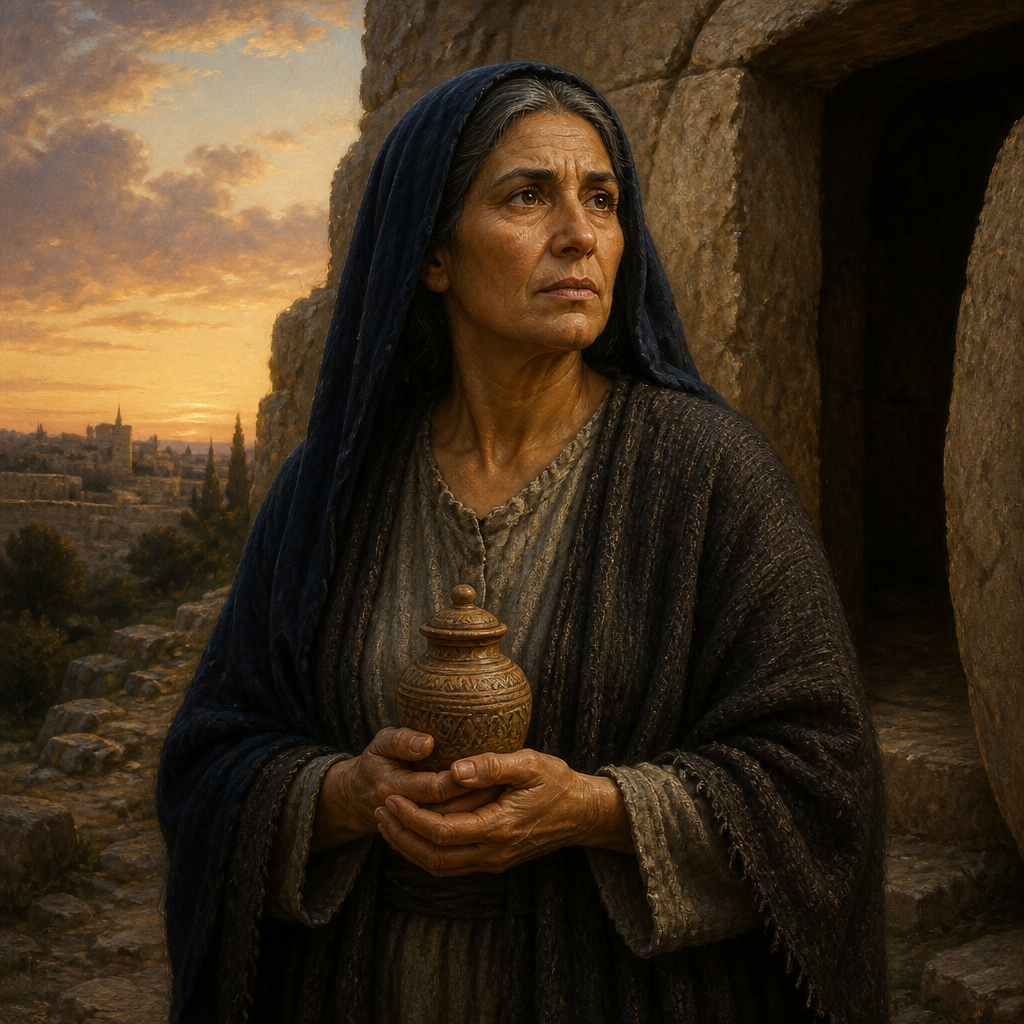
Mary, Mother of James and Joses
mother of James and Joses who witnessed the crucifixion and resurrection of Jesus
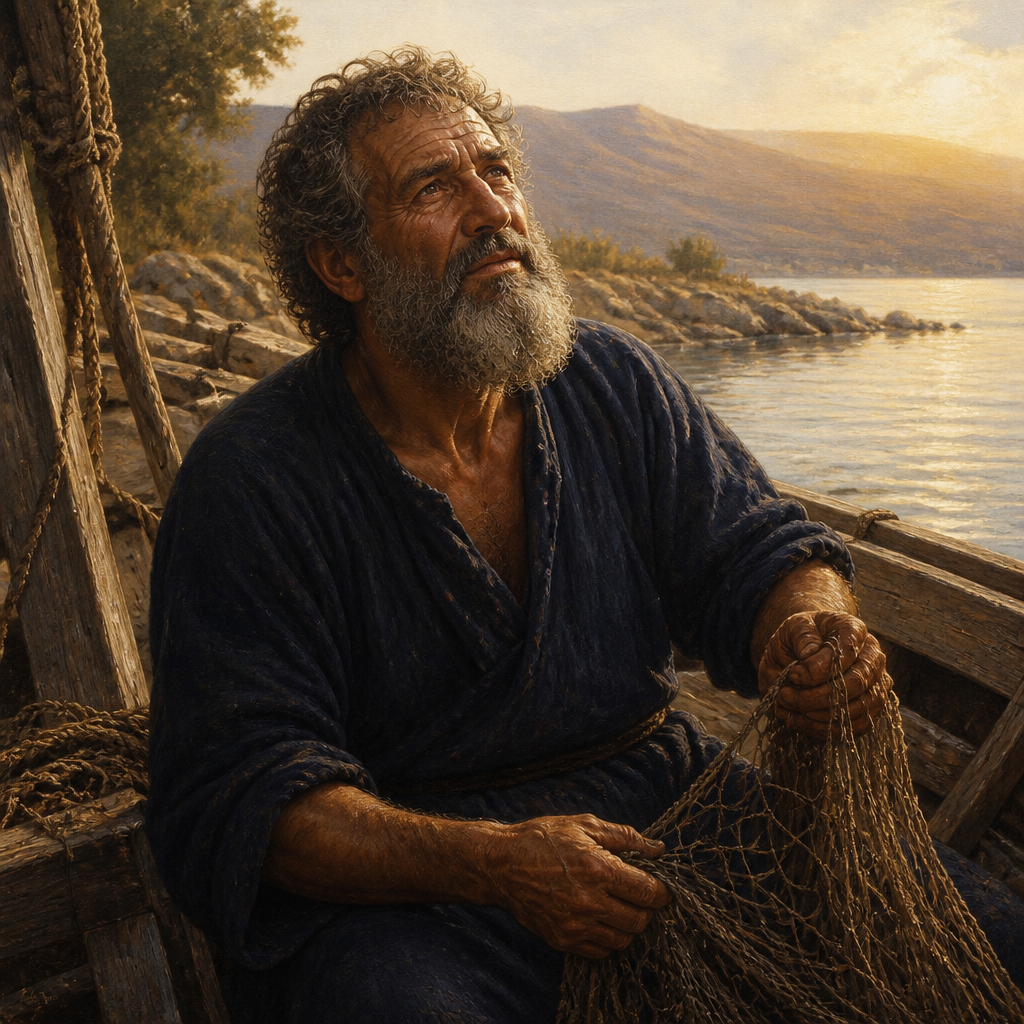
Zebedee
Father of the apostles James and John who was left in his boat when they followed Jesus
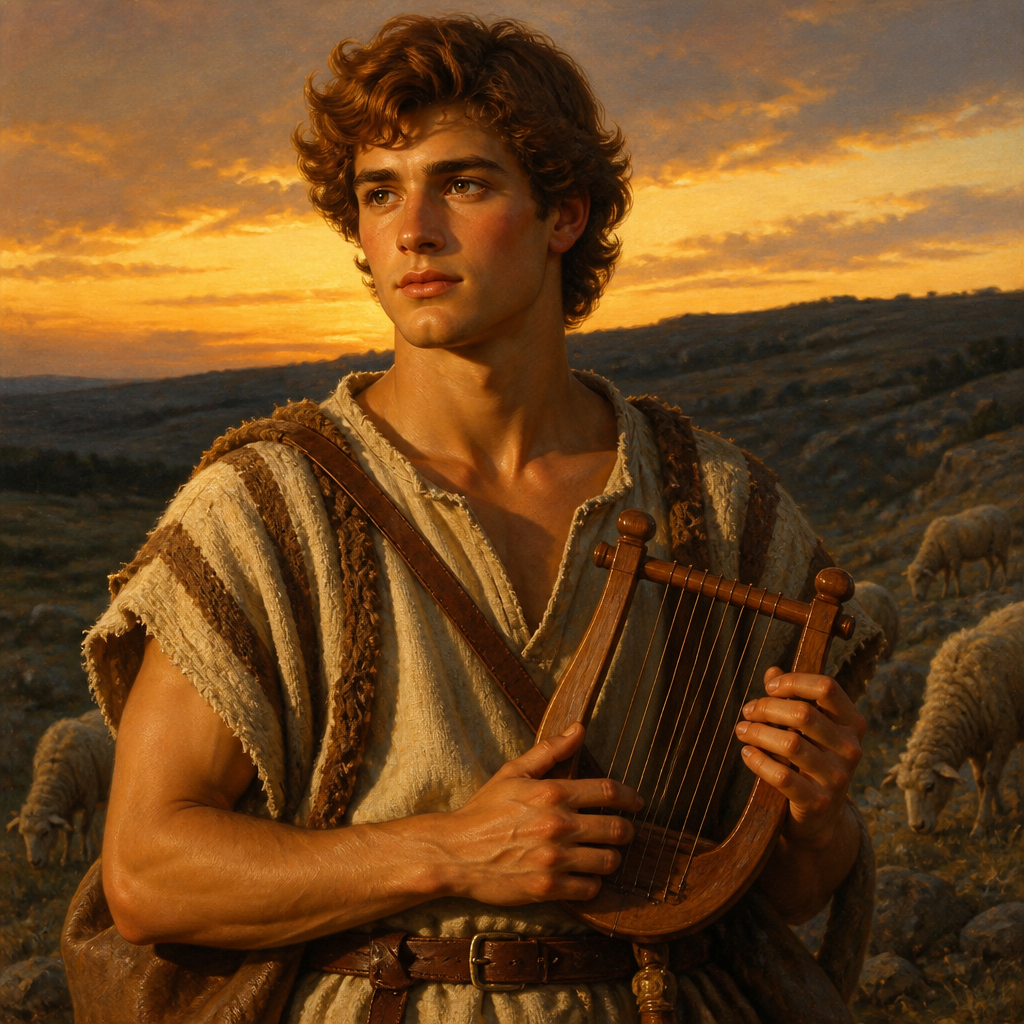
David
King of Israel who defeated Goliath and established the Davidic dynasty