People of Revelation
Every person who appears in the book of Revelation, ordered by how often they are mentioned there.
37 profiles tagged People of Revelation.
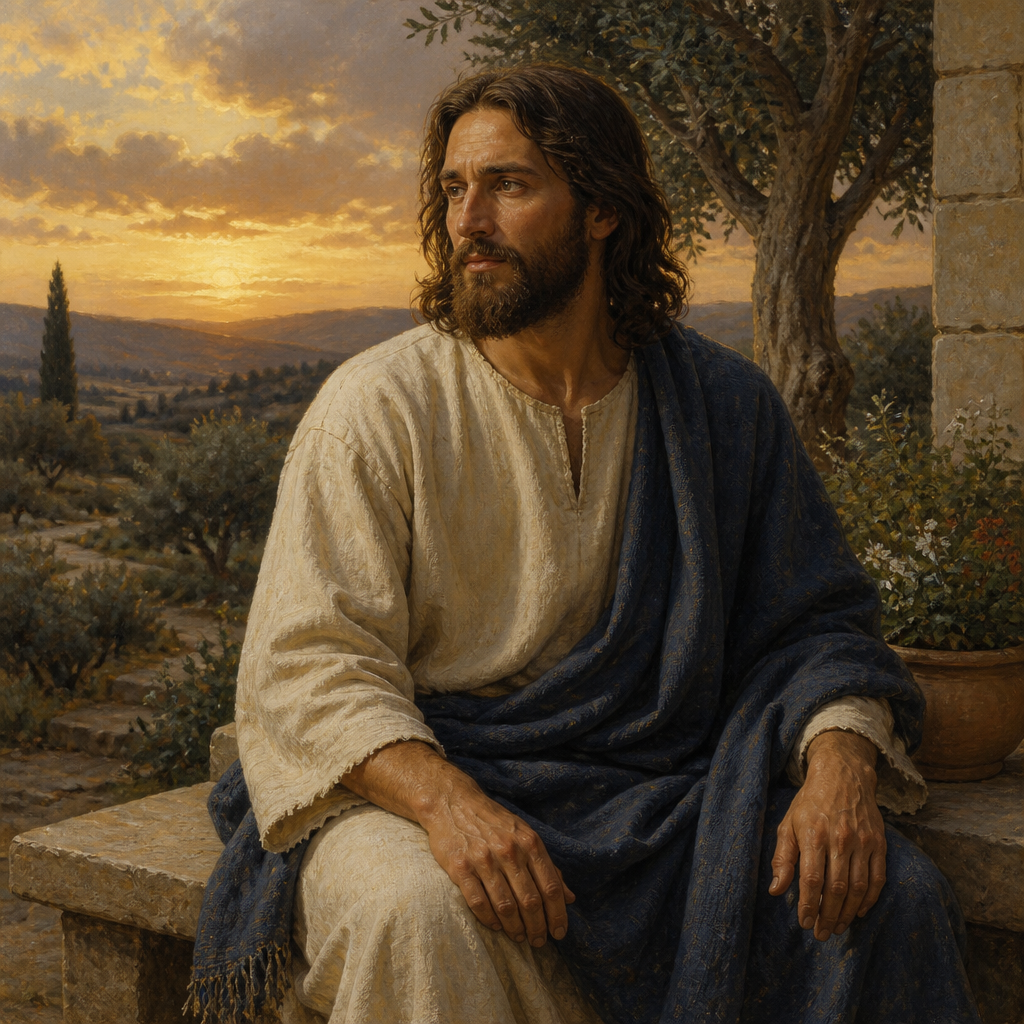
Jesus
Messiah and central figure of the New Testament whose life, death, and resurrection form the basis of the Christian faith
The central figure of the New Testament, Jesus was born of Mary in Bethlehem, performed numerous miracles, and was crucified under Pontius Pilate before rising from the dead.
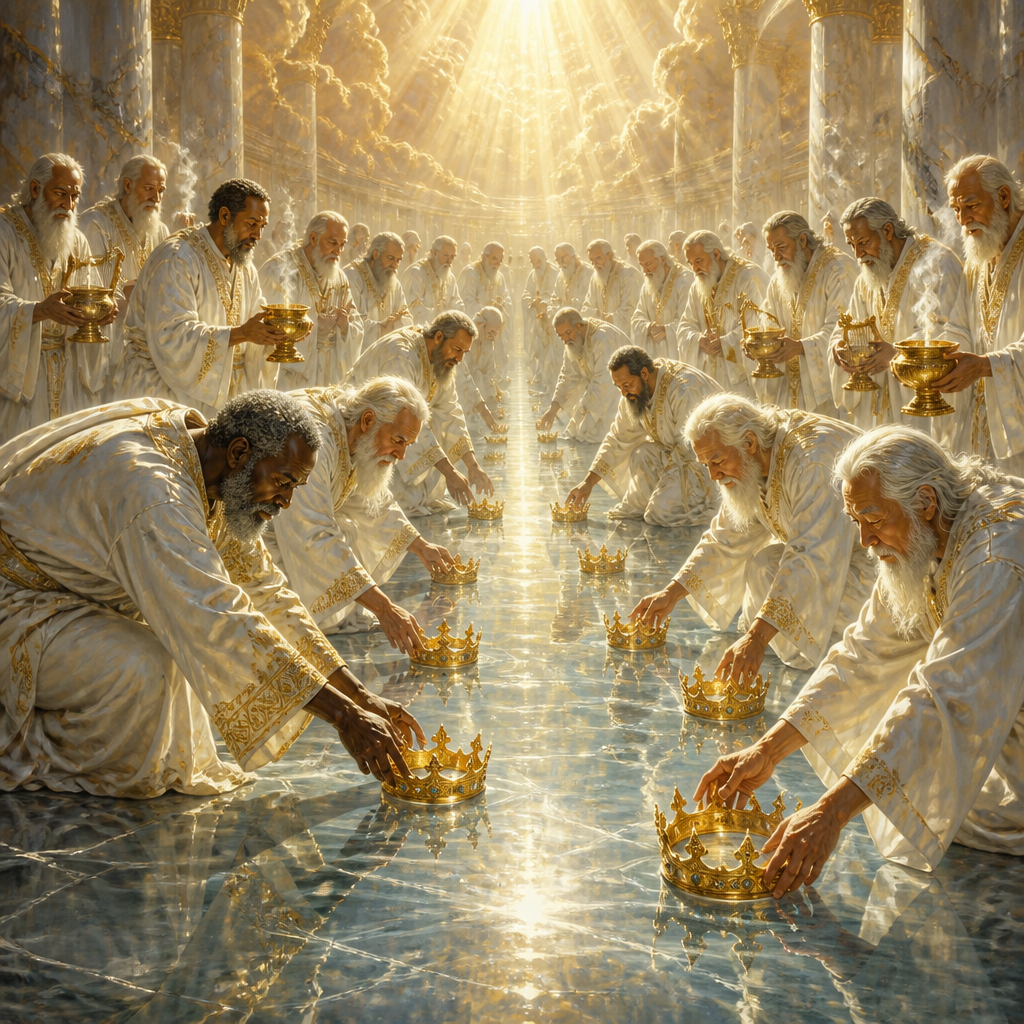
The Twenty-Four Elders
Twenty-four heavenly figures who worship God and hold the prayers of the saints in golden bowls
A group of heavenly beings seated on thrones around the throne of God who lead celestial worship and interpret visions for the Apostle John in the Book of Revelation.
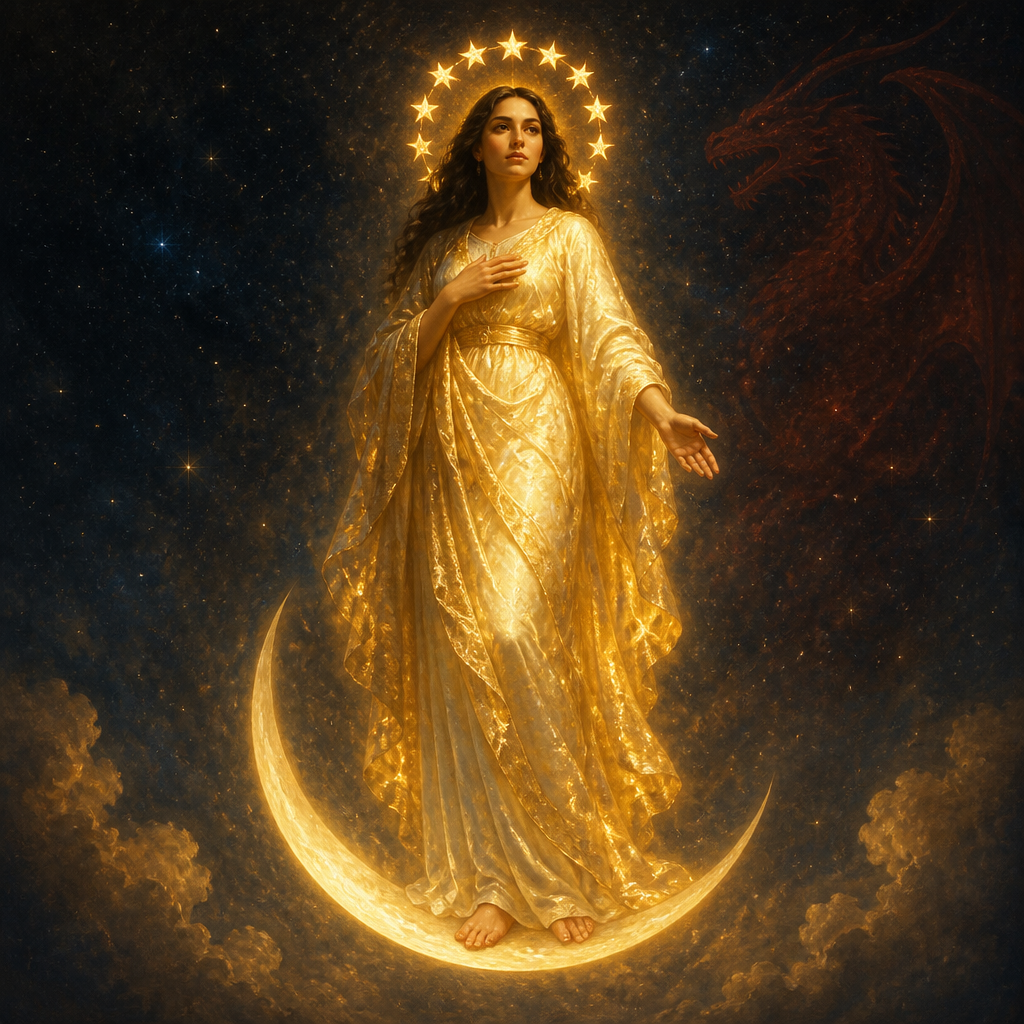
The Woman Clothed with the Sun
Visionary woman in Revelation who gives birth to the Messiah and is protected by God from a dragon
A celestial figure appearing in the Apostle John's vision representing a mother whose child is pursued by a dragon.
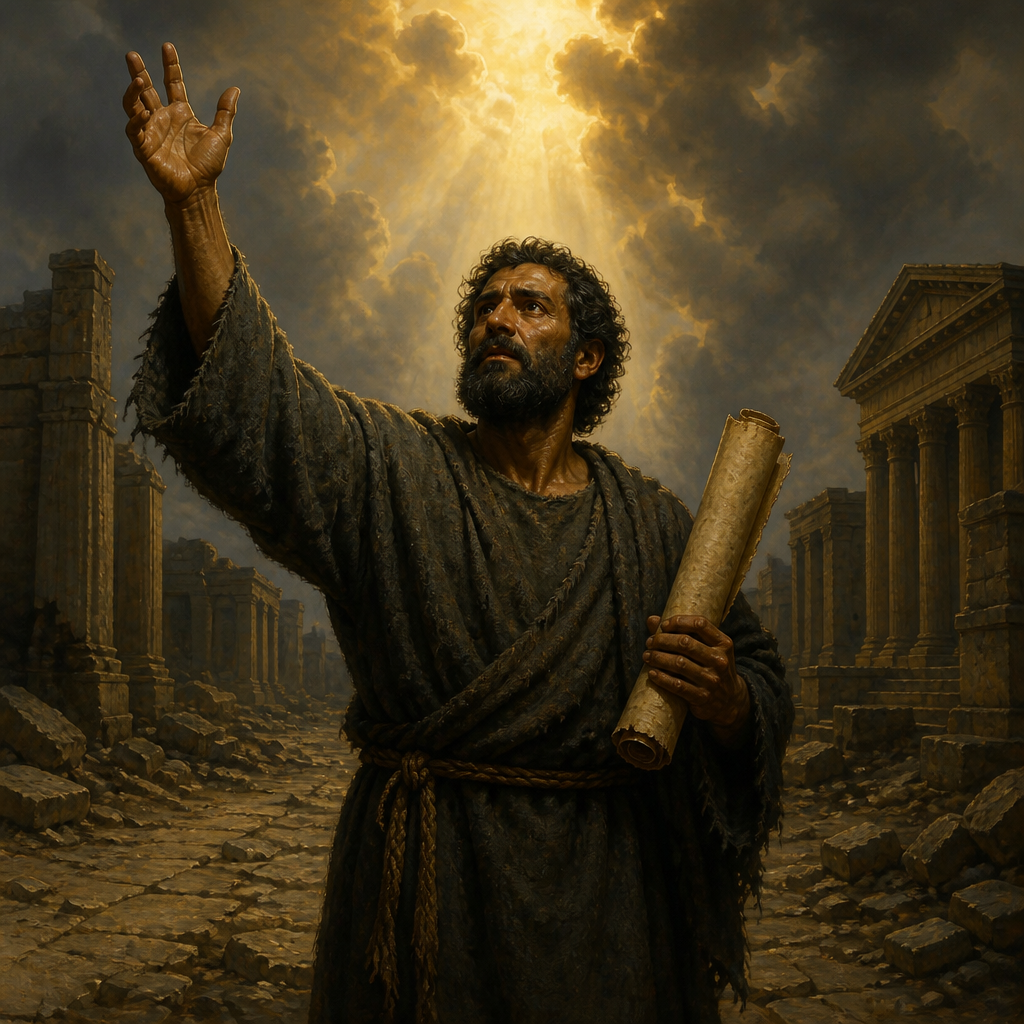
The Two Witnesses
Prophetic ministry in Revelation characterized by miracles, martyrdom, and resurrection
Prophetic figures described in the Book of Revelation who preach for 1,260 days, perform miracles, undergo martyrdom, and are resurrected.
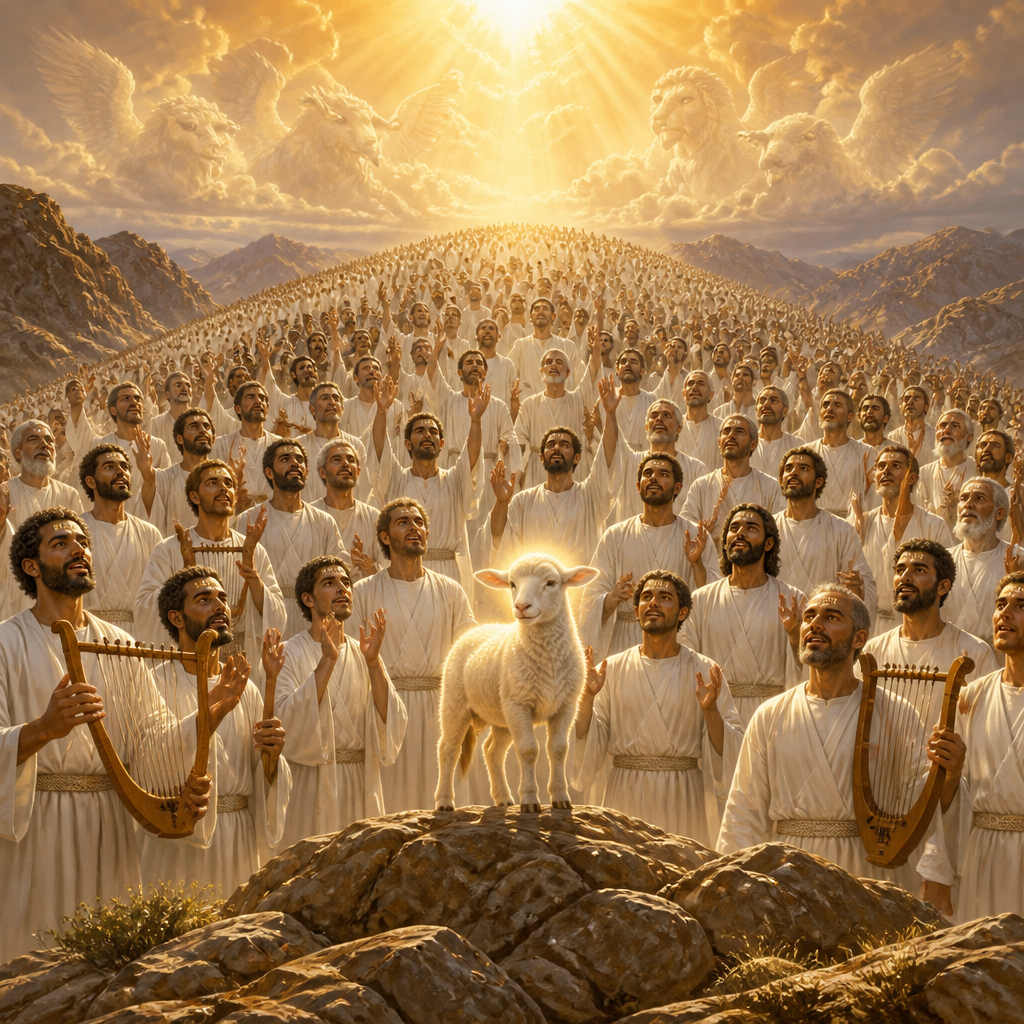
The 144,000
Group of 144,000 sealed Israelites who follow the Lamb on Mount Zion
A group of 144,000 sealed servants of God from the tribes of Israel who stand with the Lamb on Mount Zion in the visions of Revelation.
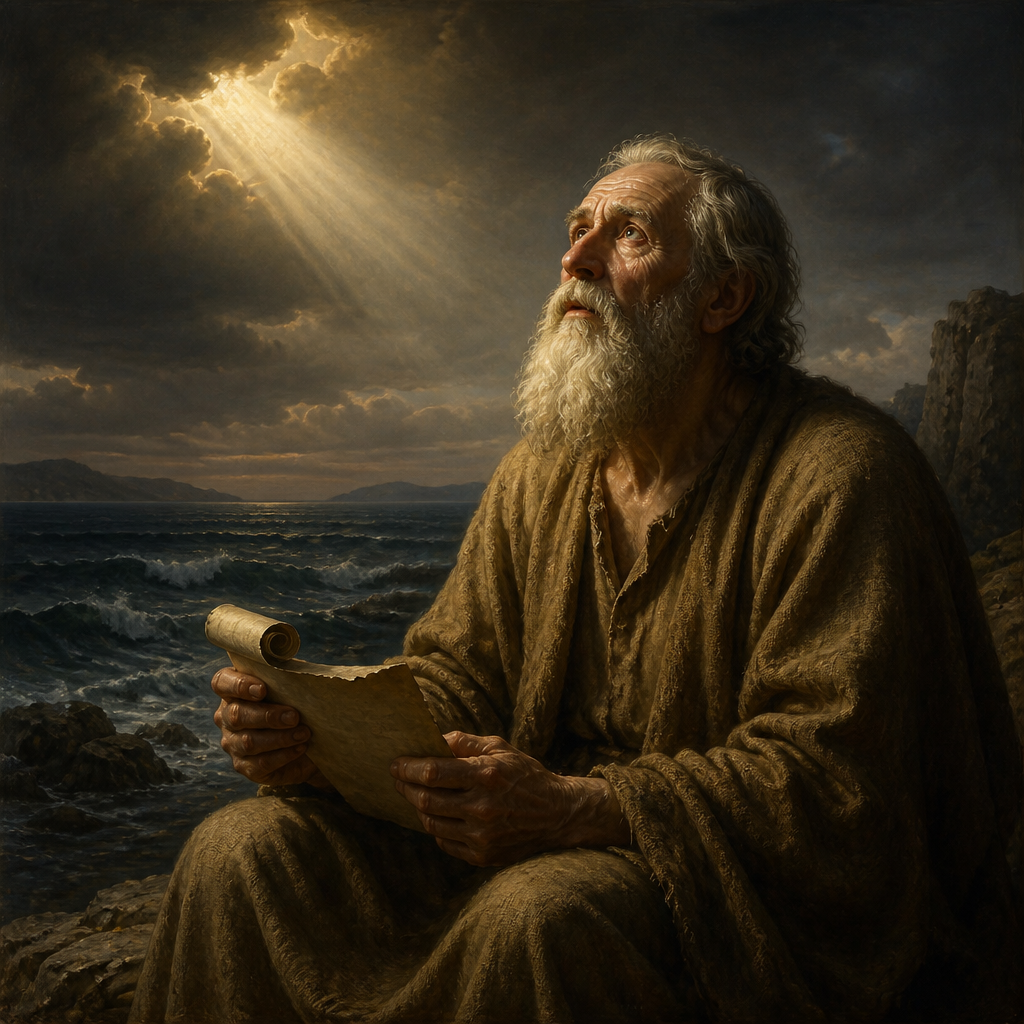
John, Son of Zebedee and Apostle
Apostle and brother of James who received the visions of Revelation
One of the twelve apostles of Jesus, a son of Zebedee, and a key leader in the early Church who received the vision recorded in Revelation.
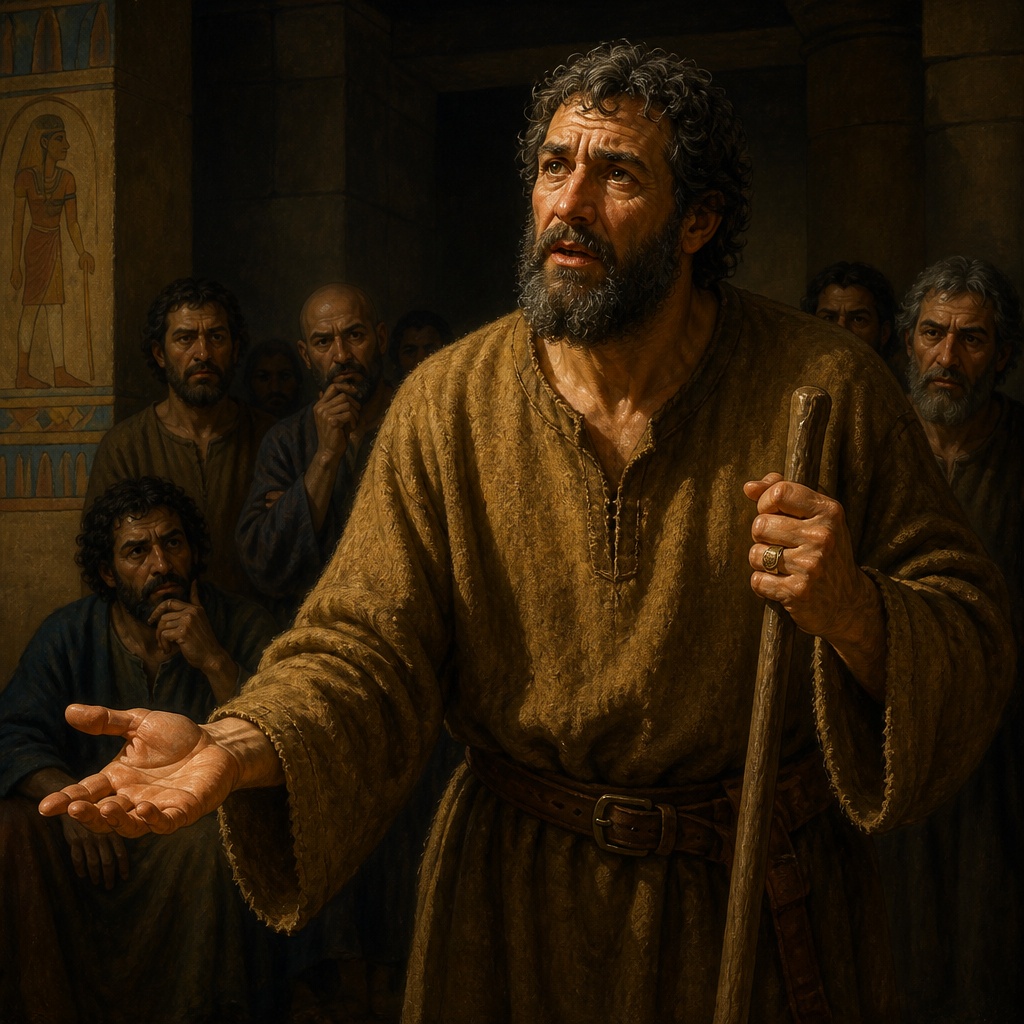
Judah, Son of Jacob
Patriarch who received the blessing of the scepter and whose lineage produced King David and Jesus Christ
The fourth son of Jacob and Leah, ancestor of the Tribe of Judah and the Davidic line, known for his leadership and pivotal role in the preservation of his family.
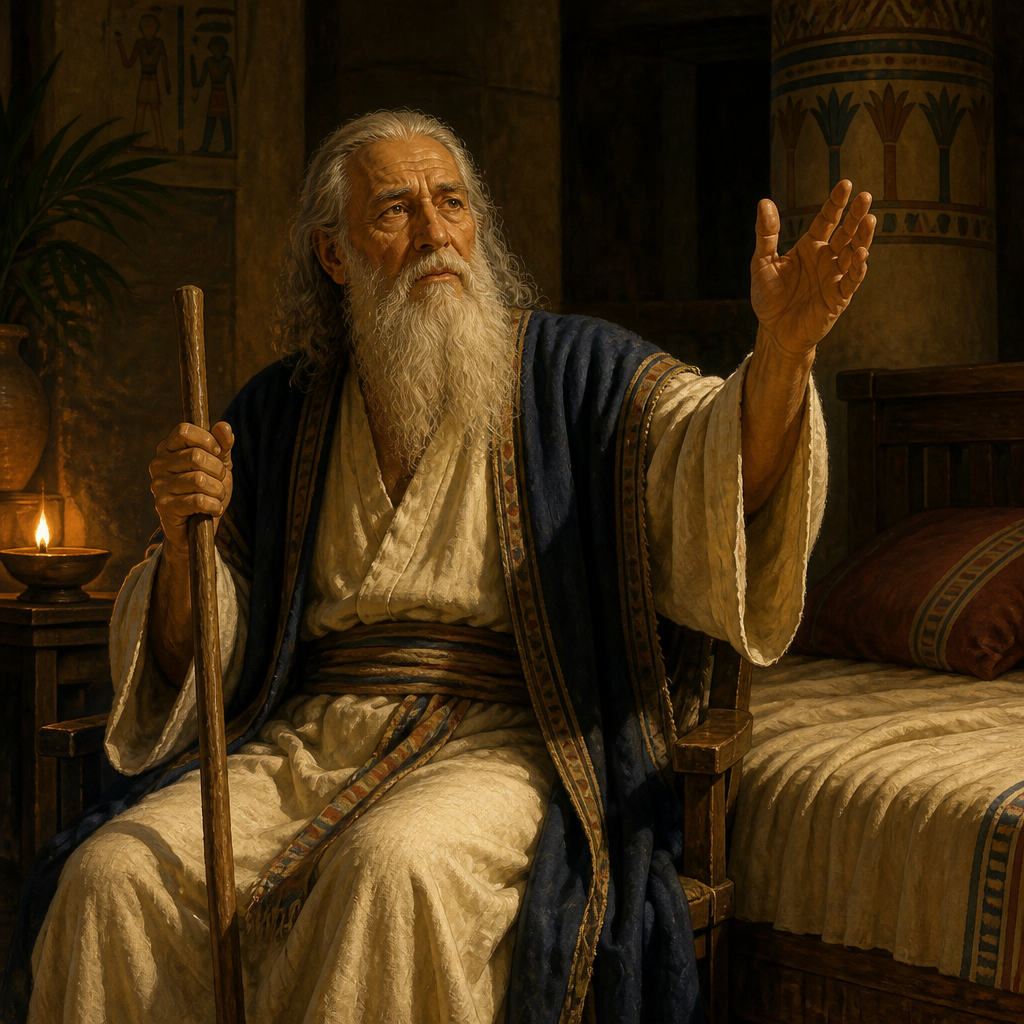
Israel
Patriarch who wrestled with God and fathered the twelve tribes
The third patriarch of the covenant, formerly known as Jacob, who received his name after wrestling with God and became the father of the twelve tribes.
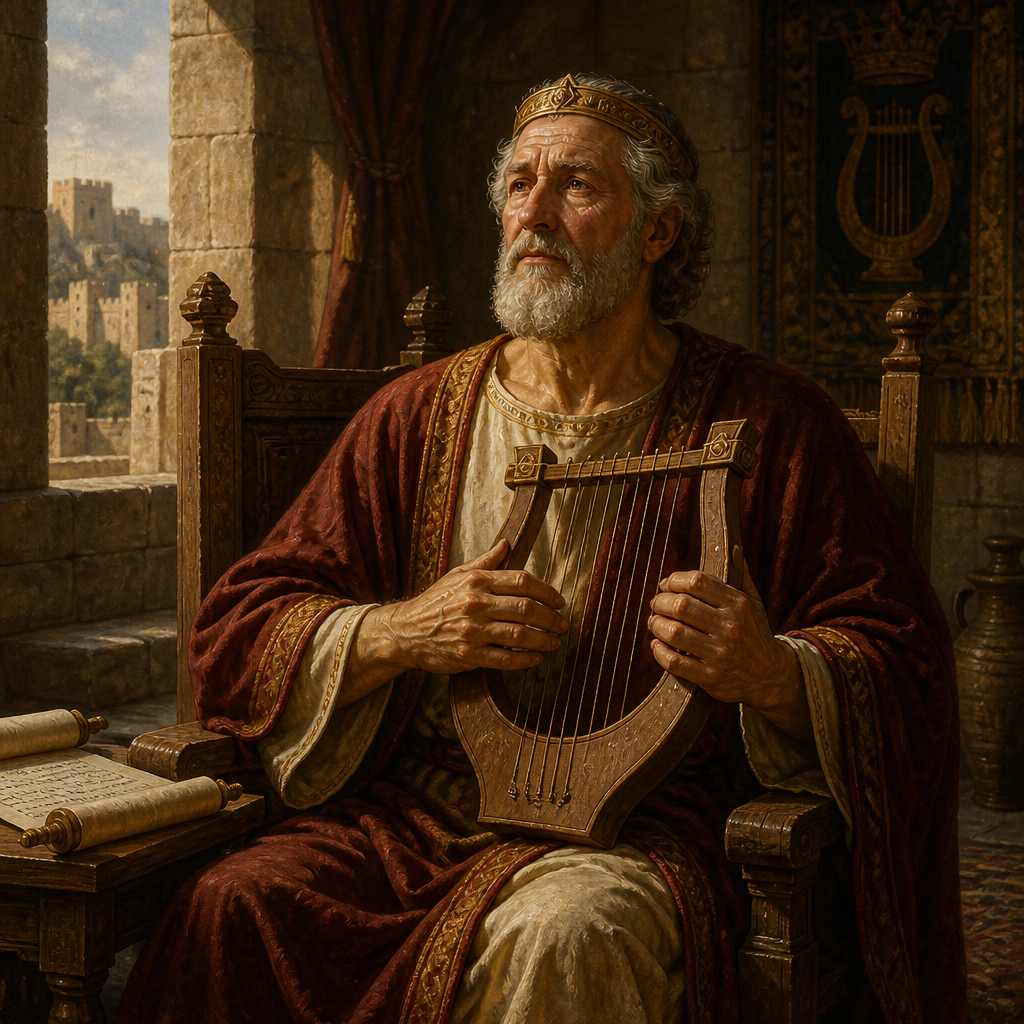
David
King of Israel who defeated Goliath and established the Davidic dynasty
The second king of the United Monarchy of Israel, a shepherd-warrior and psalmist known as a man after God's own heart.
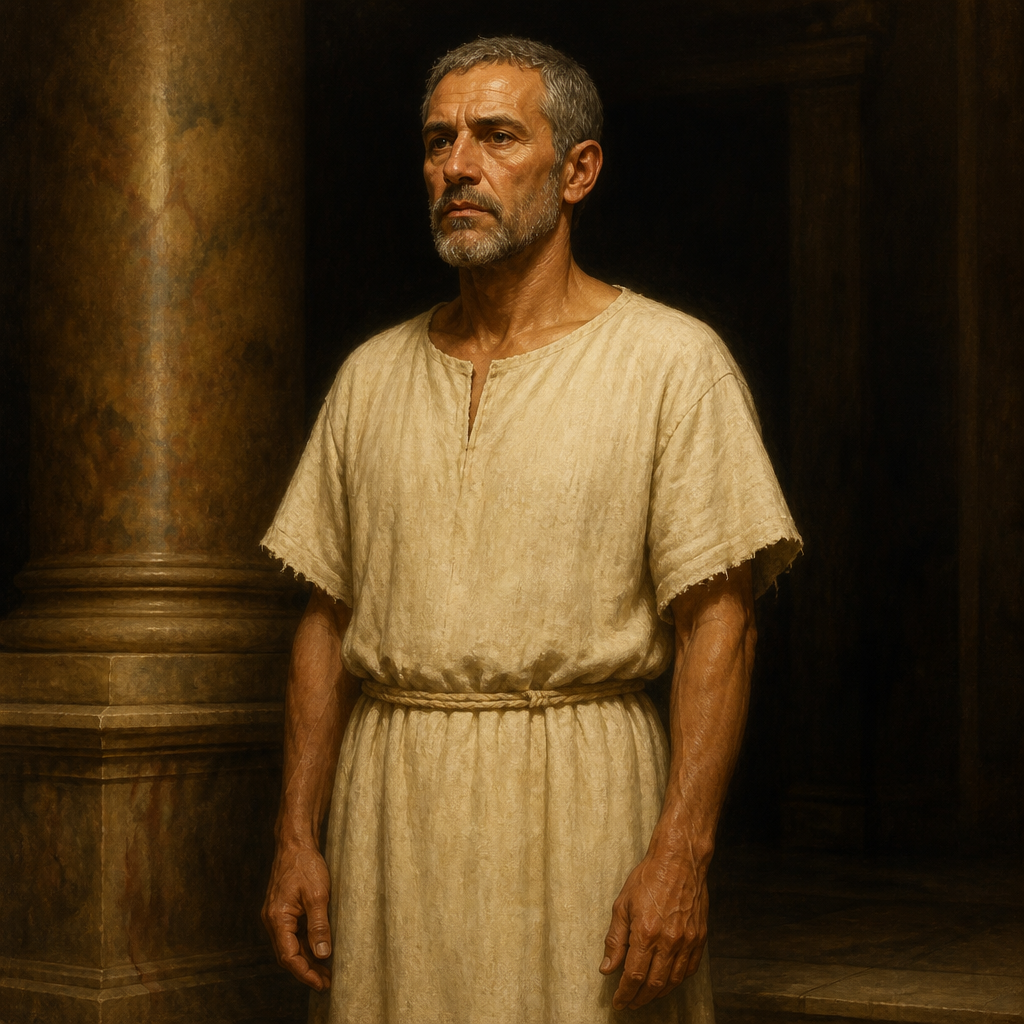
Antipas
Martyr of Pergamum called a faithful witness by Jesus
A faithful Christian martyr of Pergamum who was commended by Jesus Christ in the Book of Revelation.
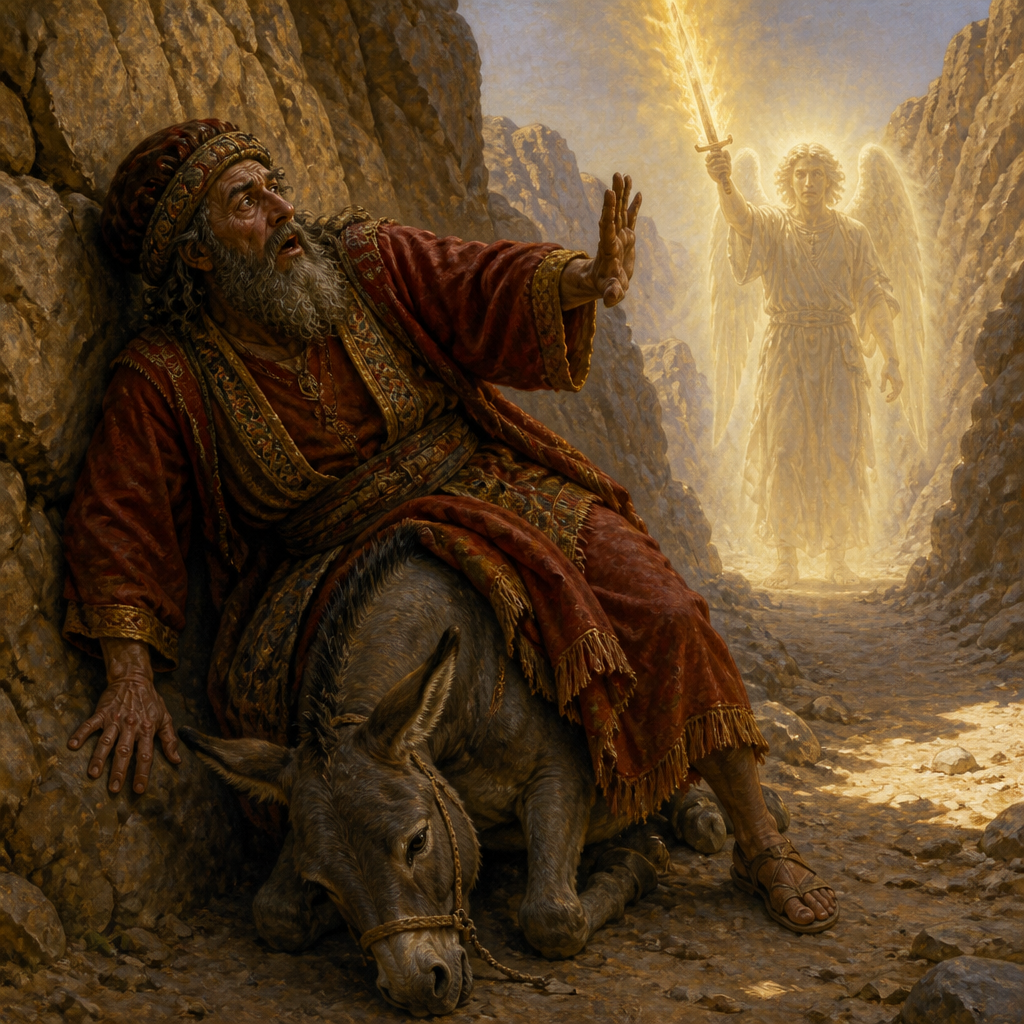
Balaam
Diviner who was hired to curse Israel but blessed them instead
A non-Israelite diviner and son of Beor who, despite hearing the voice of God, attempted to curse Israel for profit and later led them into apostasy.
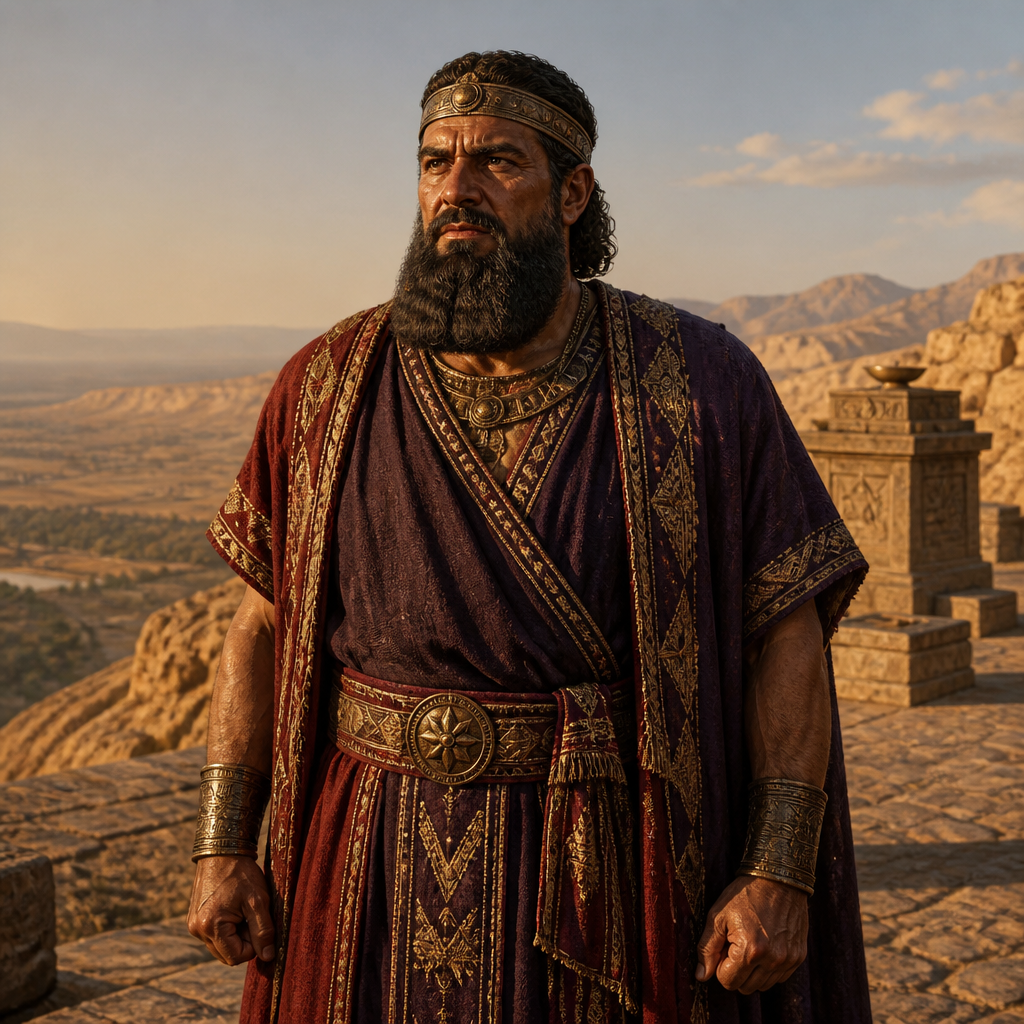
Balak
King of Moab who hired Balaam to curse the Israelites during their wilderness wanderings
The King of Moab who attempted to protect his kingdom from the advancing Israelites by hiring the prophet Balaam to curse them.
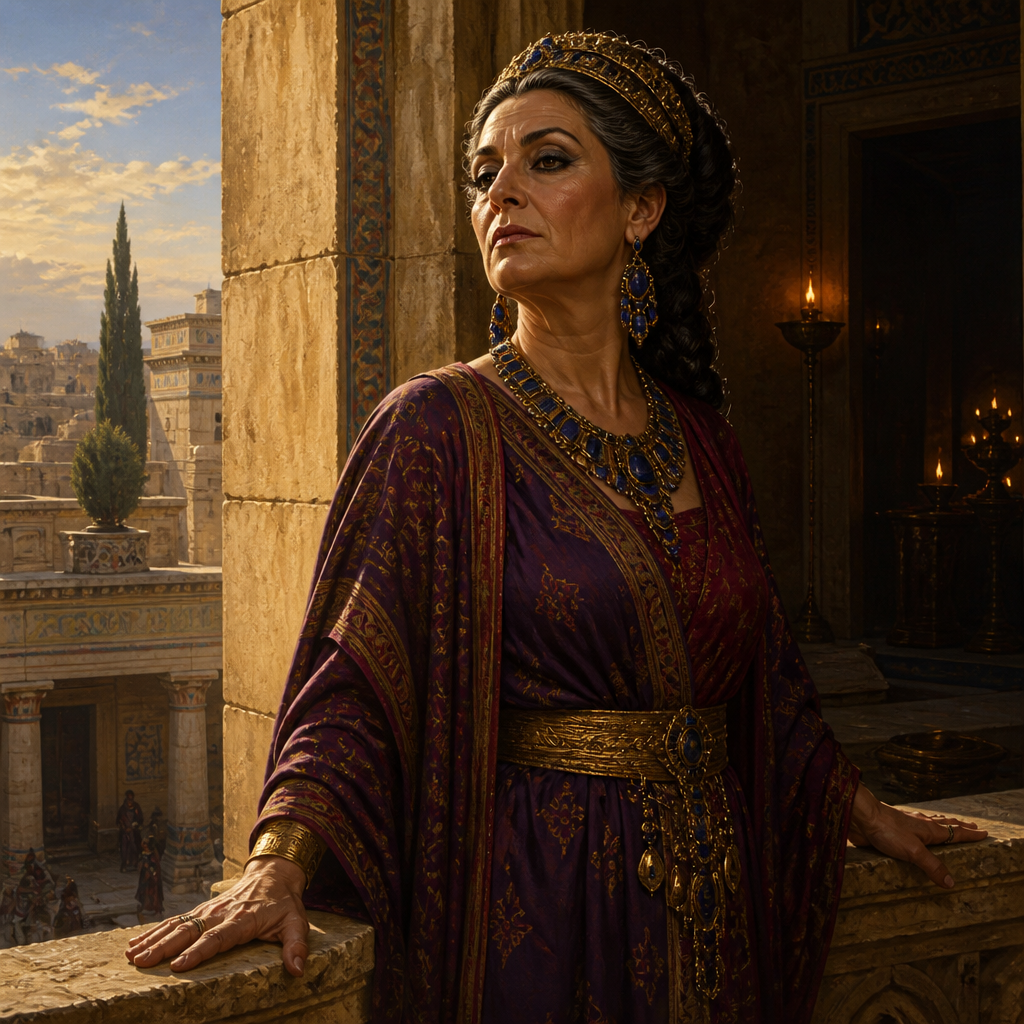
Jezebel
Queen of Israel who persecuted the prophets and promoted Baal worship
The Phoenician queen of Israel and wife of Ahab who systematically persecuted Yahweh's prophets and promoted the state worship of Baal.
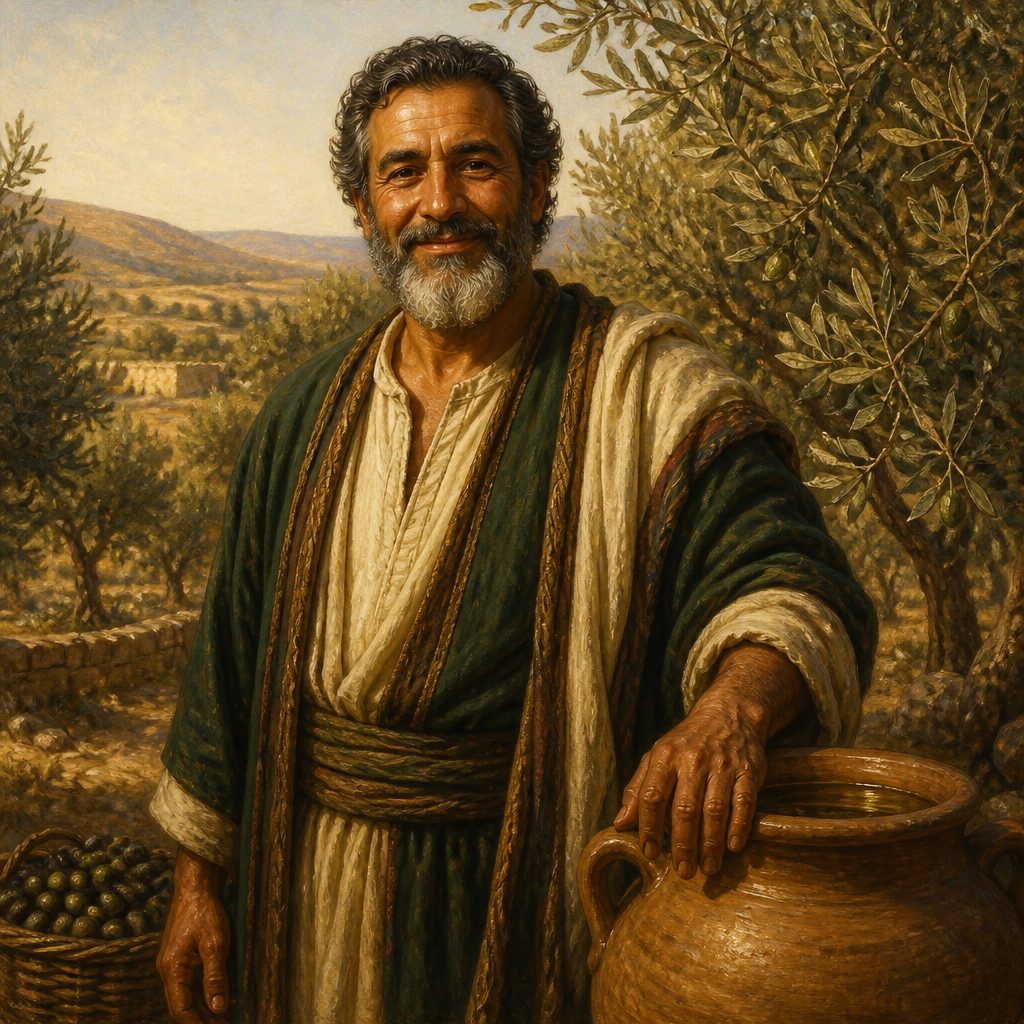
Asher
Patriarch who founded one of the twelve tribes of Israel and was noted for the fertility of his land
Asher was the eighth son of Jacob, the second born to Zilpah, and the ancestral patriarch of the Tribe of Asher, known for the fertile lands and prosperity promised in his father's blessing.
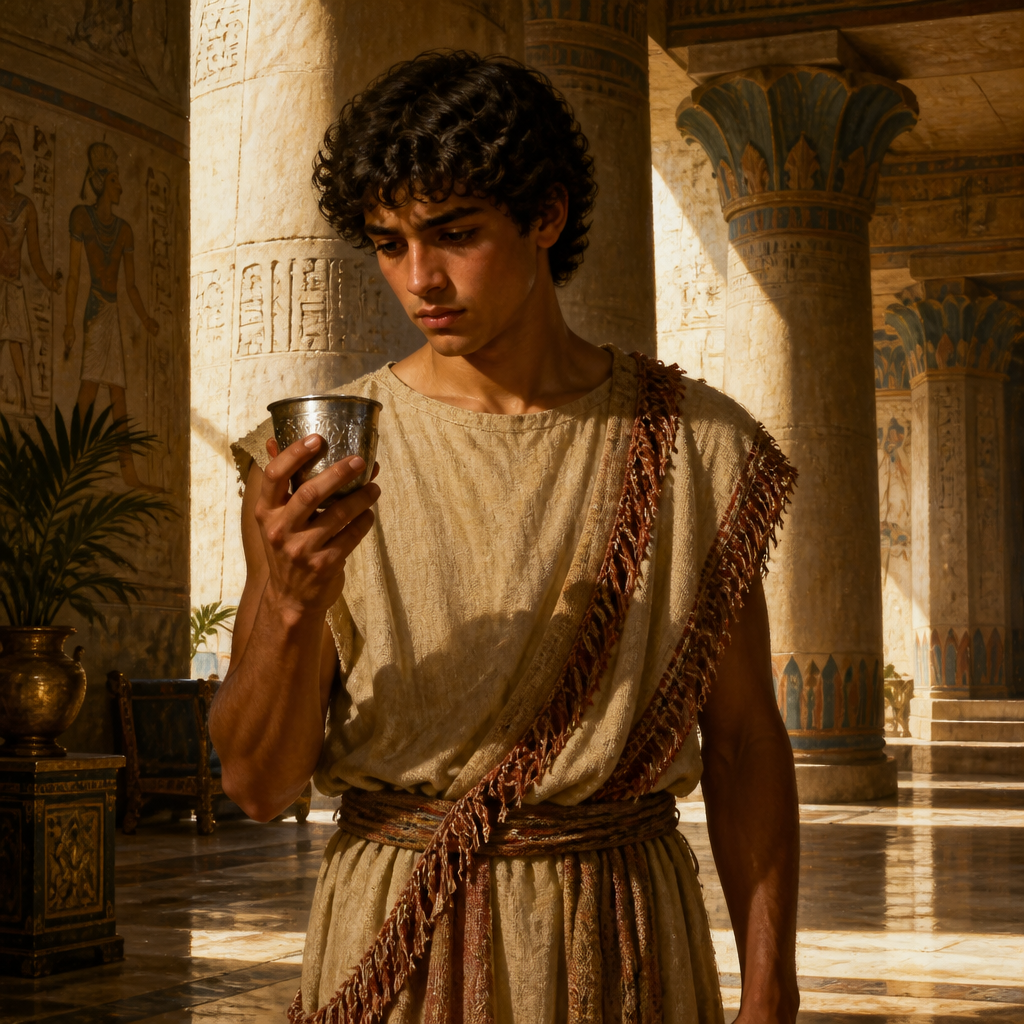
Benjamin, Son of Jacob
Youngest son of Jacob and the full brother of Joseph whose presence in Egypt led to his family's reconciliation
The youngest son of Jacob and Rachel, Benjamin was the beloved patriarch of one of the twelve tribes of Israel and a central figure in the narrative of Joseph's rise in Egypt.
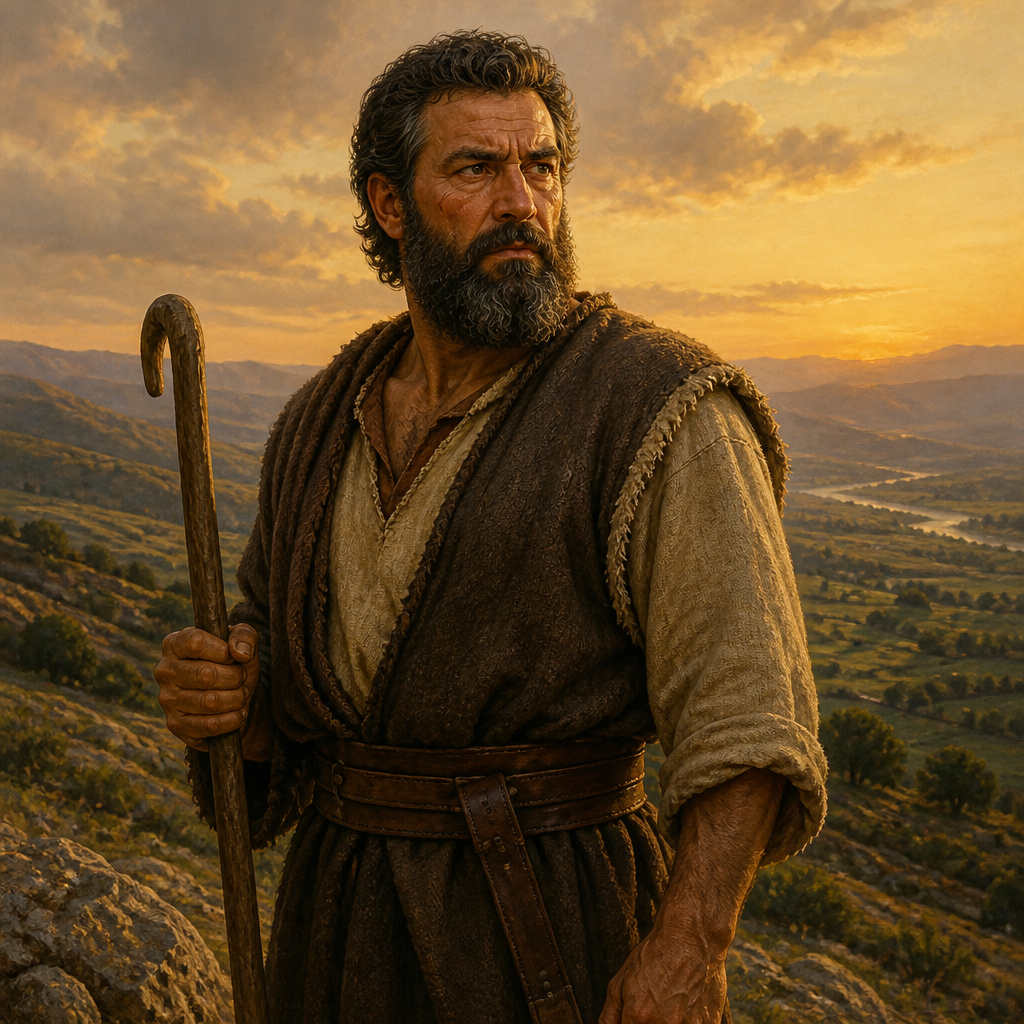
Gad, Son of Jacob
Seventh son of Jacob and founder of the warrior tribe of Gad
The seventh son of Jacob and the firstborn of Zilpah, Gad was a patriarch of Israel whose descendants became a warrior tribe known for their courage and inheritance east of the Jordan River.
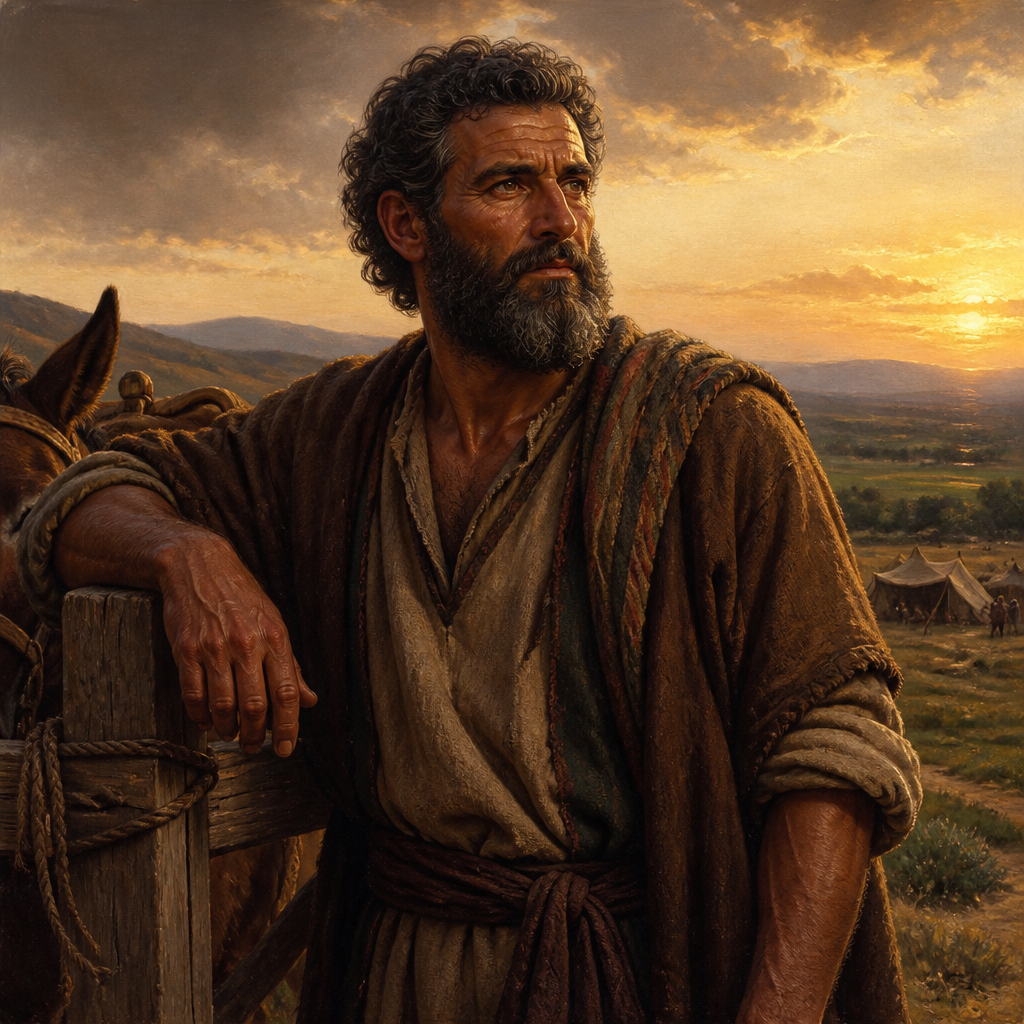
Issachar, Ninth Son of Jacob
Ninth son of Jacob and the progenitor of the Tribe of Issachar
The ninth son of Jacob and the fifth born to Leah, Issachar was a patriarch whose descendants formed one of the prominent twelve tribes of Israel.
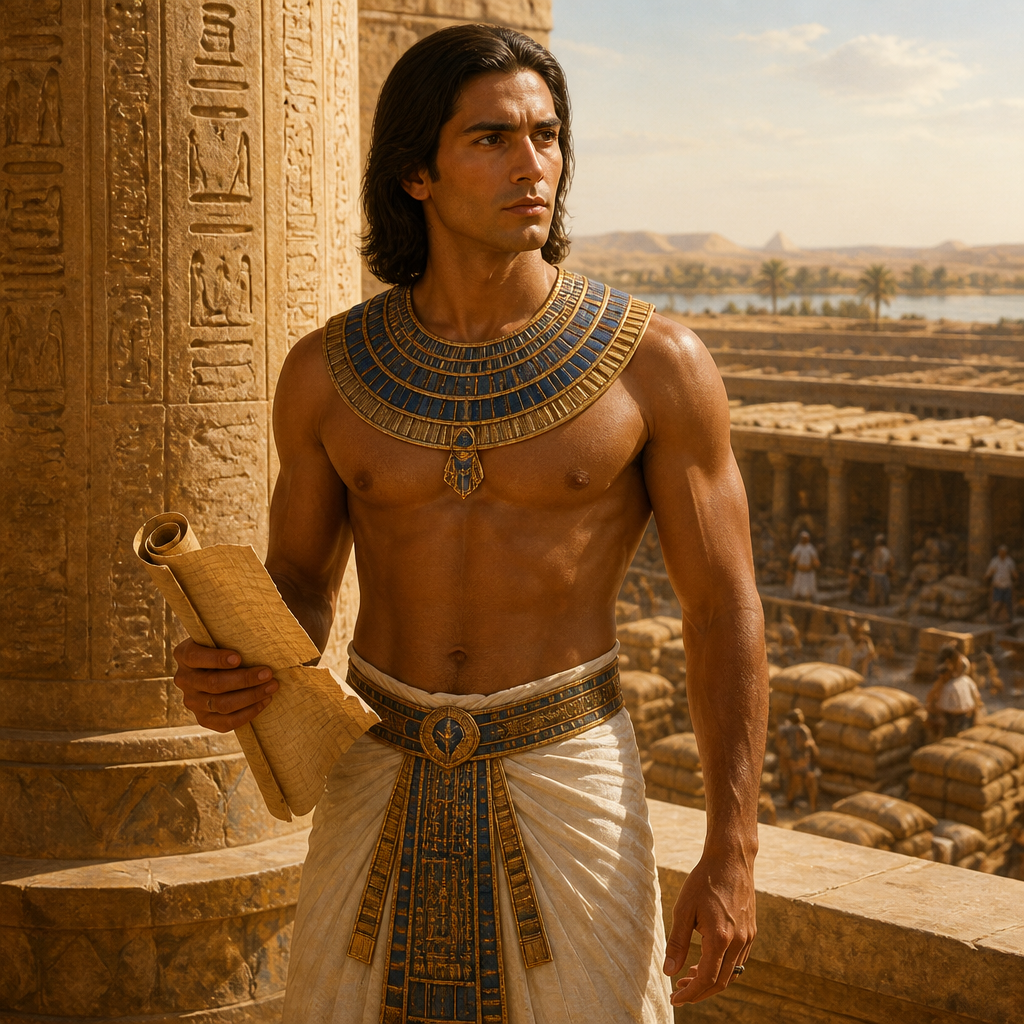
Joseph, Son of Jacob
Patriarch who was sold into slavery and rose to become the second most powerful man in Egypt
The favored son of Jacob who, after being sold into slavery by his brothers, rose to become the Grand Vizier of Egypt and preserved the lineage of Israel during a regional famine.
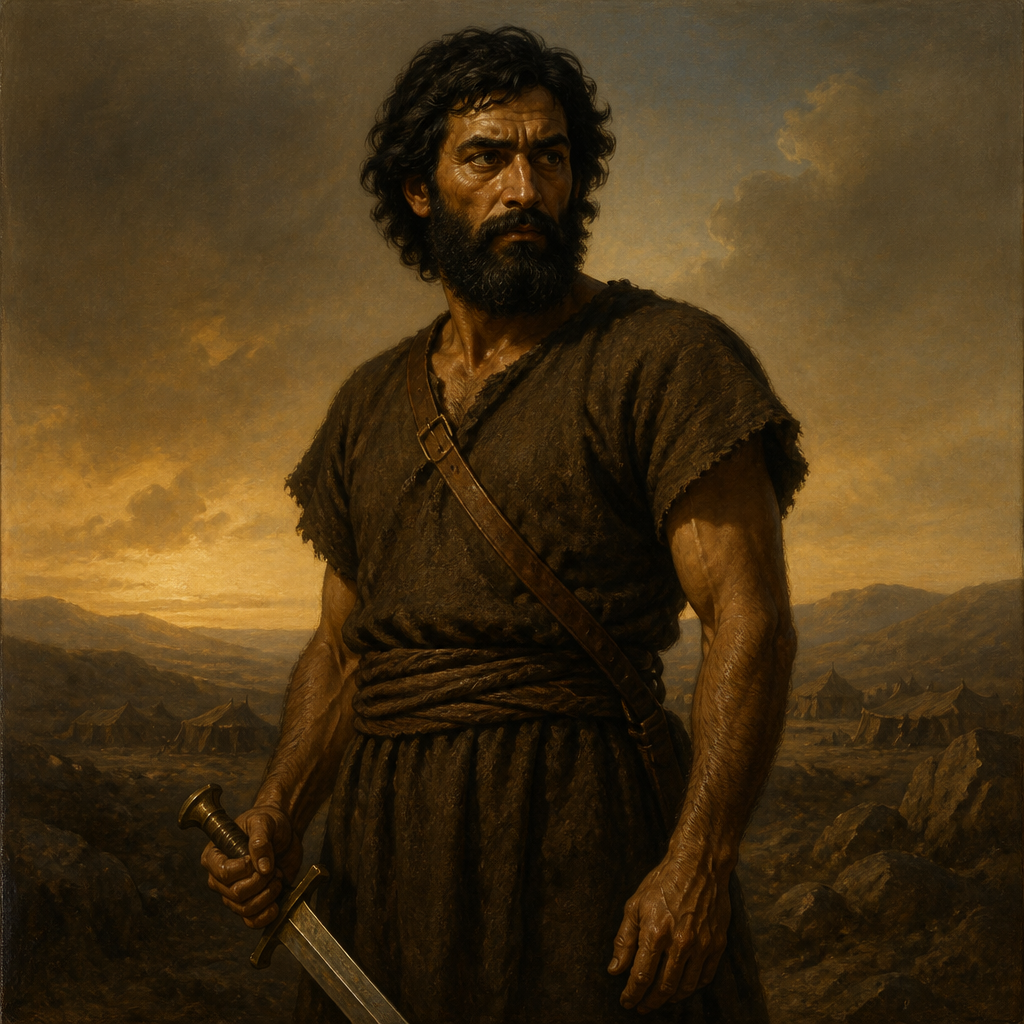
Levi, Son of Jacob
Patriarch of the priestly tribe and participant in the massacre at Shechem
The third son of Jacob and Leah, a patriarch whose descendants were set apart as the priestly and ministerial class for the nation of Israel.
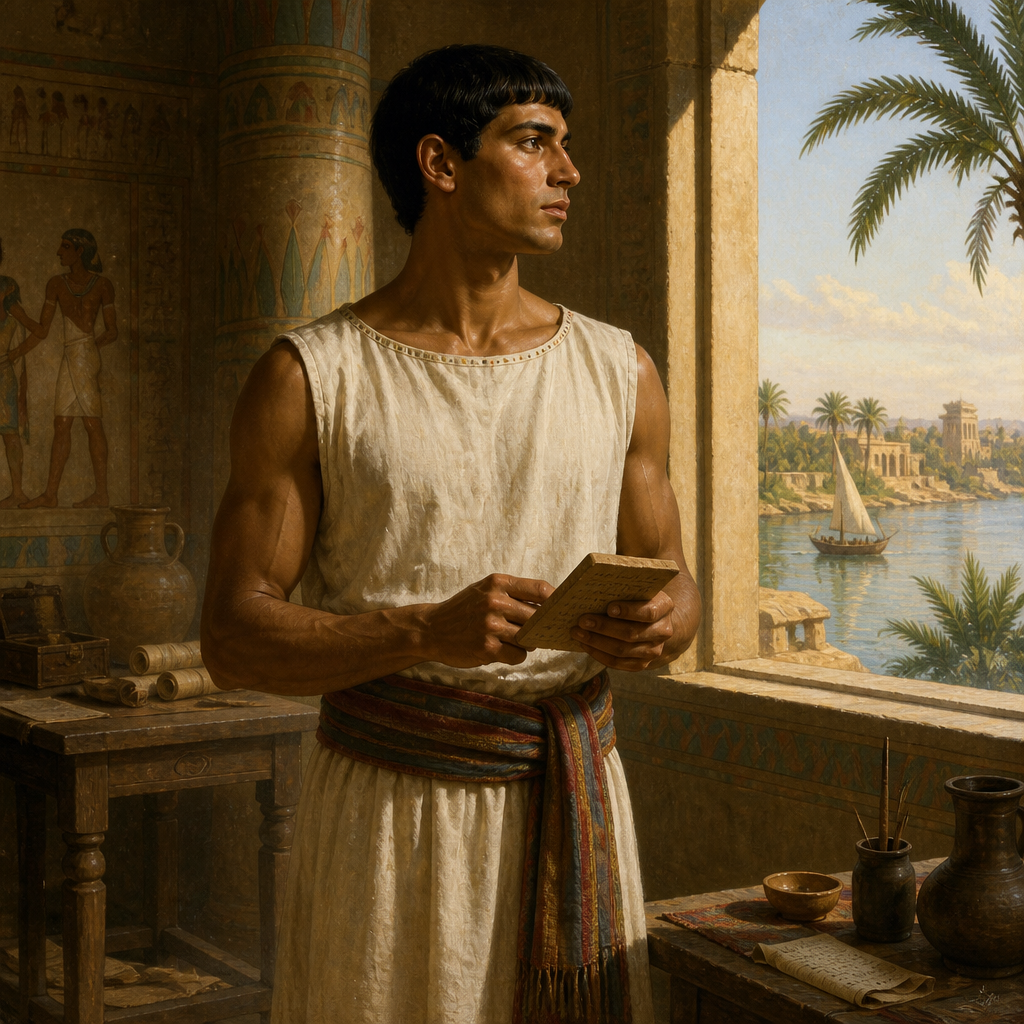
Manasseh, Son of Joseph
Firstborn son of Joseph whose grandfather Jacob crossed his hands to give the younger brother the primary blessing
The firstborn son of Joseph and Asenath, Manasseh became the progenitor of one of the largest and most strategically positioned tribes of Israel.
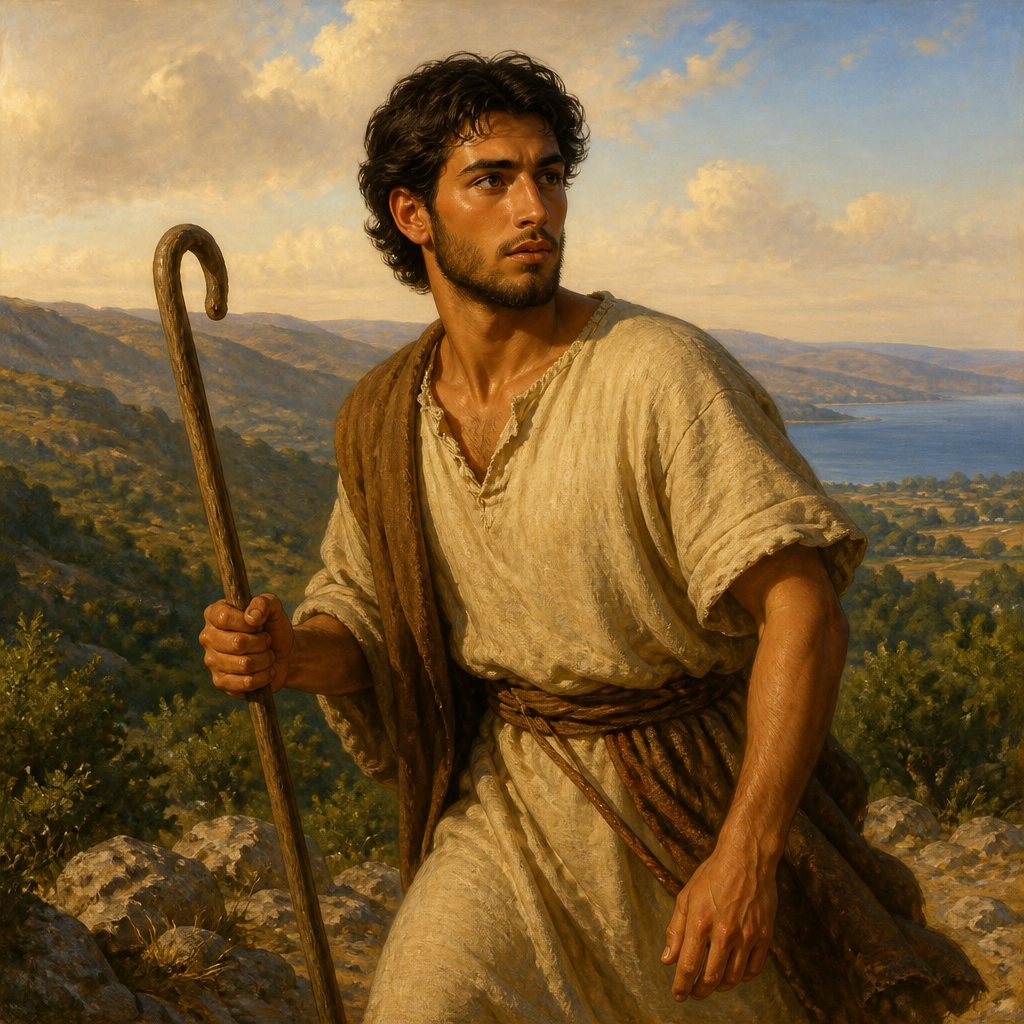
Naphtali
Patriarch of one of the twelve tribes of Israel and sixth son of Jacob
The sixth son of Jacob and second son of Bilhah, whose descendants formed one of the twelve tribes of Israel in the fertile northern Galilee region.
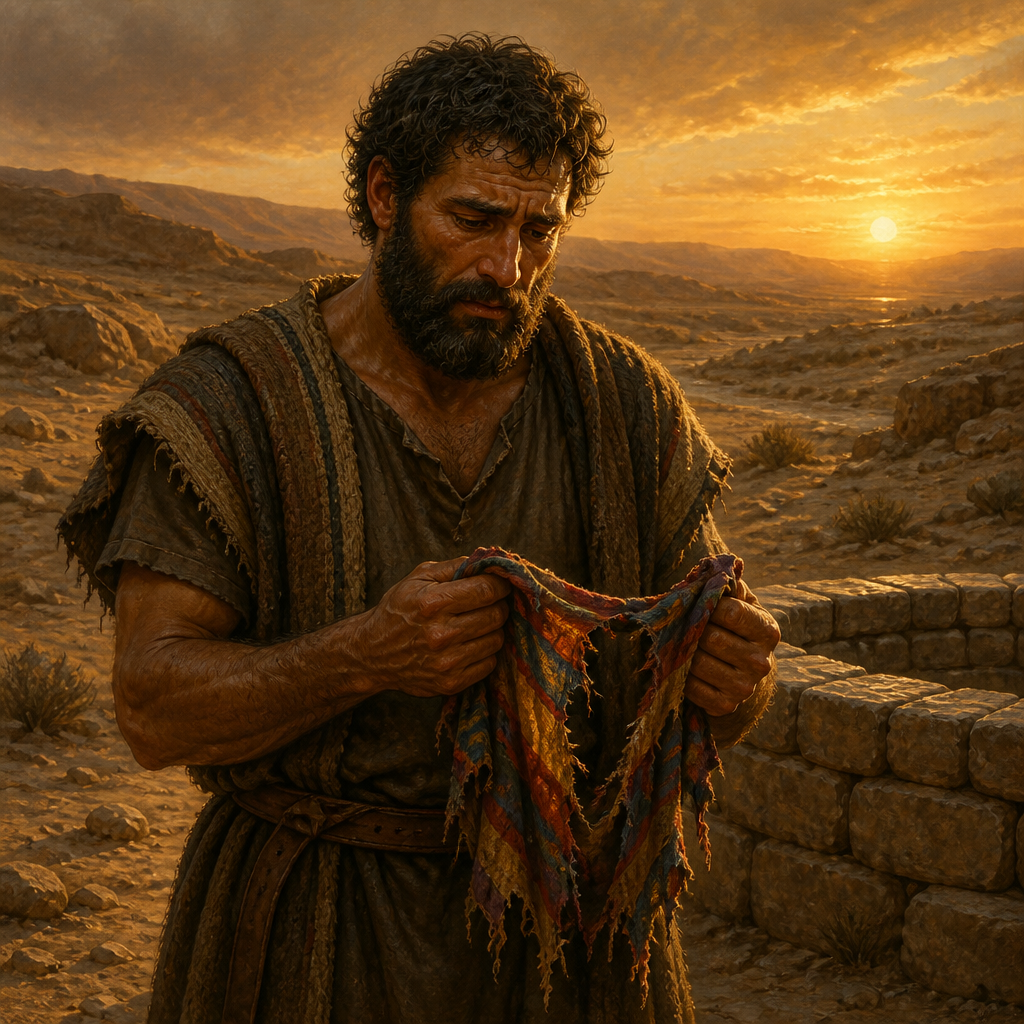
Reuben
Firstborn son of Jacob who lost his birthright for defiling his father's bed
Reuben was the firstborn son of Jacob and Leah, the founding patriarch of the Tribe of Reuben, and a complex figure known for both his attempts to save Joseph and his loss of the birthright.
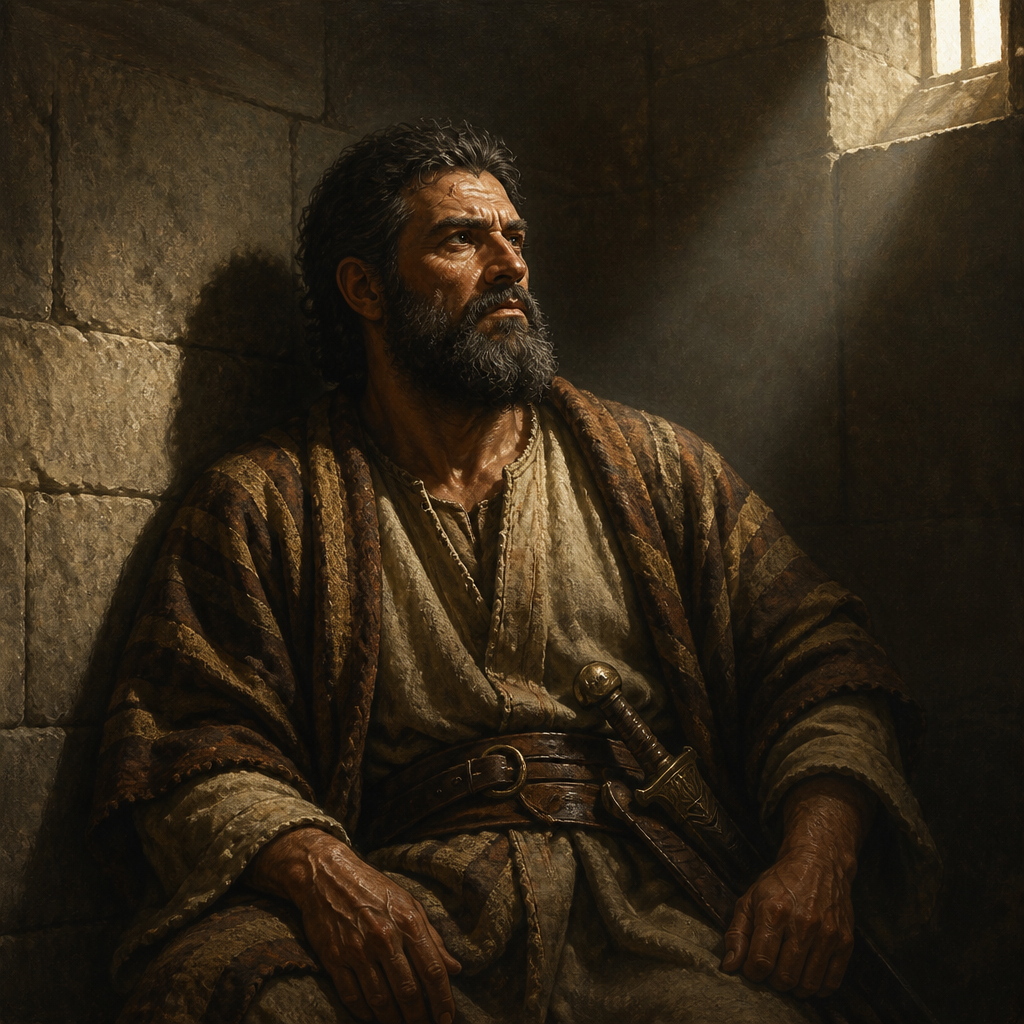
Simeon, Son of Jacob
Patriarch of Israel known for his role in the massacre at Shechem and being held hostage by Joseph in Egypt
Simeon was the second son of Jacob and Leah, a founding patriarch of Israel known for his volatile temperament and the eventual dispersal of his tribe within Judah.
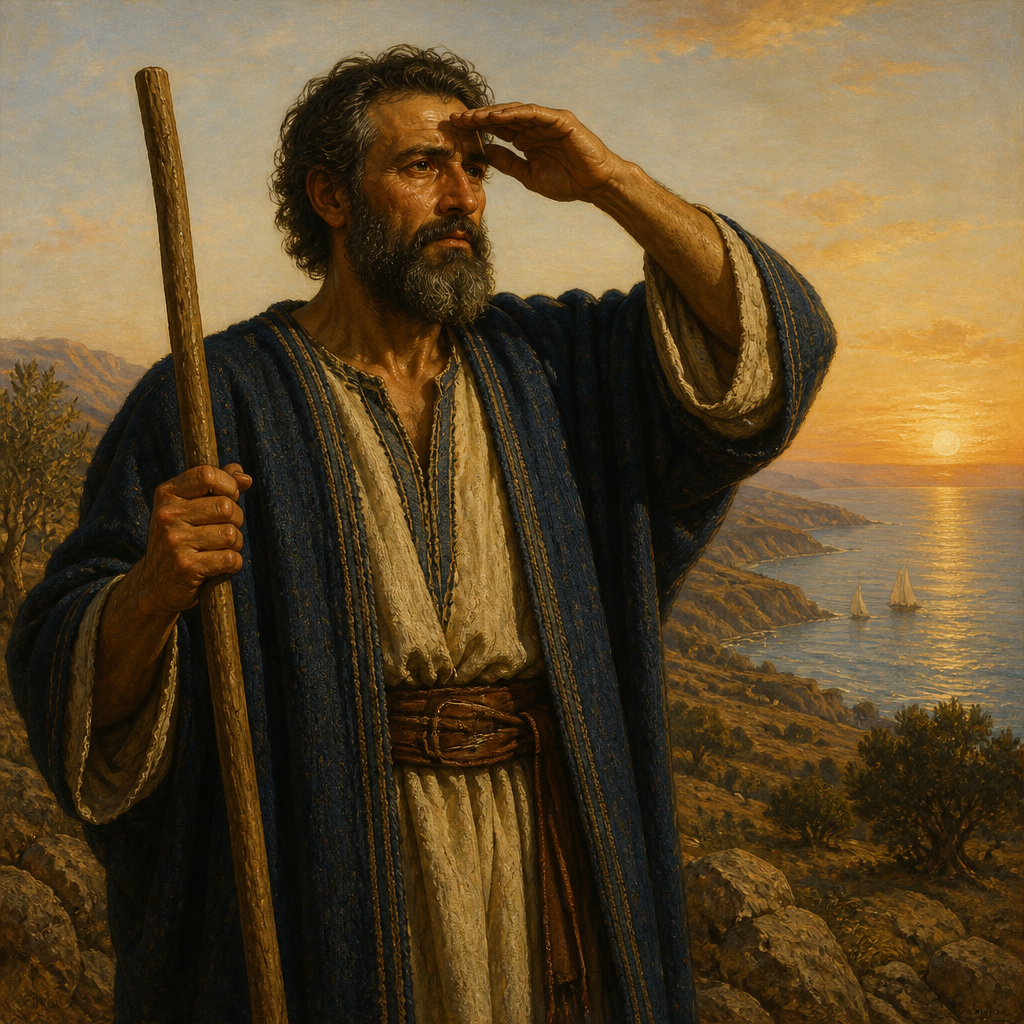
Zebulun
Tenth son of Jacob and founder of the tribe associated with maritime commerce and the region of Galilee
Zebulun was the tenth son of Jacob and the sixth and final son born to Leah, serving as the eponymous patriarch of one of the twelve tribes of Israel.
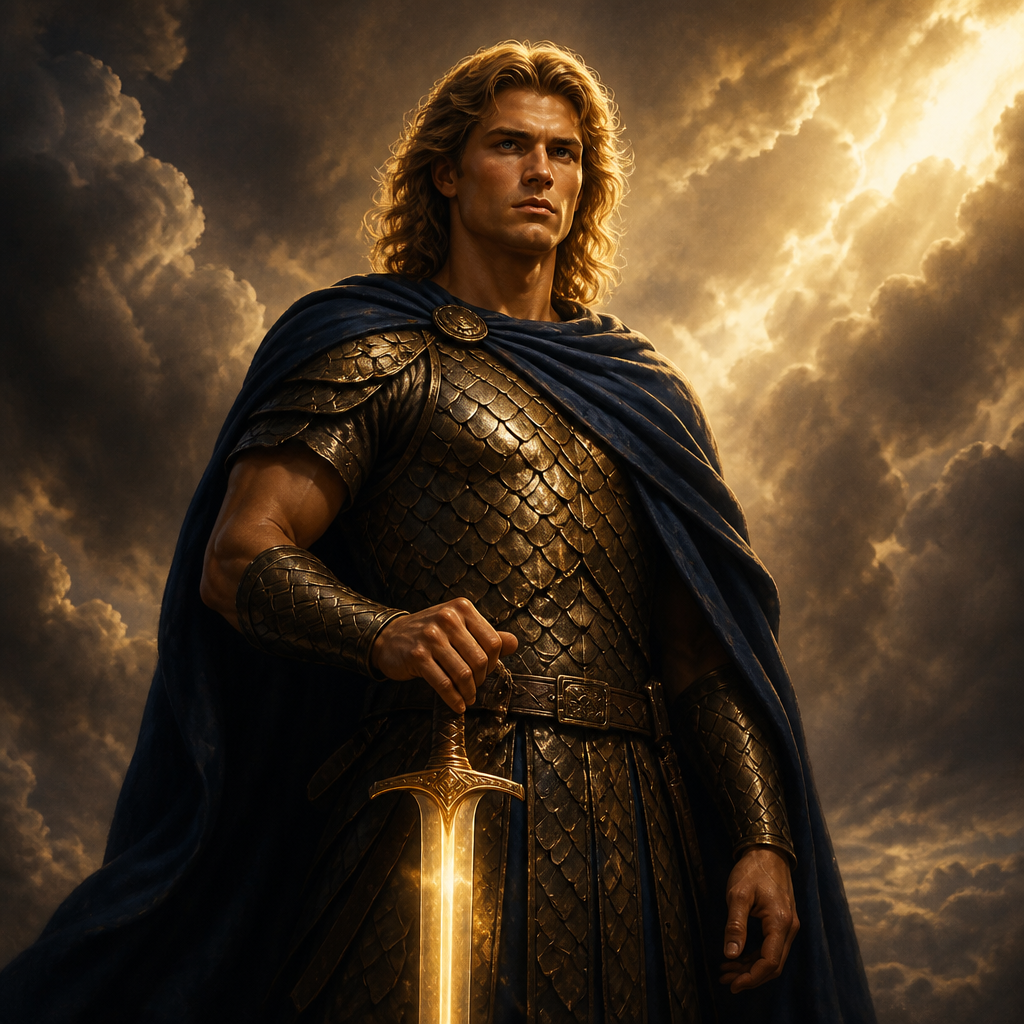
Michael, the Chief Prince
Archangel who leads the heavenly host and protects the people of Israel
A celestial prince and archangel who serves as the spiritual guardian of Israel and leader of the heavenly armies against spiritual forces.
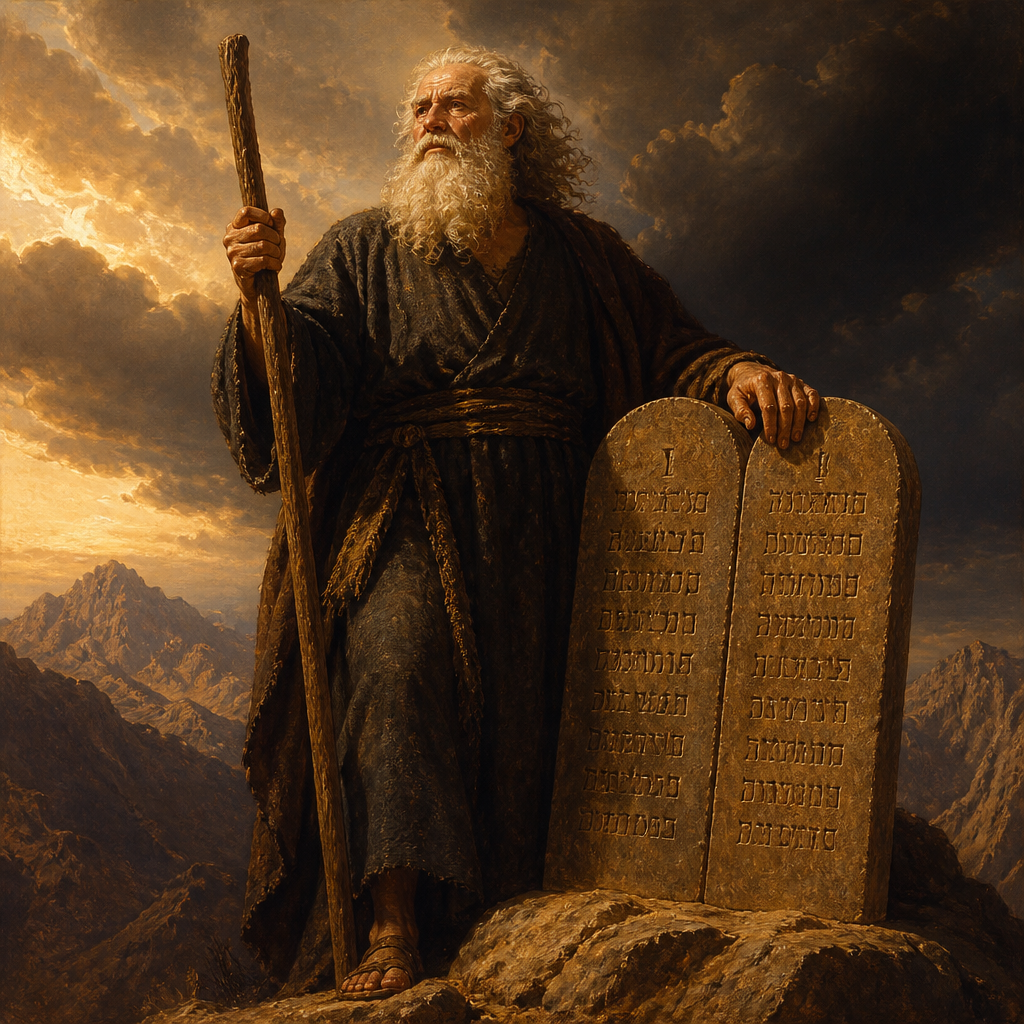
Moses
Prophet who led the Israelites out of Egypt and received the Ten Commandments
The preeminent prophet and lawgiver of Israel who led the Hebrews out of Egyptian bondage and mediated the Covenant at Mount Sinai.
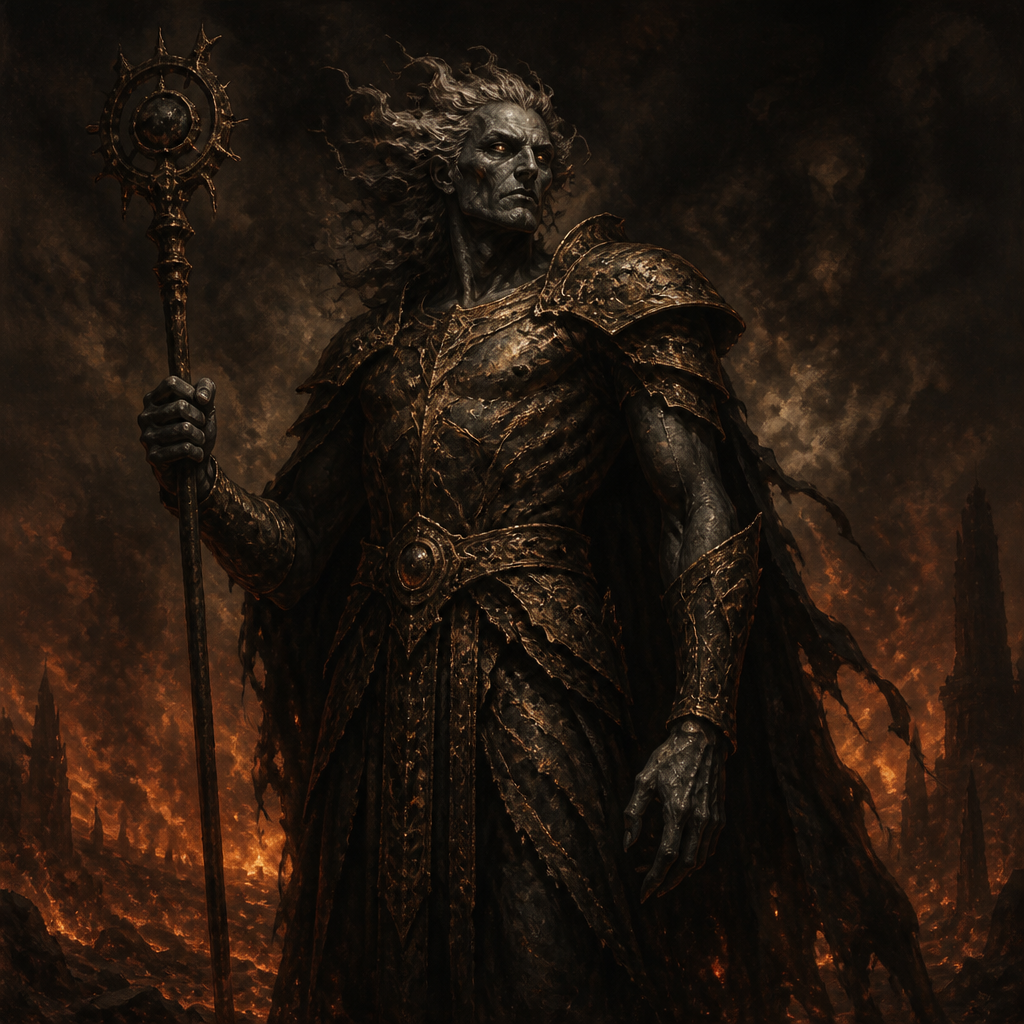
Abaddon
Angel of the bottomless pit who leads an army of supernatural locusts during the end-times tribulation
Abaddon is an angelic being described in the Book of Revelation as the king of a demonic locust swarm and the angel of the bottomless pit.
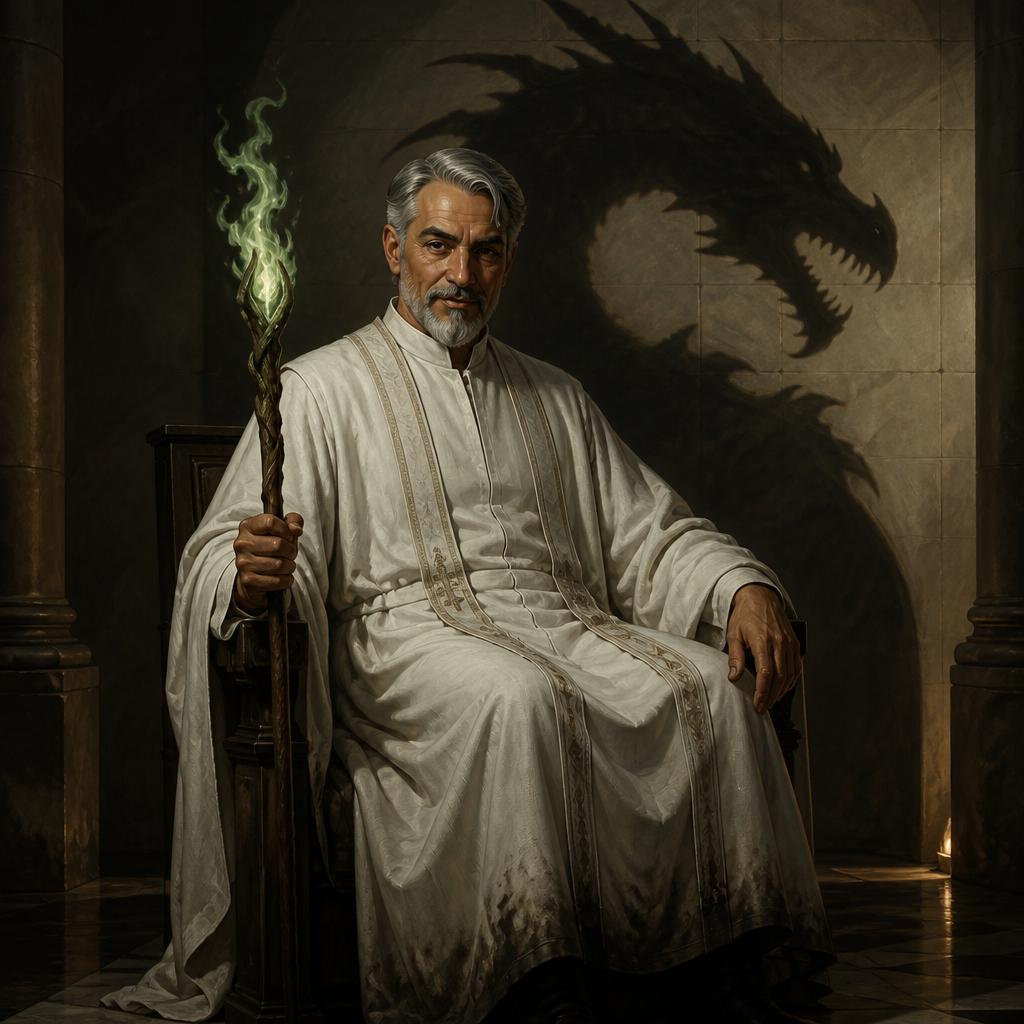
The Beast from the Earth
False prophet who forces the world to worship the Antichrist and receive his mark
The secondary antagonist of Revelation 13 who acts as a deceptive false prophet to compel humanity to worship the first Beast and the Dragon.
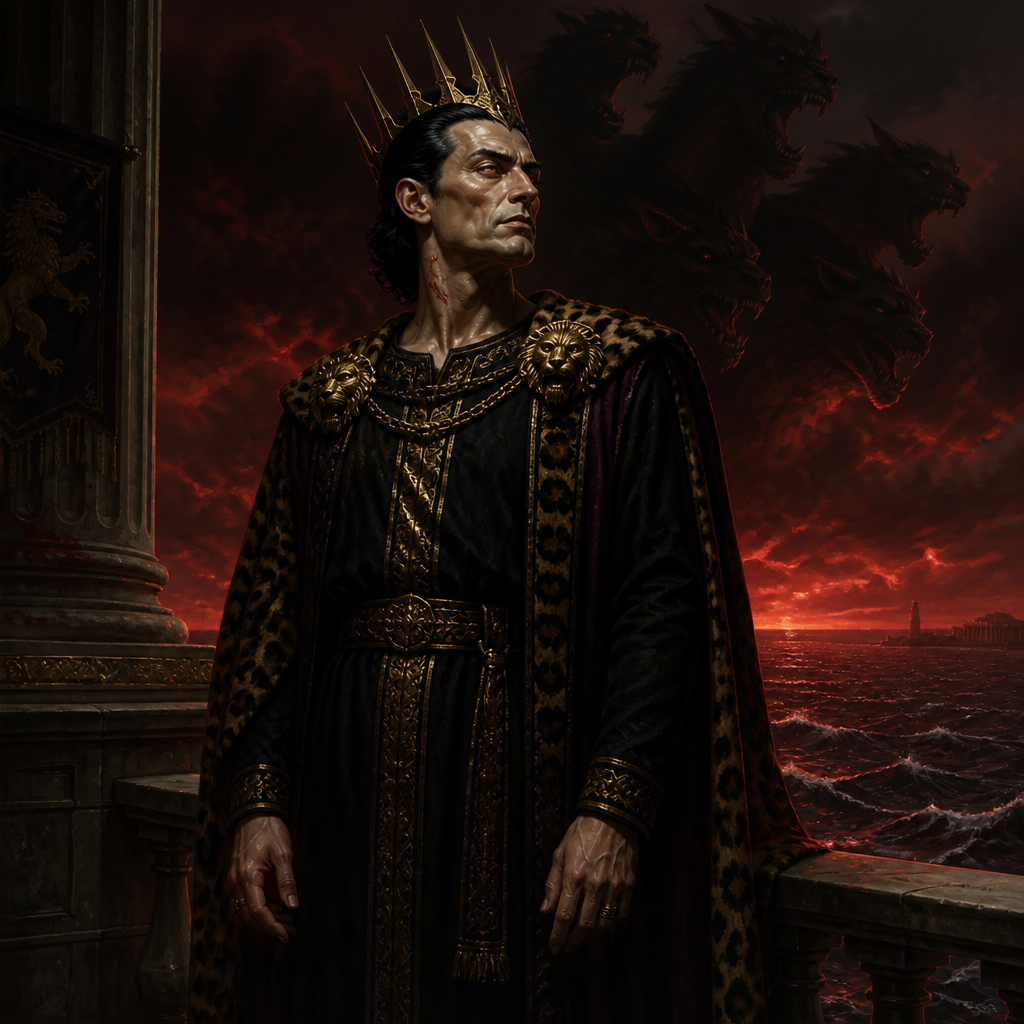
The Beast from the Sea
World leader who receives a mortal wound and demands global worship
The first of two apocalyptic beasts in Revelation, acting as the primary political agent of Satan during the End Times to rule the nations and persecute the Church.
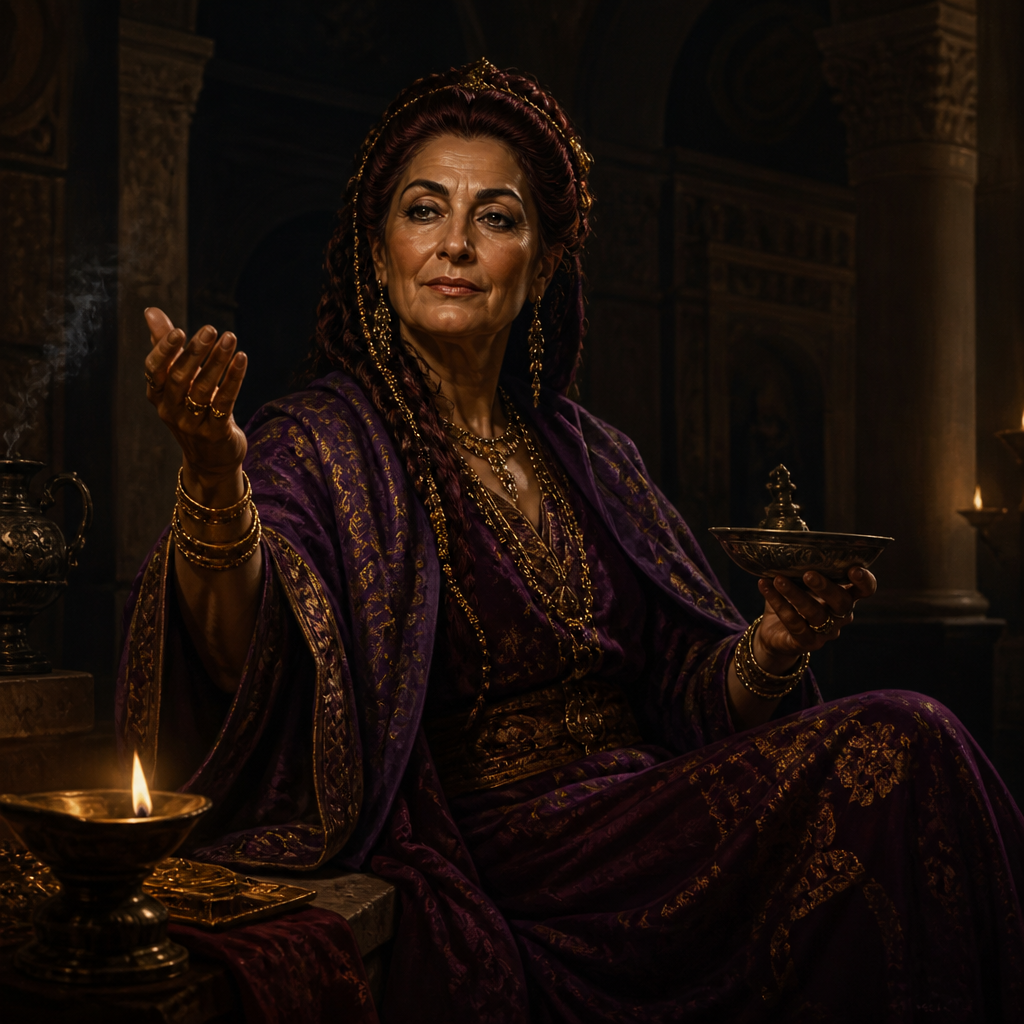
Jezebel of Thyatira
False prophetess who seduced the church at Thyatira into idolatry
A self-proclaimed prophetess in the church of Thyatira who led believers into compromise, idolatry, and sexual immorality during the late first century AD.
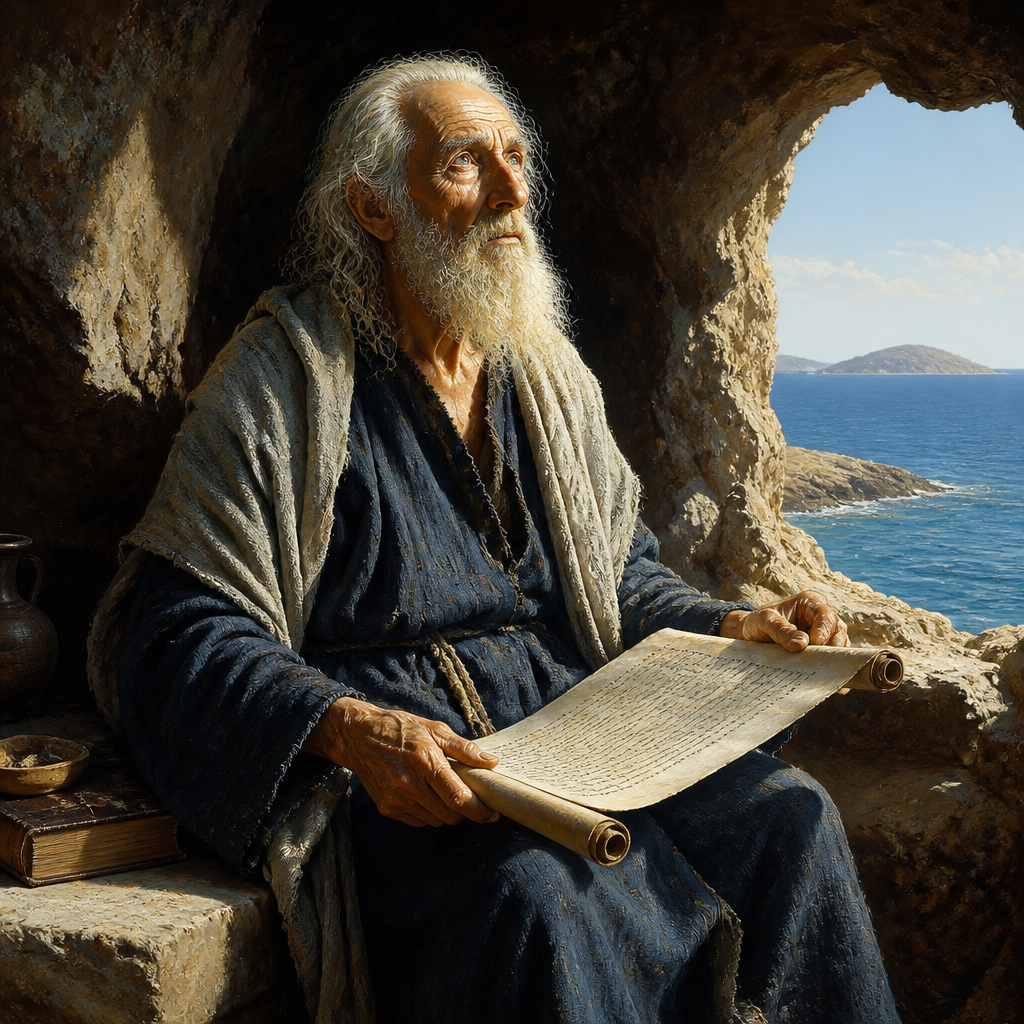
John the Apostle
Apostle of Jesus and the 'Beloved Disciple' who authored the Fourth Gospel
One of the Twelve Apostles, a member of Jesus’ inner circle, and traditionally identified as the 'Beloved Disciple' and the author of several New Testament books.
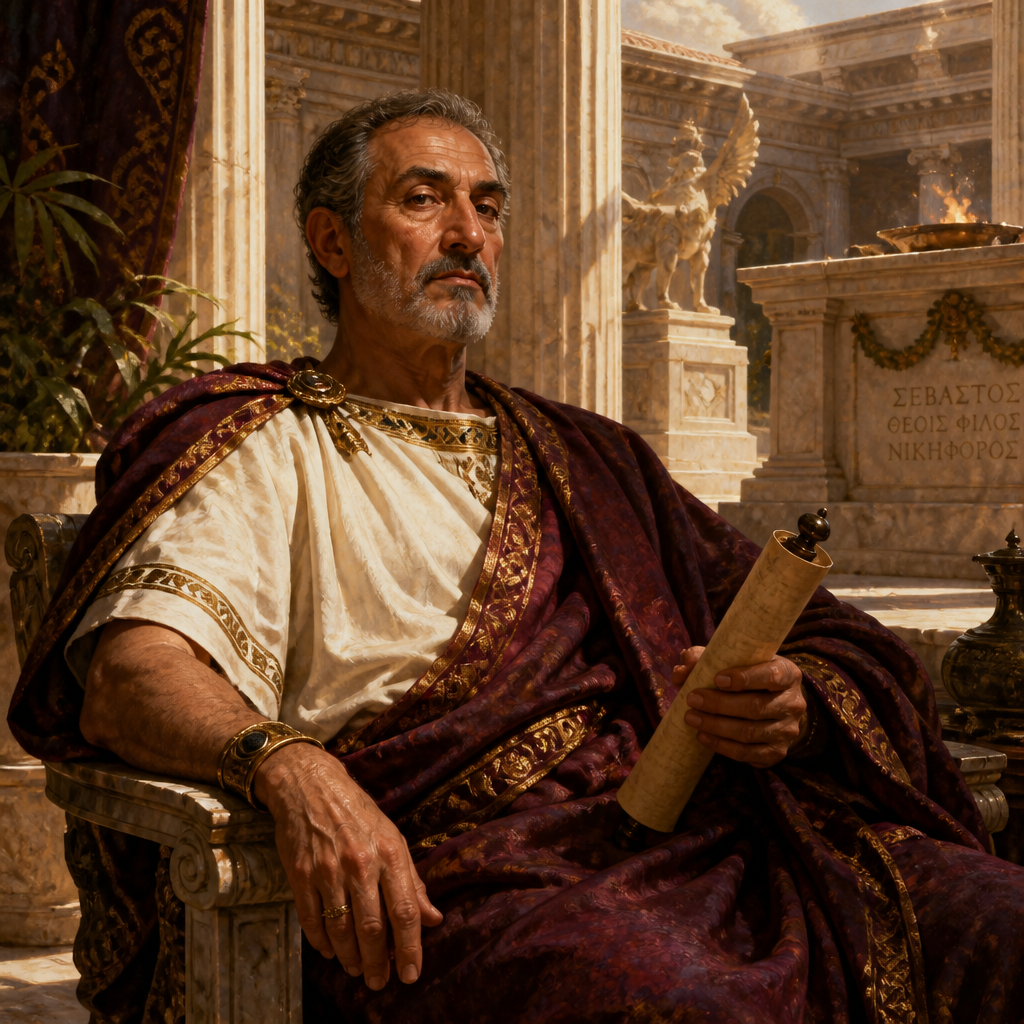
The Nicolaitans
False teachers in the early church who advocated for compromise with pagan idolatry and immoral behavior
A heretical group in the early church censured by Christ in Revelation for their compromise with pagan idolatry and immoral practices.
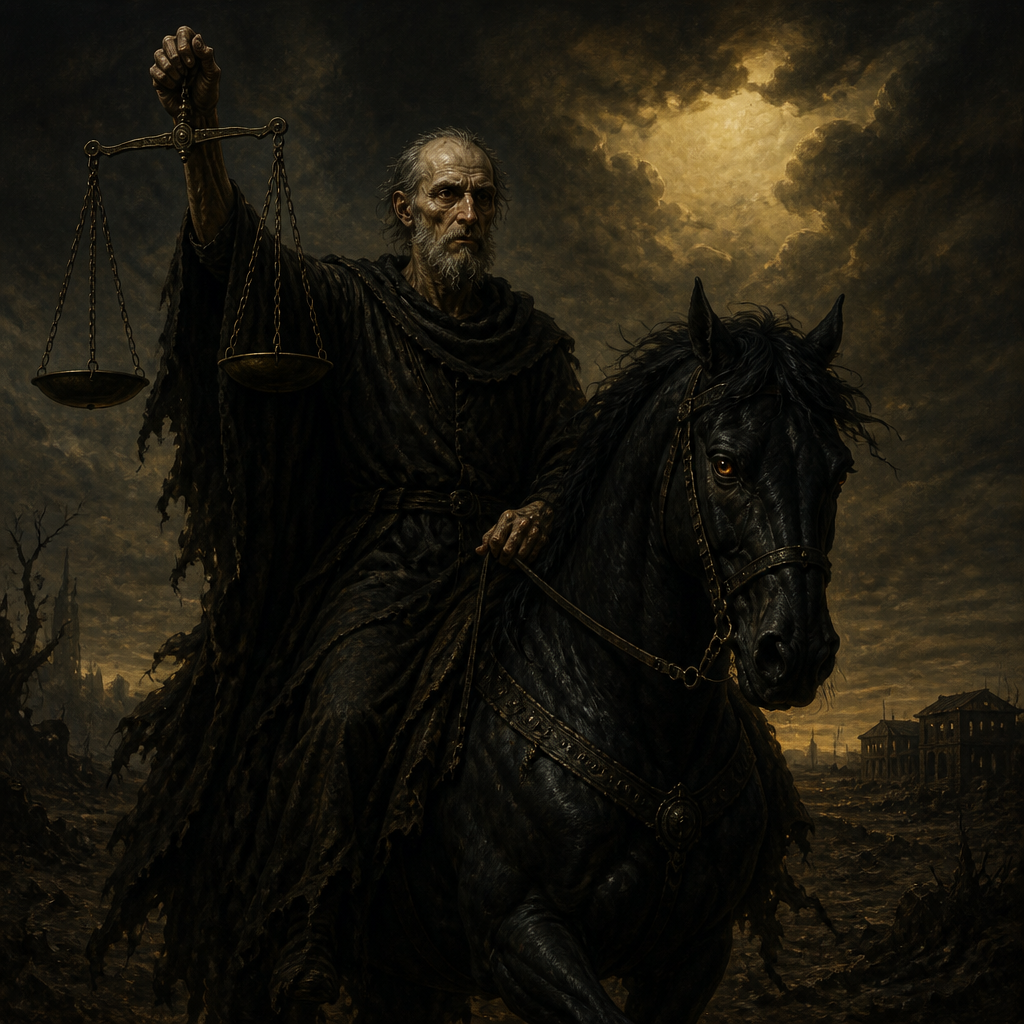
The Rider on the Black Horse
Third Horseman of the Apocalypse who brings economic collapse and food scarcity
The third of the Four Horsemen of the Apocalypse, symbolizing famine and economic inequality through the scales he carries.
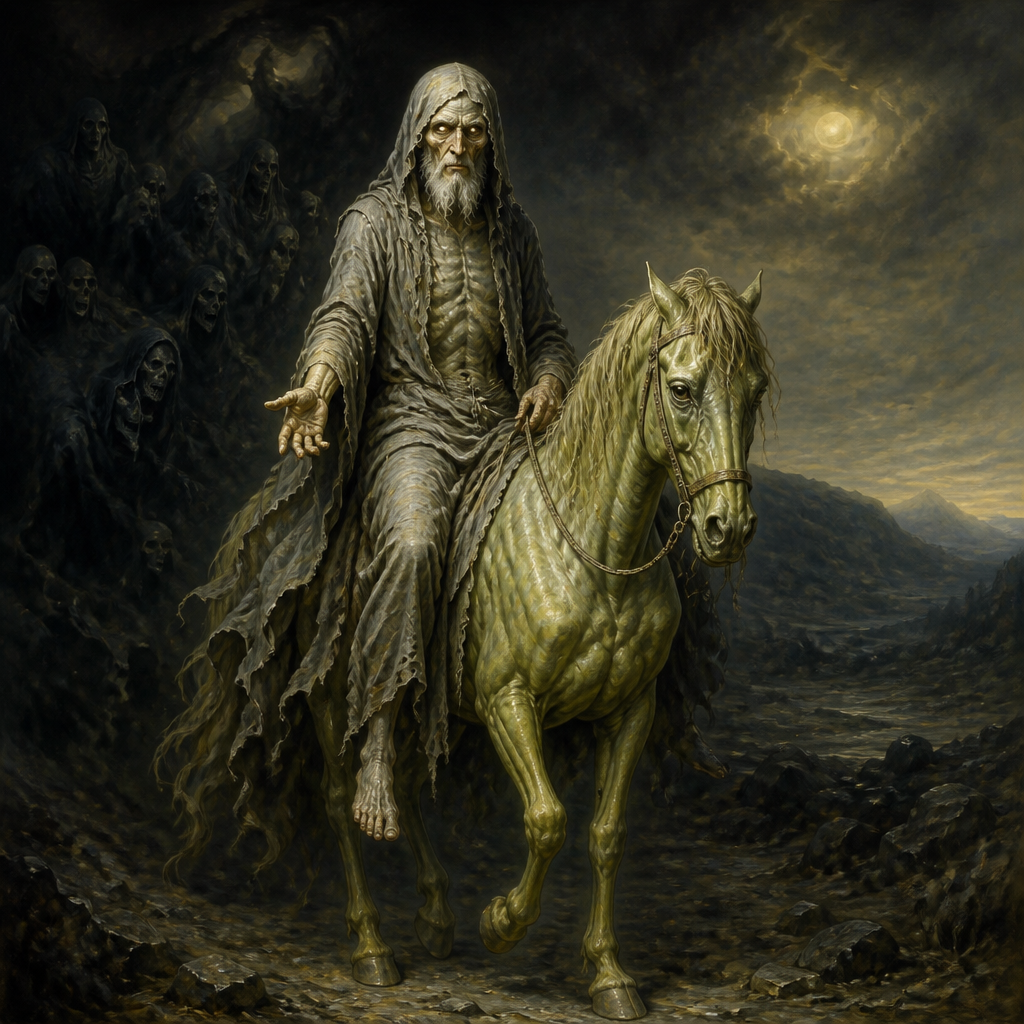
The Rider on the Pale Horse
Fourth horseman of the Apocalypse who personifies Death and brings plague
The fourth and final horseman of the Apocalypse, representing Death and accompanied by Hades to execute judgment through famine, plague, and wild beasts.
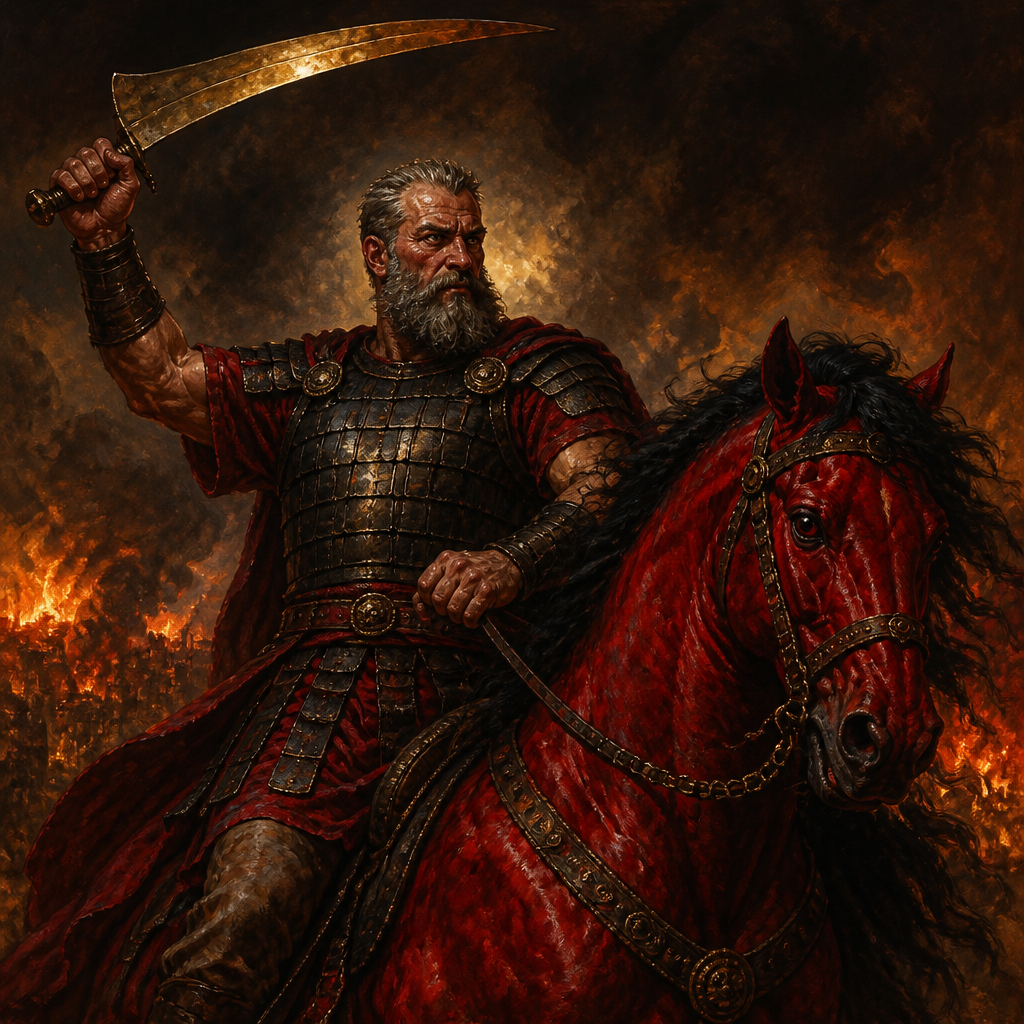
The Rider on the Red Horse
Rider of the apocalypse who takes peace from the earth and wields a great sword
The second of the Four Horsemen of the Apocalypse, representing the divine permission for human conflict and civil slaughter during the end times.
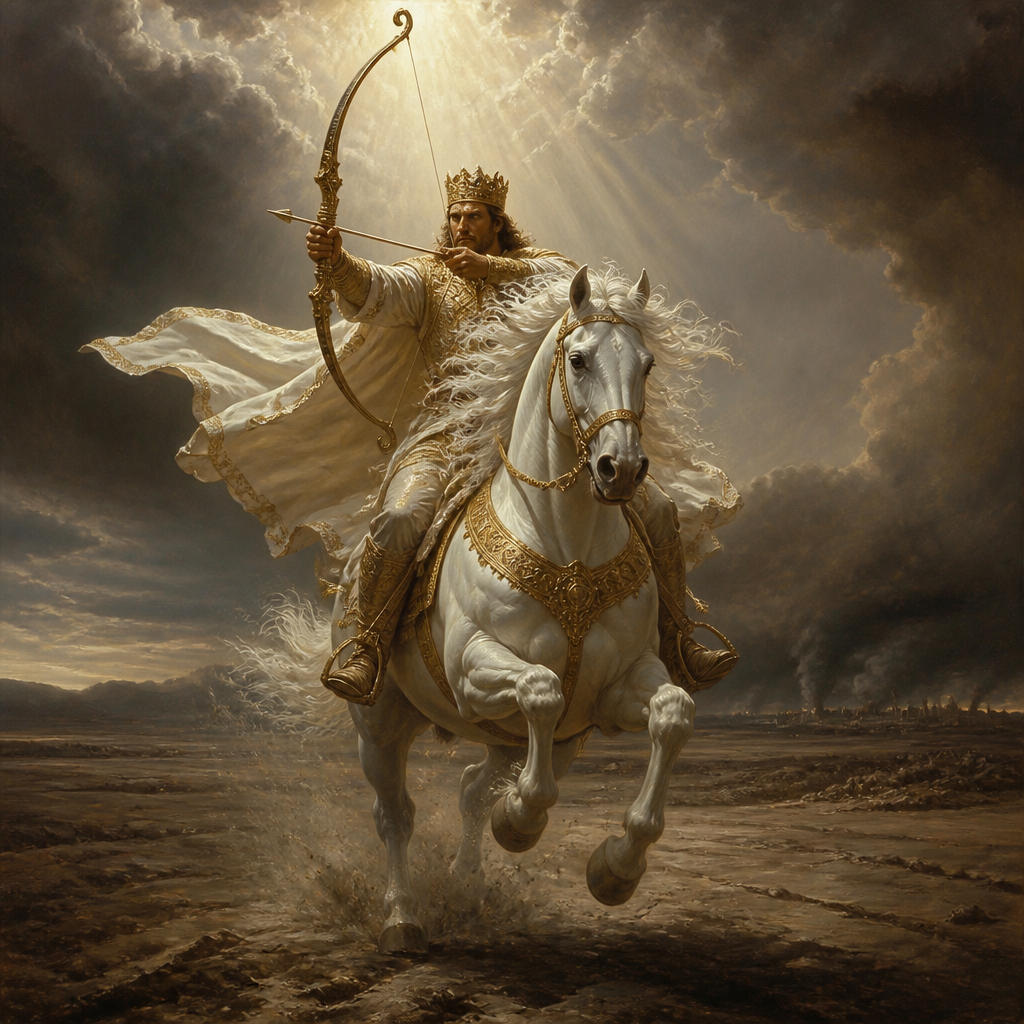
The Rider on the White Horse
First of the Four Horsemen of the Apocalypse who carries a bow and wears a crown
The first of the Four Horsemen of the Apocalypse, who emerges at the opening of the first seal to conquer.
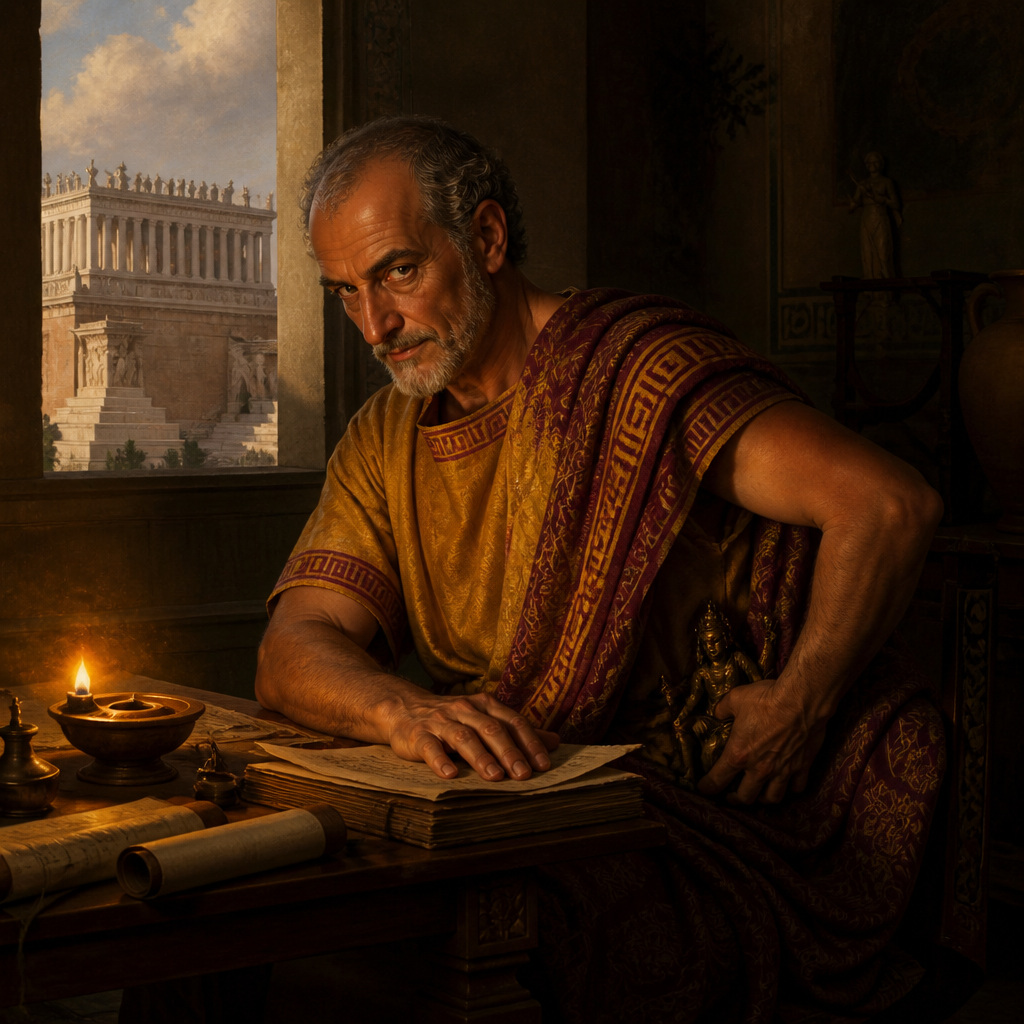
Those Who Hold the Teaching of Balaam
Sect in the church of Pergamum who promoted compromise with pagan idolatry and sexual immorality
A faction within the early Christian church at Pergamum who promoted syncretism, idolatry, and sexual immorality by following the destructive precedents of the Old Testament figure Balaam.