Shamir
Who was Shamir in the Bible?
A Levite during the United Monarchy, Shamir was a descendant of Uzziel and the son of Micah, serving in the liturgical divisions of the temple.
Shamir was a member of the tribe of Levi who lived during the period of the United Monarchy. He is specifically identified in the genealogical records of 1 Chronicles as a descendant of Uzziel, the uncle of Moses and Aaron. His father was Micah, another prominent Levite within the Uzzielite line.
His mention occurs within the context of the systematic organization of the Levites. As King David neared the end of his life, he organized the priestly and levitical classes to ensure the continuity of service at the sanctuary. Shamir represents one of the heads of the ancestral houses assigned to these sacred duties.
Background and Family
Shamir was born into the tribe of Levi, the tribe set apart by God for religious service in Israel. According to the record in 1 Chronicles 24, he belonged to the sub-clan of the Uzzielites. Uzziel was one of the sons of Kohath, making Shamir part of the Kohathite lineage—a group traditionally responsible for the most sacred elements of the tabernacle and, later, the temple.
The biblical text identifies Shamir as the son of Micah. His lineage is a point of administrative importance, as the chronicler seeks to establish the legitimacy of those serving in the house of the Lord during the era of the United Monarchy. The record provides no details regarding his mother or any siblings, focusing strictly on his patrilineal descent to validate his status within the Levite ranks.
Major Life Events
The biblical record for Shamir is confined to a single genealogical entry. There are no recorded speeches, specific deeds, or personal anecdotes associated with his life. His primary "event" in the biblical narrative is his inclusion in the casting of lots for service assignments.
During the reorganization of the Levites, Shamir and his kinsmen were assigned specific roles in the temple liturgy and maintenance. This process was designed to prevent disputes among the various levitical families and to ensure that the service of God was carried out in an orderly fashion. As the son of Micah, Shamir stood as a representative of his father’s house during this pivotal administrative period.
Relationship to Other Biblical Figures
Shamir’s primary biblical connection is to his father, Micah. It is important to note that this Micah is the Levite descendant of Uzziel, not to be confused with the later minor prophet or the Ephraimite of the same name. Through his grandfather Uzziel, Shamir is distantly related to the great leaders Moses and Aaron, as Uzziel was the brother of Amram (the father of Moses).
His inclusion in the lists of 1 Chronicles 24 places him in the company of the high priest Zadok and the descendants of Ithamar and Eleazar. This context suggests he was a contemporary of the administrative transition between the reigns of David and Solomon, though his family line continued to be relevant into the era of the United Monarchy.
Spiritual Significance
While Shamir is a minor figure, his presence in the biblical canon underscores the theme of divine order. The meticulous recording of his name and lineage demonstrates that in the eyes of the chronicler, every individual appointed to the service of God held a position of significance. Shamir represents the "quiet laborers" of the biblical narrative—those who did not perform miracles or lead armies but fulfilled their hereditary duty to maintain the worship of the LORD. His life serves as a testament to the importance of institutional faithfulness and the preservation of sacred traditions across generations.
Shamir’s significance lies in his role as a link in the levitical chain of service. His inclusion in the Book of Chronicles serves a specific historiographical purpose: to prove that the worship occurring in the temple was conducted by those with the proper ancestral credentials. In a period marked by the spiritual instability of the United Monarchy, figures like Shamir represented the structural continuity of the Mosaic Law.
Theologically, Shamir illustrates that God’s work is carried out through families and ordered systems. Though he appears in only one verse, he is part of the 'sons of Uzziel' who were entrusted with the holy things.
Frequently Asked Questions
Who was Shamir's father?
Shamir was the son of Micah, a descendant of the Levite Uzziel.
What tribe did Shamir belong to?
Shamir belonged to the tribe of Levi, specifically the Kohathite branch.
In which book of the Bible is Shamir mentioned?
Shamir is mentioned in 1 Chronicles 24:24.
What was Shamir's role in Israel?
As a Levite, Shamir was involved in the liturgical and administrative service of the temple, organized by lot under the authority of the king and the high priests.
Is Shamir related to Moses?
Yes, distantly. Shamir was a descendant of Uzziel, who was the uncle of Moses. This makes Shamir part of the extended family of the lawgiver.
Family & Relationships
Parents
 Micah, Son of UzzielFather1 Chronicles 24:24Stated
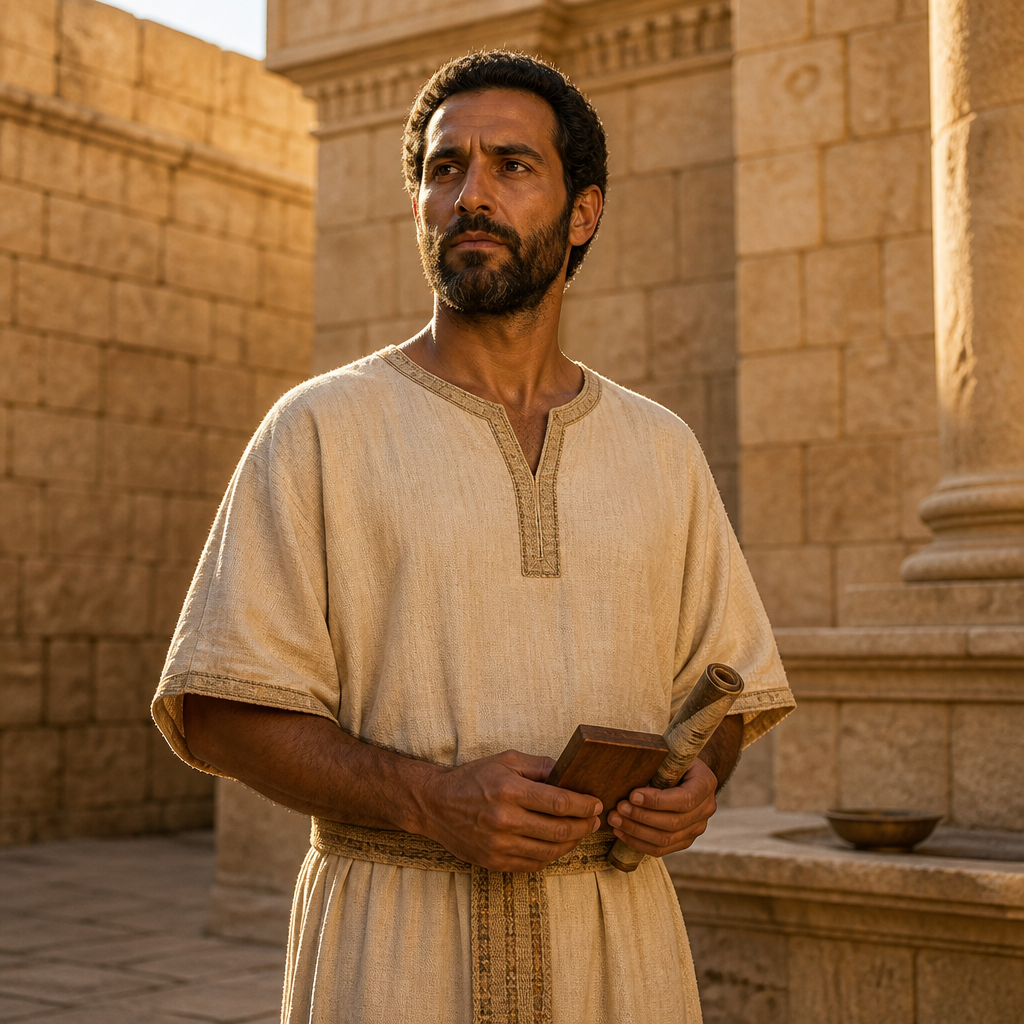 ShamirThis page
Connected Figures
Family
Father · 1 Chronicles 24:24
A Levite of the Kohathite clan and the firstborn son of Uzziel, appointed to organized service within the Tabernacle during the wilderness period.
Egypt and WildernessFirst: 1 Chronicles 23:204 versesLevite leaderLevi
Mentions by Book
- 1 Chronicles1
Scripture References
All 1 indexed verse, in canonical order, from the Berean Standard Bible.
1 Chronicles · 1
- 1 Chronicles 24:24
From the sons of Uzziel: Micah; from the sons of Micah: Shamir.