Rechab, Captain of the United Monarchy
Rechab was a Benjamite military leader who, along with his brother Baanah, assassinated King Ish-bosheth during the power struggle between the houses of Saul and David.
Rechab was a military commander serving during the volatile period of the United Monarchy, specifically during the transition of power from the house of Saul to the house of David. He was a son of Rimmon the Beerothite and belonged to the tribe of Benjamin. As a leader of raiding parties, Rechab occupied a position of significant influence in the fractured military landscape following the death of King Saul at Mount Gilboa.
He is primarily remembered for a single, violent act of political assassination. Believing he could curry favor with the rising King David, Rechab and his brother Baanah infiltrated the home of Saul’s son, Ish-bosheth, and murdered him in his sleep. This event stands as a critical moment in the biblical narrative of David's consolidation of power, illustrating the internal collapse of the northern kingdom's leadership.
Background and Family
Rechab was a member of the tribe of Benjamin, the same tribe as King Saul. He was one of the two sons of Rimmon the Beerothite. The biblical record specifically notes in 2 Samuel 4:2 that Beeroth was considered part of Benjamin, emphasizing Rechab's ancestral ties to the reigning house he would eventually betray. Rechab and his brother Baanah are described as "leaders of raiding parties" (or captains of bands) serving under Ish-bosheth, the son of Saul who had been installed as king over Israel by Abner.
Major Life Events
Following the death of the general Abner, the strength of Ish-bosheth’s administration began to fail. Seeing an opportunity to shift their allegiance to the ascending Davidic throne, Rechab and Baanah orchestrated a plot to eliminate the rival king.
According to 2 Samuel 4:5-7, the brothers traveled to the house of Ish-bosheth in Mahanaim. They arrived during the "heat of the day" while Ish-bosheth was taking a midday nap. The text describes a deceptive entry: they went into the interior of the house under the pretense of gathering wheat. Finding the king unguarded in his bedchamber, they stabbed him in the stomach, decapitated him, and fled with his head.
Rechab and his brother traveled through the Arabah all night to reach David at Hebron. They presented the head of Ish-bosheth to David, declaring, "Here is the head of Ish-bosheth the son of Saul, your enemy, who sought your life; and the LORD has avenged my lord the king this day of Saul and his descendants" (2 Samuel 4:8).
Relationship to Other Biblical Figures
Rechab’s relationship with David was defined by a catastrophic miscalculation of David’s character and policy. While Rechab expected a reward for removing David’s rival, David responded with moral indignation. David cited the precedent of the Amalekite who had claimed to kill Saul at Gilboa, whom David had executed despite the man’s claim of service.
David viewed Rechab’s act not as a righteous military maneuver, but as the murder of a "righteous person in his own house on his bed" (2 Samuel 4:11). Consequently, David ordered his young men to execute both Rechab and Baanah. Their hands and feet were cut off and their bodies hung by the pool in Hebron as a public sign of David's rejection of their treachery.
Spiritual Significance
The account of Rechab serves as a cautionary narrative regarding the misuse of the name of the Lord to justify personal ambition or violent acts. Rechab attempted to frame his assassination of Ish-bosheth as a divine act of vengeance performed on David’s behalf. However, the biblical text and David’s reaction emphasize that God’s purposes for the throne were not to be achieved through opportunistic bloodshed or the betrayal of one's own kin and king. Rechab represents the opportunistic violence that often characterizes civil unrest, contrasted against David’s commitment to justice and his refusal to gain the throne through the murder of Saul's house.
Spiritual Significance
Rechab serves as a foil to Davidic integrity, illustrating the distinction between divine providence and human ruthlessness. His actions highlighted the fragility of the house of Saul after the death of Abner and accelerated the unification of the tribes under David, though not in the manner Rechab intended. His execution by David sent a clear message that the new kingdom would not reward treachery or the murder of non-combatants, even when such acts benefited the king politically.
Frequently Asked Questions
Who was Rechab's father?
Rechab was the son of Rimmon the Beerothite, from the tribe of Benjamin.
What was Rechab's occupation?
He was a leader of raiding parties or a captain of military bands under the service of Ish-bosheth.
Why did Rechab kill Ish-bosheth?
Rechab and his brother Baanah killed Ish-bosheth hoping to gain favor and a reward from David by eliminating his rival for the throne of Israel.
How did David react to Rechab's deed?
David was horrified by the murder of an innocent man in his own bed. He ordered Rechab and Baanah to be executed immediately.
What happened to Rechab's body after his death?
After he was executed, his hands and feet were cut off, and his body was hung by the pool in Hebron.
Connected Figures
Baanah
Brother and co-conspirator
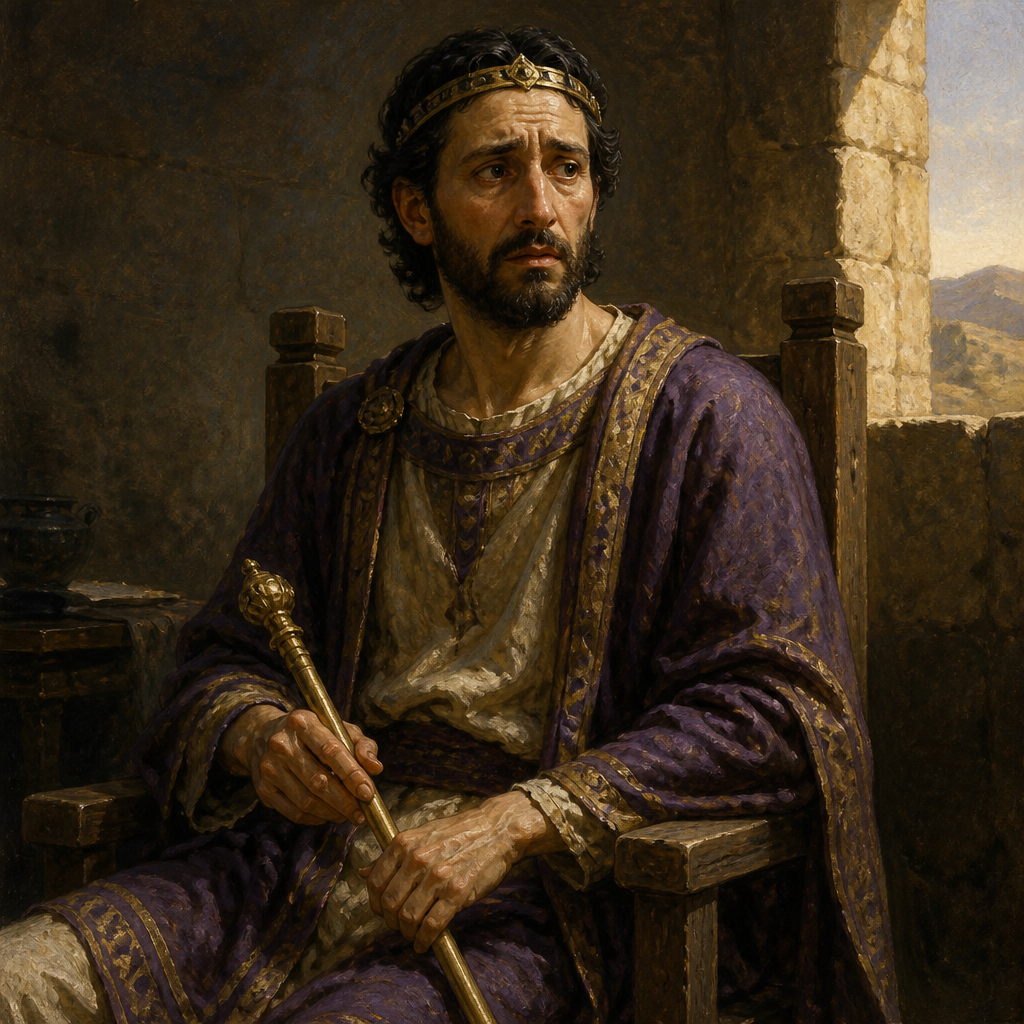
Ish-bosheth
King whom he served and assassinated
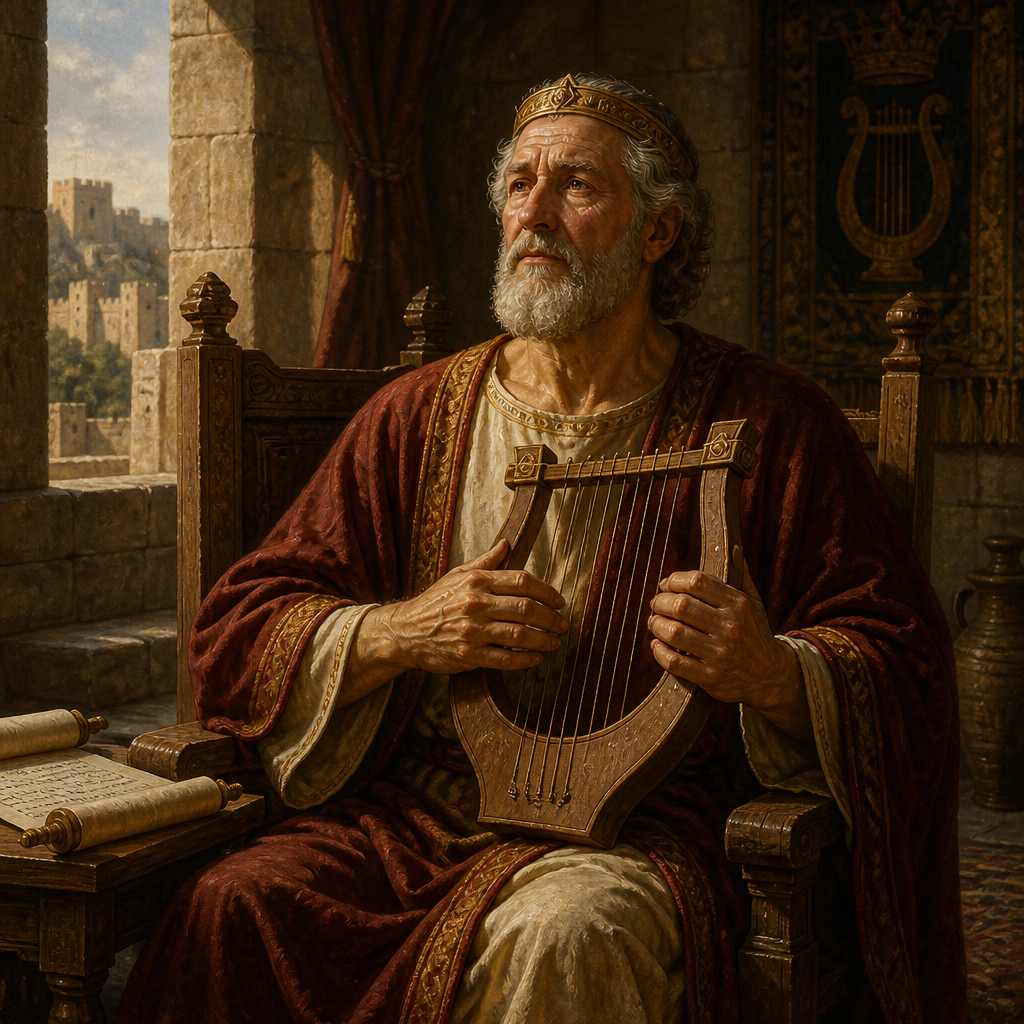
David
King who ordered his execution
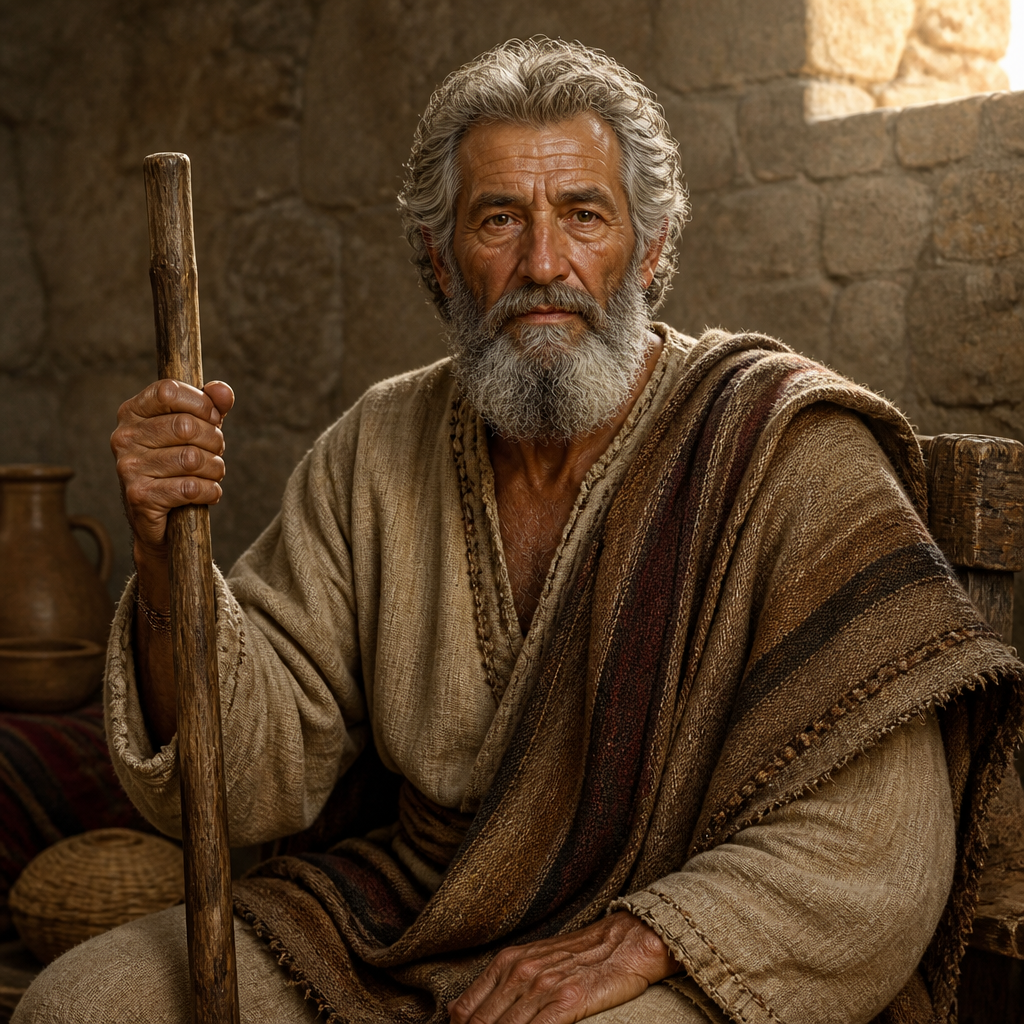
Rimmon
Father
Categories
Mentions by Book
- 2 Samuel4
Family & Relationships
Sibling
2 Samuel 4:2
Sibling
2 Samuel 4:2
Parent
2 Samuel 4:2
Others Named Rechab
Rechab, Patriarch of the Rechabites2 Kings 10:15
Rechab was a Kenite leader whose descendants, the Rechabites, became a symbol of unwavering obedience to God and ancestral tradition throughout the Divided Monarchy.
Rechab, Father of MalchijahNehemiah 3:14
Rechab was a Jewish man of the post-exilic period whose son Malchijah served as a district ruler and leader in the reconstruction of Jerusalem's walls under Nehemiah.