Rechab, Father of Malchijah
Who was Rechab, Father of Malchijah, in the Bible?
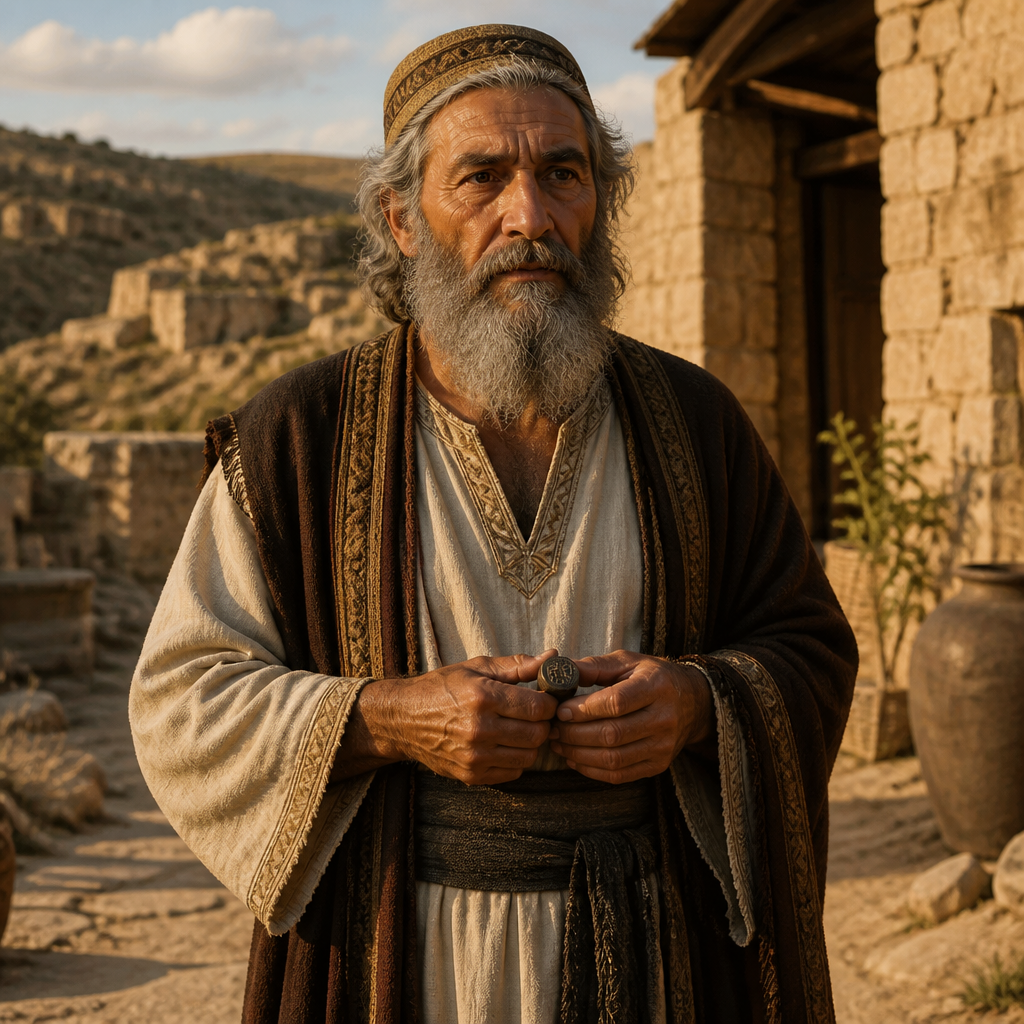
Rechab was a Jewish man of the post-exilic period whose son Malchijah served as a district ruler and leader in the reconstruction of Jerusalem's walls under Nehemiah.
This is one of 3 people named Rechab in the Bible. See all 3 →
Rechab is a figure mentioned in the context of the Jewish return from the Babylonian Exile. He is specifically identified as the father of Malchijah, a prominent leader who played a crucial role in the physical restoration of Jerusalem during the mid-5th century BC. While Rechab himself is not detailed in terms of his own career or actions, his identity is preserved through the achievements and administrative status of his son.
Living during the Post-Exilic Period, Rechab's family represents the remnant of Israel that maintained its genealogical and social identity despite decades of displacement. His son’s ability to mobilize labor for the reconstruction of the city gates indicates that Rechab belonged to a lineage of significant social standing and influence within the province of Yehud.
Background and Family
Rechab appears in the biblical record during the era of the Persian Restoration (c. 445 BC). His name is preserved in the detailed list of builders found in the third chapter of the Book of Nehemiah. This list serves as a formal census of the families and officials who contributed to the fortification of Jerusalem after the Babylonian destruction in 586 BC.
Rechab is identified as the father of Malchijah. The text specifies that Malchijah was the "ruler of the district of Beth-haccherem." Beth-haccherem was a strategic location situated between Jerusalem and Tekoa, traditionally associated with modern-day Ramat Rahel. The fact that Rechab’s son held such a high administrative post suggests that Rechab was likely a man of means and recognized status within the Judean community. Whether Rechab himself returned from Babylon or was part of the population that remained in the land is not explicitly stated, though the formal mention of his name suggests a respected lineage.
Major Life Events
The biblical text does not record the personal deeds of Rechab, focusing instead on the contribution of his son to the defense of the Holy City. Nehemiah 3:14 records that Malchijah, son of Rechab, was responsible for the repair of the Dung Gate. This gate was located at the southern tip of the city, near the Pool of Siloam, and was vital for the city's sanitation and drainage.
Rechab’s legacy is defined by this act of service. The reconstruction involved not only the stonework of the gate itself but also the installation of its "doors, bolts, and bars," signifying a complete restoration of security for that sector of the wall. By providing the ancestral identifier for Malchijah, the author of Nehemiah ensures that Rechab is remembered as the progenitor of a family dedicated to the communal and spiritual restoration of Israel.
Relationship to Other Biblical Figures
Rechab is defined exclusively through his relationship to his son, Malchijah. In the socio-political structure of the post-exilic community, fatherhood was the primary means of establishing legal right to the land and participation in the assembly of Israel. By being named in Nehemiah’s memoirs, Rechab is linked to the broader circle of leaders such as Nehemiah the Governor and Eliashib the High Priest, who coordinated the various families in the collective effort to remove the "reproach" of Jerusalem’s broken walls.
Spiritual Significance
The mention of Rechab, though brief, carries significant weight in the context of the Post-Exilic Period. It highlights the importance of family continuity in the wake of national judgment and exile. For the returning Jews, the preservation of names like Rechab served as evidence of God’s faithfulness in preserving a remnant.
Rechab represents the many quiet figures of the Bible whose primary contribution to the faith was the raising of children who would go on to perform great works for the kingdom of God. His son’s willingness to take on the labor-intensive and perhaps less glamorous task of repairing the Dung Gate reflects a spirit of humility and civic duty that reflects back on the household in which he was raised. In the biblical narrative, Rechab stands as a symbol of the ancestral foundations required for national renewal.
Rechab’s significance lies in his role as the head of a family that remained committed to the restoration of Jerusalem after the Exile. As the father of a district ruler, he represents the administrative and social stability of the Jewish people during the Persian period. His name is included in the sacred record to validate the lineage of those who performed the holy work of rebuilding the city of God.
Theological interpretation often views families like Rechab's as the 'living stones' of the restoration. While he does not perform miracles or speak prophecies, his inclusion in the text emphasizes that God uses the structures of family and genealogy to accomplish the physical and spiritual rebuilding of His people.
Frequently Asked Questions
What did Rechab do in the Bible?
The Bible does not record specific actions performed by Rechab himself; he is primarily known as the father of Malchijah, the ruler who repaired the Dung Gate in Jerusalem.
Where did Rechab's family live?
Rechab's son Malchijah was the ruler of the district of Beth-haccherem, suggesting the family had significant ties to that region, located south of Jerusalem.
Which gate of Jerusalem did Rechab’s son repair?
His son Malchijah repaired the Dung Gate, including its doors, bolts, and bars, during the time of Nehemiah.
What era did Rechab live in?
Rechab lived during the Post-Exilic Period, specifically during the time of the Persian return and the rebuilding of Jerusalem's walls under Nehemiah.
Family & Relationships
 Rechab, Father of MalchijahThis page
Children
 Malchijah, Son of RechabSonNehemiah 3:14Stated
Connected Figures
Family
Son · Nehemiah 3:14
A Jewish leader and district official who oversaw the reconstruction of the Dung Gate in Jerusalem during the post-exilic return under Nehemiah.
Exile and ReturnFirst: Nehemiah 3:141 versesRuler of the district of Beth-haccherem
Categories
Mentions by Book
- Nehemiah1
Scripture References
All 1 indexed verse, in canonical order, from the Berean Standard Bible.
Nehemiah · 1
- Nehemiah 3:14
The Dung Gate was repaired by Malchijah son of Rechab, ruler of the district of Beth-haccherem. He rebuilt it and installed its doors, bolts, and bars.
Others Named Rechab
Compare all 3 bearers →Rechab, Patriarch of the Rechabites2 Kings 10:15
Rechab was a Kenite leader whose descendants, the Rechabites, became a symbol of unwavering obedience to God and ancestral tradition throughout the Divided Monarchy.
Rechab, Captain of the United Monarchy2 Samuel 4:2
Rechab was a Benjamite military leader who, along with his brother Baanah, assassinated King Ish-bosheth during the power struggle between the houses of Saul and David.