Rechab, Patriarch of the Rechabites
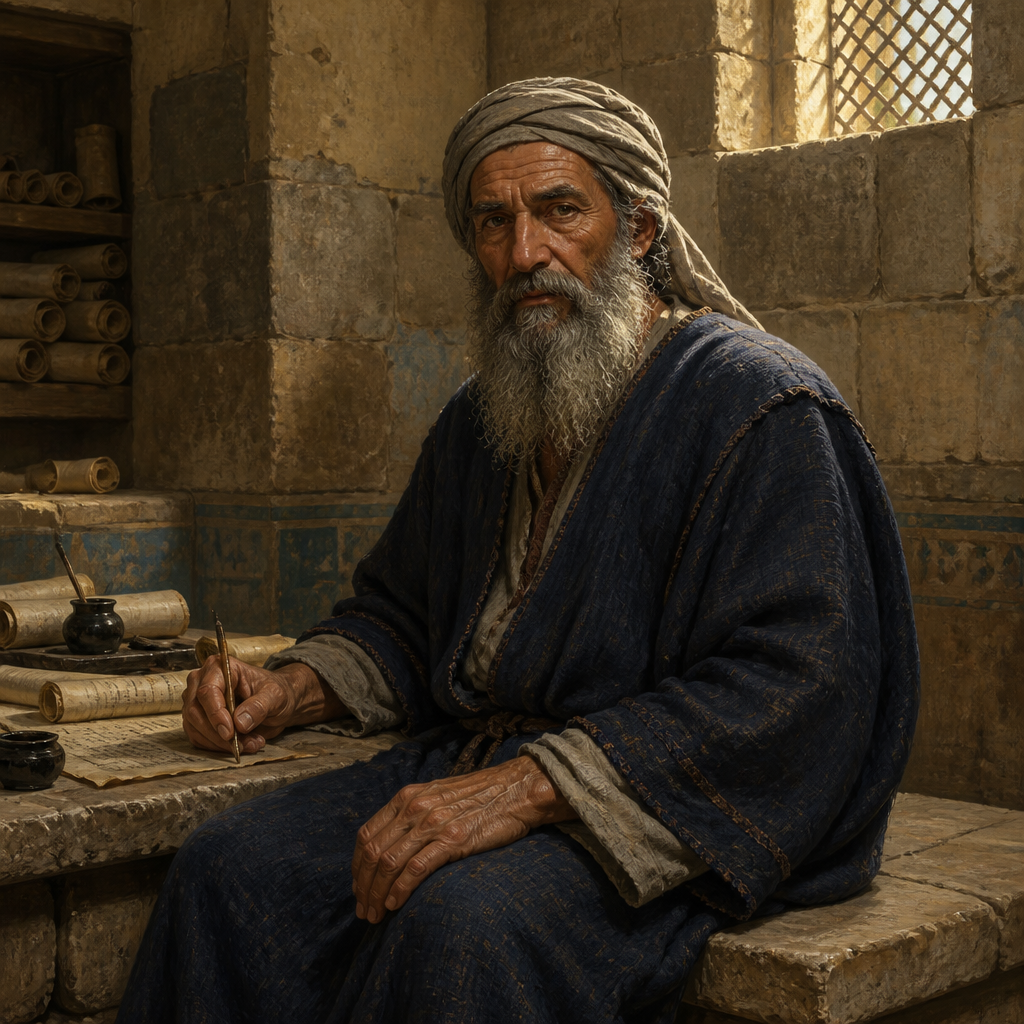
Rechab was a Kenite leader whose descendants, the Rechabites, became a symbol of unwavering obedience to God and ancestral tradition throughout the Divided Monarchy.
Rechab is a significant figure in the history of the Divided Monarchy, primarily known through his lineage and the ascetic community that bore his name. Though he does not appear as a direct actor in the biblical narrative, his influence as a patriarch shaped a distinct cultural and spiritual identity for his descendants, known as the Rechabites. His family line is traced back to the Kenites, a group closely associated with the tribe of Judah, specifically through the house of Hammath.
Background and Family
Rechab is identified in 1 Chronicles 2:55 as a descendant of Hammath, the progenitor of the Kenite clans living at Jabez. The Kenites were an ancient group who had shared a long, favorable history with Israel, dating back to the time of Moses and Jethro. By the era of the Divided Monarchy, Rechab had established a 'house' or family line within the territory of the Tribe of Judah. The scriptural record emphasizes that he was the father of Jonadab (also called Jehonadab), a man who would become a pivotal figure in the religious reforms of the northern kingdom during the 9th century BC.
Major Life Events
While the biblical text does not record the specific biographical details of Rechab’s own life, it meticulously preserves his name as the source of the 'Rechabite' identity. His primary contribution to the biblical narrative is the legacy he passed to his son, Jonadab. It was Jonadab who codified the family’s strict ascetic lifestyle, which included a total abstinence from wine and a refusal to build houses, sow seed, or plant vineyards. This lifestyle was intended to maintain a semi-nomadic, simple existence that avoided the corrupting influences of urban Canaanite culture and pagan religious practices.
In 2 Kings 10, we see the fruits of Rechab’s lineage during the reign of Jehu in Israel (c. 841 BC). Jonadab, son of Rechab, met King Jehu and joined him in his bloody purge of the house of Ahab and the priests of Baal. The association of Rechab’s name with Jonadab’s zeal suggests that the family was known for its fierce devotion to the God of Israel and its rejection of the syncretism that plagued the northern and southern kingdoms.
Relationship to Other Biblical Figures
The name of Rechab appears most prominently in the book of Jeremiah, approximately two and a half centuries after the time of Jonadab. In Jeremiah 35, the prophet Jeremiah uses the descendants of Rechab as a living parable for the people of Judah. Under God’s instruction, Jeremiah brought the Rechabites into a chamber of the Temple and offered them wine. They refused, citing the command of their forefather, Jonadab son of Rechab.
This interaction highlights the enduring power of Rechab’s name. Even in the face of the impending Babylonian exile (c. 600 BC), the house of Rechab remained faithful to the ancestral instructions established in his name. The contrast is sharp: the Rechabites obeyed the commands of a human forefather for centuries, while the people of Judah routinely ignored the repeated commands of their Creator.
Spiritual Significance
The significance of Rechab lies in the concept of generational faithfulness. He represents the root of a family tree that prioritized spiritual purity and discipline over social comfort. Because of the steadfastness of the house of Rechab, the Lord issued a remarkable promise in Jeremiah 35:19: 'Jonadab son of Rechab will never fail to have a man to stand before Me.' This promise of perpetual service to God is a rare honor, placing the descendants of Rechab on a level of spiritual standing comparable to the Levites. In the biblical narrative, Rechab stands as the foundational figure of a community that chose to be 'in the world but not of it,' serving as a rebuke to the faithlessness of the surrounding nation.
Spiritual Significance
Rechab serves as the eponymous ancestor of a group that exemplified total devotion and cultural separation. His significance is found in the longevity of his influence; his descendants maintained a specific set of rigorous ethical and lifestyle standards for hundreds of years, spanning from the reign of Jehu to the fall of Jerusalem. This consistency was used by God as a primary illustration of true obedience.
Theologically, the 'House of Rechab' demonstrates that God honors those who honor their commitments and maintain their distinct identity as His people. The promise that Rechab’s line would always 'stand before' God suggests that their devotion earned them a permanent place in the divine economy, regardless of their ethnic origins as Kenites rather than native Israelites.
Frequently Asked Questions
Who was Rechab's father?
According to 1 Chronicles 2:55, Rechab was the son of Hammath, who is described as the father of the house of Rechab and a member of the Kenite clans.
What were the Rechabites known for?
They were known for their strict lifestyle: they never drank wine, did not build permanent houses, and did not engage in farming, choosing instead to live in tents as nomads.
How did the Rechabites react when offered wine by Jeremiah?
They strictly refused to drink, stating that their forefather Jonadab, son of Rechab, had forbidden it for all their descendants.
What was the purpose of the Rechabite lifestyle?
It was a form of religious and cultural protest meant to keep the family separate from the sedentary, often idolatrous lifestyle of the Canaanites and the apostate Israelites.
What reward did God give the house of Rechab?
God promised that the line of Jonadab son of Rechab would never lack a man to stand before Him, signifying a perpetual blessing and role in God's presence.
Connected Figures
Categories
Mentions by Book
- Jeremiah9
- 2 Kings2
- 1 Chronicles1
Family & Relationships
Child
2 Kings 10:15
Parent
1 Chronicles 2:55
Others Named Rechab
Rechab, Father of MalchijahNehemiah 3:14
Rechab was a Jewish man of the post-exilic period whose son Malchijah served as a district ruler and leader in the reconstruction of Jerusalem's walls under Nehemiah.
Rechab, Captain of the United Monarchy2 Samuel 4:2
Rechab was a Benjamite military leader who, along with his brother Baanah, assassinated King Ish-bosheth during the power struggle between the houses of Saul and David.