Jeroboam son of Nebat
The first king of the Northern Kingdom of Israel who led the ten tribes in a secession from the house of David and established a separate religious system.
Jeroboam son of Nebat was a pivotal figure in the history of the United Monarchy, serving as the catalyst for the permanent division of the nation of Israel. Originally an industrious official under King Solomon, he rose from the status of a widow's son to become the architect of the Northern Kingdom. His life was defined by a tension between divine promise and personal insecurity, as he was granted the kingship by a prophetic word yet chose to secure his throne through illicit religious innovations.
His reign lasted twenty-two years, during which he established a new capital and a rival priesthood to prevent his subjects from returning to the Temple in Jerusalem. In the biblical record, Jeroboam is most frequently remembered for the 'sin of Jeroboam'—the institution of golden calf worship at Bethel and Dan. This act is cited repeatedly throughout the books of Kings as the primary cause for the eventual spiritual and political downfall of the northern tribes. His story serves as a cautionary tale regarding the corruption of legitimate political authority through the manipulation of religious practice.
Background and Family
Jeroboam was an Ephraimite from Zeredah, the son of Nebat and a widow named Zeruah. He first appears in the biblical narrative as a 'mighty man of valor' during the latter years of King Solomon's reign. His industrious nature caught the attention of Solomon, who appointed him as the overseer of the forced labor of the house of Joseph (the tribes of Ephraim and Manasseh). This position likely gave him significant influence over the northern tribes, who were increasingly dissatisfied with the heavy taxation and labor demands of the Davidic court in Jerusalem.
Jeroboam’s family life was marked by tragedy and political intrigue. He had a wife (whose name is not recorded in the Hebrew Masoretic text) and at least two sons, Abijah and Nadab. The health and fate of his children were deeply intertwined with the spiritual status of his household; the death of his son Abijah served as a divine sign of the impending judgment upon his dynasty.
Major Life Events
The Prophetic Call and Exile
The transition of Jeroboam from a royal servant to a rebel leader began when he was met by the prophet Ahijah the Shilonite on a road outside Jerusalem. Ahijah performed a symbolic act, tearing a new cloak into twelve pieces and giving ten to Jeroboam, signifying that God would rend the kingdom from Solomon and give ten tribes to Jeroboam (1 Kings 11:31). This promise was conditional upon Jeroboam’s obedience to the Law of Moses. When Solomon learned of Jeroboam’s rising influence or the prophecy, he sought to kill him, forcing Jeroboam to flee to Egypt, where he was protected by Shishak, the Pharaoh.
The Secession of Israel
Following the death of Solomon, Jeroboam returned from Egypt to lead a delegation of the northern tribes in a negotiation with Solomon’s son, Rehoboam. When Rehoboam foolishly rejected the people’s request for a lighter yoke and threatened harsher treatment, the ten northern tribes revolted, shouting, "To your tents, O Israel!" (1 Kings 12:16). They subsequently crowned Jeroboam as king over Israel, leaving only the tribes of Judah and Benjamin under the Davidic crown.
The Sin of Jeroboam
Once established at Shechem, Jeroboam feared that if his subjects continued to travel to the Temple in Jerusalem for the annual feasts, their hearts would return to the house of David. To prevent this, he crafted two golden calves, placing one in Bethel and the other in Dan. He proclaimed, "It is too much for you to go up to Jerusalem. Here are your gods, O Israel, who brought you up out of Egypt" (1 Kings 12:28). He further consolidated this rival system by appointing non-Levitical priests and changing the dates of the sacred festivals. This action is characterized in scripture as the foundational sin that led the nation into apostasy.
Divine Confrontation and Decline
Jeroboam’s reign was marked by direct warnings from God. While he was standing at the altar in Bethel, a man of God from Judah arrived to prophesy against the altar, foretelling its future destruction by a king named Josiah. When Jeroboam reached out to order the man’s arrest, his hand withered, and the altar split apart. Though his hand was restored through the prophet's prayer, Jeroboam did not repent. His reign ended after twenty-two years, having faced significant military defeats at the hands of Abijah of Judah, who captured several of his cities including Bethel.
Relationship to Other Biblical Figures
Jeroboam’s career was defined by his opposition to the House of David, specifically Solomon and Rehoboam. His rebellion fulfilled the word of the Lord delivered by Ahijah the Shilonite, yet he later alienated Ahijah by his idolatry. When Jeroboam sent his wife in disguise to ask the now-blind Ahijah about their sick son, the prophet immediately recognized her and delivered a scathing oracle of judgment, decreeing that the house of Jeroboam would be swept away like dung.
Spiritual Significance
In the biblical tradition, Jeroboam represents the archetypal corrupt leader who sacrifices spiritual integrity for political security. He is not accused of abandoning the God of Israel for foreign deities like Baal (which occurred later), but rather of corrupting the way God was worshiped. By creating a religion of convenience and political utility, he established a precedent for all subsequent kings of Israel. The phrase "the way of Jeroboam son of Nebat" becomes a recurring theological metric in the books of Kings and Chronicles, used to evaluate every northern king who followed him. His legacy was the spiritual alienation of the northern tribes, which the biblical authors view as the ultimate cause of their eventual exile to Assyria.
Spiritual Significance
Jeroboam son of Nebat is historically significant as the founder of the Northern Kingdom of Israel and the first to institutionalize state-sponsored idolatry in the post-Solomonic era. Theologically, he serves as the primary foil to the 'Davidic ideal,' demonstrating how political expediency can lead to the systemic corruption of a nation's faith. His decision to create golden calves at Dan and Bethel is presented as the 'original sin' of the Northern Kingdom, a transgression that remained unresolved for two centuries until the kingdom's destruction.
The biblical assessment of Jeroboam is overwhelmingly negative, not because he lacked talent or a divine mandate—both of which he possessed—but because he failed to trust the very God who raised him to the throne. His story emphasizes that a leader's legacy is determined by their fidelity to God's commands rather than their military or administrative successes. By rejecting the Levitical priesthood and the Jerusalem Temple, he severed the northern tribes from the covenantal center of the faith, leading to a permanent spiritual schism.
Frequently Asked Questions
Why did Jeroboam make the golden calves?
Jeroboam feared that if his subjects went to the Temple in Jerusalem to worship, their political loyalty would return to the house of David (Rehoboam). He created the calves at Bethel and Dan as a political-religious strategy to keep the northern tribes within his own borders.
Which tribes followed Jeroboam?
Ten of the twelve tribes of Israel followed Jeroboam to form the Northern Kingdom (often called Israel or Ephraim), while only Judah and Benjamin remained loyal to the house of David.
What happened to Jeroboam's family?
Due to his idolatry, God decreed the total destruction of his household. His son Abijah died in childhood, and his other son Nadab was assassinated by Baasha after reigning only two years, after which Baasha wiped out every living member of Jeroboam's family.
Who was the prophet that predicted Jeroboam's rise to power?
Ahijah the Shilonite met Jeroboam and used a torn cloak to symbolize that God was giving him ten tribes of Israel.
Where did Jeroboam live before becoming king?
He was an official in Solomon's administration, but after Solomon tried to kill him, he lived as an exile in Egypt under the protection of Pharaoh Shishak until Solomon died.
Connected Figures
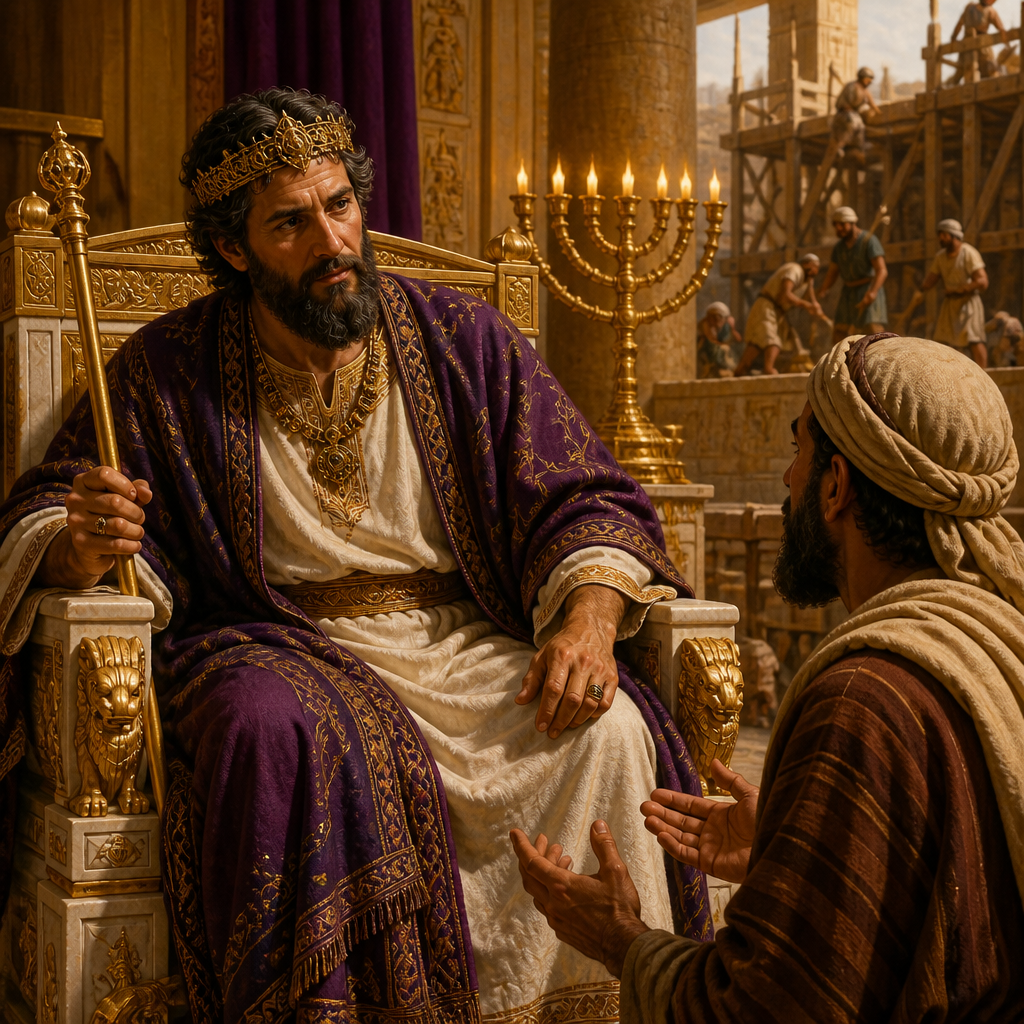
Solomon
Former Master and Antagonist
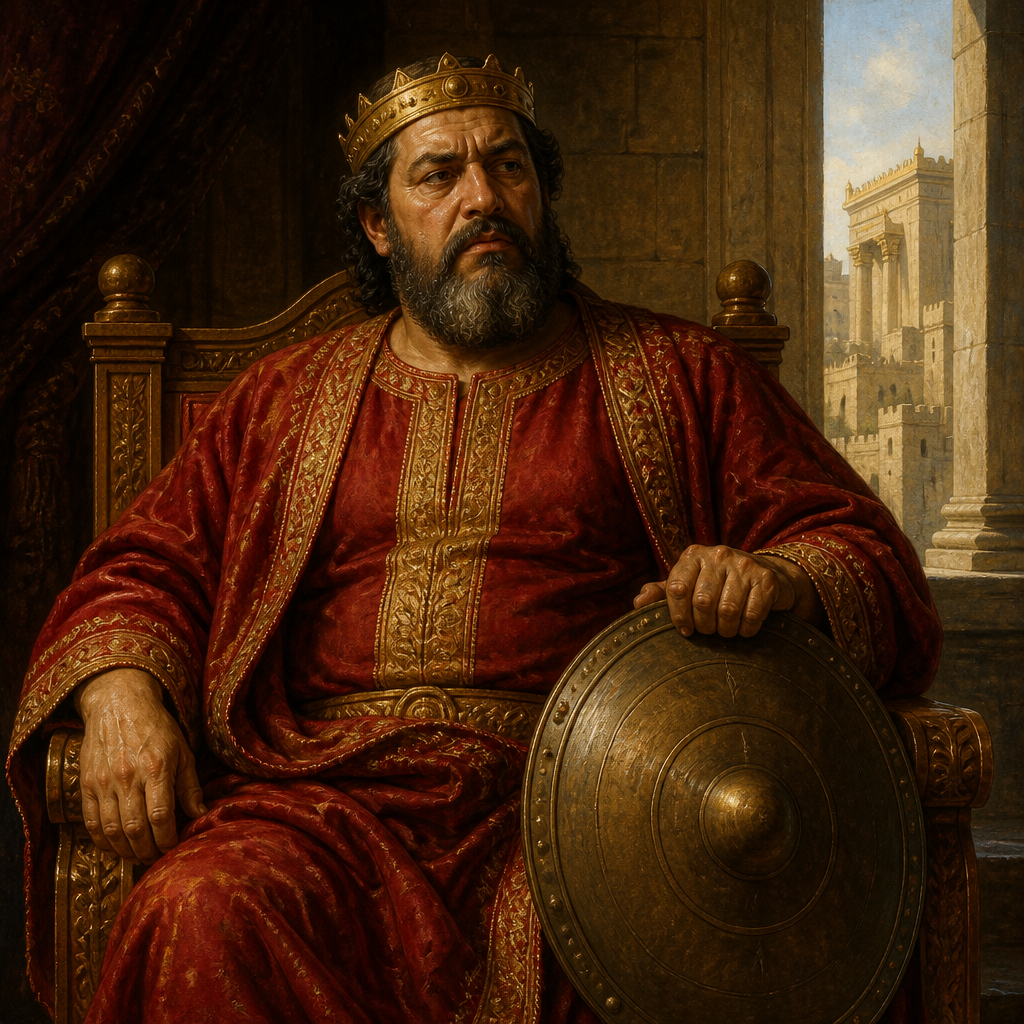
Rehoboam
Political Rival
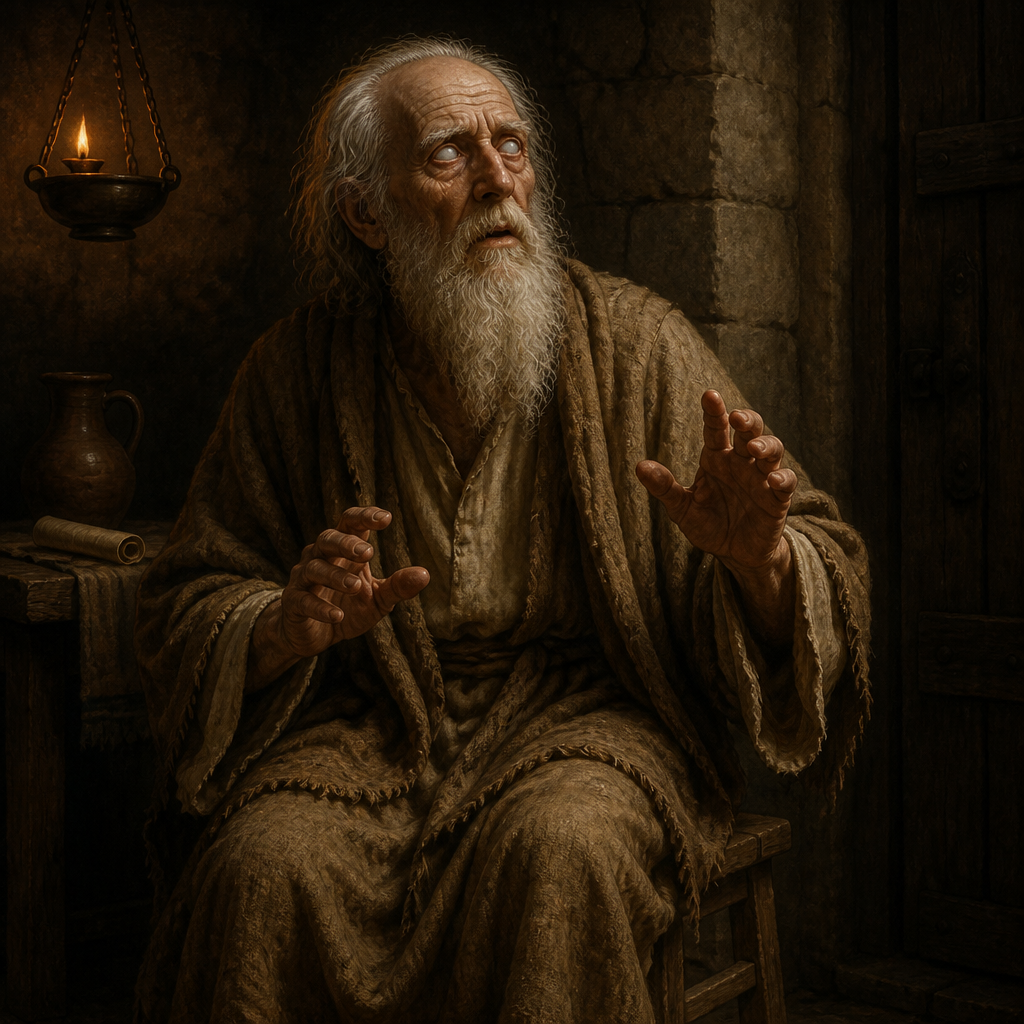
Ahijah the Shilonite
Prophetic Mentor and Judge
Nadab
Son and Successor
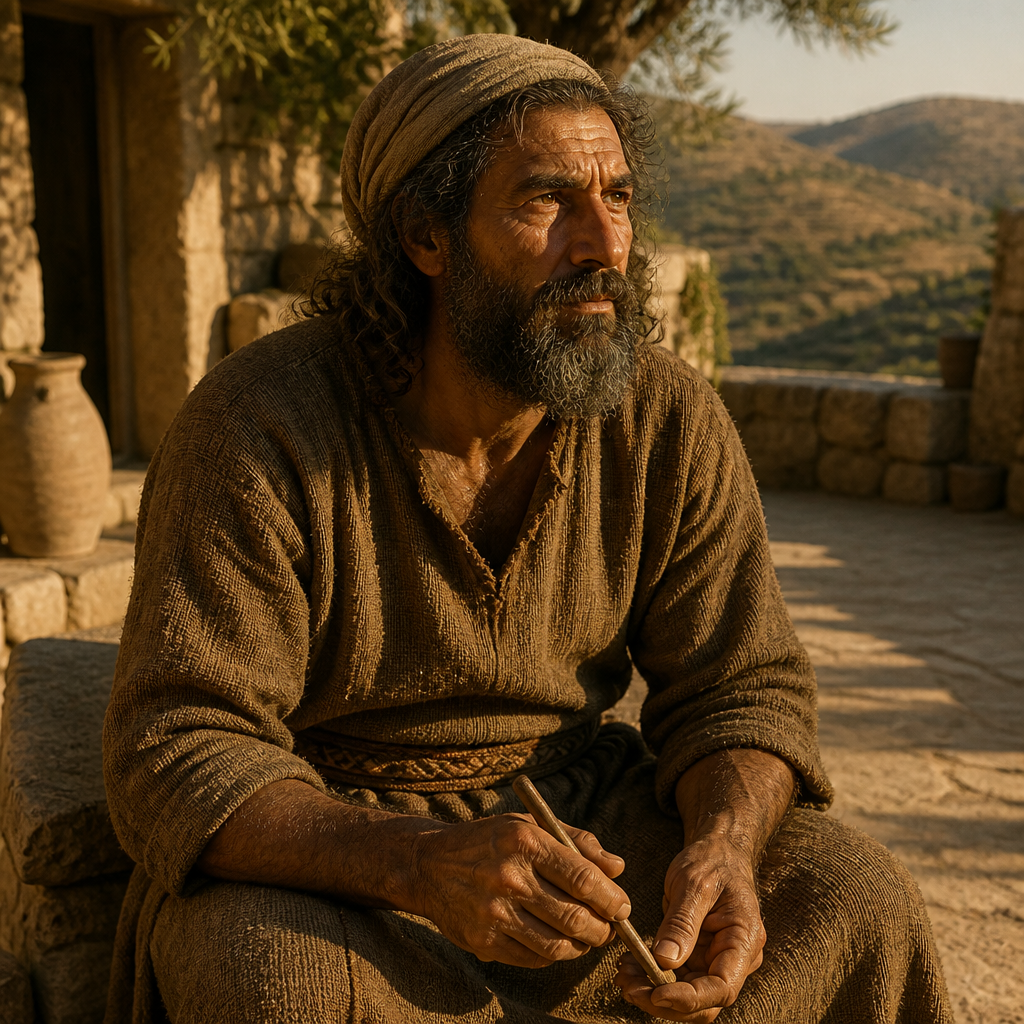
Nebat
Father
Categories
Mentions by Book
- 1 Kings48
- 2 Chronicles18
- 2 Kings15
Family & Relationships
Child
1 Kings 11:26
Child
1 Kings 11:26
Parent
1 Kings 11:26
Parent
1 Kings 11:26
Others Named Jeroboam son of Nebat
Jeroboam son of Jehoash, King of Israel2 Kings 13:13
The son of Jehoash and a long-reigning king of the Northern Kingdom of Israel who presided over a period of significant territorial expansion and national prosperity.