Baana, Son of Ahilud
A high-ranking regional administrator under King Solomon responsible for the strategic districts of Taanach, Megiddo, and Beth-shean.
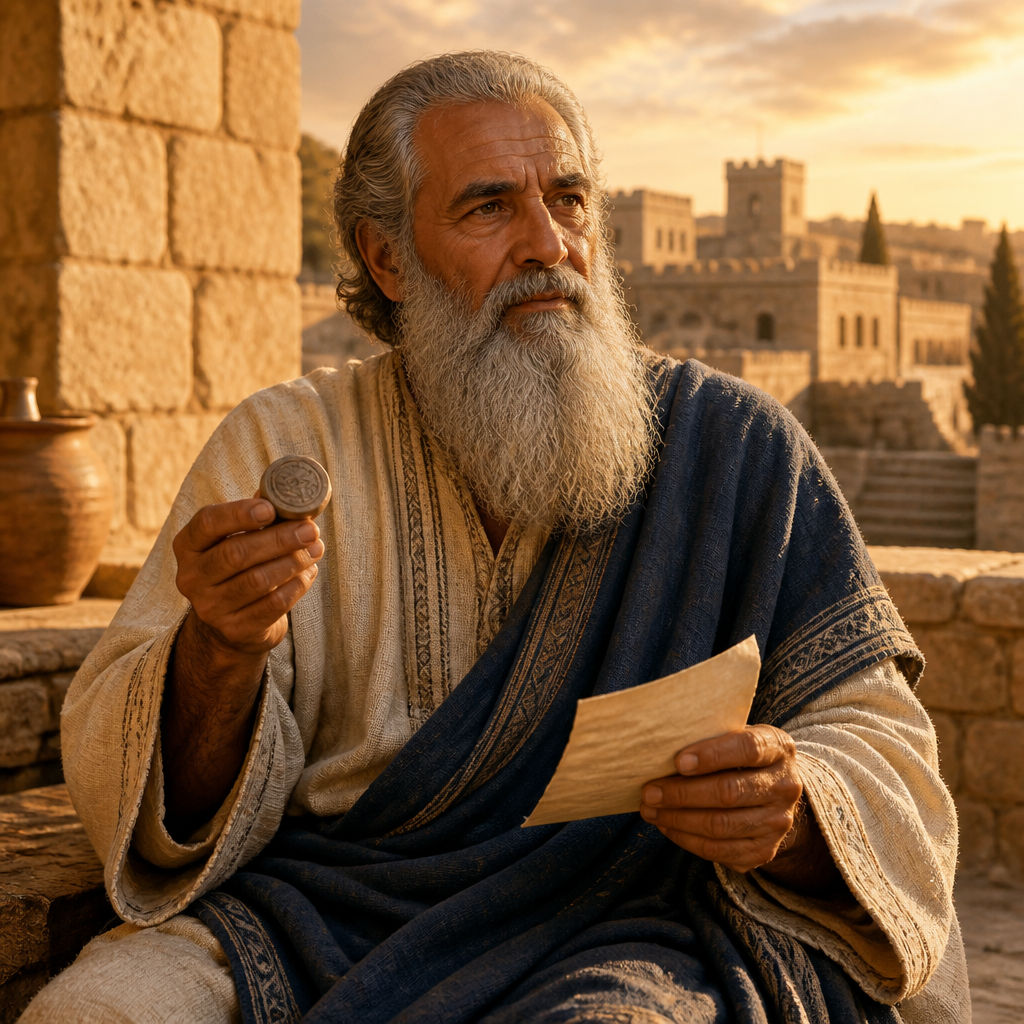
Baana, son of Ahilud, was a prominent government official during the United Monarchy of Israel. He served as one of the twelve regional deputies (or governors) appointed by King Solomon to oversee the internal administration of the kingdom. His specific jurisdiction was geographically and economically vital, encompassing several of the most fortified and fertile cities in northern Israel.
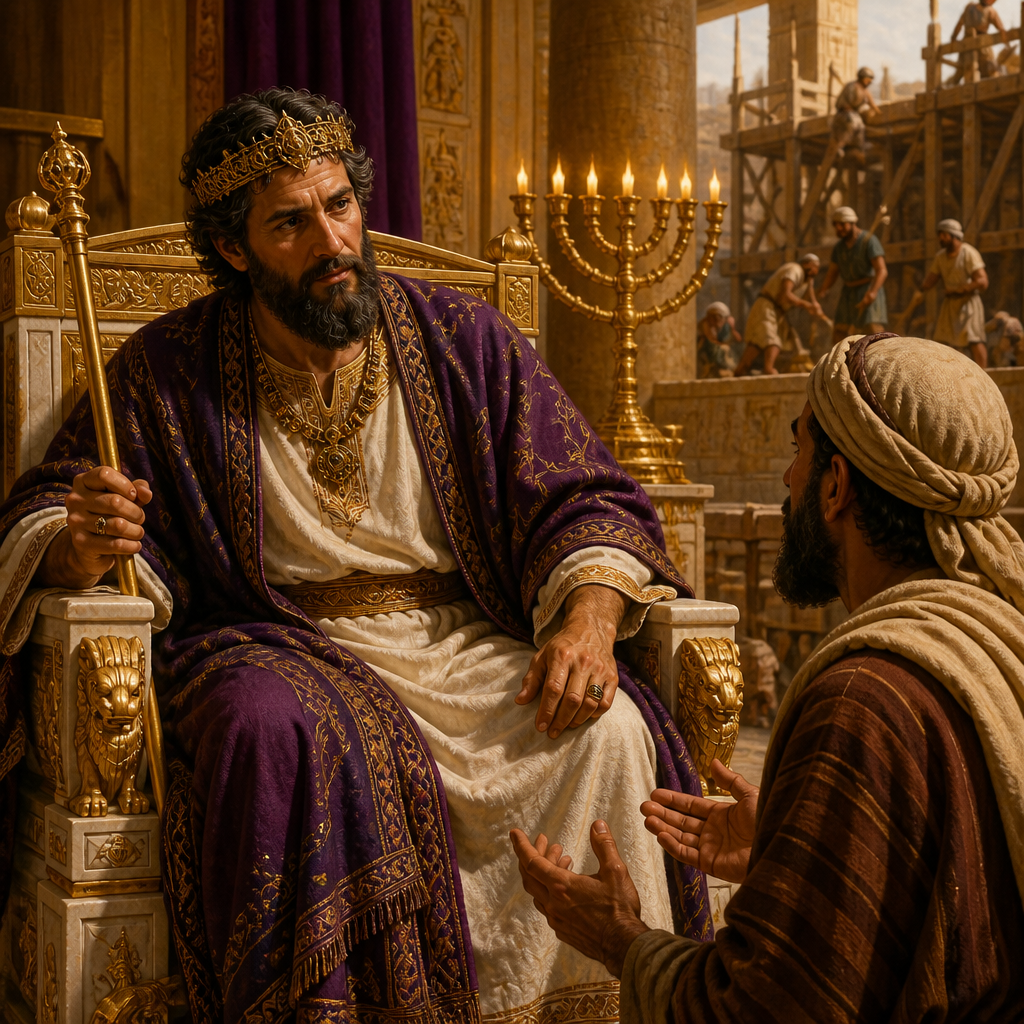
His administrative role was critical to the fiscal stability of Solomon’s expansive court. Baana was tasked with providing food and supplies for the royal household for one month out of every year, a responsibility that required significant logistical expertise and authority over the agricultural output of the Jezreel Valley and the surrounding Jordan rift.
Background and Family
Baana was the son of Ahilud. The biblical text identifies him as the brother of Jehoshaphat, who served as the royal recorder (mazkir) under both King David and King Solomon. This familial connection suggests that Baana belonged to a prominent family of civil servants who occupied high-level bureaucratic positions within the Jerusalem court for two generations. While his specific tribe is not explicitly mentioned in the text of 1 Kings 4, his inclusion among the elite administrators indicates he was a man of significant social standing and political trust.
Major Life Events
The primary record of Baana’s life is found in the administrative list of Solomon's officials. Unlike the tribal divisions of the earlier Period of the Judges, Solomon divided the land into twelve districts that did not strictly follow tribal boundaries. Baana was assigned to the fifth district, which was one of the most prestigious and militarily significant territories in the Levant.
His jurisdiction included Taanach and Megiddo, as well as the entire region of Beth-shean near Zarethan. This area extended from Beth-shean to Abel-meholah and beyond Jokmeam. By overseeing Megiddo, Baana was responsible for a major chariot city and a key node in the international trade routes connecting Egypt to Mesopotamia. His governance ensured that the wealth and agricultural bounty of the Jezreel Valley were efficiently funneled to the central government in Jerusalem.
Relationship to Other Biblical Figures
Baana’s primary relationship is to his father, Ahilud, and his brother, Jehoshaphat. His brother’s role as the "recorder" placed him in constant proximity to the king, likely facilitating Baana's own appointment to a regional governorship. As one of the twelve deputies, Baana reported directly to Azariah son of Nathan, who was the chief officer over the regional governors. His service reflects the highly organized, centralized state created by Solomon, moving away from decentralized tribal leadership toward a structured monarchy.
Spiritual Significance
Though Baana is mentioned only in the context of civil administration, his role illustrates the biblical theme of order and the fulfillment of God’s promise of prosperity during the United Monarchy. The detailed list in which he appears serves as evidence of the "peace and safety" described during Solomon's reign, where every man lived under his own vine and fig tree. Baana represents the human instrument through which the logistical needs of the nation were met, reflecting the biblical principle that wise administration is a component of a blessed and stable society.
Spiritual Significance
Baana's significance lies in his role as a key architect of Solomon's administrative infrastructure. His management of the Megiddo and Beth-shean districts demonstrates the transition of Israel from a collection of tribes into a sophisticated, centralized state. The mention of his specific territories confirms the geographical extent of Solomon's effective control over the northern valleys and key trade routes.
Theological reflections on Baana often center on the necessity of faithful service in secular or administrative roles. As a steward of the land's resources, Baana’s work enabled the maintenance of the Temple and the royal court, showing how administrative roles support the broader religious and national life of Israel.
Frequently Asked Questions
Which regions did Baana son of Ahilud govern?
He governed Taanach, Megiddo, and Beth-shean, extending to Abel-meholah and Jokmeam.
What was Baana's primary responsibility to King Solomon?
He was responsible for providing all necessary food and supplies for the king's household for one month each year.
Who was Baana's brother?
His brother was Jehoshaphat son of Ahilud, who served as the royal recorder for both David and Solomon.
Which tribe did Baana belong to?
The Bible does not specify Baana's tribe, focusing instead on his administrative district under the United Monarchy.
Connected Figures
Categories
Mentions by Book
- 1 Kings1
Family & Relationships
Sibling
Jehoshaphat, Recorder to David and Solomon
1 Kings 4:12
Parent
2 Samuel 8:16
Sibling
Jehoshaphat, Recorder to David and Solomon
2 Samuel 8:16
Others Named Baana
Baana, Father of ZadokNehemiah 3:4
A Jewish man whose son, Zadok, was a prominent participant in the rebuilding of the Jerusalem wall during the Post-Exilic Period.
Baana, Son of Hushai1 Kings 4:16
One of King Solomon’s twelve regional deputies who governed the territory of Asher and Aloth during the United Monarchy.