Benaiah, Descendant of Bani
An Israelite during the post-exilic period who complied with Ezra’s decree to dissolve marriages to foreign wives to preserve the holiness of the returning community.
Benaiah, a descendant of Bani, was a member of the Jewish community that returned to Jerusalem from the Babylonian exile. He is documented in the book of Ezra, specifically within the list of men who had taken foreign wives during their time in the land. His inclusion in this record marks him as a participant in one of the most significant and controversial social and religious reforms in post-exilic history.
Living in the mid-5th century BC, Benaiah belonged to a family group identified as the sons of Bani. His life is contextualized by the efforts of the scribe Ezra to restore strict adherence to the Mosaic Law among the remnants of Israel. While little is known of his personal life, his name remains preserved as a testament to a specific moment of national repentance and legal realignment.
Background and Family
Benaiah appears in the biblical record as a descendant of Bani. In the context of the return from exile, the "sons of Bani" represented a significant family unit among the returnees. While the specific lineage of this Benaiah is not detailed beyond this patriarchal association, his presence in Jerusalem during the time of Ezra indicates that he or his immediate ancestors were part of the waves of Aliyah (ascent) from Babylon back to the Yehud province.
The genealogical lists in Ezra 10 are organized by family houses. Benaiah is listed among the offspring of Bani, a group that seemingly had a high incidence of intermarriage with the local non-Israelite populations. This genealogical placement identifies Benaiah not as a priest or a Levite, but as a lay member of the congregation of Israel, subject to the communal laws regarding the preservation of the "holy seed."
Major Life Events
The sole recorded event involving Benaiah is his appearance before the assembly of the returned exiles. In 458 BC, the priest Ezra arrived in Jerusalem and was devastated to find that many Israelites—including leaders and laymen like Benaiah—had married women from the surrounding pagan nations, such as the Canaanites, Hittites, and Moabites. Ezra feared that this syncretism would lead to the same spiritual downfall that had caused the original Babylonian exile.
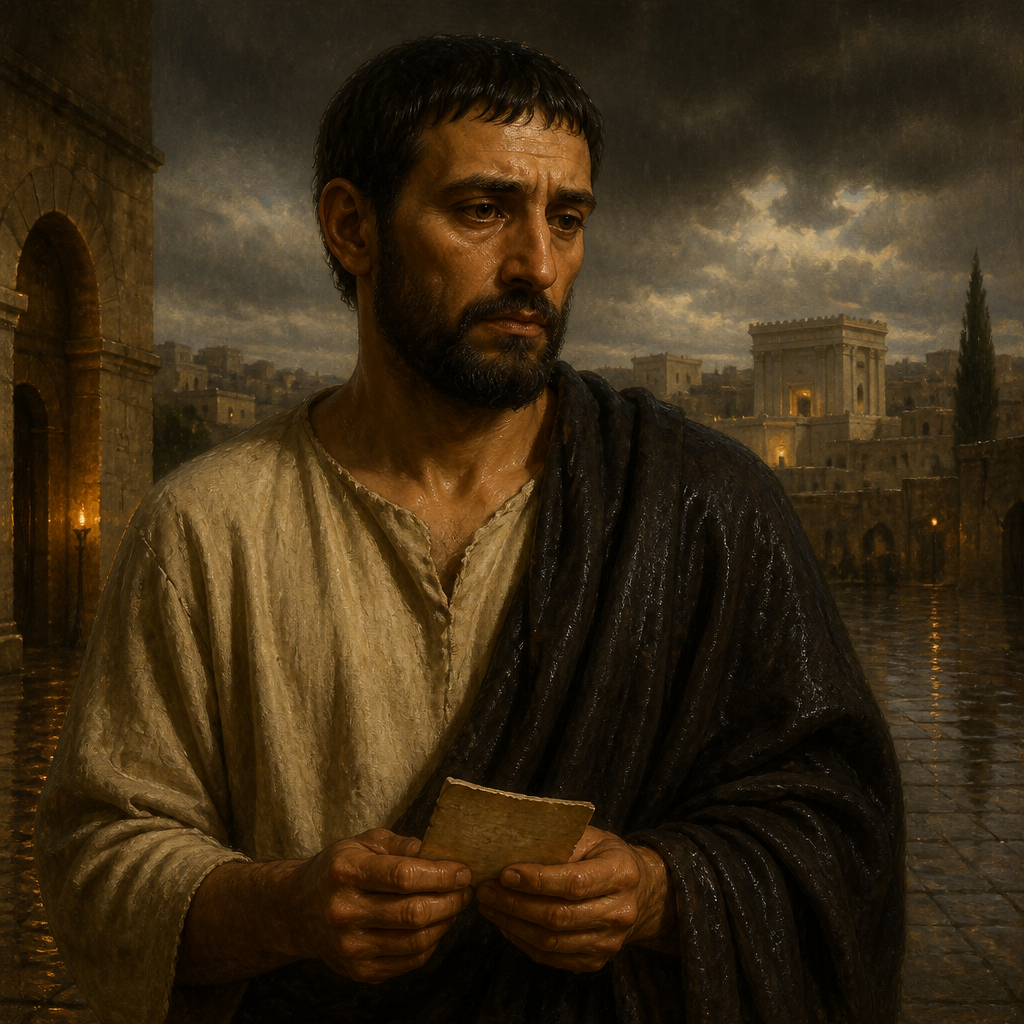
Benaiah was one of the individuals who stood in the rain during the great assembly at Jerusalem, answering the call to separate from their foreign wives and the children born of those unions. The biblical text in Ezra 10:35 lists him among those who followed through with this difficult communal resolution. This act required a formal legal process, involving local judges and elders, to ensure that the covenantal purity of the community was restored according to Ezra’s interpretation of the Torah.
Relationship to Other Biblical Figures
Benaiah’s primary biblical relationship is his connection to the scribe Ezra. As one of the men listed in the closing chapter of the Book of Ezra, he is defined by his response to Ezra’s leadership. He is also grouped with several other members of the family of Bani, including Bedeiah and Cheluhi, who shared in the same legal predicament and subsequent resolution.
Spiritual Significance
Though Benaiah’s mention is brief, his spiritual significance lies in the theme of repentance and the cost of restoration. The list in which he appears is not merely a census, but a record of individual accountability. For Benaiah, the act of putting away his foreign wife represented a tangible, painful sacrifice made for the sake of the community's standing before God.
In the broader narrative of the Post-Exilic Period, Benaiah serves as a representative of the average Israelite who had to navigate the complexities of life in a multi-cultural environment while attempting to maintain a distinct religious identity. His compliance with the reforms of Ezra 10 reflects the rigorous—and at times harsh—measures the post-exilic community felt were necessary to prevent a return to the idolatry of their ancestors.
Spiritual Significance
Benaiah’s inclusion in the list of Ezra 10 signifies the individual responsibility of the common Israelite in the post-exilic restoration. His name is preserved as part of a formal legal document intended to show that the community had successfully purged itself of foreign influences. Theologically, he represents the theme of corporate and individual sanctification, illustrating that restoration often requires difficult personal separation from practices deemed incompatible with a covenant relationship with God.
Frequently Asked Questions
Which family did this Benaiah belong to?
He was a descendant of Bani, a large family group among the returning exiles.
What did Benaiah do in the book of Ezra?
He was one of the men who had married a foreign woman and subsequently agreed to divorce her to comply with Ezra's religious reforms.
When did Benaiah live?
He lived during the Post-Exilic Period, specifically during the time when Ezra the scribe was active in Jerusalem (c. 458 BC).
Is this Benaiah the same as the commander of David's bodyguard?
No. This Benaiah is a layperson living hundreds of years later during the return from the Babylonian exile.
Connected Figures
Ezra
Religious leader and scribe who oversaw Benaiah's reforms
Bedeiah
Kinsman from the sons of Bani
Cheluhi
Kinsman from the sons of Bani
Categories
Mentions by Book
- Ezra1
Others Named Benaiah
Benaiah, Overseer under Hezekiah2 Chronicles 31:13
A Levite or temple official appointed as an overseer of tithes and offerings during the religious reforms of King Hezekiah.
Benaiah, Priest of the Divided Monarchy1 Chronicles 15:18
A Levite priest who played the trumpet before the ark of the covenant during the reign of King David.
Benaiah, Descendant of NeboEzra 10:43
An Israelite who returned from the Babylonian exile and complied with Ezra's decree to put away his foreign wife.
Benaiah, Son of Jehoiada2 Samuel 8:18
A mighty man of valor who served as the commander of King David's elite bodyguard and eventually became the commander-in-chief of King Solomon's army.
Benaiah, Ancestor of Jahaziel2 Chronicles 20:14
A Levite of the Divided Monarchy and a descendant of Asaph, Benaiah is recorded in the lineage of the prophet Jahaziel during the reign of King Jehoshaphat.
Benaiah, Tribal Chief of Simeon1 Chronicles 4:36
A leader and descendant within the tribe of Simeon mentioned in the genealogical records of the Divided Monarchy.
Benaiah the Pirathonite2 Samuel 23:30
An Ephraimite warrior from Pirathon who served as one of King David's elite 'Thirty' and commanded a division of 24,000 men.
Benaiah, Descendant of Pahath-moabEzra 10:30
An Israelite during the post-exilic period who was among those instructed by Ezra to dissolve marriages with foreign women to maintain the spiritual purity of the returning community.
Benaiah, Descendant of ParoshEzra 10:25
An Israelite from the family of Parosh who was among those required to separate from foreign wives during Ezra's post-exilic reforms.
Benaiah, Father of PelatiahEzekiel 11:1
A man living during the Babylonian exile whose son, Pelatiah, was a leader of the people in Jerusalem and the subject of a specific judgment vision by Ezekiel.
Benaiah, Father of Jehoiada1 Chronicles 27:34
A high-ranking counselor or leader during the transition from the United Monarchy to the early Divided Monarchy who fathered a royal advisor.