Benaiah, Tribal Chief of Simeon
A leader and descendant within the tribe of Simeon mentioned in the genealogical records of the Divided Monarchy.
Benaiah is identified in the biblical record as a prominent figure within the tribe of Simeon. He appears specifically within the genealogical listings of 1 Chronicles 4, which details the families and leaders who maintained their ancestral heritage during the period of the Divided Monarchy. As a member of the Simeonite tribe, Benaiah belonged to a group that historically occupied territory in the southern portion of the Promised Land, often integrated with the lands of Judah.
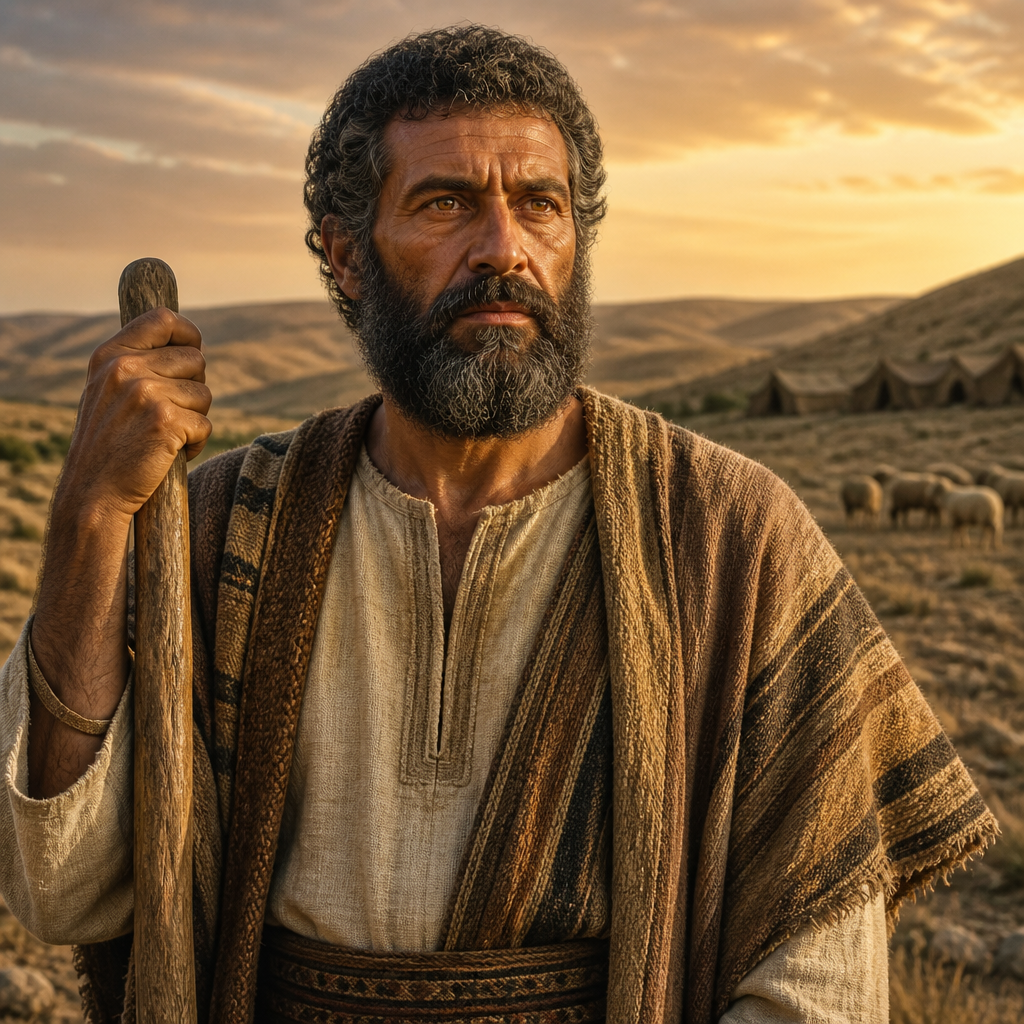
His inclusion in the chronicler’s list signifies his status as a head of a father's house or a significant leader during an era of territorial expansion and tribal reorganization. The record highlights the Simeonite leaders who sought out new pasturelands for their flocks, indicating that Benaiah lived during a time when the tribe was actively securing its economic and geographic stability amidst the geopolitical shifts of the Divided Monarchy.
Background and Family
Benaiah is situated within the specific genealogy of the tribe of Simeon, one of the twelve tribes of Israel. The tribe of Simeon, descended from the second son of Jacob and Leah, was traditionally known for its scattered nature within the territory of Judah, as prophesied by Jacob in Genesis 49. By the time of the Divided Monarchy, the period in which this Benaiah is situated, the tribe was listed among those who sought to maintain their distinct identity and pastoral heritage. The text of 1 Chronicles 4:36 lists Benaiah alongside other notable Simeonites such as Elioenai, Jaakobah, Jeshohaiah, Asaiah, Adiel, and Jesimiel. While the text provides his specific placement within this list of leaders, it does not detail his direct parentage or his descendants, focusing instead on his role as a collective leader of the tribe.
Major Life Events
The biblical record for Benaiah is concentrated in the account of the Simeonite expansion. During the reign of King Hezekiah of Judah (though the genealogy spans several generations of the Divided Monarchy), the tribe of Simeon faced a need for more resources. Benaiah is recorded as one of the 'princes' or leaders whose families increased greatly. These leaders organized a migration to the entrance of Gedor, reaching the east side of the valley to find pasture for their flocks. The chronicler notes that they found 'rich, good pasture' and that the land was 'wide, quiet, and peaceful.' Benaiah’s role, as part of this leadership cohort, involved the displacement of the Hamites who had previously lived there, as well as the Meunites, to secure a permanent dwelling place for his people.
Relationship to Other Biblical Figures
Benaiah is mentioned in a list of thirteen specific individuals who were 'leaders in their clans.' He is grouped with contemporaries such as Elioenai and Jaakobah. This group of men acted in concert to lead their tribe during a period of revival and expansion. His inclusion in this list links him to the broader history of the Southern Kingdom of Judah, as the Simeonites operated within the orbit of the Davidic kings during the Divided Monarchy. The text emphasizes that these men were 'named' or 'distinguished' individuals, suggesting a high degree of social and political standing within the tribal structure of Israel.
Spiritual Significance
The inclusion of Benaiah in the Holy Scriptures serves as a testament to God’s fulfillment of the covenantal promises regarding the survival and provision of the tribes of Israel. Despite the tribal fragmentation that characterized the Divided Monarchy, Benaiah represents the continued vitality of the Simeonites. His life reflects the biblical theme of God providing 'fat pasture' for His people even in times of national division. From a scholarly perspective, Benaiah represents the administrative and genealogical meticulousness of the post-exilic authors who sought to preserve the names of those who remained faithful to their tribal heritage and successfully expanded the borders of the land promised to their ancestors.
Spiritual Significance
Benaiah serves as a representative of tribal leadership and the continuity of the Simeonite heritage during the Divided Monarchy. His mention in the genealogies of Chronicles underscores the importance of individual identity and family lineage in the preservation of Israel's national history. Theologically, his life illustrates the theme of divine provision and the physical manifestation of the inheritance promised to the patriarchs, as his leadership led to the securing of new lands for his tribe.
Furthermore, Benaiah's record contributes to the historical understanding of the internal migrations and territorial shifts that occurred within the Southern Kingdom. He stands as a figure of tribal resilience, ensuring that even the smaller tribes like Simeon were not lost to history but remained active participants in the socio-economic life of the nation until the time of the exile.
Frequently Asked Questions
Which tribe did Benaiah belong to?
When did Benaiah live?
What was Benaiah's role in the Bible?
Where is Benaiah mentioned in the Bible?
Who were Benaiah's contemporaries?
Connected Figures
Elioenai
Tribal peer and fellow leader
Adiel
Tribal peer and fellow leader
Jesimiel
Tribal peer and fellow leader
Categories
Mentions by Book
- 1 Chronicles1
Others Named Benaiah
Benaiah, Descendant of BaniEzra 10:35
An Israelite during the post-exilic period who complied with Ezra’s decree to dissolve marriages to foreign wives to preserve the holiness of the returning community.
Benaiah, Overseer under Hezekiah2 Chronicles 31:13
A Levite or temple official appointed as an overseer of tithes and offerings during the religious reforms of King Hezekiah.
Benaiah, Priest of the Divided Monarchy1 Chronicles 15:18
A Levite priest who played the trumpet before the ark of the covenant during the reign of King David.
Benaiah, Descendant of NeboEzra 10:43
An Israelite who returned from the Babylonian exile and complied with Ezra's decree to put away his foreign wife.
Benaiah, Son of Jehoiada2 Samuel 8:18
A mighty man of valor who served as the commander of King David's elite bodyguard and eventually became the commander-in-chief of King Solomon's army.
Benaiah, Ancestor of Jahaziel2 Chronicles 20:14
A Levite of the Divided Monarchy and a descendant of Asaph, Benaiah is recorded in the lineage of the prophet Jahaziel during the reign of King Jehoshaphat.
Benaiah the Pirathonite2 Samuel 23:30
An Ephraimite warrior from Pirathon who served as one of King David's elite 'Thirty' and commanded a division of 24,000 men.
Benaiah, Descendant of Pahath-moabEzra 10:30
An Israelite during the post-exilic period who was among those instructed by Ezra to dissolve marriages with foreign women to maintain the spiritual purity of the returning community.
Benaiah, Descendant of ParoshEzra 10:25
An Israelite from the family of Parosh who was among those required to separate from foreign wives during Ezra's post-exilic reforms.
Benaiah, Father of PelatiahEzekiel 11:1
A man living during the Babylonian exile whose son, Pelatiah, was a leader of the people in Jerusalem and the subject of a specific judgment vision by Ezekiel.
Benaiah, Father of Jehoiada1 Chronicles 27:34
A high-ranking counselor or leader during the transition from the United Monarchy to the early Divided Monarchy who fathered a royal advisor.