Benaiah, Descendant of Parosh
An Israelite from the family of Parosh who was among those required to separate from foreign wives during Ezra's post-exilic reforms.
Benaiah is a figure appearing in the record of the post-exilic community following the return of the Jewish people from the Babylonian captivity. He is specifically identified as an 'Israelite' belonging to the line of Parosh, a prominent family group within the restoration community. His presence in the biblical text is limited to the specific legal and religious crisis concerning intermarriage described in the Book of Ezra.
Historically, this Benaiah represents the laypeople of Israel who participated in the spiritual re-establishment of the nation. Unlike many of the other men named Benaiah in the Old Testament, this individual is not characterized by military prowess or priestly duties, but rather by his inclusion in a list of individuals who took an oath to uphold the Mosaic Law under the leadership of the scribe Ezra.
Background and Family
Benaiah was a member of the house of Parosh (also rendered as Pharez in some older translations). The family of Parosh appears to have been one of the largest and most influential clans among the returning exiles. According to the census recorded in Ezra 2:3 and Nehemiah 7:8, 2,172 members of this family returned to Jerusalem with Zerubbabel. This Benaiah is listed among the 'other Israelites' (Ezra 10:25), a designation used to distinguish laypeople from the priests, Levites, singers, and gatekeepers.
No specific parentage is provided for this Benaiah, nor is his specific occupation recorded. His identity is defined by his genealogical connection to Parosh and his geographical context in Jerusalem or the surrounding Judean territory during the mid-5th century BC.
Major Life Events
The primary event defining Benaiah’s life occurs in the tenth chapter of the Book of Ezra. Upon his arrival in Jerusalem, Ezra the scribe was informed that the people of Israel—including the leadership—had 'not separated themselves from the peoples of the lands' (Ezra 9:1) and had taken foreign wives. This was viewed as a violation of the covenant that threatened the spiritual purity and survival of the small remnant.
Benaiah is explicitly named in Ezra 10:25 as one of the seven men from the family of Parosh who were found to have married foreign women. Following a public assembly in the heavy rain, a commission was established to investigate each case. Benaiah was among those who ultimately agreed to send away their foreign wives and children, offering a trespass offering for their guilt as part of a collective national repentance.
Relationship to Other Biblical Figures
Benaiah is listed alongside six other kinsmen from the line of Parosh: Ramiah, Izziah, Malchijah, Mijamin, Eleazar, and a second Malchijah. He functioned under the spiritual authority of Ezra, who presided over the reform. While he shares a name with several other prominent figures in Israelite history, the text provides no indication of a familial link to the more famous military commanders or priests of previous centuries. He represents the common Israelite struggling to navigate the cultural and religious pressures of the post-exilic environment.
Spiritual Significance
The inclusion of Benaiah’s name in the biblical canon serves a specific genealogical and historical purpose. In the context of the Post-Exilic Period, the meticulous recording of names like Benaiah’s was an act of preserving the identity of the 'holy seed.'
Though his mention is brief and tied to a moment of failure, his subsequent listing among those who complied with Ezra’s decree signifies his role in the preservation of the community. His life reflects the complexities of the restoration: the difficulty of maintaining distinct religious boundaries and the necessity of individual accountability within the corporate body of Israel. He stands as a representative of the thousands of unnamed returnees who were called to radical obedience in the rebuilding of the nation.
Spiritual Significance
Benaiah's mention in Ezra 10 is significant for understanding the social and religious reforms of the post-exilic community. His inclusion in the list of those who intermarried with neighboring peoples illustrates that even within prominent families like Parosh, the influence of local cultures was pervasive. His story underscores the priority the post-exilic leadership placed on strict adherence to the Torah as the foundation for the new community.
Theologically, Benaiah represents the 'remnant'—a group defined not just by their return to the land, but by their willingness to undergo painful social and personal corrections to remain in covenant with God. His presence in the list serves as a historical testimony to the specific men who participated in the spiritual purification of Israel during the time of Ezra.
Frequently Asked Questions
Who was Benaiah's father?
The biblical text does not name Benaiah's father, identifying him only as a 'descendant of Parosh' in Ezra 10:25.
What did Benaiah do that was recorded in the Bible?
Benaiah is recorded as one of the Israelites who had married a foreign woman and subsequently agreed to divorce her during Ezra's religious reforms.
What tribe did Benaiah belong to?
His specific tribe is not stated, though the house of Parosh is traditionally associated with the tribe of Judah, the primary tribe that returned from the Babylonian exile.
When did Benaiah live?
He lived during the Post-Exilic Period, specifically during the time of Ezra's return to Jerusalem, approximately 458 BC.
Is this the same Benaiah who was King David's bodyguard?
No. This Benaiah is a different individual living centuries later during the return from the Babylonian exile.
Connected Figures
Ezra
Spiritual Leader and Scribe
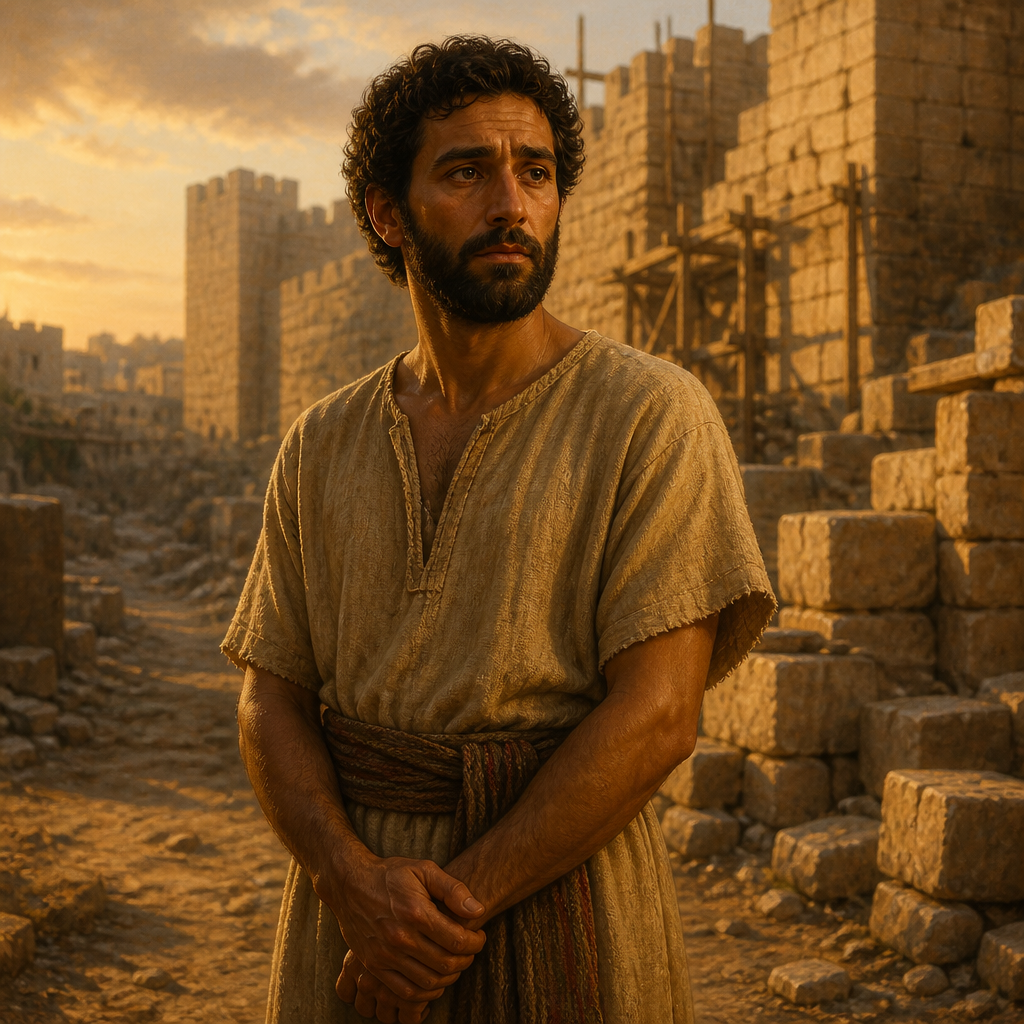
Ramiah
Kinsman/Descendant of Parosh
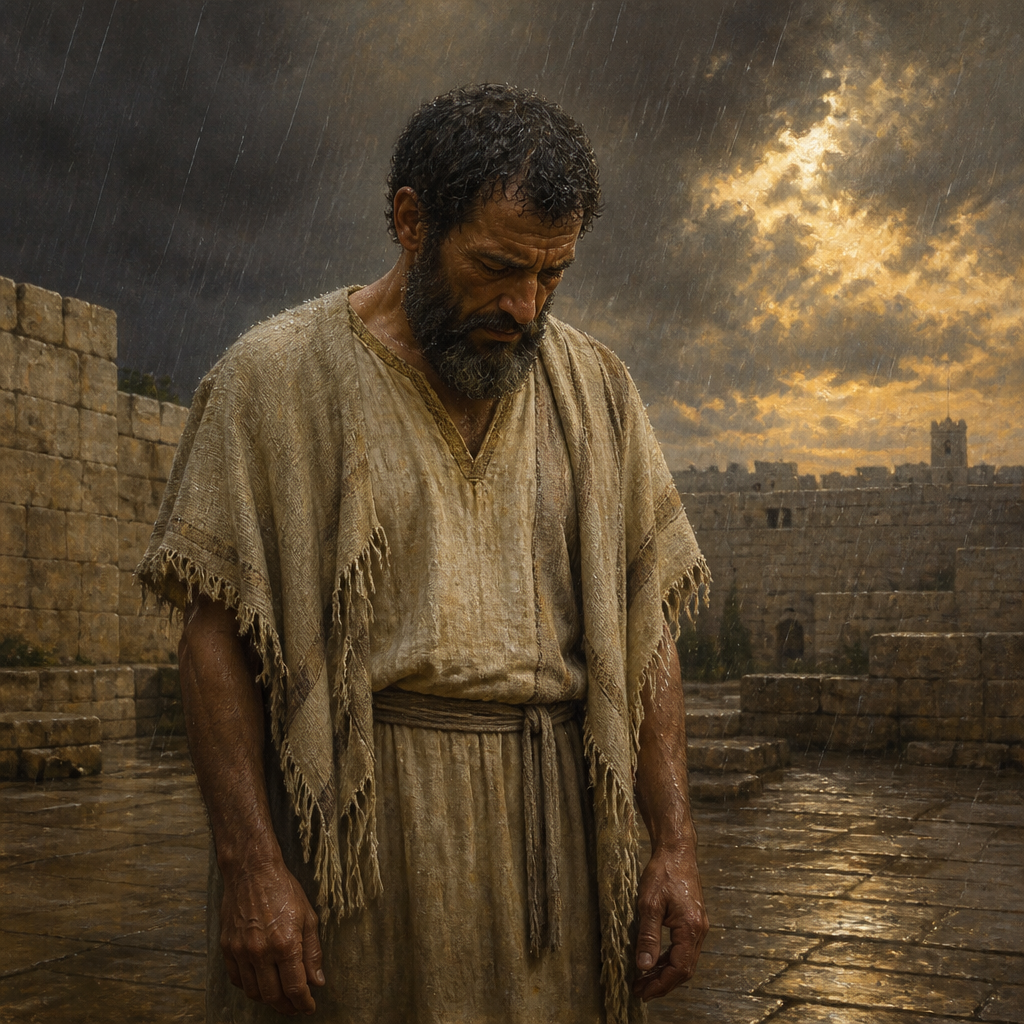
Izziah
Kinsman/Descendant of Parosh
Categories
Mentions by Book
- Ezra1
Others Named Benaiah
Benaiah, Descendant of BaniEzra 10:35
An Israelite during the post-exilic period who complied with Ezra’s decree to dissolve marriages to foreign wives to preserve the holiness of the returning community.
Benaiah, Overseer under Hezekiah2 Chronicles 31:13
A Levite or temple official appointed as an overseer of tithes and offerings during the religious reforms of King Hezekiah.
Benaiah, Priest of the Divided Monarchy1 Chronicles 15:18
A Levite priest who played the trumpet before the ark of the covenant during the reign of King David.
Benaiah, Descendant of NeboEzra 10:43
An Israelite who returned from the Babylonian exile and complied with Ezra's decree to put away his foreign wife.
Benaiah, Son of Jehoiada2 Samuel 8:18
A mighty man of valor who served as the commander of King David's elite bodyguard and eventually became the commander-in-chief of King Solomon's army.
Benaiah, Ancestor of Jahaziel2 Chronicles 20:14
A Levite of the Divided Monarchy and a descendant of Asaph, Benaiah is recorded in the lineage of the prophet Jahaziel during the reign of King Jehoshaphat.
Benaiah, Tribal Chief of Simeon1 Chronicles 4:36
A leader and descendant within the tribe of Simeon mentioned in the genealogical records of the Divided Monarchy.
Benaiah the Pirathonite2 Samuel 23:30
An Ephraimite warrior from Pirathon who served as one of King David's elite 'Thirty' and commanded a division of 24,000 men.
Benaiah, Descendant of Pahath-moabEzra 10:30
An Israelite during the post-exilic period who was among those instructed by Ezra to dissolve marriages with foreign women to maintain the spiritual purity of the returning community.
Benaiah, Father of PelatiahEzekiel 11:1
A man living during the Babylonian exile whose son, Pelatiah, was a leader of the people in Jerusalem and the subject of a specific judgment vision by Ezekiel.
Benaiah, Father of Jehoiada1 Chronicles 27:34
A high-ranking counselor or leader during the transition from the United Monarchy to the early Divided Monarchy who fathered a royal advisor.