Micaiah, Son of Imlah
A prophet of the Northern Kingdom of Israel during the Divided Monarchy who courageously predicted the death of King Ahab in battle despite facing intense royal opposition.
Micaiah, the son of Imlah, was a prophet of the Lord in the Northern Kingdom of Israel during the 9th century BC. He is primarily known for his final, fateful confrontation with King Ahab of Israel and King Jehoshaphat of Judah. His ministry is characterized by an unwavering commitment to the word of God, even when that word stood in direct opposition to the political climate and the consensus of the religious establishment of his day.
While he is mentioned in only two parallel accounts in 1 Kings and 2 Chronicles, the narrative regarding Micaiah provides one of the most vivid depictions of the prophetic office in the Old Testament. He is presented as a man who had already earned the King of Israel's disdain for his refusal to provide favorable or sycophantic prophecies, leading to his eventual imprisonment for speaking the truth regarding Ahab’s impending doom at Ramoth-gilead.
Background and Family
Micaiah is identified specifically as the son of Imlah. While his tribal affiliation is not explicitly stated in the biblical text, his activity is centered in Samaria, the capital of the Northern Kingdom of Israel. The scriptural record indicates that by the time of the campaign against Ramoth-gilead (c. 853 BC), Micaiah already had a significant history with King Ahab. Ahab’s remark, "I hate him because he never prophesies anything good for me, but only bad" (1 Kings 22:8), suggests a long-standing tension between the prophet's divine messages and the king's political desires.
Major Life Events
The Inquiry of the Kings
The most detailed account of Micaiah’s life occurs when Jehoshaphat, the King of Judah, visited Ahab to discuss a joint military venture to reclaim Ramoth-gilead from the Arameans. Although four hundred prophets of Ahab predicted victory, Jehoshaphat requested a "prophet of the LORD" (YHWH). Ahab reluctantly summoned Micaiah, who was likely already in custody or under surveillance due to his previous unfavorable prophecies.
The Prophecy of Truth
A royal messenger urged Micaiah to align his message with the other prophets, but Micaiah responded with a foundational statement of prophetic integrity: "As surely as the LORD lives, I will speak whatever the LORD tells me" (1 Kings 22:14). Initially, Micaiah answered the king with sarcasm, mimicking the empty encouragement of the false prophets. However, when Ahab adjured him to speak only the truth, Micaiah delivered a haunting vision: he saw Israel scattered on the hills like sheep without a shepherd, signifying the death of the king.
The Heavenly Vision
To explain why the other four hundred prophets were encouraging the war, Micaiah described a vision of the heavenly throne room. He claimed that the Lord had permitted a "lying spirit" to enter the mouths of Ahab’s prophets to lead the king to his destruction at Ramoth-gilead. This bold claim led the false prophet Zedekiah son of Chenaanah to strike Micaiah in the face. Micaiah remained undeterred, predicting that Zedekiah would eventually hide in fear when the prophecy was fulfilled.
Imprisonment and Vindication
Following his testimony, Ahab ordered Micaiah to be imprisoned and fed only "bread and water of affliction" until the king returned in peace. Micaiah’s final recorded words were a public challenge: "If you ever return safely, the LORD has not spoken through me" (1 Kings 22:28). The subsequent narrative records that Ahab was struck by a random arrow during the battle and died, exactly as Micaiah had foreseen, thereby vindicating Micaiah as a true prophet of God.
Relationship to Other Biblical Figures
Micaiah’s primary relationship is one of antagonistic confrontation with King Ahab. Unlike the court prophets who sought royal favor, Micaiah served as a foil to Ahab's rebellion against God. He also interacted with King Jehoshaphat, whose desire for a genuine word from the Lord brought Micaiah onto the scene. His interaction with the false prophet Zedekiah son of Chenaanah highlights the conflict between true divine revelation and the institutionalized religious figures who supported the state’s agenda.
Spiritual Significance
Theologically, Micaiah represents the "lonely voice" of truth against a corrupted majority. His story illustrates the biblical concept that the word of God is not subject to majority vote or political convenience. The account in the heavenly courtroom provides a rare glimpse into the biblical understanding of divine sovereignty and the nature of false prophecy. Micaiah’s willingness to suffer imprisonment and physical abuse rather than alter his message serves as a paradigm for later prophets like Jeremiah and the apostles in the New Testament who faced similar persecution for their testimony.
Spiritual Significance
Micaiah is a pivotal figure in demonstrating the integrity of the prophetic office. His refusal to succumb to peer pressure from four hundred other prophets or the intimidation of the king establishes him as a primary example of a true prophet who speaks only what God commands. His story underscores the reality of divine judgment upon those who reject the truth in favor of comfortable lies.
Furthermore, Micaiah's vision of the 'lying spirit' serves as a complex theological study in the sovereignty of God over human deception. It emphasizes that even the mechanisms of falsehood can be used by God to bring about His decreed justice. His final appeal to the people to 'take heed' marks him as a witness whose words were meant not just for the king, but for the entire nation of Israel as a warning against apostasy.
Frequently Asked Questions
Why did King Ahab hate Micaiah?
Ahab hated Micaiah because the prophet never spoke favorable or 'good' things concerning the king's plans, but instead delivered messages of divine rebuke and impending judgment.
What happened to Micaiah after he was sent to prison?
The Bible does not record Micaiah's fate after the death of Ahab. His last recorded appearance is being led away to prison on orders to be fed 'bread and water of affliction' until the king's return.
Was Micaiah's prophecy about Ahab fulfilled?
Yes. Micaiah predicted that the king would not return safely and that Israel would be left without a leader. Ahab was killed by an arrow in the battle at Ramoth-gilead, exactly as Micaiah indicated.
Why did Micaiah initially tell Ahab to 'go up and triumph'?
Micaiah likely used sarcasm to mimic the four hundred false prophets, highlighting the absurdity of the king's desire for false flattery before delivering the true, devastating word of God.
Who was the false prophet that struck Micaiah?
Zedekiah son of Chenaanah was the prophet who struck Micaiah in the face after Micaiah revealed his vision of the lying spirit.
Connected Figures
Ahab
Oppressor and King of Israel
Jehoshaphat
King of Judah who requested his counsel
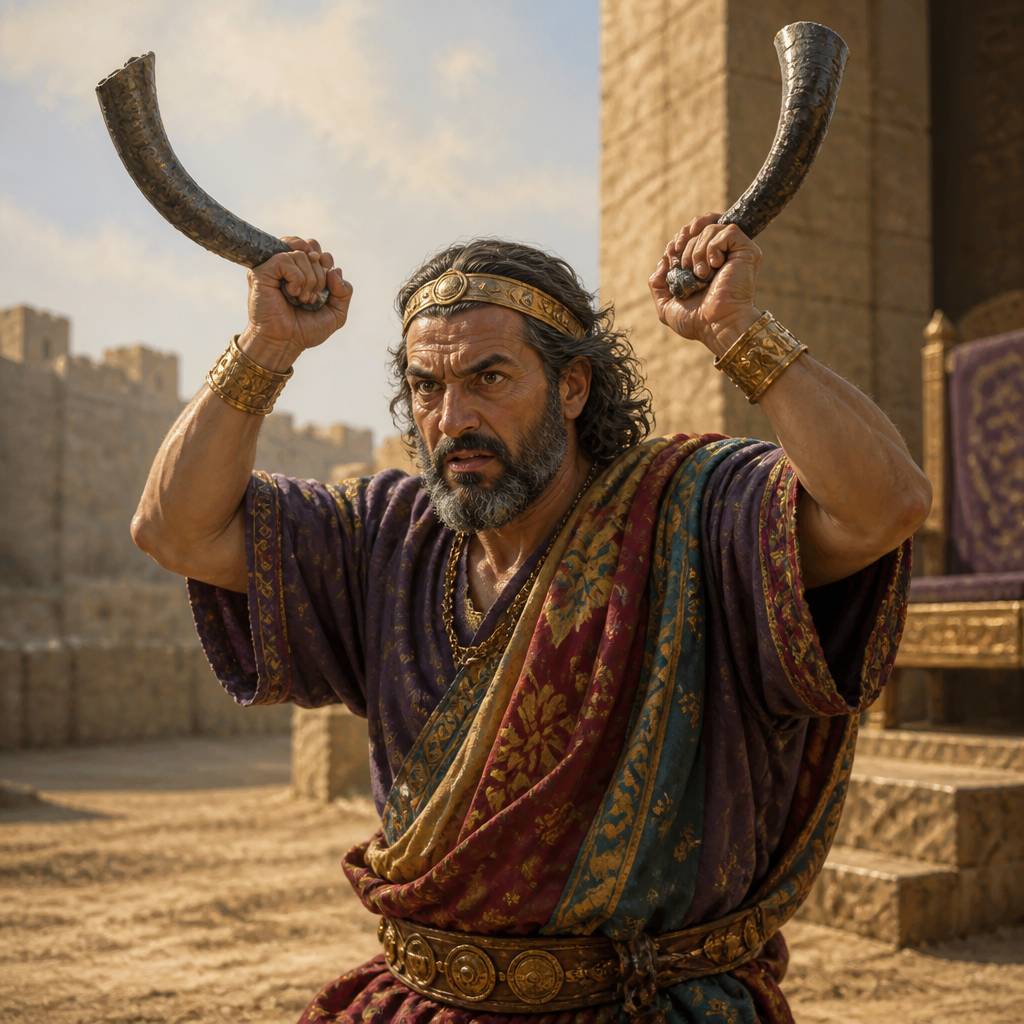
Zedekiah son of Chenaanah
Prophetic antagonist
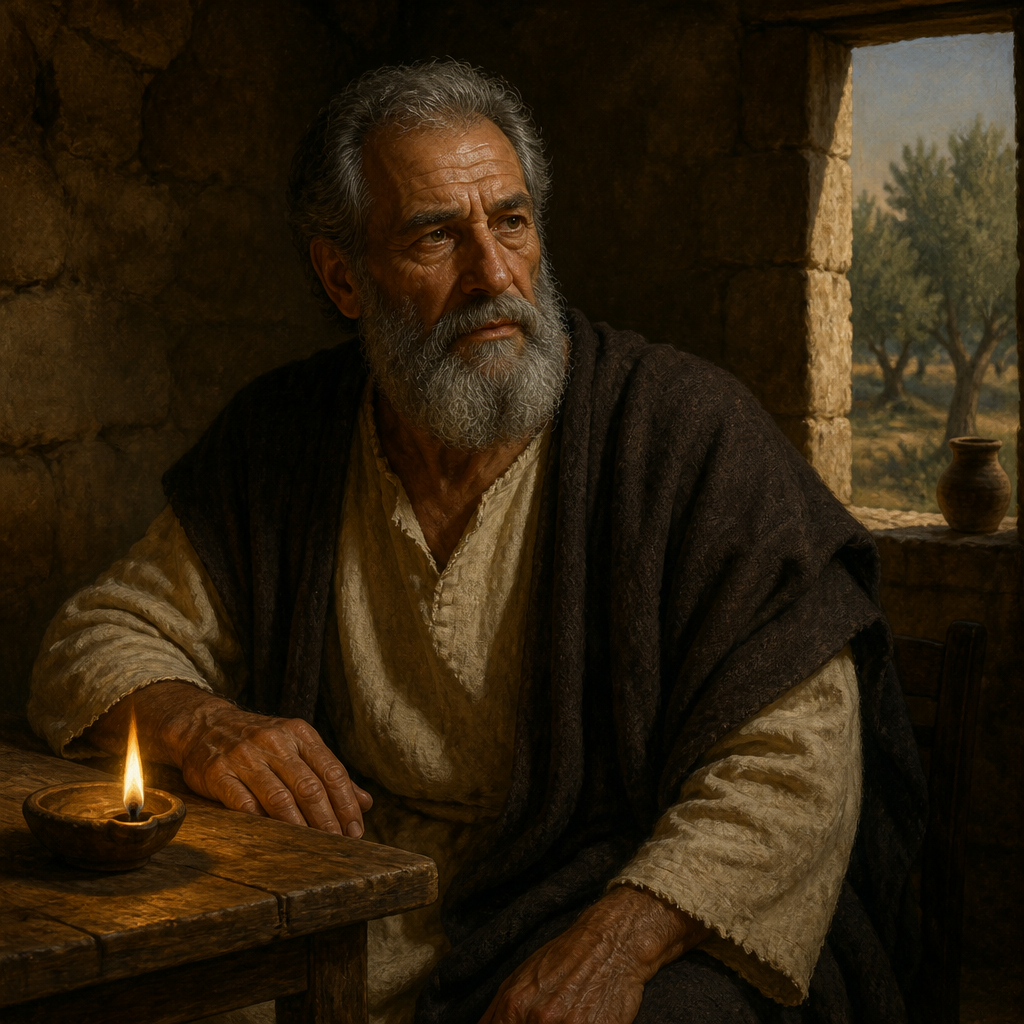
Imlah
Father
Categories
Mentions by Book
- 1 Kings9
- 2 Chronicles9
Family & Relationships
Parent
1 Kings 22:8
Others Named Micaiah
Micaiah, Priest of the RestorationNehemiah 12:41
A Jewish priest who participated in the joyous dedication ceremony of the rebuilt walls of Jerusalem under the leadership of Nehemiah.
Micaiah, Father of Achbor2 Kings 22:12
A Judean man of the late 7th century BC whose son, Achbor, served as a high-ranking official in the royal court of King Josiah.
Micaiah, Official of Jehoshaphat2 Chronicles 17:7
A Judean official appointed by King Jehoshaphat to travel throughout the kingdom and teach the Book of the Law to the people.
Micaiah, Son of GemariahJeremiah 36:11
A Judean noble who witnessed the public reading of Jeremiah’s prophecies and alerted the royal officials during the reign of King Jehoiakim.