Maaseiah, Father of Zedekiah the False Prophet
The father of the false prophet Zedekiah who was executed by Nebuchadnezzar during the Divided Monarchy.
Maaseiah was a Judean living during the turbulent era of the Divided Monarchy, specifically during the final decades of the Kingdom of Judah. He is known to history primarily through his son, Zedekiah, who emerged as a figure of religious and political controversy among the exiles in Babylon. While Maaseiah's own direct actions are not recorded, his lineage is linked to a significant moment of divine judgment delivered through the prophet Jeremiah.
His life coincided with the rise of the Neo-Babylonian Empire and the subsequent deportations of the Jewish people. Maaseiah's family line became a symbol of the spiritual deception that plagued the nation during its decline, as his son was singled out by God for prophesying lies to the people in captivity.
Background and Family
The historical record regarding Maaseiah is brief, preserved within the prophetic correspondence of Jeremiah. He lived during the late Divided Monarchy, a period characterized by the encroaching power of Babylon and internal spiritual decay in Judah. While his specific tribe or profession is not explicitly stated in the text of Jeremiah 29, the mention of his name in the context of the Babylonian exile suggests he was part of the Judean community that suffered under the geopolitical shifts of the early 6th century BC.
Maaseiah is identified exclusively as the father of Zedekiah. In the social structure of ancient Judah, the naming of a father was essential for establishing legal and social identity. However, in this instance, the patronymic serves to identify a man whose son would become a cautionary tale in the history of Israel’s exile.
Major Life Events
Maaseiah’s primary footprint in the biblical narrative occurs in a letter sent by the prophet Jeremiah from Jerusalem to the elders, priests, and prophets already in Babylonian exile. In this letter, recorded in Jeremiah 29, the Lord issues a specific indictment against Maaseiah’s son, Zedekiah, and another man named Ahab.
According to the text, Zedekiah son of Maaseiah had been "prophesying lies" in the name of the Lord. Because of this spiritual treason, God declared that Maaseiah’s son would be delivered into the hands of Nebuchadnezzar, the King of Babylon. The biblical record indicates that Zedekiah was to be executed "before your very eyes," serving as a public spectacle of the consequences of false prophecy. While the text does not record Maaseiah's personal reaction or his own location at the time—whether he remained in Jerusalem or was also in Babylon—he is forever associated with the judgment brought upon his house.
Relationship to Other Biblical Figures
Maaseiah is directly linked to his son, Zedekiah. It is important to distinguish this Zedekiah from the king of the same name who reigned as the last monarch of Judah. This Zedekiah was a self-styled prophet who worked alongside Ahab son of Kolaiah. The relationship between Maaseiah and his son is the only familial connection provided, serving as a biological marker to ensure the audience of Jeremiah's letter could correctly identify which "Zedekiah" was being targeted for divine judgment.
Spiritual Significance
In the broader context of the book of Jeremiah, Maaseiah represents the generation of fathers whose children were led astray by the prevailing culture of false hope and religious deception. The mention of his name in Jeremiah 29:21 stands as a grim testament to the failure of the prophetic office among certain segments of the Judean people. The execution of his son became so infamous that it entered the vernacular of the exiles as a curse (Jeremiah 29:22). Thus, the name of Maaseiah is inextricably linked to the theological theme of divine truth versus human deception during the judgment of the Divided Monarchy.
Spiritual Significance
Theologically, Maaseiah's significance lies in his association with the integrity of the prophetic word. As the father of a false prophet, his name is preserved in a divine oracle that distinguishes between the true word of God (delivered by Jeremiah) and the lies of those seeking political or social favor. His mention underscores the individual and familial accountability present in the covenant relationship between God and Israel.
Furthermore, the judgment on Maaseiah’s son serves as a fulfillment of the Mosaic warnings regarding those who speak falsely in God's name. Maaseiah’s place in the text ensures that the historical reality of the exile is seen not just as a political event, but as a spiritual reckoning that affected specific families and lineages within the nation of Judah.
Frequently Asked Questions
Who was Maaseiah's son?
Maaseiah's son was Zedekiah, a man who falsely claimed to be a prophet of God while in Babylonian exile.
What happened to Maaseiah's son, Zedekiah?
According to Jeremiah 29:21, King Nebuchadnezzar of Babylon executed him after God delivered him into the king's hands for prophesying lies.
In which book of the Bible is this Maaseiah mentioned?
He is mentioned in the Book of Jeremiah, specifically in chapter 29, verse 21.
When did Maaseiah live?
He lived during the Divided Monarchy and the early years of the Babylonian exile, roughly in the early 6th century BC.
Connected Figures
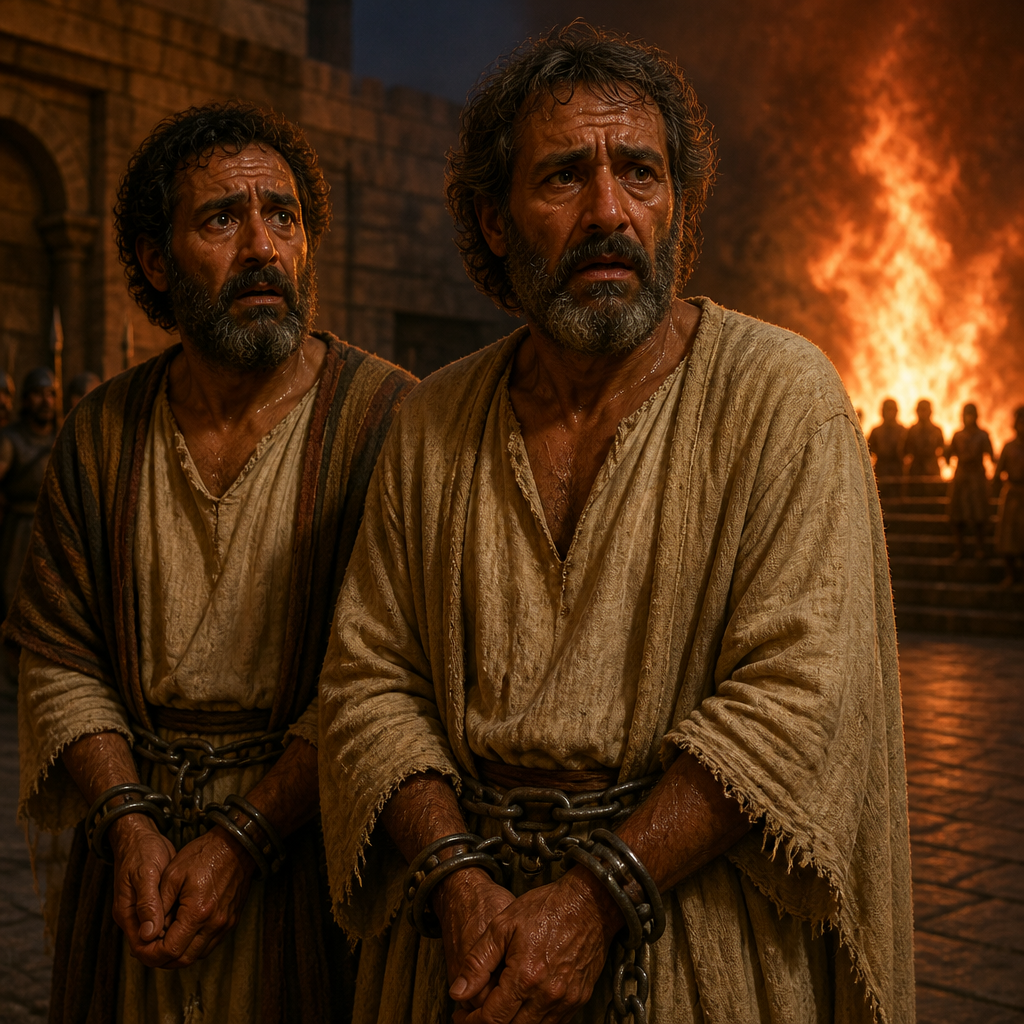
Zedekiah son of Maaseiah
Son
Jeremiah
Prophet who recorded his son's judgment
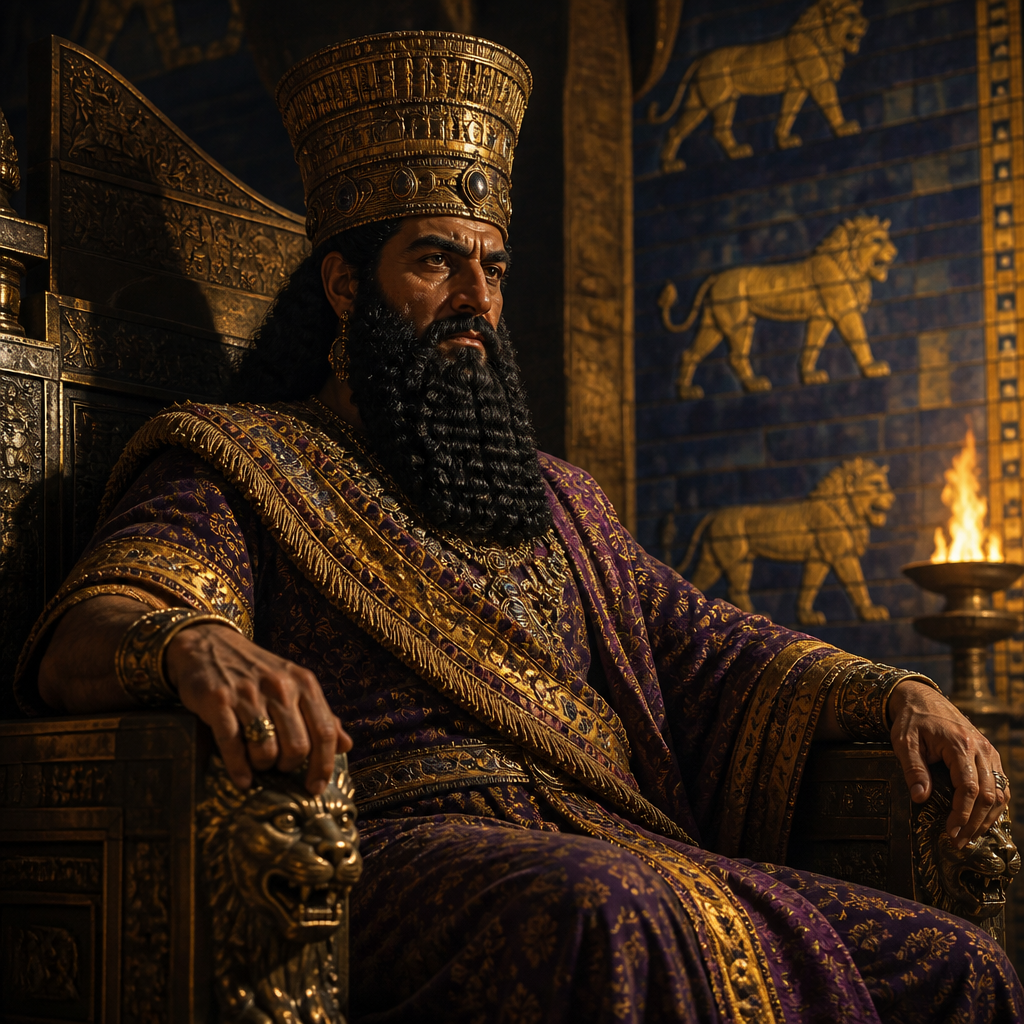
Nebuchadnezzar
King who executed his son
Categories
Mentions by Book
- Jeremiah1
Family & Relationships
Child
Jeremiah 29:21
Others Named Maaseiah
Maaseiah son of Shallum, DoorkeeperJeremiah 35:4
A Levite official and doorkeeper of the Temple in Jerusalem during the final years of the Divided Monarchy.
Maaseiah the Officer2 Chronicles 26:11
A high-ranking military officer in the Judean army who served under King Uzziah during the 8th century BC.
Maaseiah, Father of AzariahNehemiah 3:23
Maaseiah, son of Ananiah, was a resident of Jerusalem during the Post-Exilic Period whose son Azariah participated in the rebuilding of the city walls under Nehemiah.
Maaseiah, Priest of the Exile and ReturnEzra 10:18
A descendant of the priest Jeshua who was among the post-exilic leadership identified for having married a foreign woman during the return to Jerusalem.
Maaseiah of the Harim ClanEzra 10:21
A member of the descendants of Harim who returned to Jerusalem after the Babylonian exile and was identified for having married a foreign woman.
Maaseiah, Father of ZephaniahJeremiah 21:1
A man of the Divided Monarchy whose son, Zephaniah the priest, served as a prominent diplomatic and religious official during the final years of the Kingdom of Judah.
Maaseiah, Signer of the CovenantNehemiah 10:25
A leader of the Jewish people during the Post-Exilic Period who signed the sacred covenant to follow God's law under Nehemiah.
Maaseiah son of BaruchNehemiah 11:5
A descendant of Judah through the line of Shelah who resettled in Jerusalem during the Post-Exilic Period under the leadership of Nehemiah.
Maaseiah of the Pashhur ClanEzra 10:22
A member of the descendants of Pashhur who returned to Jerusalem after the Babylonian exile and was cited in the book of Ezra.
Maaseiah of the Pahath-moab ClanEzra 10:30
A member of the descendants of Pahath-moab who returned from the Babylonian exile and committed to separating from his foreign wife during Ezra's reforms.
Maaseiah the TrumpeterNehemiah 12:41
A priest and musician who played the trumpet during the formal dedication of the rebuilt walls of Jerusalem under the leadership of Nehemiah.
Maaseiah, Musician of the Divided Monarchy1 Chronicles 15:18
A Levite musician appointed to play the harp during the transport of the Ark of the Covenant to Jerusalem during the Divided Monarchy era.
Maaseiah the InstructorNehemiah 8:7
A Levite during the Post-Exilic Period who assisted Ezra the scribe by instructing the people of Jerusalem in the understanding of the Mosaic Law.
Maaseiah, Ancestor of SalluNehemiah 11:7
A Benjamite ancestor whose descendant, Sallu, was among the first to resettle Jerusalem following the return from the Babylonian exile.
Maaseiah, Singer of the Wall DedicationNehemiah 12:42
A participant in the joyous musical procession during the dedication of Jerusalem's rebuilt walls under Nehemiah.
Maaseiah son of Adaiah2 Chronicles 23:1
A military commander of hundreds who entered into a sacred covenant with the high priest Jehoiada to overthrow Queen Athaliah and restore the Davidic line to the throne.
Maaseiah, son of King Ahaz2 Chronicles 28:7
A Judean prince and son of King Ahaz who was killed by Zichri of Ephraim during the Syro-Ephraimite War.
Maaseiah, Governor of Jerusalem2 Chronicles 34:8
A high-ranking Judean official who served as the governor of Jerusalem during the reign and religious reforms of King Josiah.
Maaseiah, Attendant to EzraNehemiah 8:4
A prominent leader or official who stood to the right of Ezra the scribe during the historic public reading of the Law in Jerusalem.