Hilkiah the High Priest
The high priest during the reign of King Josiah who discovered the 'Book of the Law' in the Temple, sparking a national spiritual reformation in Judah.
Hilkiah was the high priest of the Temple in Jerusalem during the late 7th century BC, serving under the righteous King Josiah. A member of the tribe of Levi and a descendant of the Zadokite line, Hilkiah occupied the highest religious office in the Kingdom of Judah during a pivotal moment of transition between the idolatry of previous reigns and the brief spiritual revival before the Babylonian exile.
Background and Family
Hilkiah was a Levite of the line of Zadok, the priestly lineage established during the time of King Solomon. According to the genealogies recorded in 1 Chronicles 6:13 and 9:11, Hilkiah was the son of Shallum and the father of Azariah. His position as 'high priest' (Hebrew: ha-kohen ha-gadol) indicates he was the supreme religious authority in Judah. His family continued to hold significant influence in the centuries that followed; the book of Ezra identifies Ezra the Scribe as a descendant of Hilkiah (Ezra 7:1), and Nehemiah 11:11 mentions his lineage as 'chief officials of the house of God.' Additionally, Hilkiah had a son named Gemariah, who served as an official during the reign of King Zedekiah (Jeremiah 29:3).
Major Life Events
The Discovery of the Law
In the eighteenth year of King Josiah’s reign (c. 622 BC), the king initiated a project to repair and renovate the Temple of the LORD in Jerusalem, which had fallen into disrepair during the reigns of Manasseh and Amon. Hilkiah was tasked with managing the silver collected from the people by the doorkeepers to pay the workmen (2 Kings 22:4, 2 Chronicles 34:9).
During the process of bringing out the money, Hilkiah discovered a scroll described as 'the Book of the Law of the LORD written by Moses' (2 Chronicles 34:14). Scholars generally identify this scroll as the book of Deuteronomy or a significant portion of the Pentateuch. Hilkiah reported the find to Shaphan the scribe, saying, 'I have found the Book of the Law in the house of the LORD!' (2 Kings 22:8).
The Inquiry of Huldah
When the contents of the book were read to King Josiah, he tore his clothes in grief, realizing that the nation had failed to uphold the covenant of their fathers. The king commanded a delegation—consisting of Hilkiah, Shaphan, Ahikam, Achbor, and Asaiah—to inquire of the LORD regarding the words of the scroll. The group sought out the prophetess Huldah, who confirmed that the judgments written in the book would come to pass due to Judah's idolatry, though Josiah himself would be spared from seeing the destruction because of his repentance (2 Kings 22:12-20).
The Josiah Reformation
Following the discovery, Hilkiah was instrumental in implementing the king's subsequent reforms. He was ordered to remove all articles made for Baal, Asherah, and the 'host of heaven' from the Temple and to destroy them (2 Kings 23:4). He also played a logistical and leadership role in the great Passover celebration that followed, contributing livestock for the priests to ensure the feast was observed according to the newly rediscovered Law (2 Chronicles 35:8).
Relationship to Other Biblical Figures
Hilkiah worked in close partnership with the royal court, specifically with Shaphan the scribe. This collaboration between the religious head (Hilkiah) and the administrative head (Shaphan) was essential for the success of Josiah’s reforms. His interaction with Huldah the prophetess demonstrates the high priest’s submission to the prophetic word during this era. Furthermore, his son Gemariah appears in the book of Jeremiah as a trusted messenger to the exiles in Babylon, suggesting that Hilkiah’s family remained prominent in the diplomatic and religious life of Judah until its fall.
Spiritual Significance
Hilkiah represents the restoration of the Word of God to its central place in the life of the community. His discovery serves as a biblical archetype for spiritual 'rediscovery'—the idea that even in times of deep apostasy, the truth of God remains preserved within His sanctuary, waiting for a faithful steward to find it. His willingness to immediately hand the scroll to the civil authorities (Shaphan and the King) rather than keeping it for internal priestly use facilitated a national rather than merely institutional change. For this reason, Hilkiah is remembered not for his own words, but for his role as the guardian and recoverer of the Mosaic tradition during Judah's final spiritual flourishing.
Spiritual Significance
Theologically, Hilkiah is the catalyst for the 'Deuteronomic Reform.' His discovery of the Law established the precedent that the legitimacy of the monarchy and the priesthood must be grounded in the written Word of God. This moment marks a shift toward a book-centered faith, which would become the sustaining force for the Jewish people during the upcoming Babylonian exile.
Furthermore, Hilkiah’s lineage bridges the pre-exilic Temple and the post-exilic restoration. Through his descendants like Ezra, the priestly tradition Hilkiah protected was carried back to Jerusalem, ensuring the continuity of the covenantal worship after the Captivity.
Frequently Asked Questions
What book did Hilkiah find in the Temple?
Hilkiah found the 'Book of the Law' (Sefer ha-Torah), which most scholars and biblical internal evidence suggest was the Book of Deuteronomy or the complete Mosaic Law (the Pentateuch).
Who was the king during Hilkiah's time as High Priest?
Hilkiah served under King Josiah, the last great righteous king of Judah before the Babylonian conquest.
How did Hilkiah's discovery change Judah?
It led to a massive national reformation where idols were destroyed, the Temple was purified, and the Passover was celebrated for the first time in years according to the written Law.
Was Hilkiah related to the prophet Jeremiah?
While Jeremiah was the son of a man named Hilkiah from Anathoth (Jeremiah 1:1), the Bible does not explicitly link Jeremiah to this specific High Priest Hilkiah. However, the High Priest's son Gemariah does appear later in the book of Jeremiah as an official.
Who was Hilkiah's father?
According to the genealogies in 1 Chronicles, Hilkiah was the son of Shallum.
Connected Figures
Josiah
King who Hilkiah served under
Shaphan
Royal scribe and close associate
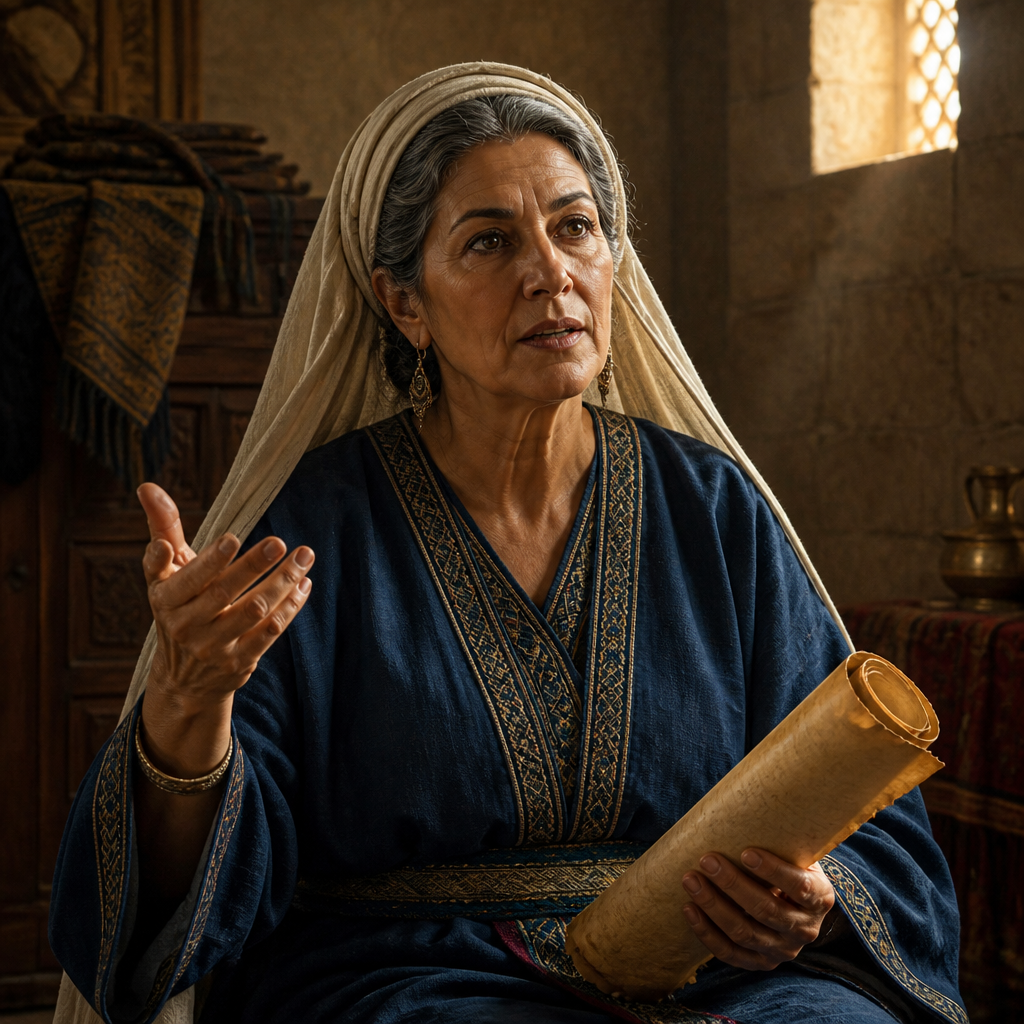
Huldah
Prophetess Hilkiah consulted
Azariah
Son
Gemariah
Son
Categories
Mentions by Book
- 2 Chronicles7
- 2 Kings7
- 1 Chronicles2
- Ezra1
- Jeremiah1
- Nehemiah1
Family & Relationships
Child
Azariah, High Priest of the Divided Monarchy
2 Kings 22:4
Child
2 Kings 22:4
Parent
1 Chronicles 6:12
Others Named Hilkiah the High Priest
Hilkiah, Son of Hosah1 Chronicles 26:11
A Merarite Levite and gatekeeper appointed by King David to serve at the Tabernacle during the Divided Monarchy transition.
Hilkiah, Father of Eliakim2 Kings 18:18
A high-ranking official during the Divided Monarchy and the father of King Hezekiah’s palace administrator, Eliakim.
Hilkiah, a Priest of the ReturnNehemiah 12:7
A prominent priest and leader who returned from the Babylonian exile to Jerusalem during the time of Jeshua.
Hilkiah, Son of Amzi1 Chronicles 6:45
A Merarite Levite from the line of Ethan who served in the musical service of the house of the Lord during the Divided Monarchy.
Hilkiah, Father of JeremiahJeremiah 1:1
A priest from the town of Anathoth in the territory of Benjamin and the father of the major prophet Jeremiah.
Hilkiah, Associate of EzraNehemiah 8:4
A notable leader or priest who stood beside Ezra the scribe during the public reading of the Law following the return from Babylonian exile.