Hilkiah, Son of Hosah
A Merarite Levite and gatekeeper appointed by King David to serve at the Tabernacle during the Divided Monarchy transition.
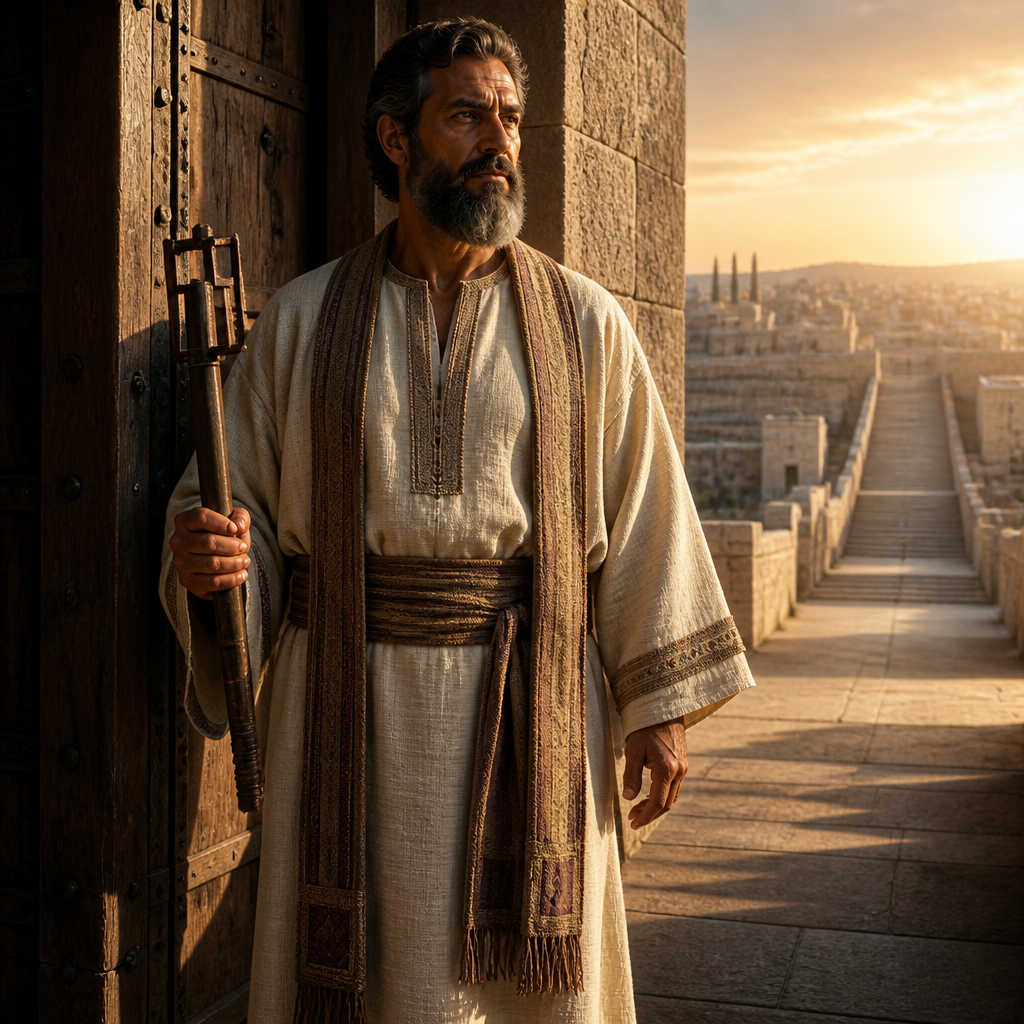
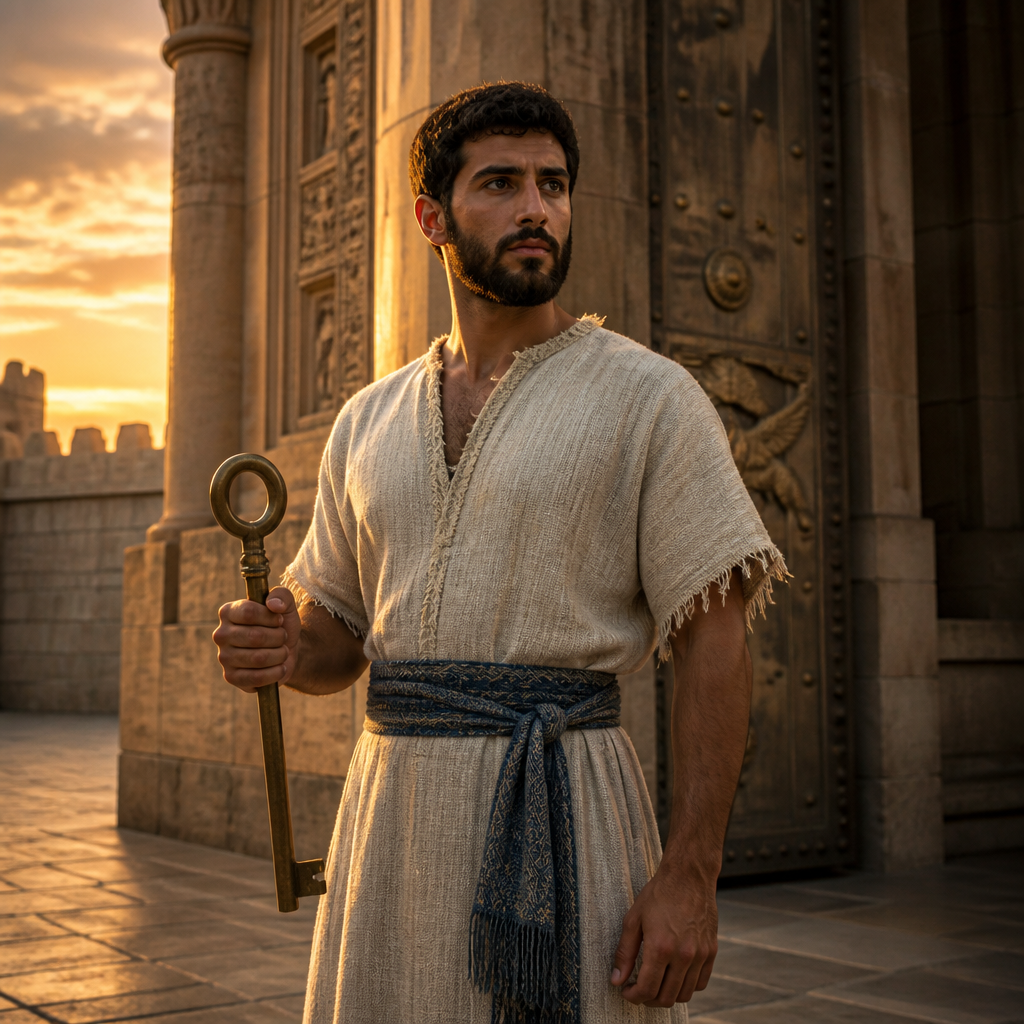
Hilkiah, son of Hosah, was a member of the Levite tribe belonging to the family of Merari. He served during the era of the Divided Monarchy, specifically within the organizational structure established by King David for the maintenance and security of the sanctuary in Jerusalem. His role as a gatekeeper was a position of trust, responsible for the physical and ceremonial integrity of the worship site.
While his individual actions are not detailed in narrative form, his inclusion in the genealogical records of 1 Chronicles highlights his status as a legitimate participant in the liturgical life of Israel. He was one of several brothers who shared the responsibility of guarding the gates, ensuring that only those who were ritually clean and authorized could enter the sacred precincts.
Background and Family
Hilkiah was born into the Merarite branch of the Levites, one of the three primary divisions of the tribe of Levi responsible for the service of the Tabernacle and, later, the Temple. His father was Hosah, a prominent gatekeeper. Within the family hierarchy, Hilkiah is identified as the second son of Hosah. He served alongside his brothers: Shimri (who was appointed as the chief, though not the firstborn), Tebaliah (the third son), and Zechariah (the fourth son).
The biblical text notes that the total number of Hosah’s sons and brothers involved in this service was thirteen. This large familial contingent suggests a significant legacy of service within the Merarite line during the period of the Monarchy.
Major Life Events
The primary record of Hilkiah’s life is found in the administrative lists of 1 Chronicles 26. During this time, King David organized the Levites into divisions to ensure orderly worship and security for the transition from the Tabernacle to the planned Temple. Hilkiah was specifically assigned as a gatekeeper (or porter).
This role was not merely one of manual labor; gatekeepers were considered officials who held the keys to the house of God. They were responsible for opening the doors every morning, guarding the storehouses, and ensuring that no unauthorized person entered the holy areas. Hilkiah’s appointment to the "second" position among Hosah's sons indicates his rank within this specialized guard unit.
Relationship to Other Biblical Figures
Hilkiah’s primary relationships are defined by his immediate family and his service to the crown. As a son of Hosah, he was part of a lineage that remained faithful to the Davidic administration. His brother, Shimri, is noted for a unique detail in scripture: though he was not the firstborn, his father Hosah made him the chief of the unit. Hilkiah served under or alongside this brotherly leadership, maintaining the order of the Merarite gatekeepers.
Spiritual Significance
Although Hilkiah is a minor figure in the biblical narrative, his presence in the Chronicles record signifies the importance of every individual role in the corporate worship of Israel. In the biblical worldview, the gatekeeper served as a protector of the boundary between the sacred and the profane. Hilkiah’s commitment to his assigned station reflects the Levitical ideal of stewardship. His life demonstrates that even roles characterized by standing and watching—rather than preaching or leading—were considered vital to the spiritual health of the nation and were worthy of eternal record in the Holy Scriptures.
Spiritual Significance
Hilkiah represents the essential administrative and protective layer of the Israelite priesthood. His inclusion in the genealogical registers serves to validate the continuity of the Merarite line and the legitimacy of the gatekeeping duties during the Monarchy. Theologically, his role underscores the biblical theme that every member of the community of faith has a specific, ordained function in the service of God.
His service at the gates of the sanctuary symbolizes the necessity of holiness and order in approaching the Divine. By maintaining the gates, Hilkiah and his family ensured that the Tabernacle remained a place set apart, reflecting the holiness of the God of Israel.
Frequently Asked Questions
What was Hilkiah’s specific job in the Bible?
Hilkiah was a gatekeeper (also translated as a porter) for the house of the Lord, responsible for guarding the entrances and maintaining order at the sanctuary.
Which tribe did Hilkiah belong to?
He belonged to the tribe of Levi, specifically the Merarite clan.
Who were Hilkiah’s brothers?
His named brothers were Shimri (the chief), Tebaliah, and Zechariah.
When did Hilkiah live?
He lived during the Divided Monarchy, serving during the time of the organizational reforms of King David.
How many relatives served with Hilkiah?
According to 1 Chronicles 26:11, there were 13 sons and brothers of Hosah in total who served in this capacity.
Connected Figures
Categories
Mentions by Book
- 1 Chronicles1
Family & Relationships
Sibling
1 Chronicles 26:11
Sibling
1 Chronicles 26:11
Sibling
1 Chronicles 26:11
Parent
1 Chronicles 16:38
Sibling
1 Chronicles 26:10
Sibling
1 Chronicles 26:11
Sibling
1 Chronicles 26:11
Others Named Hilkiah
Hilkiah, Father of Eliakim2 Kings 18:18
A high-ranking official during the Divided Monarchy and the father of King Hezekiah’s palace administrator, Eliakim.
Hilkiah the High Priest2 Kings 22:4
The high priest during the reign of King Josiah who discovered the 'Book of the Law' in the Temple, sparking a national spiritual reformation in Judah.
Hilkiah, a Priest of the ReturnNehemiah 12:7
A prominent priest and leader who returned from the Babylonian exile to Jerusalem during the time of Jeshua.
Hilkiah, Son of Amzi1 Chronicles 6:45
A Merarite Levite from the line of Ethan who served in the musical service of the house of the Lord during the Divided Monarchy.
Hilkiah, Father of JeremiahJeremiah 1:1
A priest from the town of Anathoth in the territory of Benjamin and the father of the major prophet Jeremiah.
Hilkiah, Associate of EzraNehemiah 8:4
A notable leader or priest who stood beside Ezra the scribe during the public reading of the Law following the return from Babylonian exile.