Shimri, Son of Hosah
A Levite gatekeeper of the Merarite clan who was appointed by his father as the chief of his house despite not being the biological firstborn.
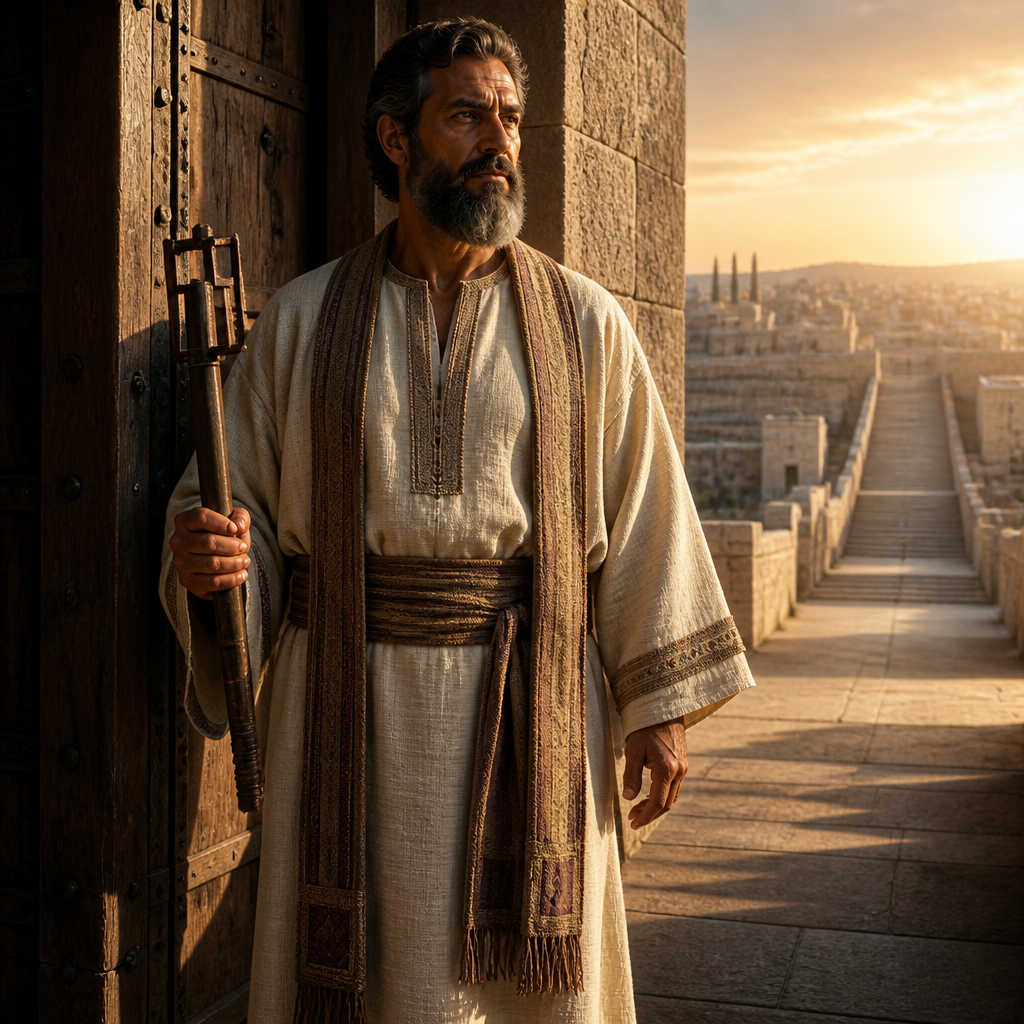
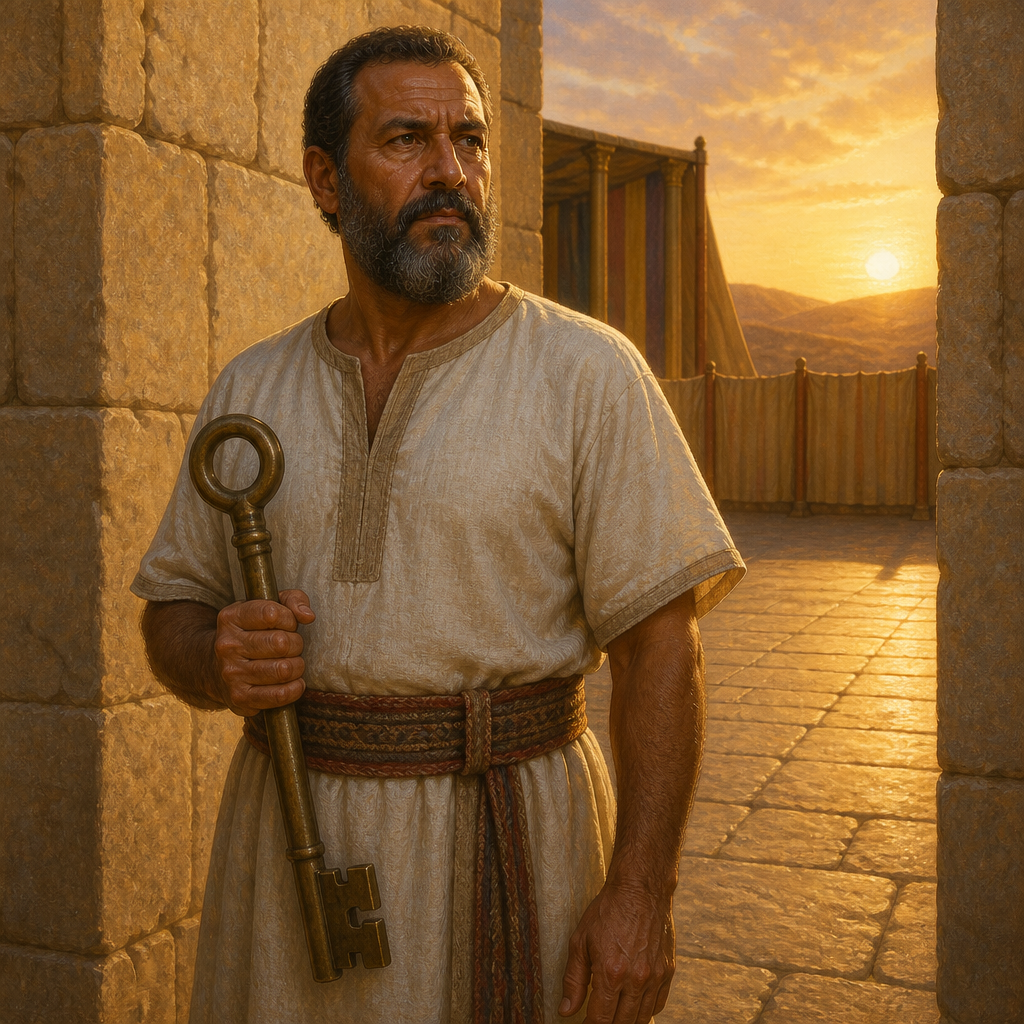
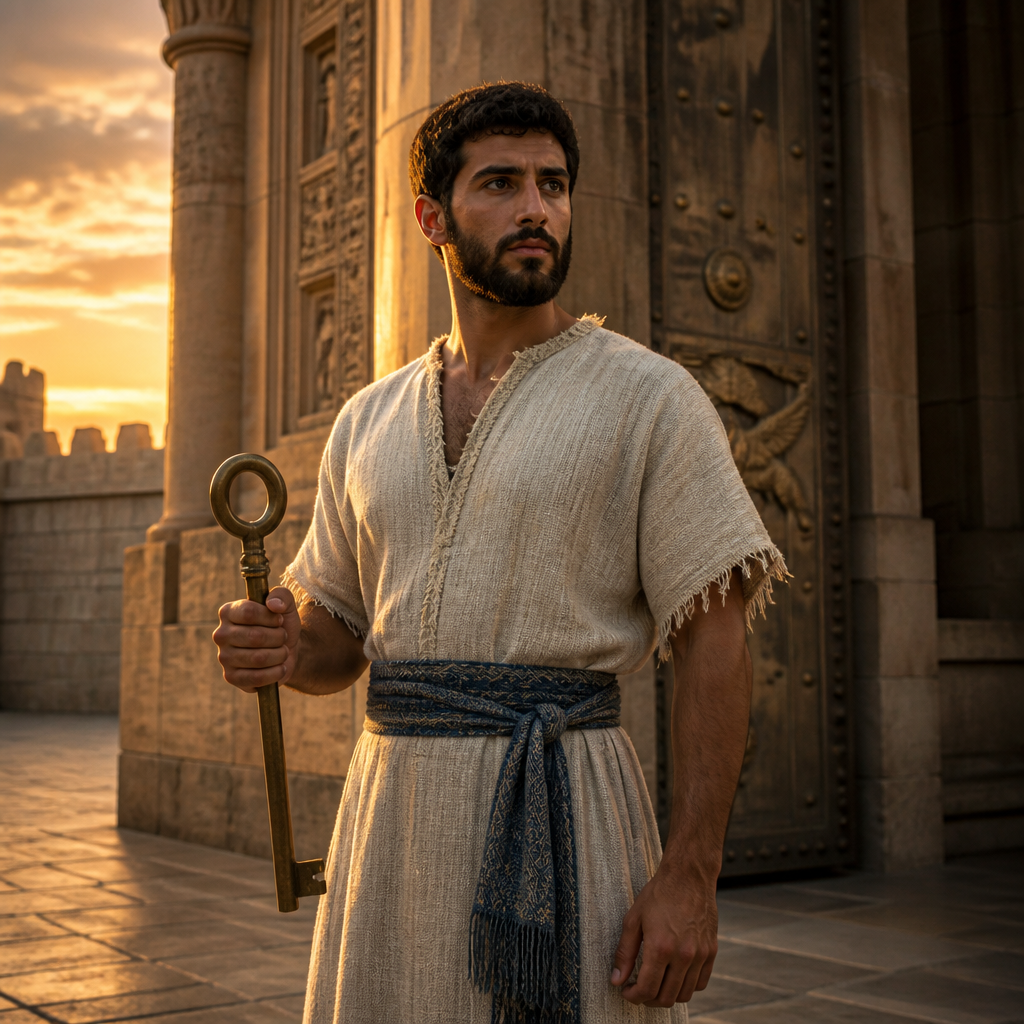
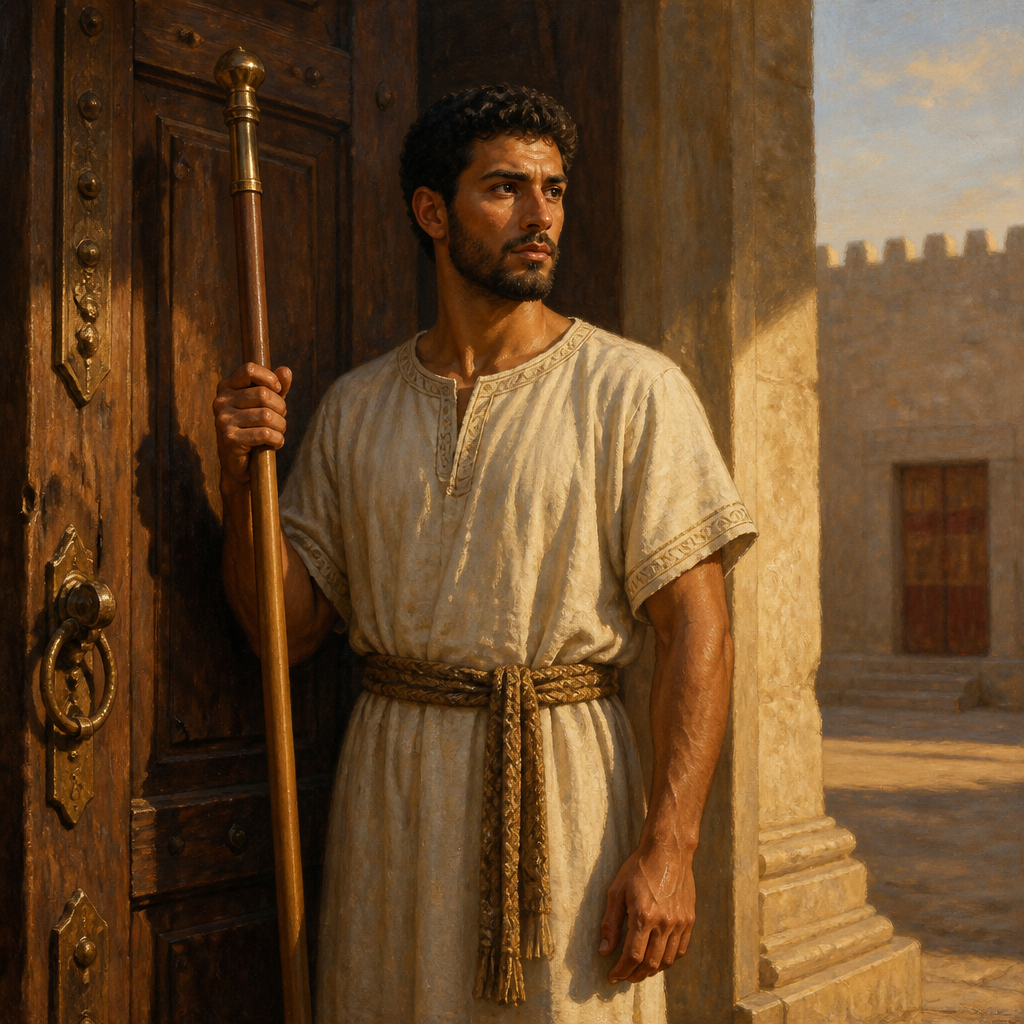
Shimri, Son of Hosah, was a member of the tribe of Levi during the Divided Monarchy, specifically associated with the Merarite branch of the Levites. His mention in the biblical record is brief but structurally significant within the organization of the Tabernacle and Temple ministry. He is primarily identified through his inclusion in the rosters of gatekeepers, a role that carried immense responsibility for the security and sanctity of the house of God.
The most distinctive detail regarding Shimri is his unique social and familial standing. Although he was not his father Hosah’s eldest son by birth, he was formally designated as the "first" or head of his family unit. This designation highlights a departure from standard primogeniture, where the eldest son typically inherited the leadership of the family line, suggesting specific personal qualities or a specific paternal directive that elevated him to this position.
Background and Family
Shimri was a Levite of the Merarite line, one of the three primary divisions of the tribe of Levi (alongside the Kohathites and Gershonites). His father, Hosah, is listed as one of the prominent gatekeepers in the era of the Divided Monarchy, contributing to the specialized labor required for the maintenance of the religious life of Israel. Shimri was one of several brothers, including Hilkiah, Tebaliah, and Zechariah. The chronicler notes that Hosah had thirteen sons and kinsmen in total who served in these capacities.
Major Life Events
The biblical record for Shimri is concentrated in a single genealogical and functional list in 1 Chronicles 26. The primary event of his recorded life is his appointment to the status of "first" (Hebrew: rosh). The text explicitly clarifies the nature of this appointment: "Shimri the first (although he was not the firstborn, his father had appointed him as the first)."
This act of appointment by Hosah suggests that Shimri served in a leadership capacity over his brothers and the broader Merarite gatekeeping unit. During this period, the gatekeepers were not merely common laborers; they were organized into divisions that were assigned to specific gates of the sanctuary (north, south, east, and west). As the designated head, Shimri would have been responsible for overseeing the watches and ensuring that only those who were ritually clean and authorized entered the sacred precincts.
Relationship to Other Biblical Figures
Shimri’s identity is inextricably linked to his father, Hosah. Hosah is noted for his service near the Ark of the Covenant, and by extension, Shimri’s lineage placed him in close proximity to the central cultic activities of the nation. His brothers—Hilkiah, Tebaliah, and Zechariah—served alongside him, forming a cohesive family unit dedicated to the ministry of the gates. This multi-generational service emphasizes the importance of familial legacy within the Levite tribe.
Spiritual Significance
The spiritual significance of Shimri lies in the theme of divine or paternal selection over natural birthright. In the Ancient Near East, the rights of the firstborn were generally considered sacrosanct. However, the biblical narrative occasionally highlights individuals like Shimri who were elevated based on merit, character, or specific appointment.
Furthermore, Shimri’s role as a gatekeeper carries significant theological weight. Gatekeepers were considered "ministers" in their own right, tasked with protecting the holiness of the Temple. Psalm 84:10 famously notes that being a "doorkeeper in the house of my God" was preferable to dwelling in the tents of wickedness. Shimri represents the dedicated, often behind-the-scenes service that maintained the order and sanctity of Israel's worship, illustrating that every position within the community of faith—whether priestly or administrative—was a matter of sacred trust.
Spiritual Significance
Shimri serves as a scriptural example of the flexibility of leadership roles within the Levitical structure. His elevation to 'first' despite his birth order demonstrates that functional leadership in the service of the Temple could be determined by appointment based on suitability or fatherly discernment. His inclusion in the records of 1 Chronicles highlights the meticulous organization of the Levites during the monarchy and the value placed on the role of the gatekeeper as a guardian of sacred space.
Frequently Asked Questions
Was Shimri the oldest son of Hosah?
No. The Bible explicitly states in 1 Chronicles 26:10 that Shimri was not the firstborn, but his father Hosah appointed him as the 'first' or head of the family.
What tribe did Shimri belong to?
Shimri belonged to the tribe of Levi, specifically the Merarite clan, which was one of the three main branches of the Levites.
What was Shimri's occupation?
Shimri was a gatekeeper (or doorkeeper) for the sanctuary, a role responsible for guarding the entrances to the house of God and maintaining order among those entering.
Who were Shimri's brothers?
His named brothers in the biblical record are Hilkiah, Tebaliah, and Zechariah.
In which book of the Bible is Shimri mentioned?
This specific Shimri is mentioned only in 1 Chronicles 26:10.
Connected Figures
Categories
Mentions by Book
- 1 Chronicles1
Family & Relationships
Sibling
1 Chronicles 26:10
Sibling
1 Chronicles 26:10
Sibling
1 Chronicles 26:10
Sibling
1 Chronicles 26:11
Parent
1 Chronicles 16:38
Sibling
1 Chronicles 26:11
Sibling
1 Chronicles 26:11
Others Named Shimri
Shimri, Simeonite of the Divided Monarchy1 Chronicles 4:37
Shimri was a member of the tribe of Simeon and a crucial link in the genealogical record of the Simeonite leaders who expanded their territory during the Divided Monarchy.
Shimri, Levite of the Divided Monarchy2 Chronicles 29:13
A Levite of the Elizaphanite clan who assisted in the ritual purification of the temple during the reforms of King Hezekiah.
Shimri, Father of Jediael1 Chronicles 11:45
Shimri was a man of the Divided Monarchy period whose two sons served as members of King David’s elite group of warriors known as the Mighty Men.