Gomer, Daughter of Diblaim
The daughter of Diblaim and wife of the prophet Hosea during the Divided Monarchy, whose marriage served as a living metaphor for God's relationship with Israel.
Gomer, the daughter of Diblaim, is a central figure in the opening chapters of the Book of Hosea. Her life and marriage occurred during the tumultuous era of the Divided Monarchy, specifically during the reigns of Uzziah, Jotham, Ahaz, and Hezekiah in Judah, and Jeroboam II in Israel. Gomer is defined in the biblical text primarily through her relationship with the prophet Hosea, whom God commanded to take a "wife of harlotry."
Though her personal history and background are sparse in the biblical record, Gomer's role as a mother and wife is highly significant. She bore three children whose names were divinely mandated to signal judgment upon the Northern Kingdom of Israel. Her presence in the scriptural narrative is exclusively found within the prophetic symbolic action that characterizes Hosea's early ministry.
Background and Family
The biblical record concerning Gomer, daughter of Diblaim, is concentrated in the first chapter of the Book of Hosea. She lived during the 8th century BC, a period marked by the spiritual and political decline of the Northern Kingdom of Israel. The text identifies her father as Diblaim (Hosea 1:3), though no further details regarding her tribe or lineage are provided. Her marriage to the prophet Hosea was not a conventional union; it was initiated by a direct command from God to Hosea: "Go, take to yourself a wife of harlotry and have children of harlotry, for the land commits great harlotry by forsaking the Lord" (Hosea 1:2).
Major Life Events
The primary event recorded in the life of Gomer is her marriage to Hosea and the subsequent birth of her three children. Following the divine command, Hosea "went and married Gomer daughter of Diblaim" (Hosea 1:3). Shortly after the union, she conceived and bore a son. God instructed Hosea to name the child Jezreel, signifying the impending judgment on the house of Jehu.
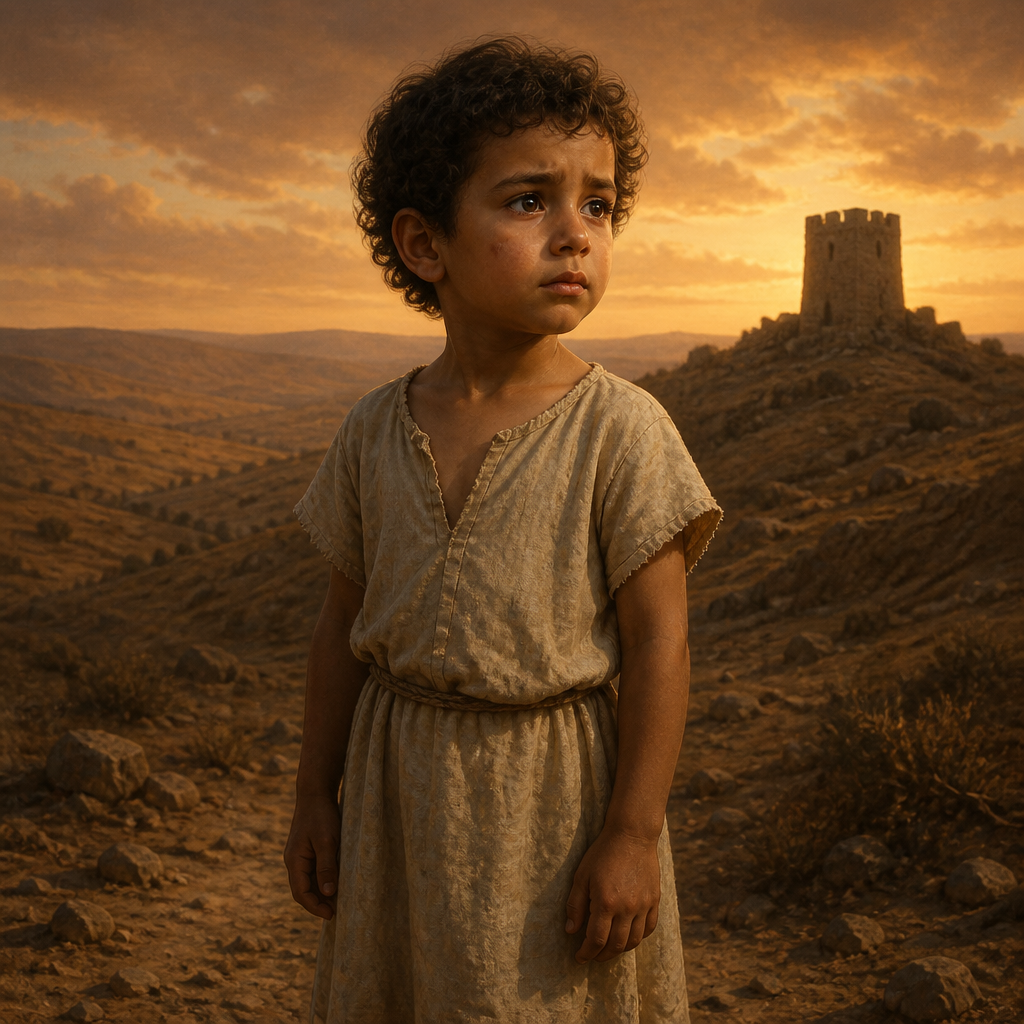
Following the birth of Jezreel, Gomer conceived again and gave birth to a daughter named Lo-ruhamah, which translates to "not pitied" or "unloved," symbolizing God’s withdrawal of mercy from the house of Israel. Finally, Gomer bore a third child, a son named Lo-ammi, meaning "not my people," representing the broken covenantal bond between God and the nation. The biblical account focuses on these births as milestones of prophetic revelation rather than biographical details of Gomer’s internal life.
Relationship to Other Biblical Figures
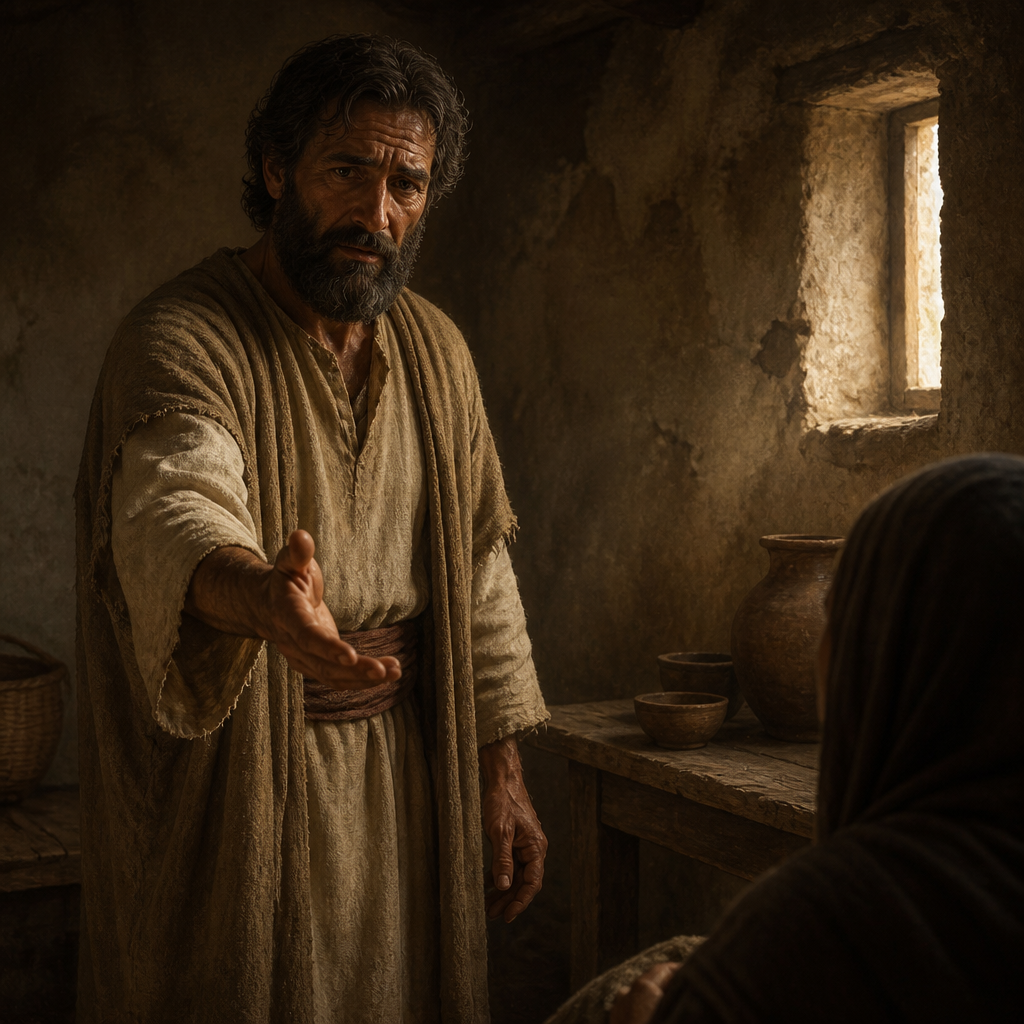
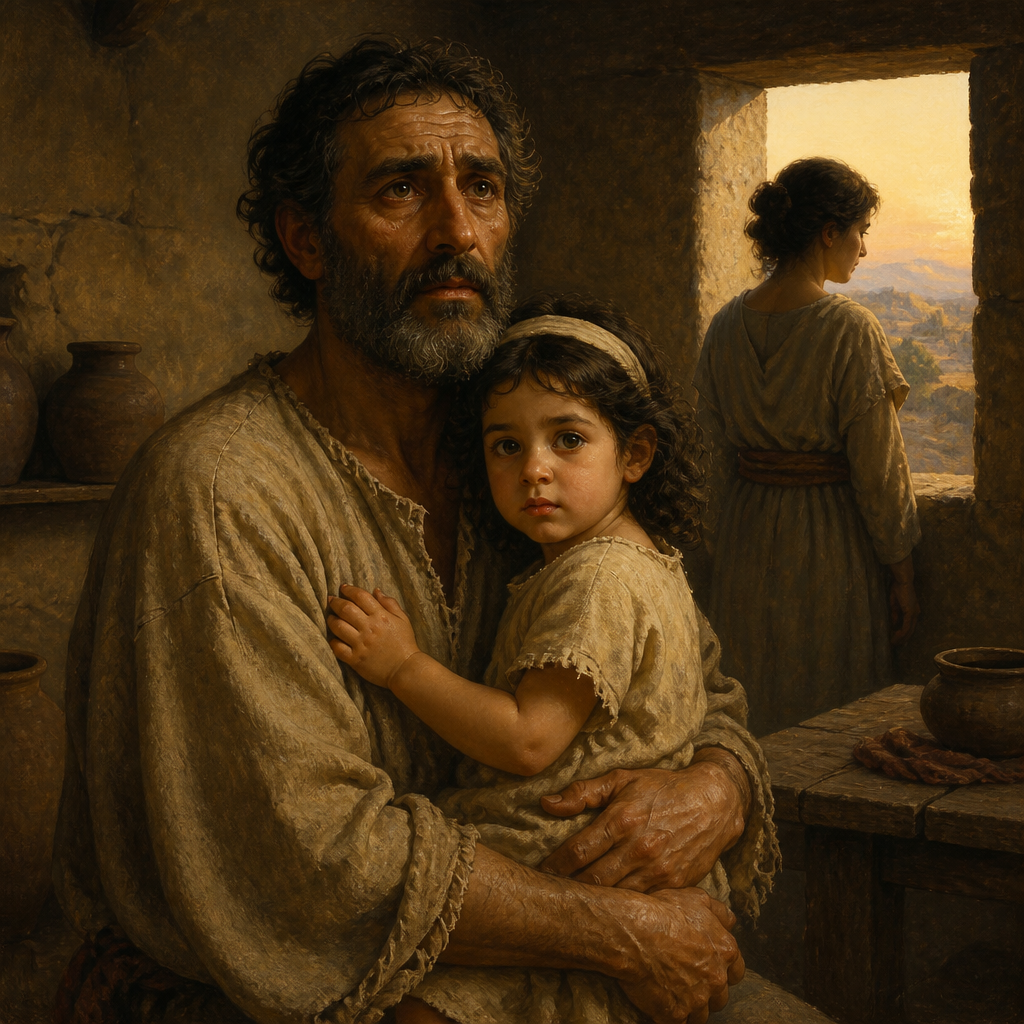
Gomer’s primary relationship is with her husband, the prophet Hosea. Their domestic life served as a public theater for the divine word. As the daughter of Diblaim, she is linked to a family otherwise unknown to history. Her relationship with her children—Jezreel, Lo-ruhamah, and Lo-ammi—is defined by the symbolic weight their names carried. While the text is brief, it establishes Gomer as the focal point of Hosea's domestic sphere, a household that reflected the fractured state of the Divided Monarchy.
Spiritual Significance
The spiritual significance of Gomer lies in her role as a living metaphor for the nation of Israel. During the Divided Monarchy, Israel was accused of spiritual adultery through the worship of Baal and other foreign deities. Gomer, as a "wife of harlotry," represented the faithlessness of the people toward their covenant God.
Her marriage to Hosea illustrates the profound tension between divine judgment and divine love. Just as Hosea entered into a covenant with a woman described in terms of unfaithfulness, the narrative points toward God's persistent, though pained, commitment to a wayward people. Gomer remains one of the most striking examples of how personal lives were used as prophetic instruments during the era of the Divided Monarchy.
Spiritual Significance
Gomer’s primary significance is symbolic and prophetic. She embodies the spiritual condition of Israel during the 8th century BC, serving as a visceral illustration of the nation's idolatry and breach of covenant with Yahweh. Her role demonstrates the 'prophetic act,' where a prophet's personal life becomes a living sermon to the people.
Furthermore, Gomer's children and their divinely appointed names provided a progressive revelation of God's judgment against the Northern Kingdom. Through her marriage to Hosea, the biblical text explores themes of betrayal, judgment, and the radical nature of divine grace that persists despite human infidelity.
Frequently Asked Questions
Who was Gomer's father?
Gomer was the daughter of a man named Diblaim, as recorded in Hosea 1:3.
Who were Gomer's children?
Gomer had three children: a son named Jezreel, a daughter named Lo-ruhamah, and another son named Lo-ammi.
What era did Gomer live in?
Gomer lived during the Divided Monarchy, specifically in the 8th century BC during the reigns of kings like Jeroboam II of Israel and Uzziah of Judah.
Why did Hosea marry Gomer?
Hosea married Gomer because God commanded him to take a 'wife of harlotry' to symbolize Israel's unfaithfulness to God.
In which book of the Bible is Gomer mentioned?
Gomer, the daughter of Diblaim, is mentioned exclusively in the Book of Hosea, specifically in Hosea 1:3.
Connected Figures
Categories
Mentions by Book
- Hosea1
Family & Relationships
Child
Hosea 1:3
Child
Hosea 1:3
Child
Hosea 1:3
Spouse / partner
Hosea 1:3
Parent
Hosea 1:3
Spouse / partner
Hosea 1:1
Others Named Gomer
Gomer, Son of JaphethGenesis 10:2
Gomer was the eldest son of Japheth and a grandson of Noah, recognized as the progenitor of several northern nations in the Table of Nations.