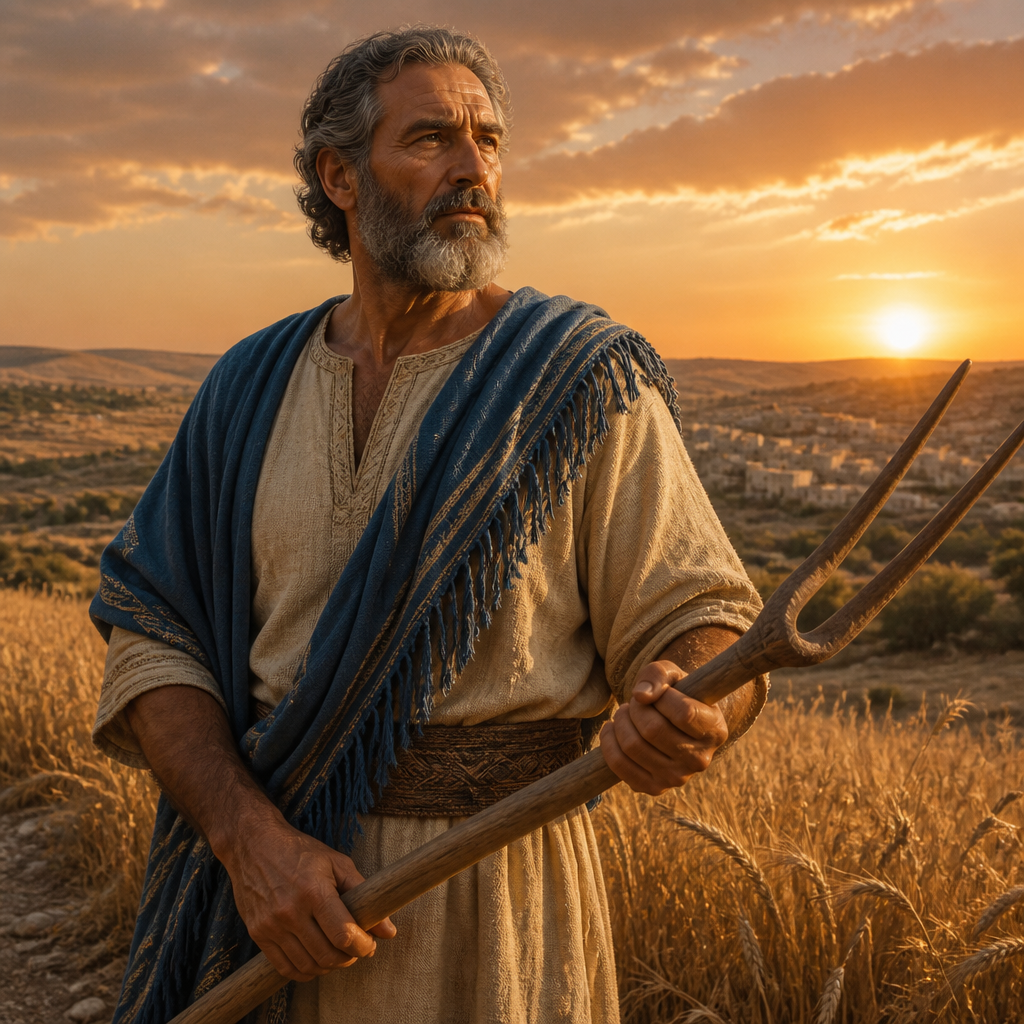
Mahlon
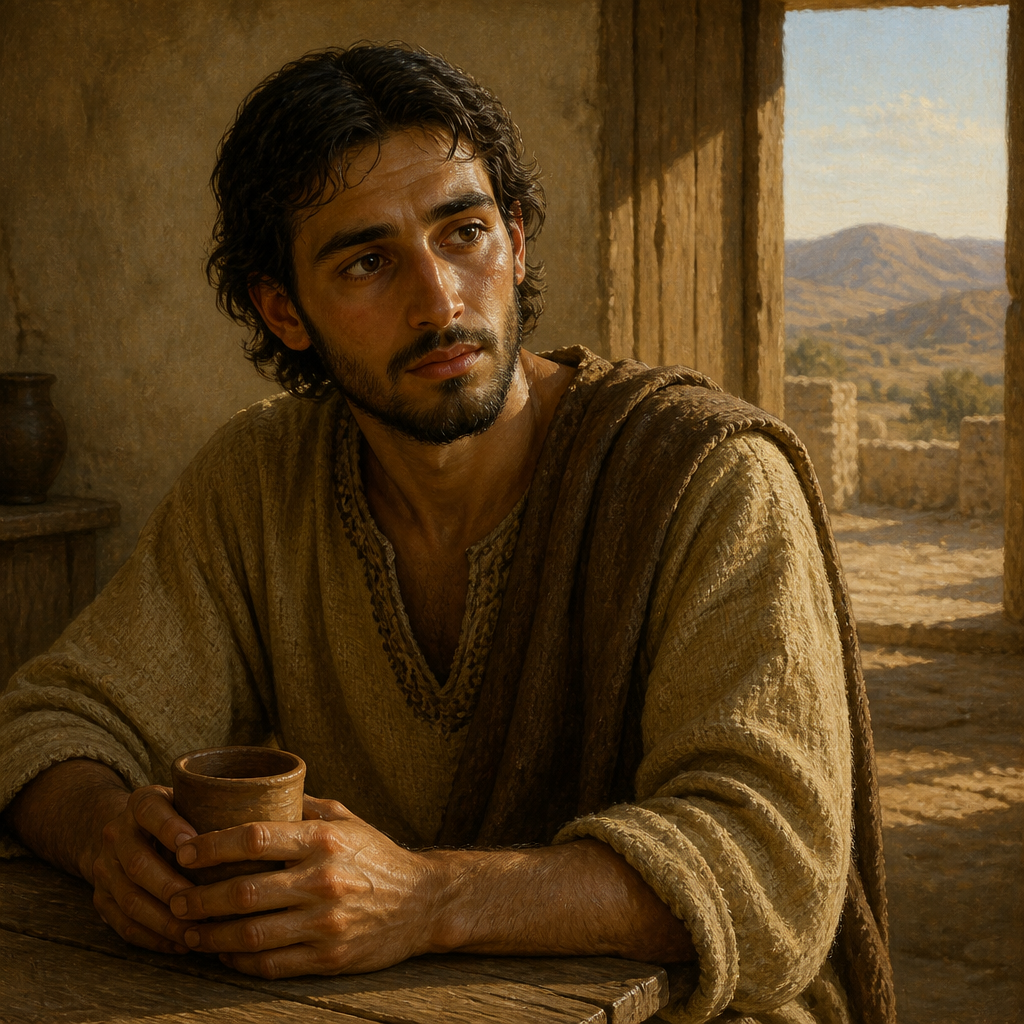
Mahlon was a Judean from Bethlehem and the first husband of Ruth, whose death in Moab set the stage for the redemption of Elimelech's family line.
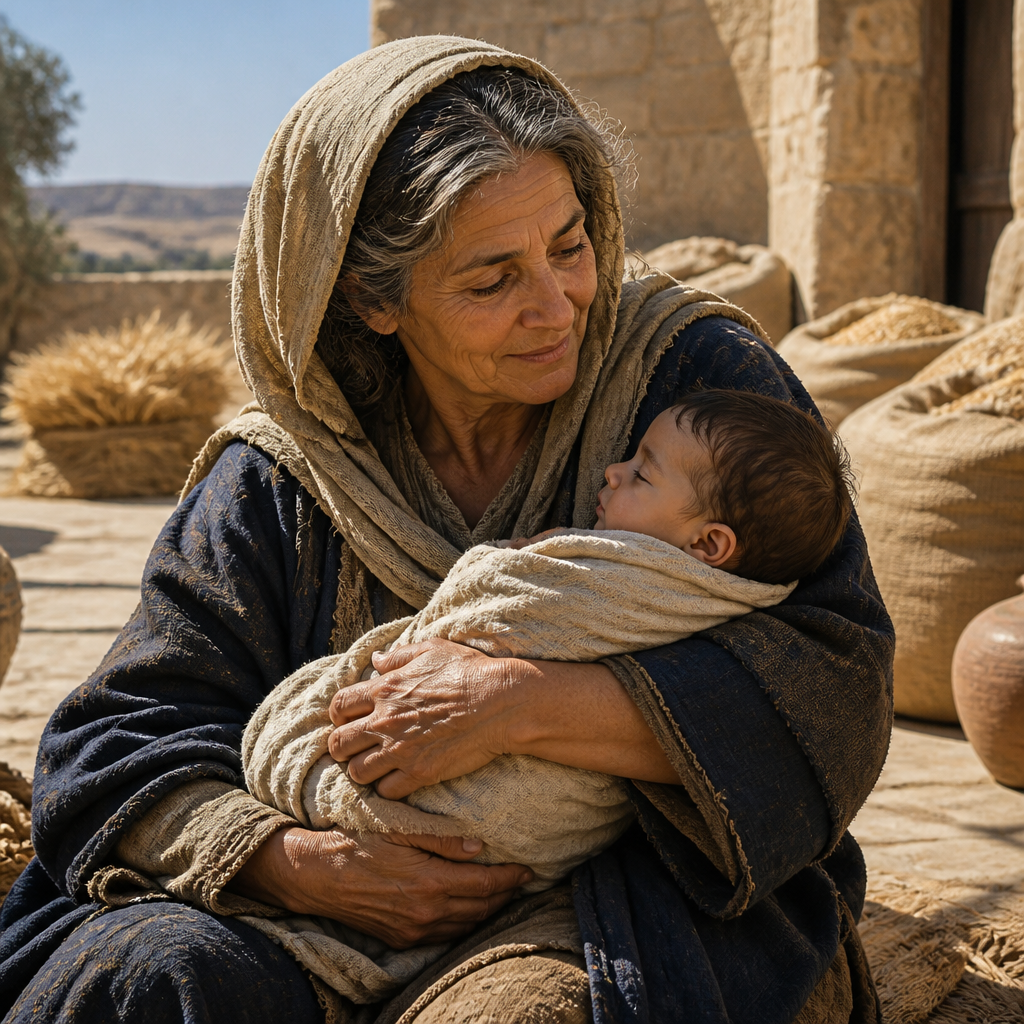
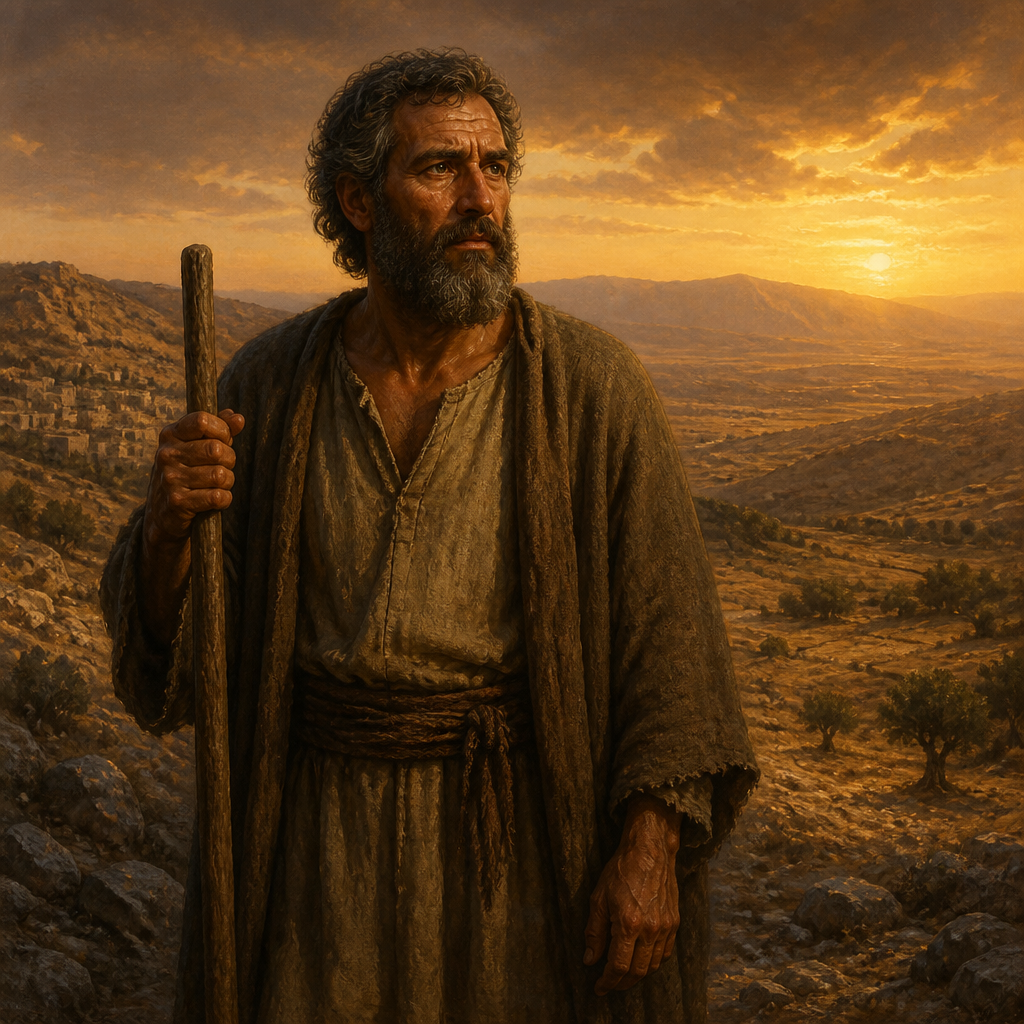
Mahlon was an Ephrathite from the town of Bethlehem in Judah. He is introduced in the Book of Ruth as the son of Elimelech and Naomi, and the brother of Chilion. His life is contextualized by a period of severe famine in the land of Israel, which prompted his family to migrate to the neighboring country of Moab in search of sustenance. This migration, while intended to be temporary, became a permanent transition for the male members of the household.
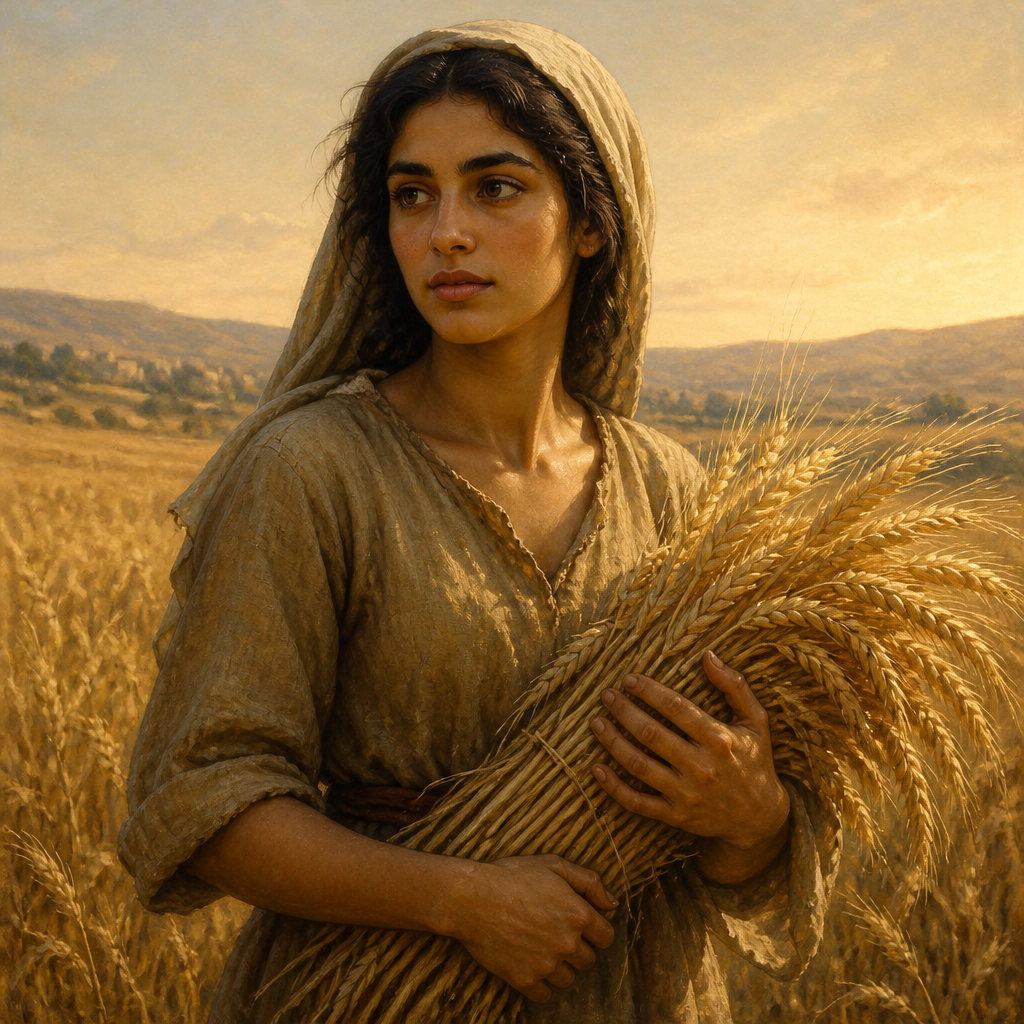
While in Moab, Mahlon married a Moabite woman named Ruth. His marriage represents a significant cultural and religious intersection in the narrative, as it brought a Moabitess into a Hebrew family of the tribe of Judah. However, Mahlon's life was cut short in the land of his sojourn. He died approximately ten years after the family arrived in Moab, leaving his wife Ruth a childless widow and his mother Naomi without her primary heirs.
Background and Family
Mahlon was born into the tribe of Judah, specifically within the clan of the Ephrathites in Bethlehem. He was the son of Elimelech and Naomi. The family's lineage is central to the narrative of the Book of Ruth, as they represented a traditional landed family in Bethlehem. Mahlon grew up alongside his brother, Chilion. The names of the two brothers have often been the subject of etymological study; in Hebrew, Mahlon (Machlon) is frequently associated with roots meaning "sickly" or "weak," though some scholars suggest a connection to "song" or "dance."
Due to a famine during the Period of the Judges, Elimelech moved his family from Bethlehem to the fields of Moab. This move was a significant departure from their ancestral lands, placing Mahlon in a foreign environment during his formative years or early adulthood.
Major Life Events
Following the death of his father, Elimelech, Mahlon and his brother Chilion took wives from among the local Moabite population. Mahlon married Ruth, a woman who would eventually become a central figure in the lineage of King David and Jesus Christ. The biblical record indicates that the family remained in Moab for about ten years.
During this decade, Mahlon lived as an expatriate. However, the text does not record any children born to Mahlon and Ruth during this time. His life ended abruptly in Moab, followed shortly by the death of his brother. These deaths left the family in a state of crisis, as there were no male heirs to carry on the family name or maintain their ancestral property in Bethlehem.
Relationship to Other Biblical Figures
Mahlon's most significant relationships are defined by his immediate family and his marriage. As the son of Naomi, his death is the catalyst for Naomi's return to Bethlehem and her subsequent bitterness. As the first husband of Ruth, he provides the legal basis for the later "levirate-style" marriage between Ruth and Boaz.
In the final chapter of the Book of Ruth, Mahlon's name resurfaces during the legal proceedings at the city gate of Bethlehem. Boaz, acting as a kinsman-redeemer, announces to the elders that he is purchasing the land that belonged to Elimelech, Chilion, and Mahlon. By marrying Ruth, Boaz explicitly states his intent is to "raise up the name of the deceased through his inheritance, so that his name will not disappear from among his brothers" (Ruth 4:10).
Spiritual Significance
While Mahlon himself is a passive figure in the text, his role is structurally vital to the theology of redemption found in the Old Testament. His death created a vacuum of lineage that required divine intervention and human faithfulness to fill. The survival of his "name"—which Boaz preserved through his marriage to Ruth—symbolizes the restorative power of God within the tribe of Judah. Through Mahlon’s widow, the lineage of the Messiah was eventually established, demonstrating how God uses even the tragedies and short-lived lives of individuals to accomplish a larger providential plan.
Spiritual Significance
Mahlon serves as a critical link in the genealogy of the Davidic line. His death in Moab created the legal and social necessity for the 'Goel' (Kinsman-Redeemer) process, which Boaz eventually fulfilled. Without Mahlon's marriage to Ruth and his subsequent passing, the specific circumstances that led Ruth to Bethlehem and into the lineage of King David would not have occurred. He represents the precariousness of the family line during the era of the Judges and the necessity of redemption to preserve the inheritance of Judah.
Frequently Asked Questions
Who was Mahlon's wife?
Mahlon was married to Ruth, a Moabitess who later became the great-grandmother of King David.
How did Mahlon die?
The Bible does not specify the cause of Mahlon's death, only stating that he died in the land of Moab about ten years after his family settled there.
Did Mahlon have any children?
No, the biblical account in the Book of Ruth indicates that Mahlon died without leaving any children, which is why Boaz had to 'raise up the name of the deceased' through Ruth.
What does the name Mahlon mean?
In Hebrew, the name is often interpreted as 'sickly' or 'infirm,' though some linguistic scholars suggest it may relate to 'forgiveness' or 'a harp/song.'
What tribe did Mahlon belong to?
Mahlon belonged to the Tribe of Judah, as he was an Ephrathite from Bethlehem.