Olympas
A 1st-century Christian believer in Rome who was among those greeted by the Apostle Paul in his letter to the Romans.
Olympas was a member of the early Christian community in Rome during the mid-1st century AD. His name appears exclusively in the concluding greetings of the Apostle Paul’s Epistle to the Romans, identifying him as a recognized figure within the burgeoning Roman church network.
Though specific biographical details regarding his origin, occupation, or family are absent from the biblical text, his inclusion in Paul’s list of greetings indicates he was an active and respected participant in the faith. He is linked specifically with a small group of believers, suggesting he may have been a leader or host of a specific house church.
Background and Family
Beyond the Greek name Olympas (Ὀλυμπᾶς), which is a shortened form of Olympiodorus, the biblical record provides no information regarding his ancestry, tribe, or nationality. The name itself suggests a Hellenistic background, common among both slaves and free residents of the Roman Empire. There is no mention of a spouse, children, or parents in the scriptural account found in Romans 16.
Major Life Events
The only recorded event in the life of Olympas is his receipt of a personal greeting from the Apostle Paul in approximately 57 AD. Writing from Corinth, Paul sent greetings to the Roman believers, including Olympas. The verse states:
"Greet Philologus and Julia, Nereus and his sister, and Olympas and all the saints with them." (Romans 16:15)
This grouping suggests that Olympas was part of a specific circle of Christians, likely one of the several house churches that constituted the collective "church" in Rome. The mention of "all the saints with them" implies that Olympas shared a communal or leadership bond with the others named in this specific verse.
Relationship to Other Biblical Figures
Olympas is associated with Philologus, Julia, and Nereus. While the exact nature of their relationship is not defined—whether they were related by blood or simply by their shared mission—they are presented as a distinct unit within the larger Roman congregation. Paul’s knowledge of Olympas by name signifies that, although they may not have met personally, Olympas was a man of sufficient reputation that his service reached the ears of the Apostle.
Spiritual Significance
In biblical studies, Olympas serves as an example of the "hidden figures" of the early church. His presence in the text affirms the collaborative nature of the New Testament ministry. He represents the everyday believer who contributed to the stability and growth of the Christian faith in the heart of the Roman Empire, despite the lack of a detailed public biography. His significance lies in his identity as a "saint," a term Paul uses to denote those set apart for God’s purposes.
Spiritual Significance
The theological significance of Olympas lies in his inclusion in the 'Communion of Saints.' By naming him, the Apostle Paul highlights the personal nature of the early Christian community and the importance of individual believers in the structural integrity of the church. Olympas represents the vital role of local house-church members in sustaining the faith in hostile environments like 1st-century Rome.
Furthermore, his mention underscores the diversity of the early church. His Greek name in a Roman context, coupled with his association with other believers, illustrates the breaking down of ethnic and social barriers within the body of Christ, as described elsewhere in Pauline theology.
Frequently Asked Questions
Where is Olympas mentioned in the Bible?
Olympas is mentioned only once in the Bible, in Romans 16:15.
What does the name Olympas mean?
It is a Greek name, likely a contraction of Olympiodorus, meaning 'gift of Olympus.'
Was Olympas a leader in the church?
The Bible does not explicitly state his rank, but he is grouped with others who had 'saints with them,' which often indicated a house-church leader.
What happened to Olympas after the book of Romans?
There is no biblical record of Olympas's life or death following the writing of the Epistle to the Romans.
Connected Figures

Paul the Apostle
Sender of the greeting
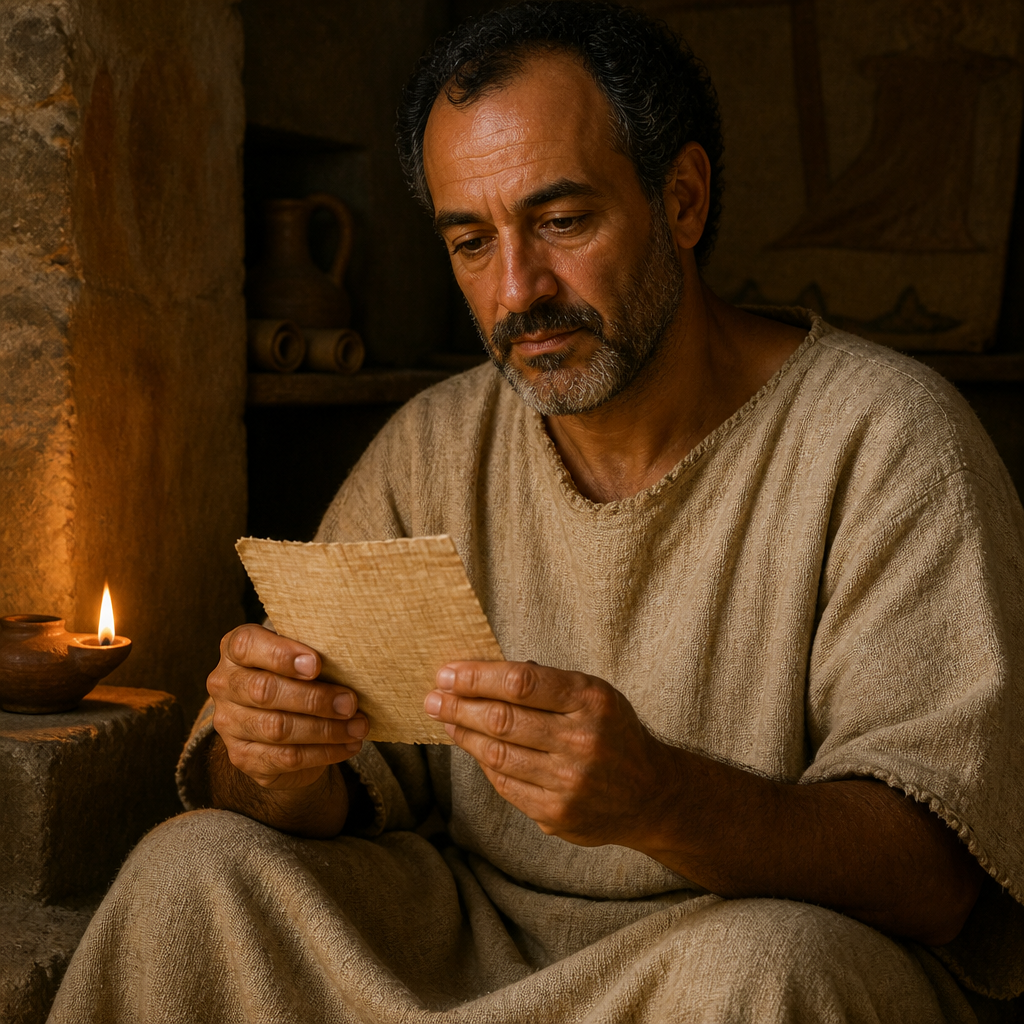
Philologus
Associate in Rome
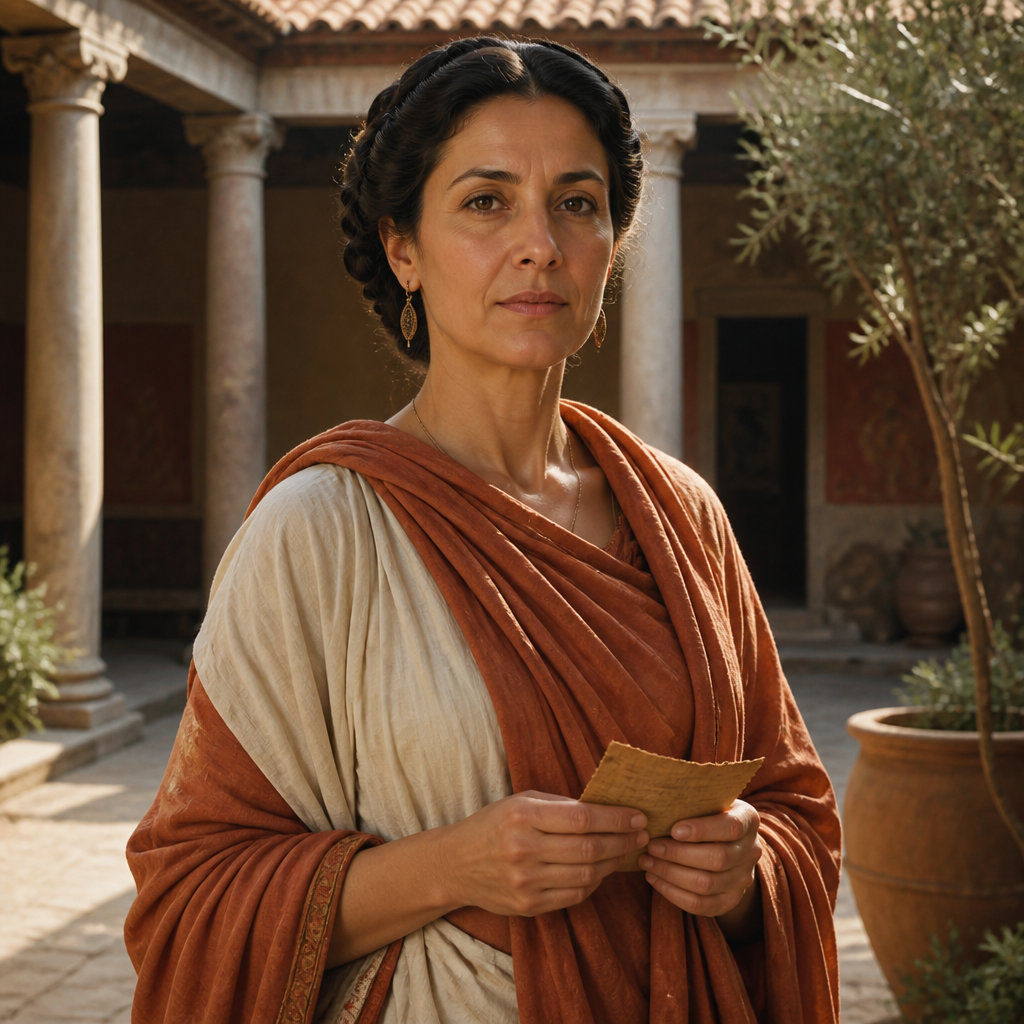
Julia
Associate in Rome

Nereus
Associate in Rome
Categories
Mentions by Book
- Romans1