Philologus
A 1st-century Christian in Rome mentioned by the Apostle Paul in his greetings to the Roman church.
Philologus was a member of the early Christian community in Rome during the mid-1st century AD. He is known exclusively through a single greeting found in the closing remarks of the Apostle Paul’s Epistle to the Romans. His name, which means "lover of the word" or "fond of learning" in Greek, was a common name among slaves and freedmen in the Roman Empire.
While the biblical record provides no biographical details regarding his conversion or specific ministry, his inclusion in Paul’s letter signifies he was a person of recognized standing within the Roman house churches. Paul specifically identifies him alongside several other individuals, suggesting he was part of a specific small group or household congregation meeting in the capital city.
Background and Family
The biblical record for Philologus is confined to Romans 16:15. Because the text does not provide a genealogy or place of origin, his background remains a matter of scholarly inference based on his name and context. The name Philologus (Greek: Φιλόλογος) was prevalent in the Roman world, particularly among the servant classes and within the imperial household. This has led some commentators to suggest he may have been a freedman or a resident of the city with ties to the local bureaucracy, though this cannot be definitively proven.
In the verse, Philologus is listed immediately before Julia. While the text does not explicitly state their relationship, many scholars suggest they were a married couple or perhaps siblings. The grouping of names in Romans 16 often reflects household units or specific ministry teams within the larger urban Christian network.
Major Life Events
There are no recorded major life events for Philologus in the New Testament beyond his receipt of Paul's apostolic greeting around 57 AD. His presence in Rome indicates he was part of the community that Paul hoped to visit on his way to Spain. The fact that Paul knew him by name—despite Paul not having visited Rome at the time of writing—suggests that Philologus may have been known to Paul’s associates (such as Priscilla and Aquila) or had achieved a level of prominence in the church that reached the Apostle's ears.
Relationship to Other Biblical Figures
Philologus is linked textually to Julia, Nereus, Nereus’s sister, and Olympas. Paul addresses them as a distinct group, concluding with a greeting to "all the saints with them." This phrasing typically identifies a house church—a small gathering of believers who met in a private residence for worship and instruction. Philologus appears to have been a foundational member or leader within this specific Roman cell group.
Spiritual Significance
Although Philologus is a minor figure, his inclusion in the canon serves as evidence of the diversity and structure of the early Roman church. He represents the "ordinary" believers who formed the backbone of the nascent Christian movement. Paul’s greeting acknowledges Philologus as a "saint" (set apart for God), affirming his status as a full member of the body of Christ, regardless of his social standing in the Roman Empire. His name—"lover of the word"—has often been highlighted by later theologians as a fitting descriptor for a disciple of the gospel.
Spiritual Significance
Philologus is significant as a representative of the urban Christian community in 1st-century Rome. His mention in Romans 16 highlights the Apostle Paul's personal connection to the Roman saints and the collaborative nature of the early church's mission.
Frequently Asked Questions
Who was Philologus in the Bible?
Philologus was a Christian in Rome to whom the Apostle Paul sent greetings in Romans 16:15.
What does the name Philologus mean?
The name is Greek for 'lover of the word' or 'fond of learning.'
Was Philologus a leader in the church?
The Bible does not explicitly state his rank, but he is mentioned as part of a group that likely constituted a house church, suggesting he had a recognized role among the Roman believers.
Is Philologus related to Julia?
The Bible does not specify their relationship, but because they are listed together, scholars often speculate they were husband and wife or brother and sister.
Connected Figures
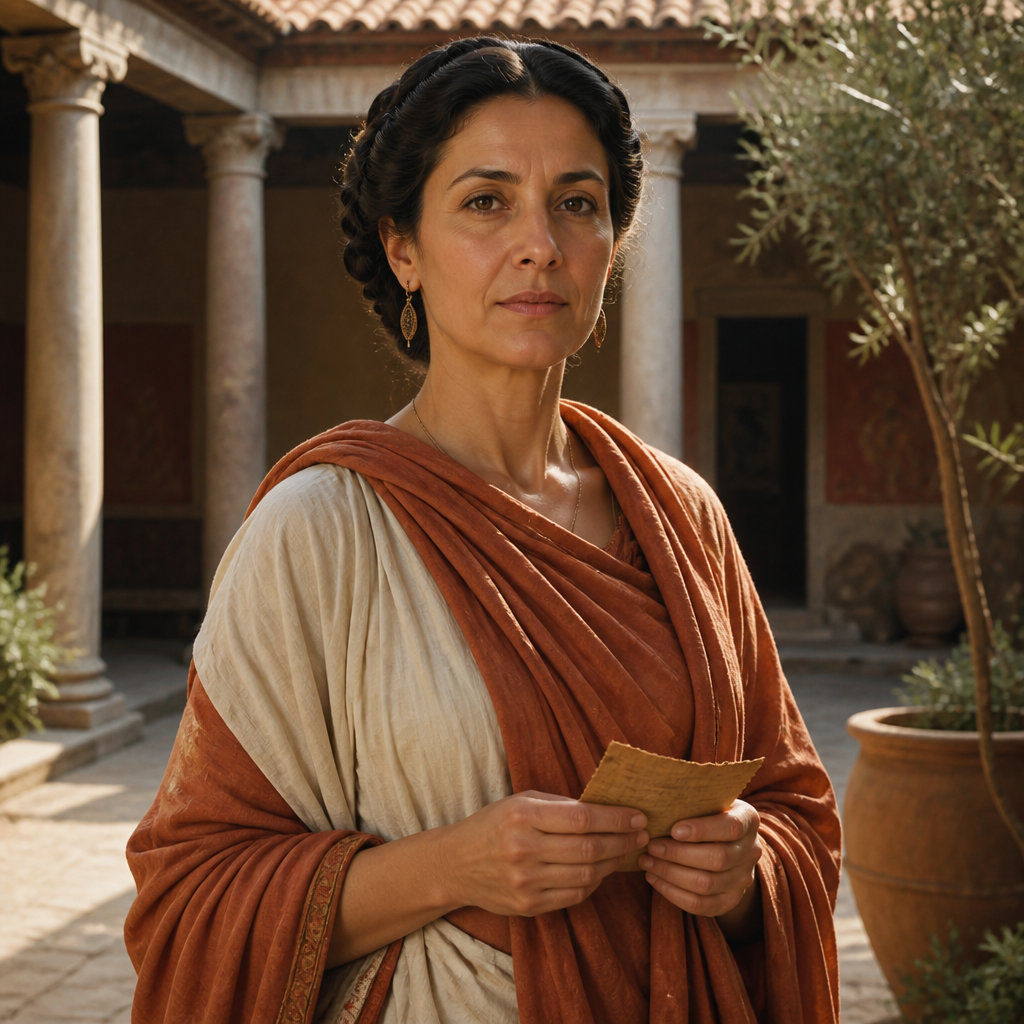
Julia
Associate (possibly wife or sister)

Nereus
Associate in the Roman church

Paul the Apostle
Author of the letter addressing him
Categories
Mentions by Book
- Romans1