Julia
A Christian woman in Rome during the mid-1st century AD, greeted by the Apostle Paul in his letter to the Romans.
Julia was a member of the early Christian community in Rome during the mid-1st century AD. She is known exclusively through the final greetings of the Apostle Paul's Epistle to the Romans, where she is listed among a diverse group of believers who contributed to the vitality of the Roman church. Her name, a common Roman female cognomen associated with the Julian gens, suggests she may have been a person of Roman heritage or a freedwoman of a noble household.
While the biblical record regarding Julia is limited to a single mention, her presence in the text provides important insight into the demographic makeup of the early Church. As one of the women specifically named by Paul, she represents the active participation of women in the communal life and witness of the first-generation Christians in the imperial capital.
Background and Family
The name Julia (Greek: Ἰουλία) is the feminine form of Julius, a prominent Roman name. During the 1st century AD, this name was frequently held by members of the Julian family, their descendants, or their freed slaves. Because the name was so common in the Roman Empire, it is impossible to determine Julia's specific social status or ethnic origin with certainty. However, the context of Romans 16 suggests she was a resident of Rome and a recognized figure within one of the house churches in the city.
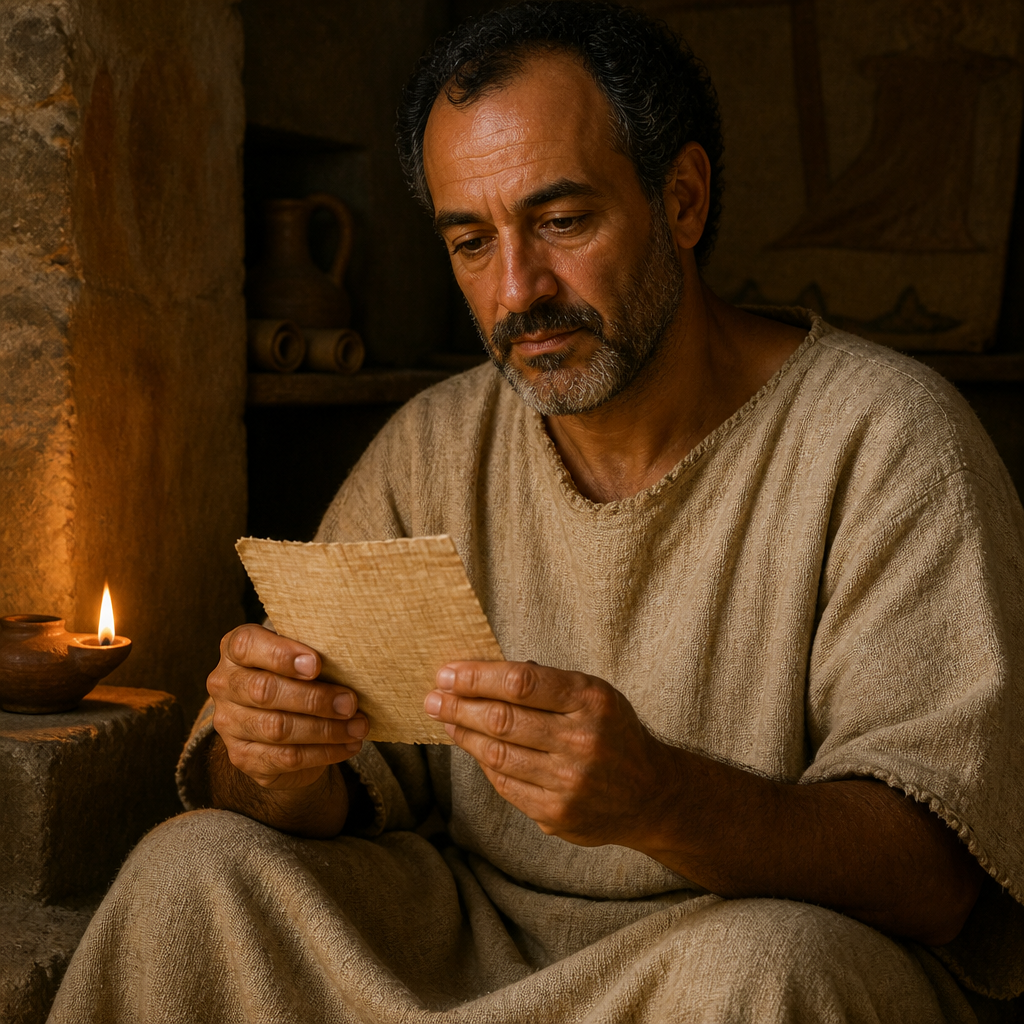
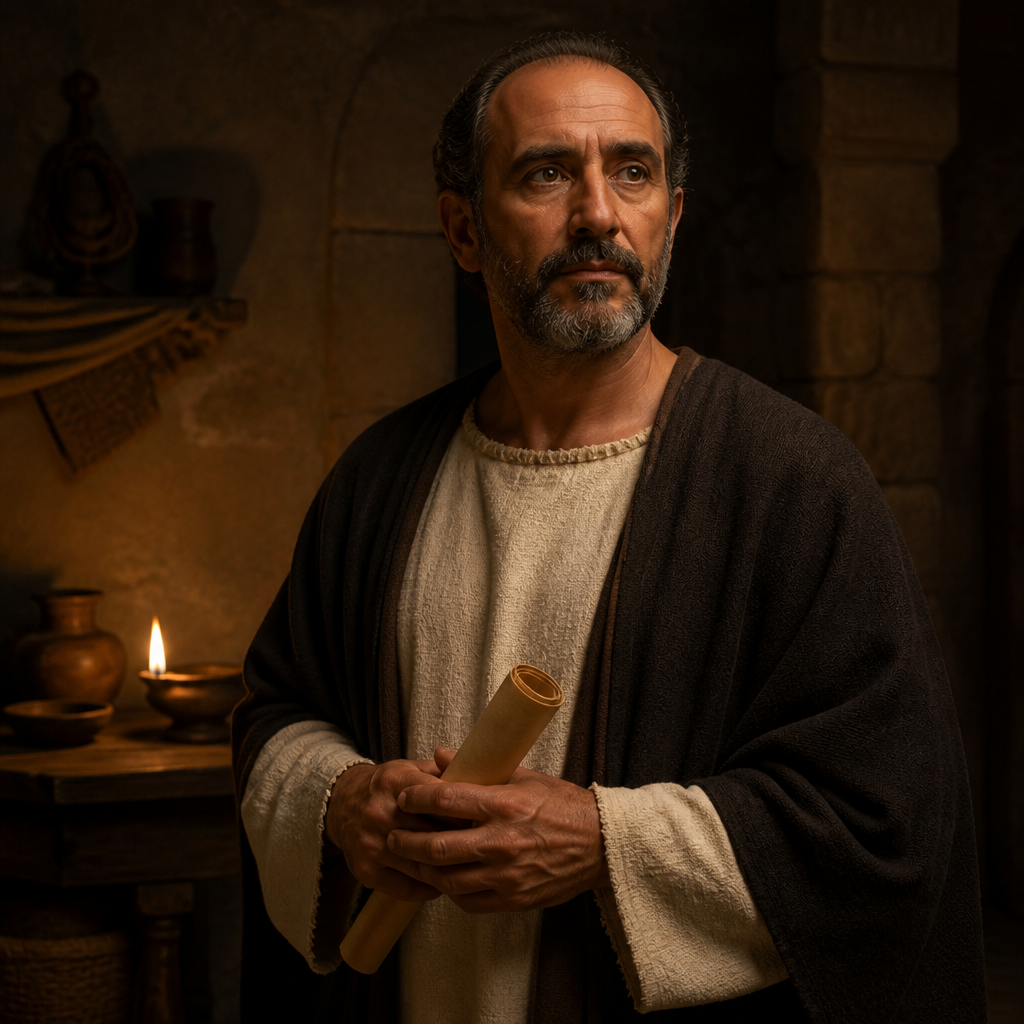
No specific family relationships for Julia are recorded in the biblical text. While she is mentioned in the same greeting as Philologus, the scripture does not explicitly define their relationship. Some scholars have posited that they could be a married couple or siblings, but the text remains silent on this matter. She is also grouped with Nereus, his sister, and Olympas, indicating a specific sub-group or domestic congregation within the larger Roman Christian community.
Major Life Events
The only recorded event in the biblical biography of Julia is her reception of a formal greeting from the Apostle Paul. Writing from Corinth around 57 AD, Paul composed his letter to the Romans to prepare the way for his intended visit and to articulate his theological vision. In the sixteenth chapter, Paul lists twenty-six individuals by name. Julia is included in verse 15:
"Greet Philologus and Julia, Nereus and his sister, and Olympas and all the saints with them." (Romans 16:15, BSB)
This mention confirms that Julia was known to Paul, either through his own travels or through reports from others such as Priscilla and Aquila. It also establishes her as an active participant in the "saints"—the term Paul used to describe the set-apart community of believers in Christ.
Relationship to Other Biblical Figures
Julia’s primary relationship in the text is her association with the other individuals listed in Romans 16:15. She is linked specifically to Philologus, Nereus, Nereus's sister, and Olympas. The phrase "and all the saints with them" suggests that this group likely met together for worship, perhaps in a house church hosted by one of these individuals. This indicates that Julia was not merely an isolated believer but was integrated into a specific cell of the Roman church infrastructure.
Spiritual Significance
The spiritual significance of Julia lies in her representation of the "ordinary" believer. Though no sermons or miracles are attributed to her, her inclusion in the inspired canon serves as a testament to the inclusive nature of the early Church. In a society where women were often marginalized in public life, the Apostle Paul’s specific greeting of Julia honors her as a fellow laborer in the faith. Her presence in the text underscores the reality that the growth of Christianity depended on a vast network of individuals whose names are mostly lost to history, yet were known to the apostles and held in high regard within their local congregations.
Spiritual Significance
Julia serves as a historical marker of the early Roman church's composition, highlighting the role of women in the nascent Christian movement. Her inclusion in Paul’s specific list of greetings indicates she was a person of recognizable faith and perhaps a key figure in a Roman house church.
Theologically, Julia represents the fulfillment of the New Covenant promise that in Christ, there is neither male nor female in terms of spiritual standing and inheritance. Her name remains a permanent part of the biblical record, affirming the value of individual believers within the corporate body of Christ.
Frequently Asked Questions
Who was Julia in the Bible?
Julia was a Christian woman living in Rome during the 1st century AD. She is mentioned by the Apostle Paul in his letter to the Romans.
What is the meaning of the name Julia?
The name is the feminine form of Julius, a Roman family name likely derived from the Greek word 'ioulos,' meaning 'downy-bearded' or 'youthful.'
Was Julia related to Philologus?
The Bible does not state their relationship. While they are often mentioned together, leading some to speculate they were husband and wife, the text provides no definitive evidence.
In which book of the Bible is Julia mentioned?
Julia is mentioned only once in the Bible, in Romans 16:15.
Connected Figures

Paul the Apostle
Author of the letter greeting her
Philologus
Fellow believer greeted alongside her

Nereus
Fellow believer in her house church group
Olympas
Fellow believer in her house church group
Categories
Mentions by Book
- Romans1