People of Ezekiel
Every person who appears in the book of Ezekiel, ordered by how often they are mentioned there.
42 profiles tagged People of Ezekiel.
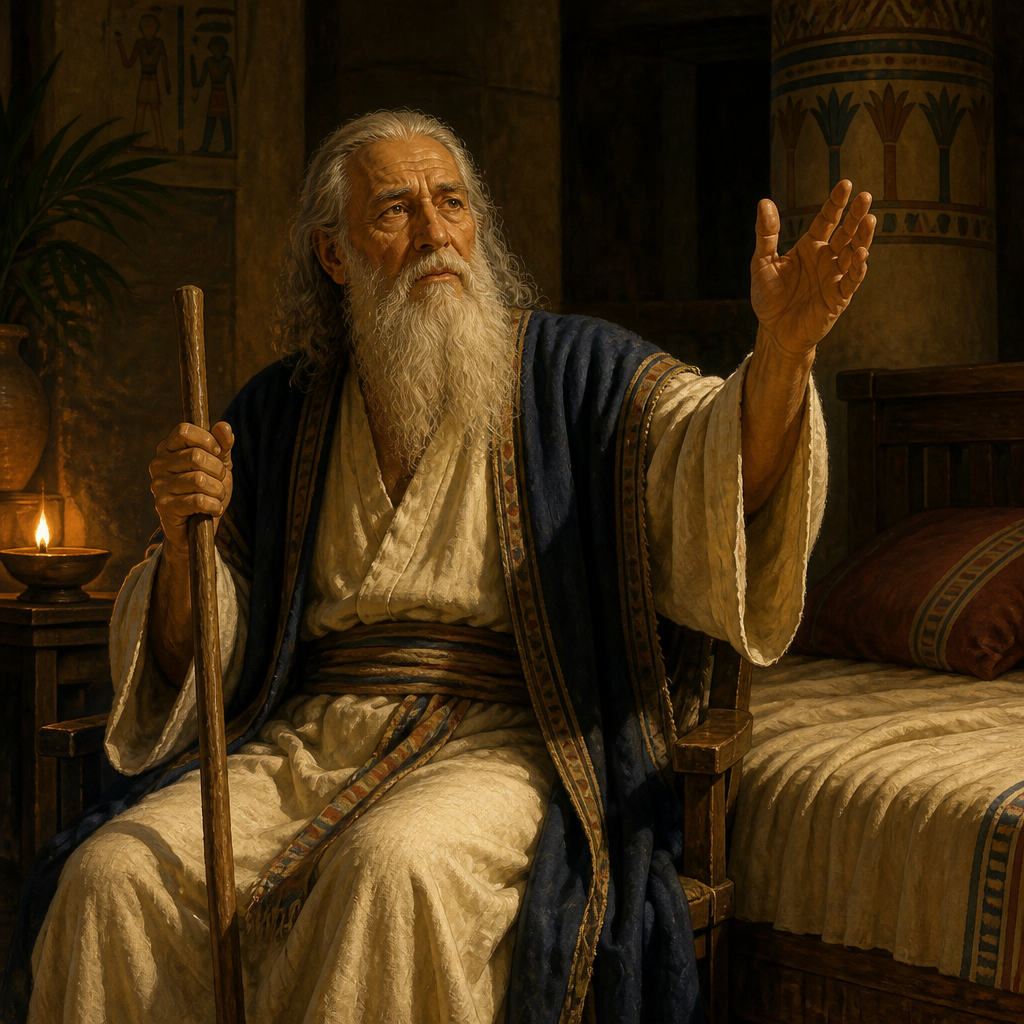
Israel
Patriarch who wrestled with God and fathered the twelve tribes
The third patriarch of the covenant, formerly known as Jacob, who received his name after wrestling with God and became the father of the twelve tribes.
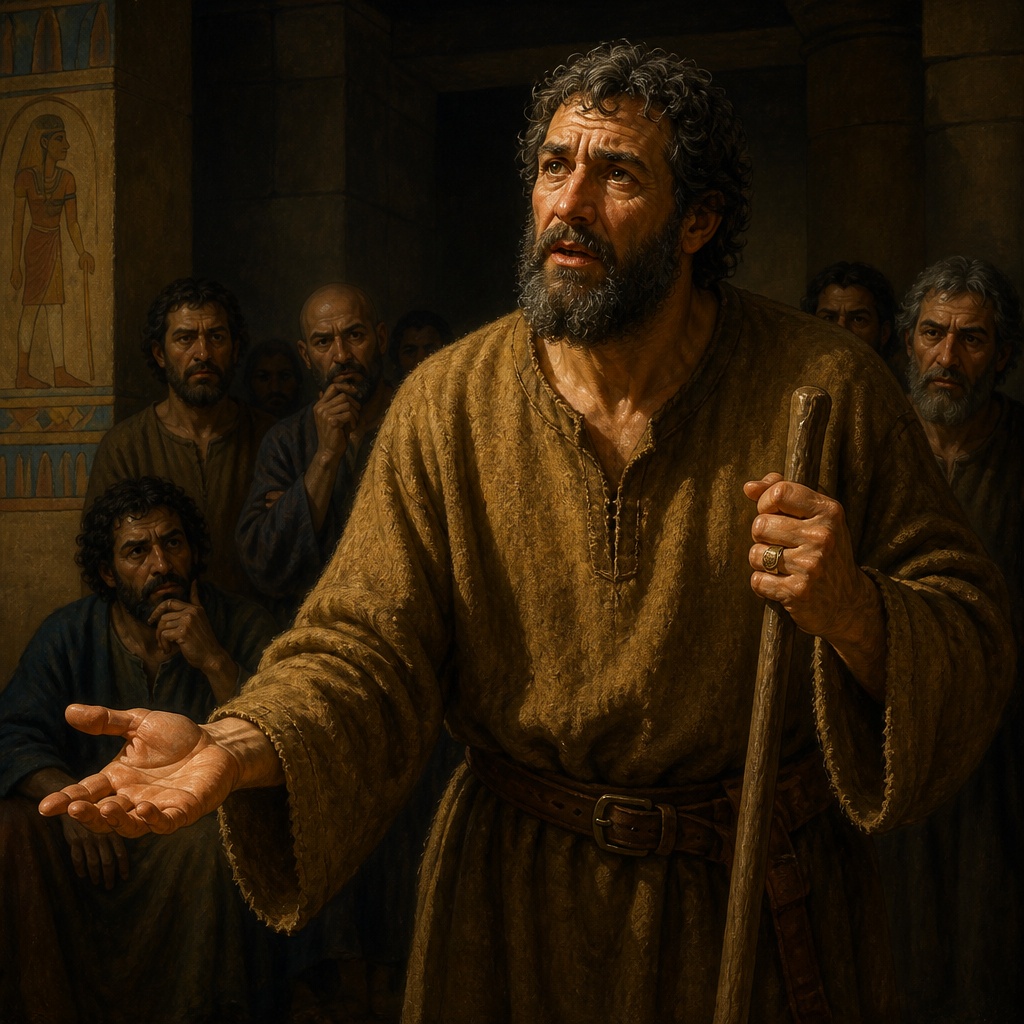
Judah, Son of Jacob
Patriarch who received the blessing of the scepter and whose lineage produced King David and Jesus Christ
The fourth son of Jacob and Leah, ancestor of the Tribe of Judah and the Davidic line, known for his leadership and pivotal role in the preservation of his family.
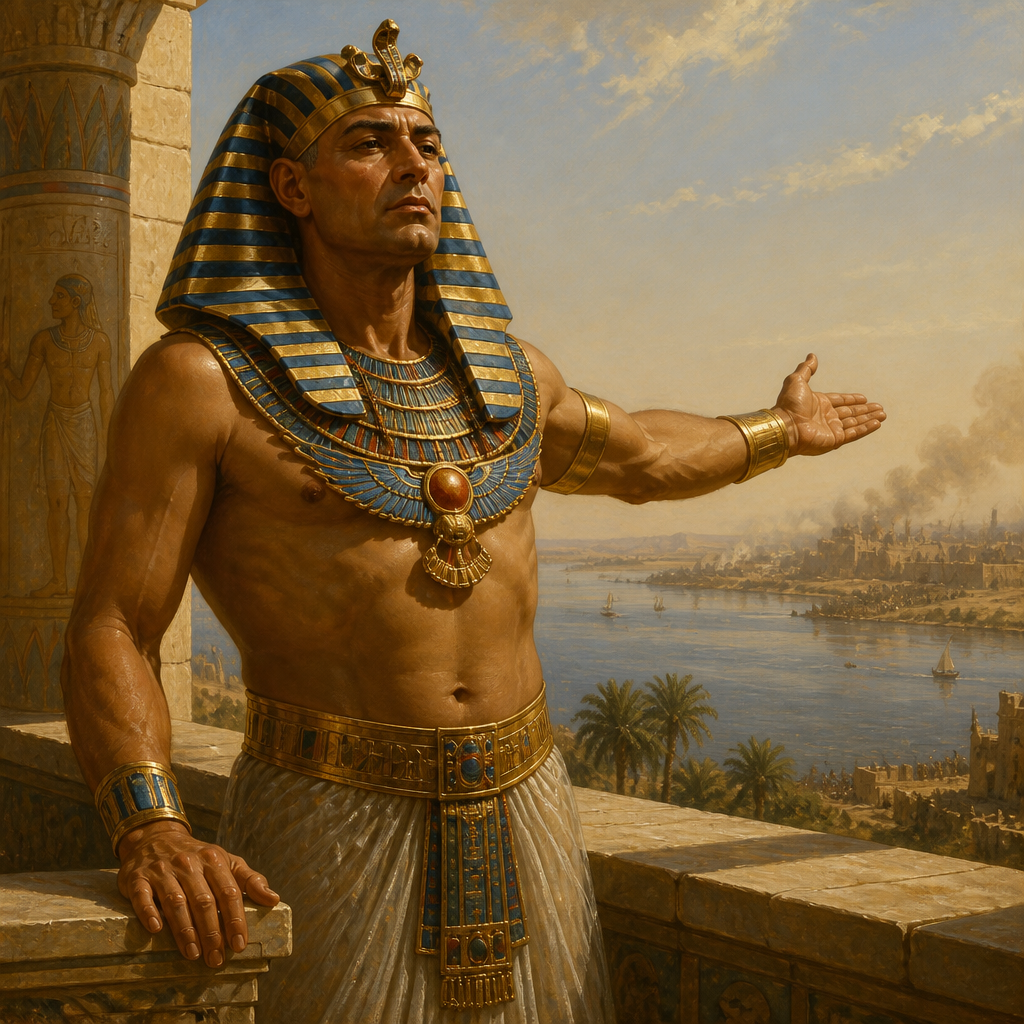
Hophra
Pharaoh who failed to defend Jerusalem against Babylon
Pharaoh Hophra was the Egyptian king during the fall of Jerusalem, known for his failed military intervention against Babylon and his arrogant claim to the Nile.
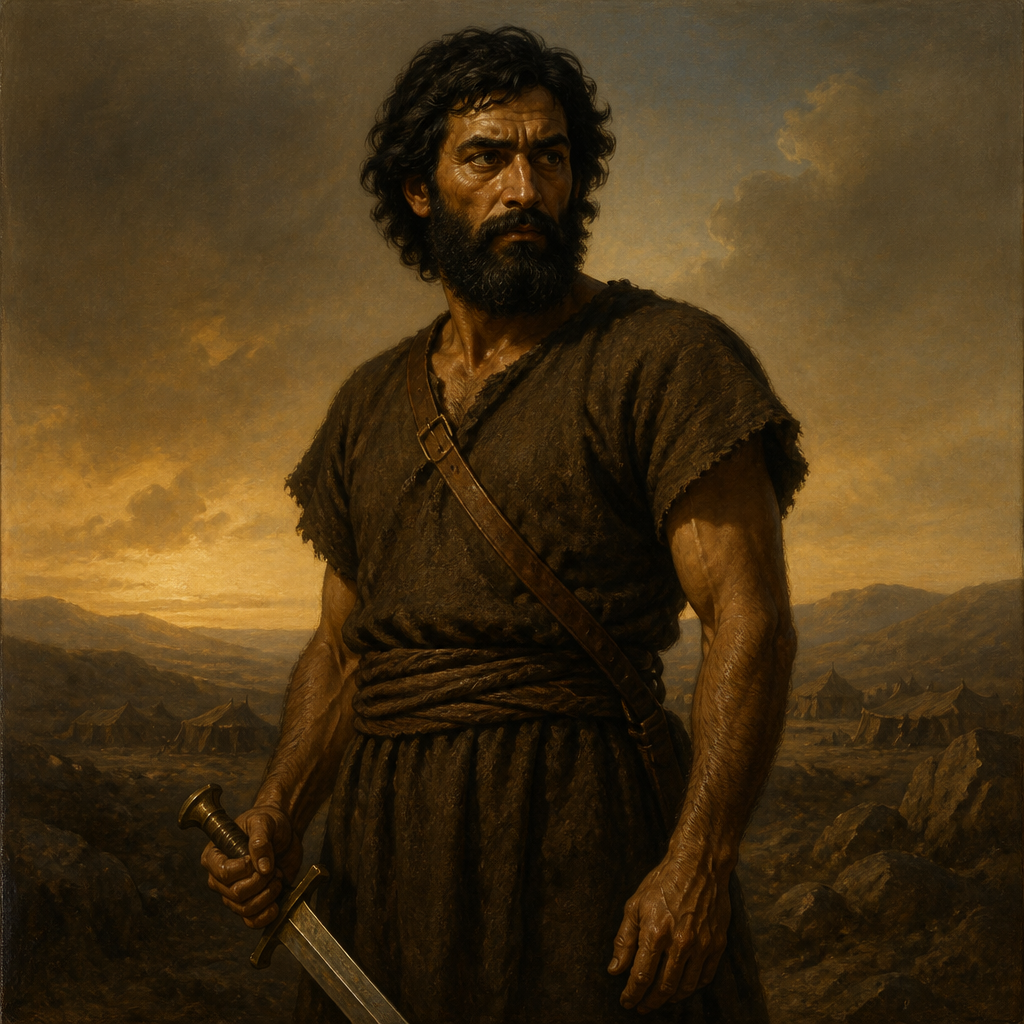
Levi, Son of Jacob
Patriarch of the priestly tribe and participant in the massacre at Shechem
The third son of Jacob and Leah, a patriarch whose descendants were set apart as the priestly and ministerial class for the nation of Israel.
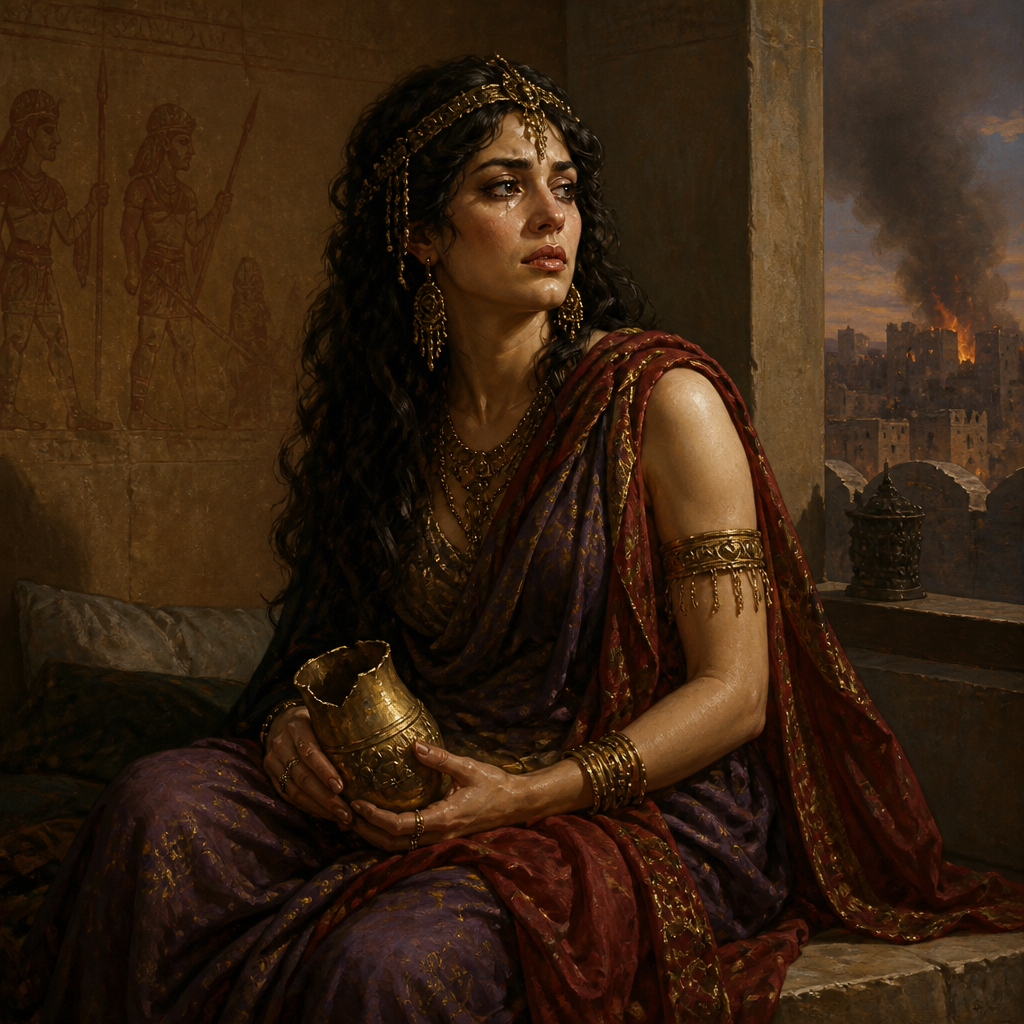
Oholibah
Symbolic figure representing Jerusalem's infidelity in the book of Ezekiel
A symbolic figure representing the city of Jerusalem and its spiritual infidelity during the Exilic Period.
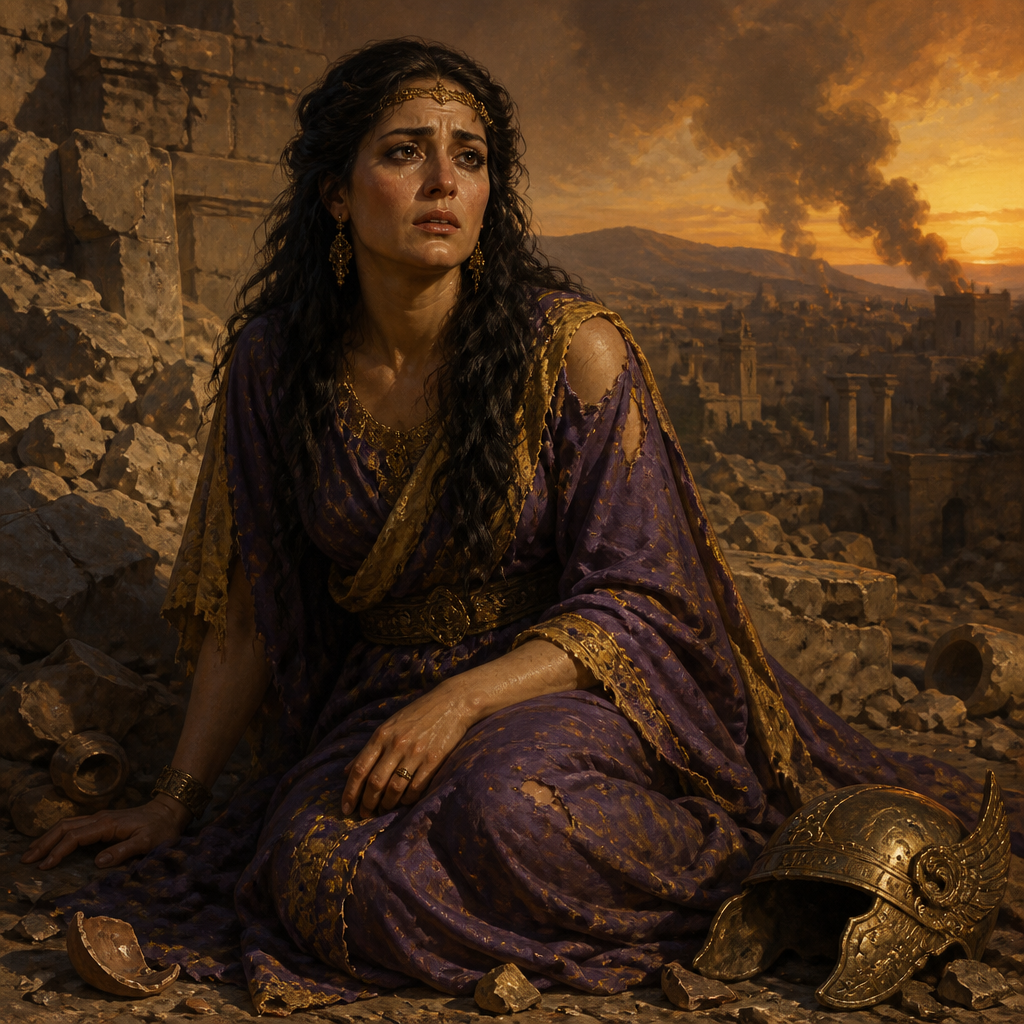
Oholah
Symbolic representation of Samaria in Ezekiel's prophecy
A symbolic woman representing the city of Samaria and the Northern Kingdom of Israel in a prophetic allegory regarding spiritual unfaithfulness.
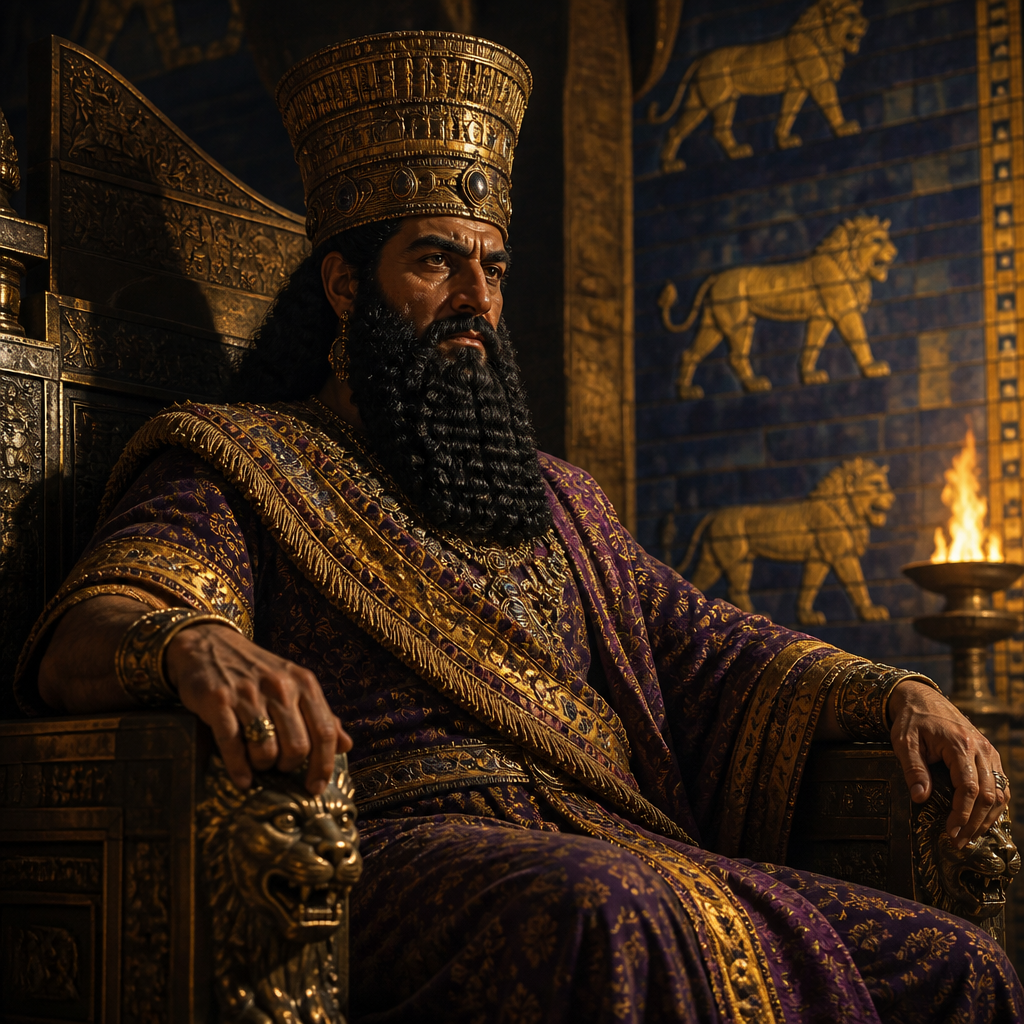
Nebuchadnezzar
King of Babylon who conquered Jerusalem and was humbled by God
The powerful king of Babylon who destroyed Jerusalem, deported the Judeans, and eventually acknowledged the sovereignty of the God of Israel.
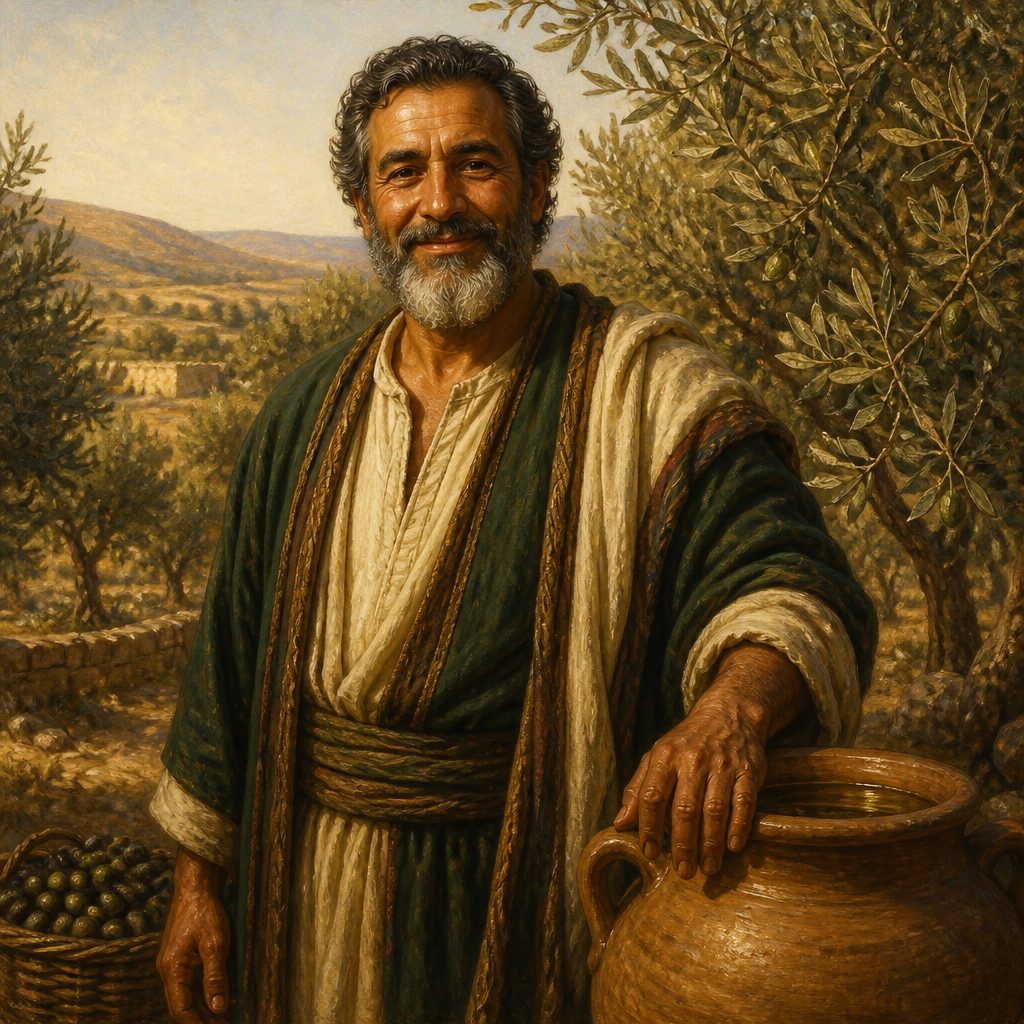
Asher
Patriarch who founded one of the twelve tribes of Israel and was noted for the fertility of his land
Asher was the eighth son of Jacob, the second born to Zilpah, and the ancestral patriarch of the Tribe of Asher, known for the fertile lands and prosperity promised in his father's blessing.
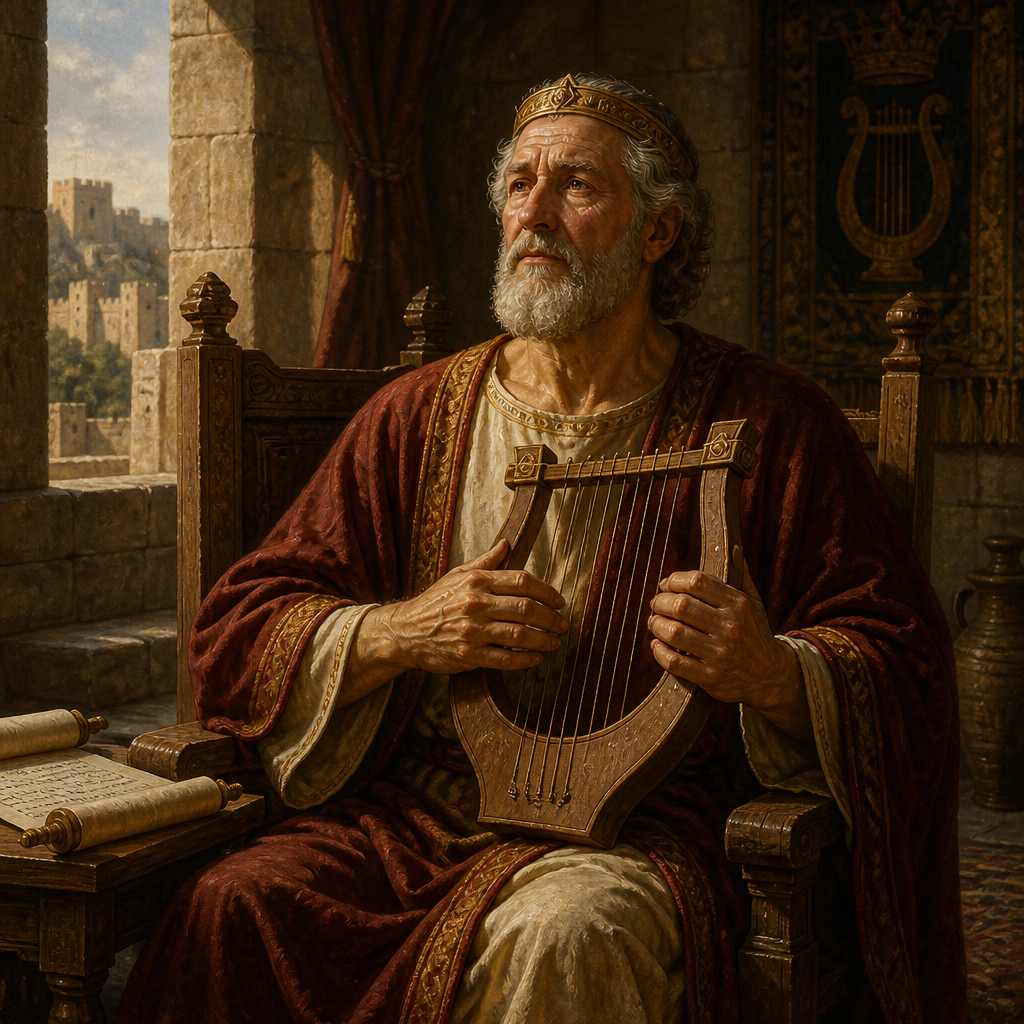
David
King of Israel who defeated Goliath and established the Davidic dynasty
The second king of the United Monarchy of Israel, a shepherd-warrior and psalmist known as a man after God's own heart.
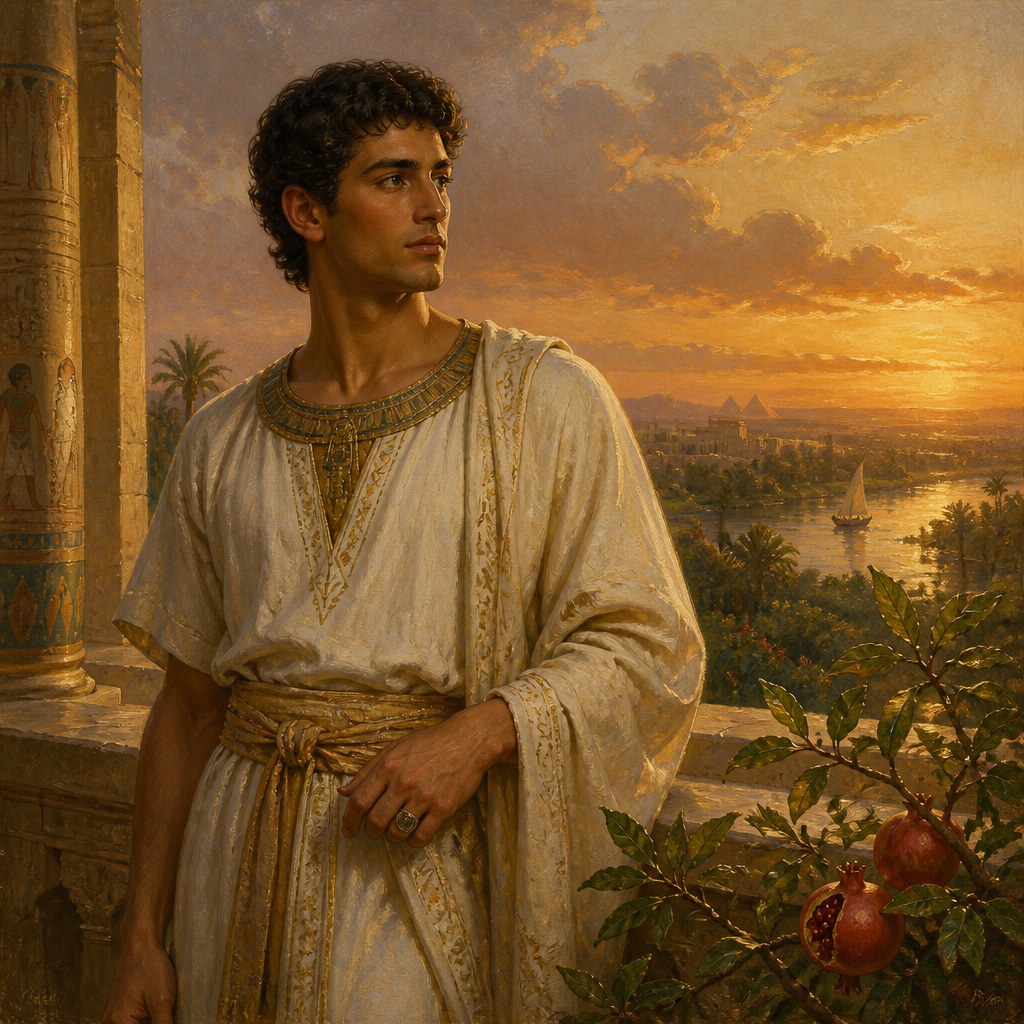
Ephraim
Son of Joseph who received the firstborn blessing from Jacob
The second son of Joseph and Asenath, Ephraim was adopted by his grandfather Jacob and received the primary blessing of the firstborn, becoming the progenitor of a dominant tribe in Israel.
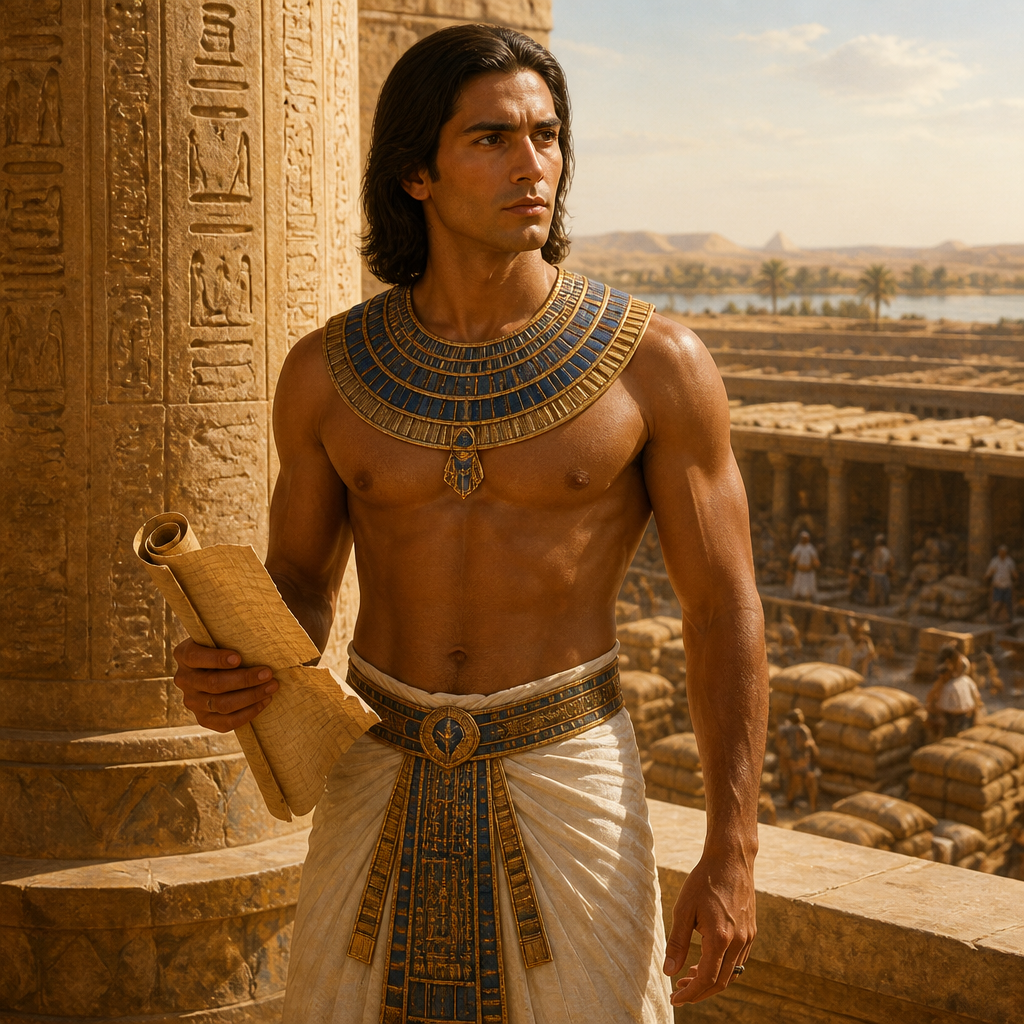
Joseph, Son of Jacob
Patriarch who was sold into slavery and rose to become the second most powerful man in Egypt
The favored son of Jacob who, after being sold into slavery by his brothers, rose to become the Grand Vizier of Egypt and preserved the lineage of Israel during a regional famine.
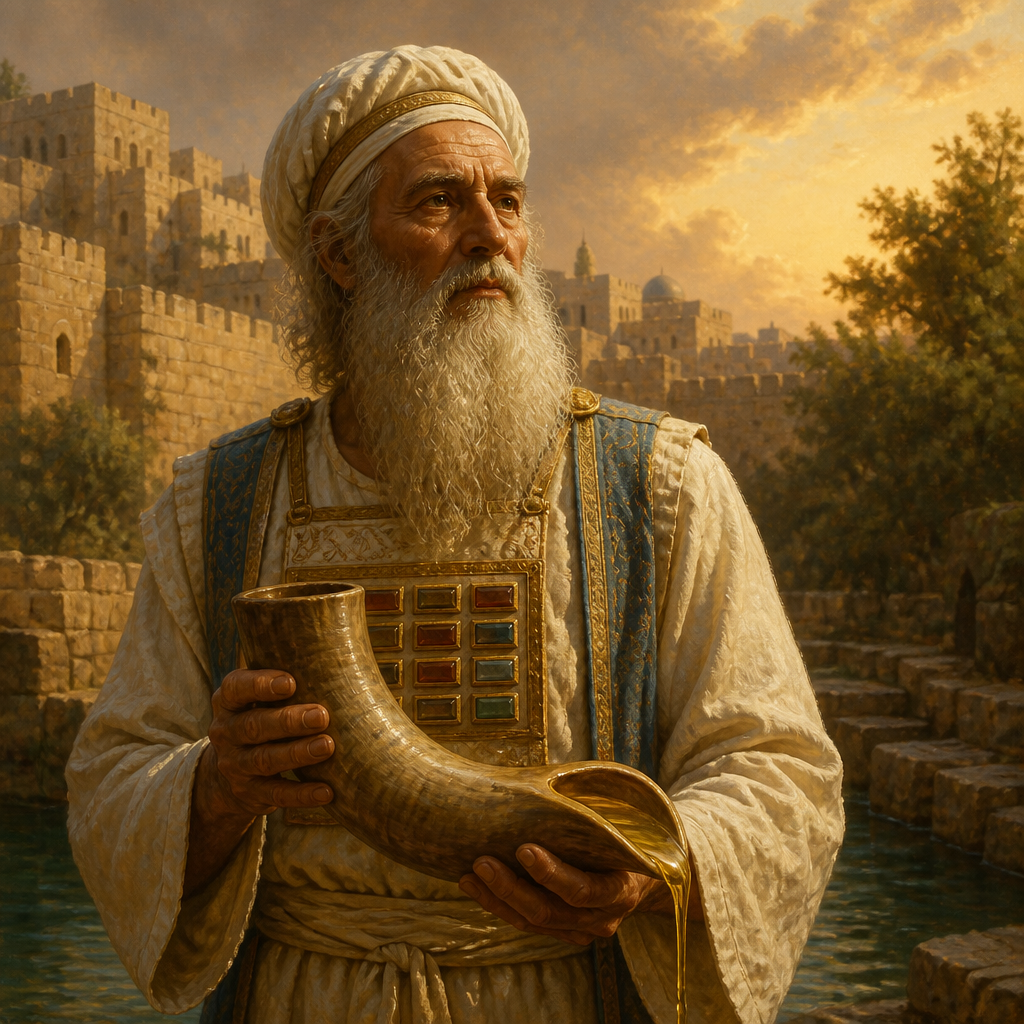
Zadok, Priest of the United Monarchy
High priest who anointed King Solomon and established a faithful priestly dynasty
A high priest of Israel during the reigns of David and Solomon who remained loyal to the Davidic line and established a permanent priestly dynasty.
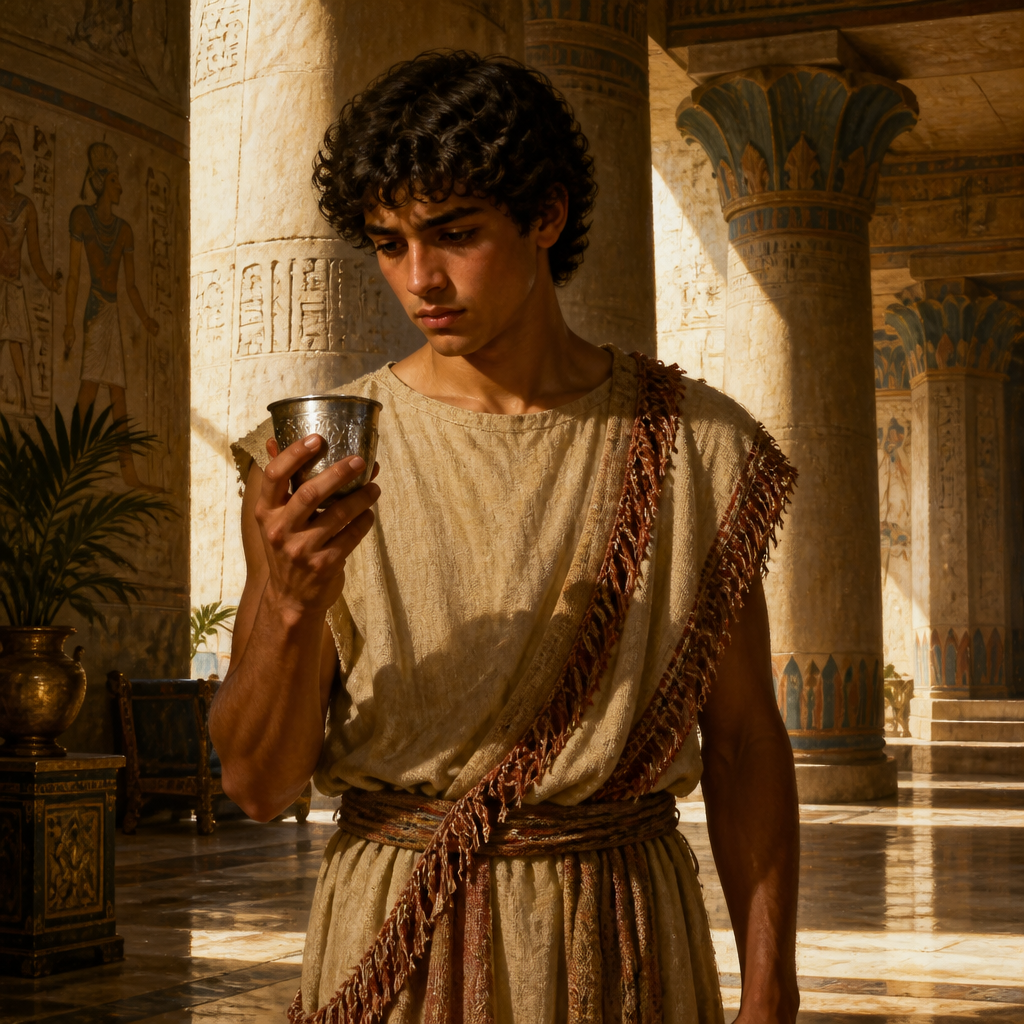
Benjamin, Son of Jacob
Youngest son of Jacob and the full brother of Joseph whose presence in Egypt led to his family's reconciliation
The youngest son of Jacob and Rachel, Benjamin was the beloved patriarch of one of the twelve tribes of Israel and a central figure in the narrative of Joseph's rise in Egypt.
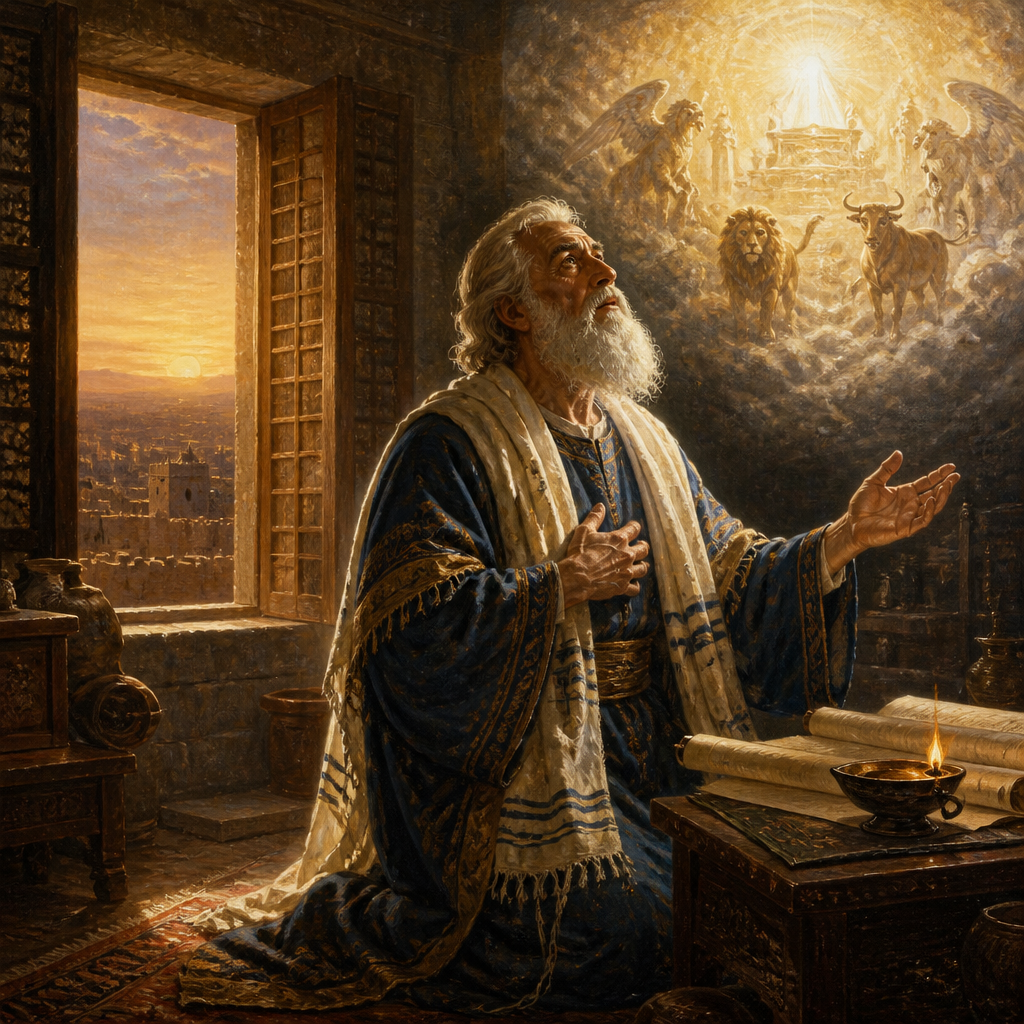
Daniel, Prophet of the Exile
Prophet who survived the lions' den and interpreted the handwriting on the wall
A Judean exile who rose to high office in Babylon and Persia, known for his uncompromising faith, wisdom, and prophetic visions concerning the rise and fall of world empires.
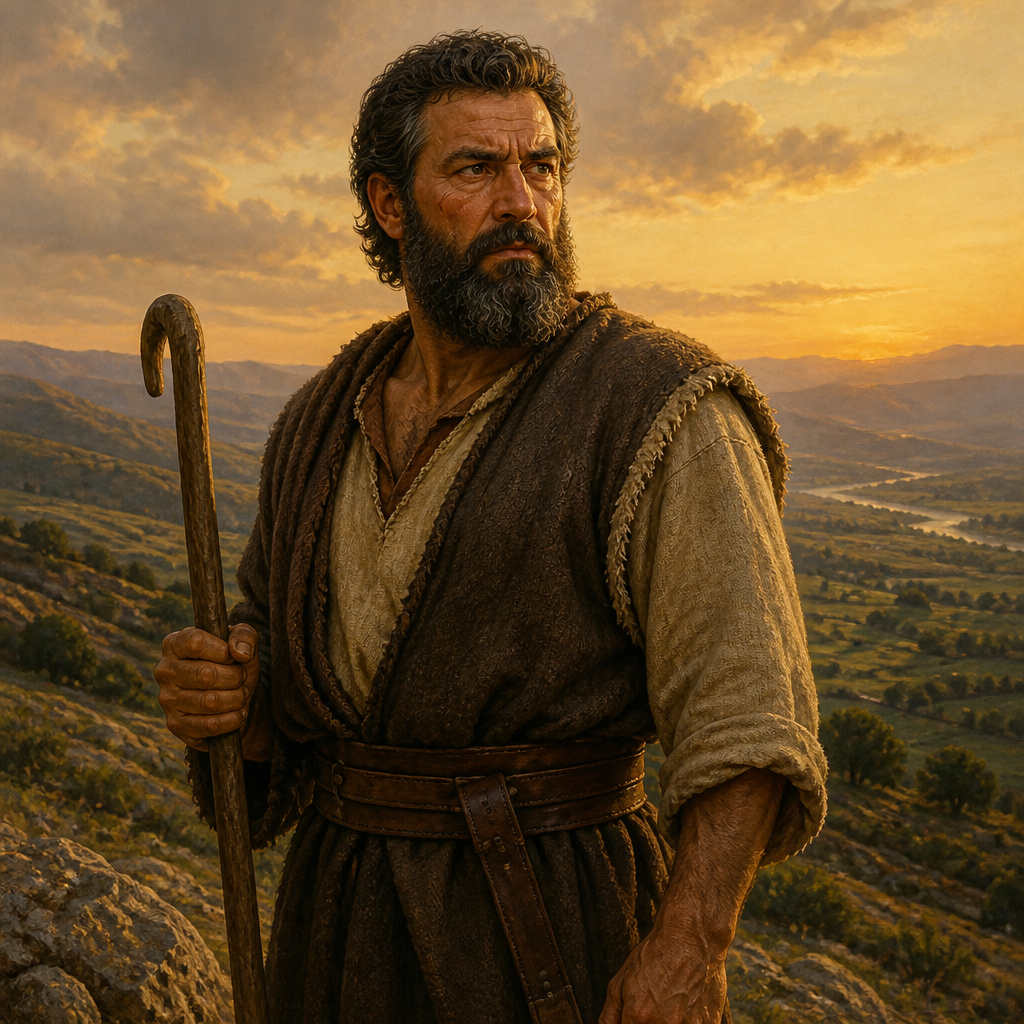
Gad, Son of Jacob
Seventh son of Jacob and founder of the warrior tribe of Gad
The seventh son of Jacob and the firstborn of Zilpah, Gad was a patriarch of Israel whose descendants became a warrior tribe known for their courage and inheritance east of the Jordan River.
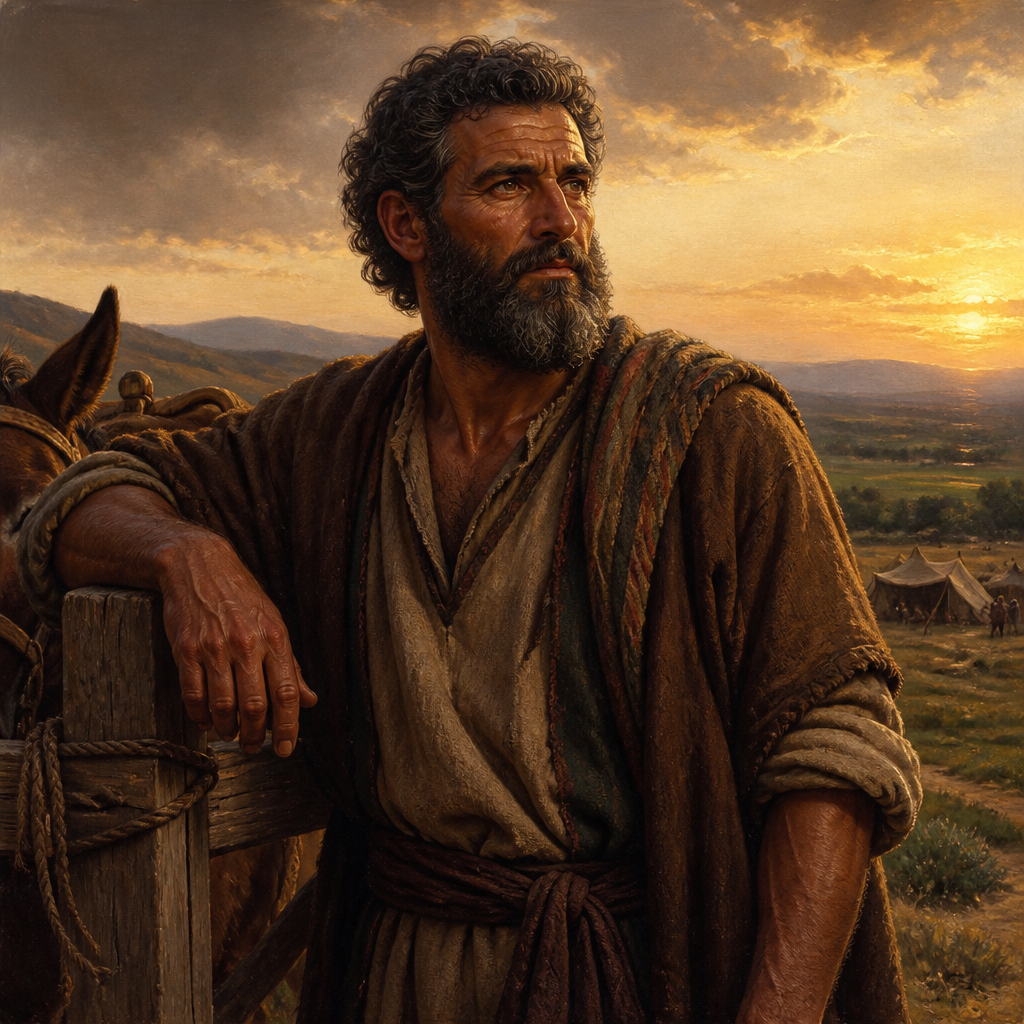
Issachar, Ninth Son of Jacob
Ninth son of Jacob and the progenitor of the Tribe of Issachar
The ninth son of Jacob and the fifth born to Leah, Issachar was a patriarch whose descendants formed one of the prominent twelve tribes of Israel.
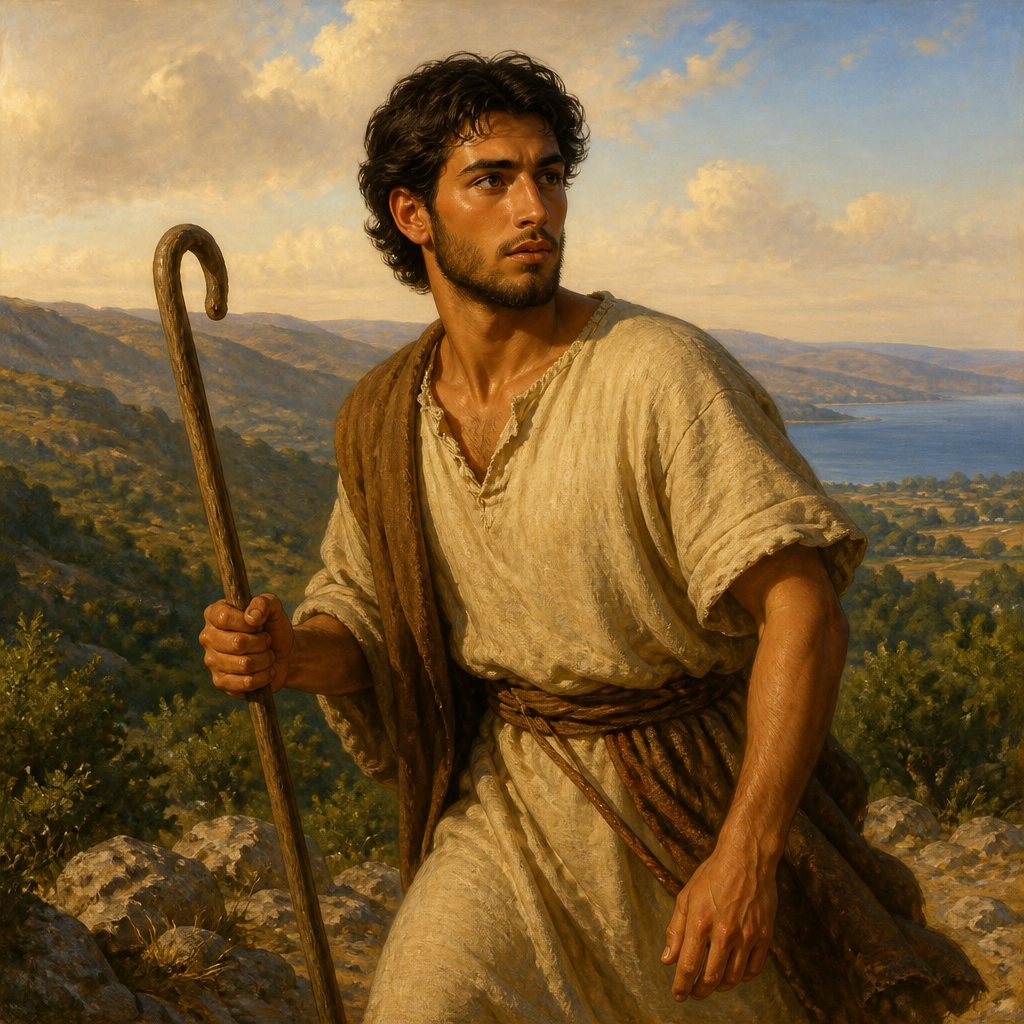
Naphtali
Patriarch of one of the twelve tribes of Israel and sixth son of Jacob
The sixth son of Jacob and second son of Bilhah, whose descendants formed one of the twelve tribes of Israel in the fertile northern Galilee region.
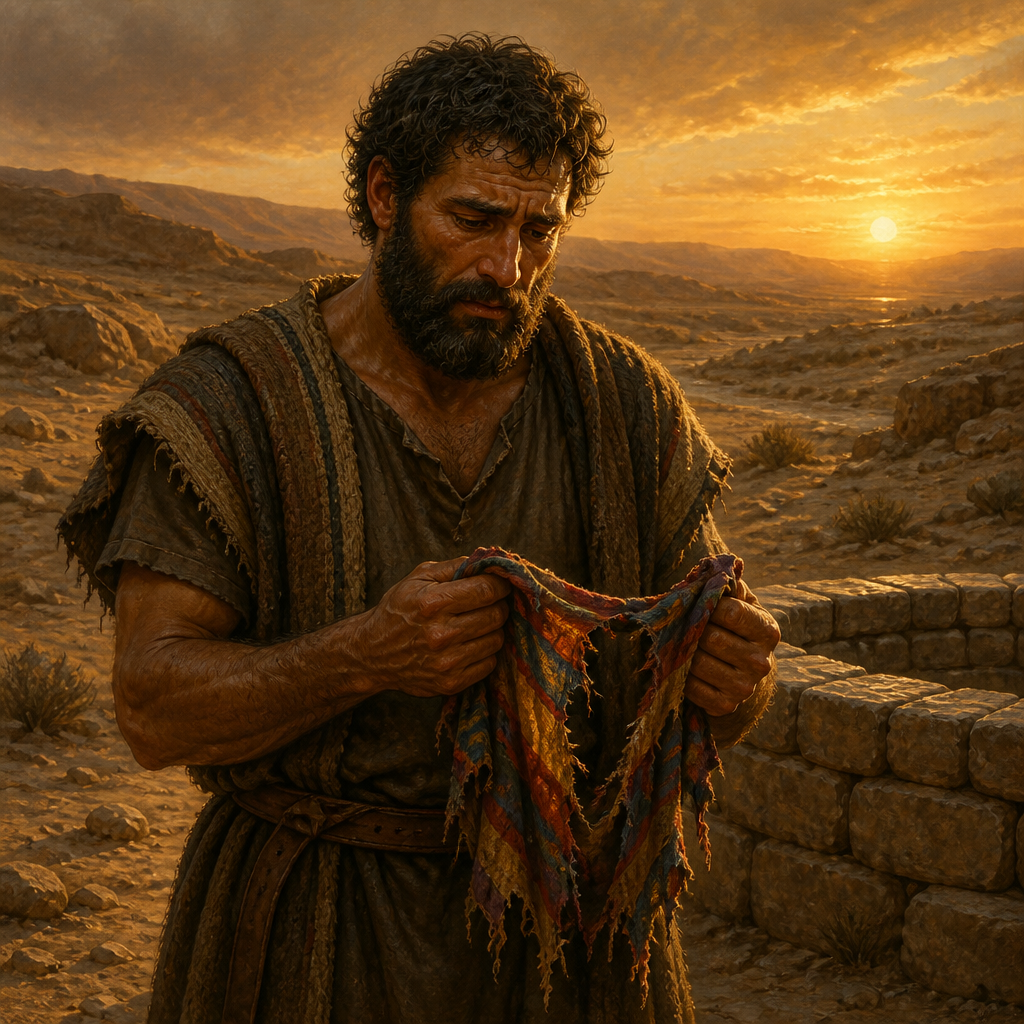
Reuben
Firstborn son of Jacob who lost his birthright for defiling his father's bed
Reuben was the firstborn son of Jacob and Leah, the founding patriarch of the Tribe of Reuben, and a complex figure known for both his attempts to save Joseph and his loss of the birthright.
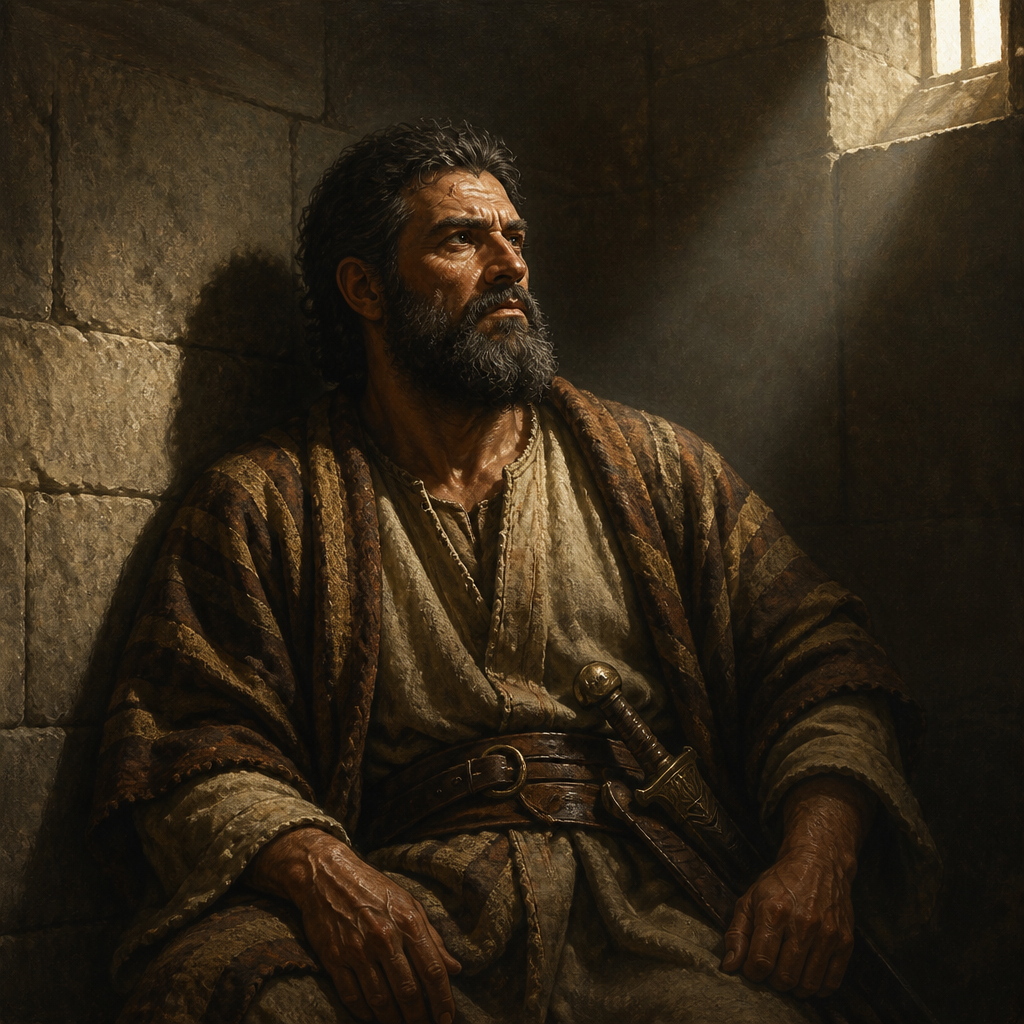
Simeon, Son of Jacob
Patriarch of Israel known for his role in the massacre at Shechem and being held hostage by Joseph in Egypt
Simeon was the second son of Jacob and Leah, a founding patriarch of Israel known for his volatile temperament and the eventual dispersal of his tribe within Judah.
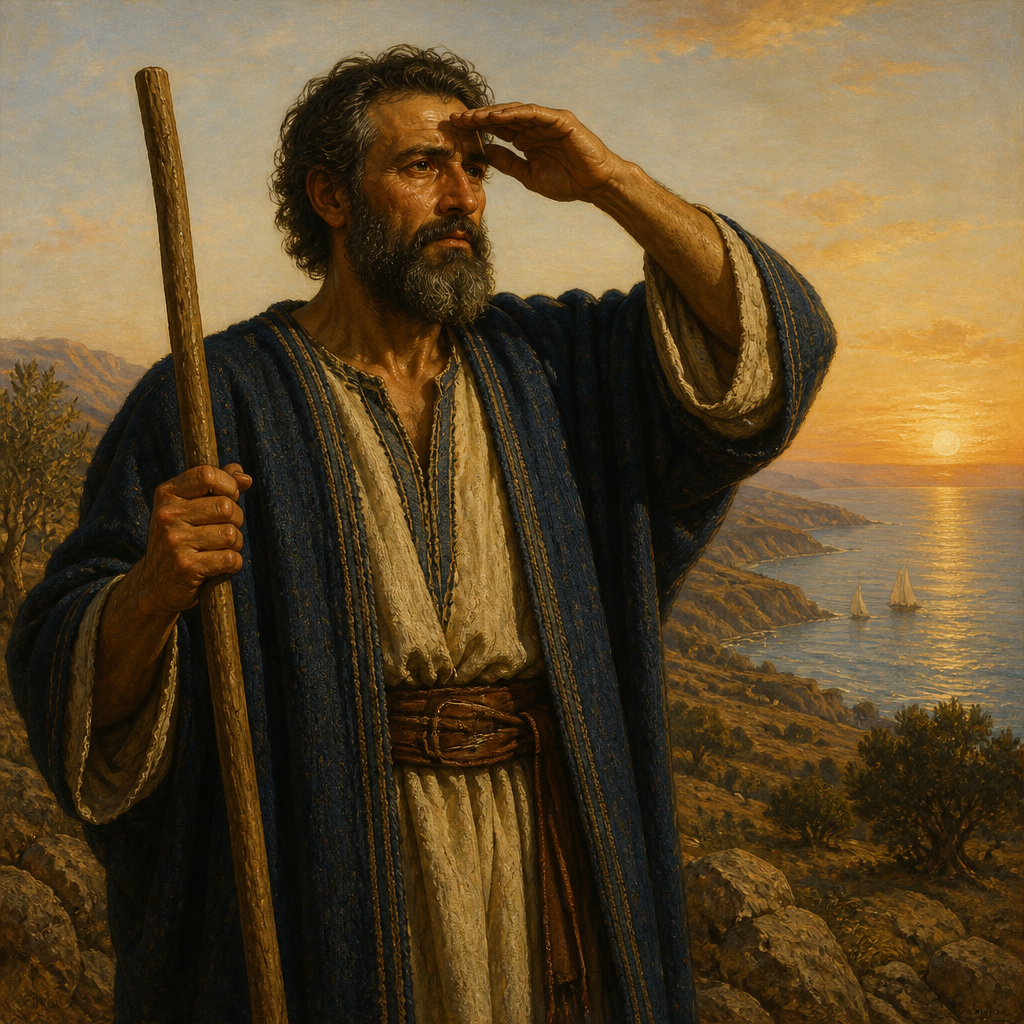
Zebulun
Tenth son of Jacob and founder of the tribe associated with maritime commerce and the region of Galilee
Zebulun was the tenth son of Jacob and the sixth and final son born to Leah, serving as the eponymous patriarch of one of the twelve tribes of Israel.
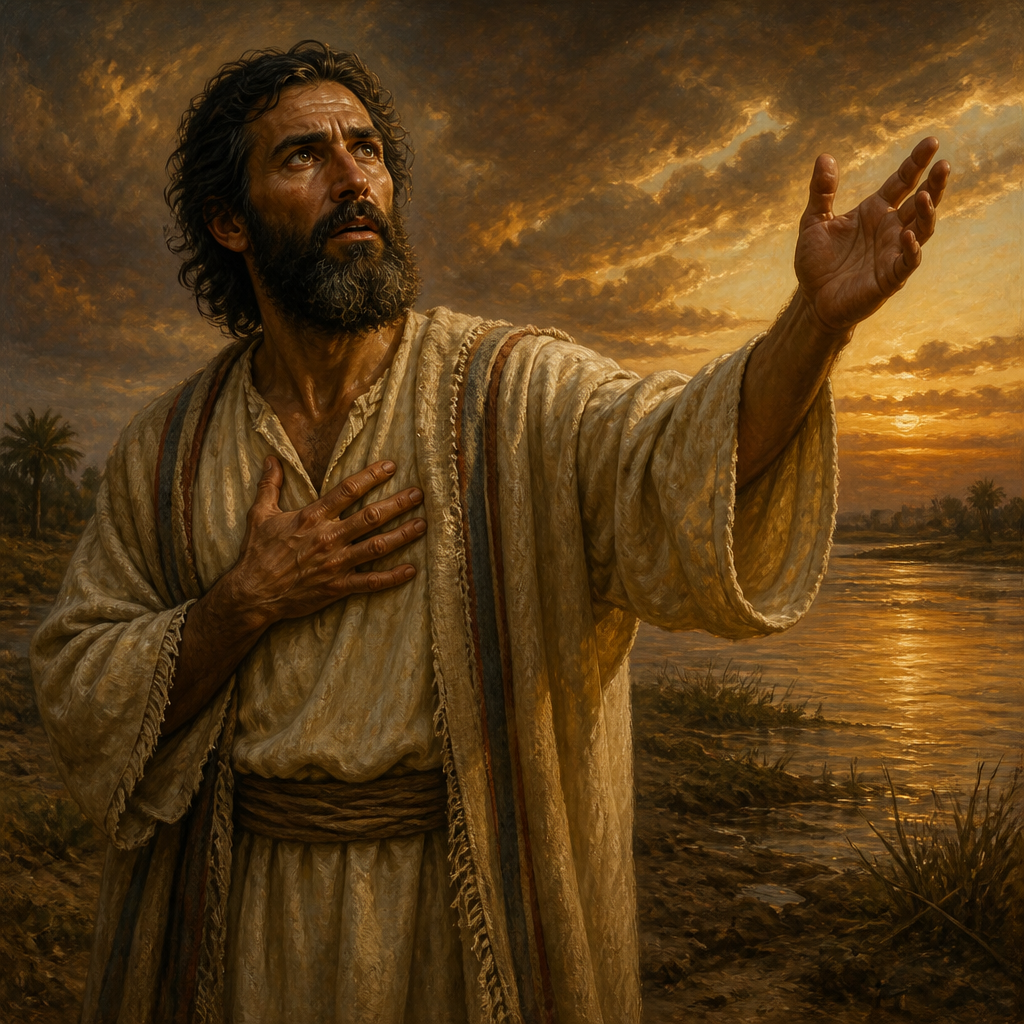
Ezekiel
Prophet who served as a sign to Israel during the Babylonian Exile
A priest and prophet of the Exilic Period who served as a sign to the house of Israel while in the land of the Chaldeans.
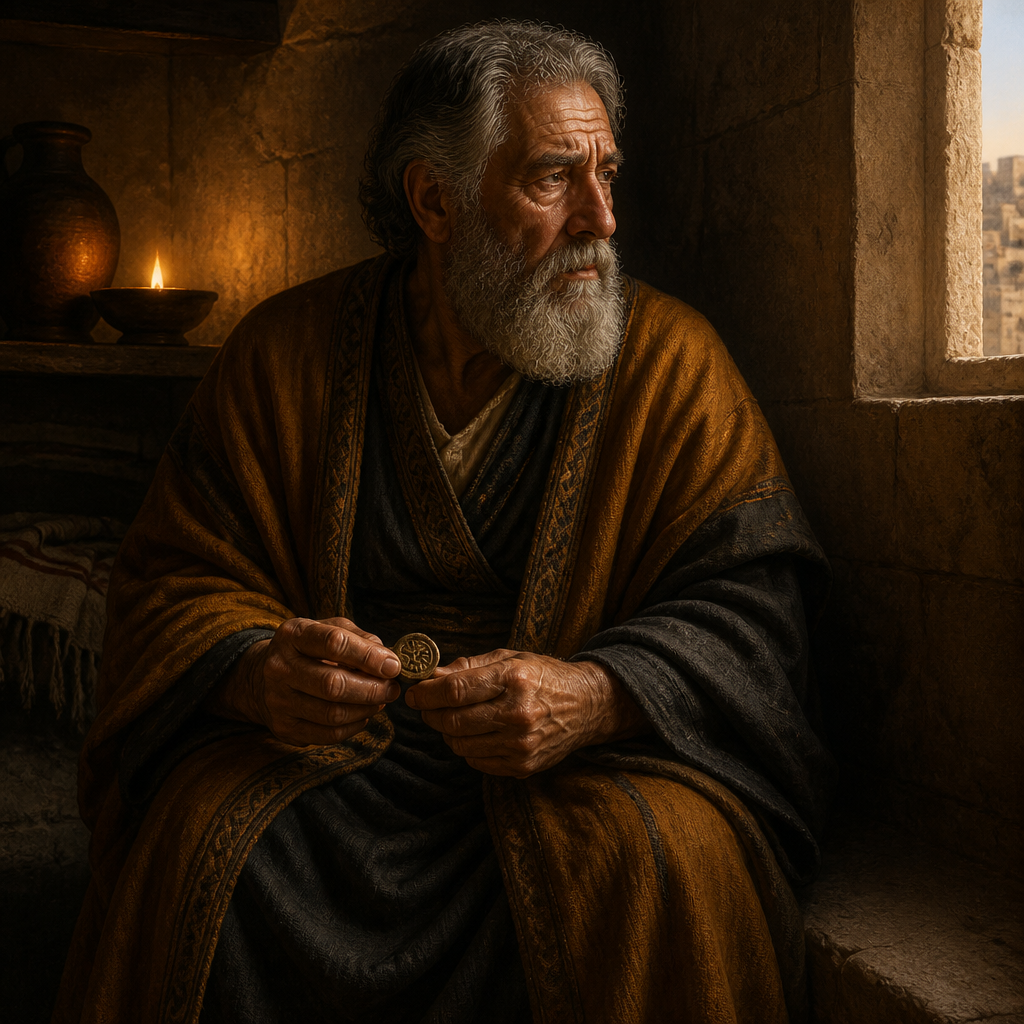
Benaiah, Father of Pelatiah
Father of Pelatiah, a leader of Jerusalem whose death was witnessed by Ezekiel in a vision
A man living during the Babylonian exile whose son, Pelatiah, was a leader of the people in Jerusalem and the subject of a specific judgment vision by Ezekiel.
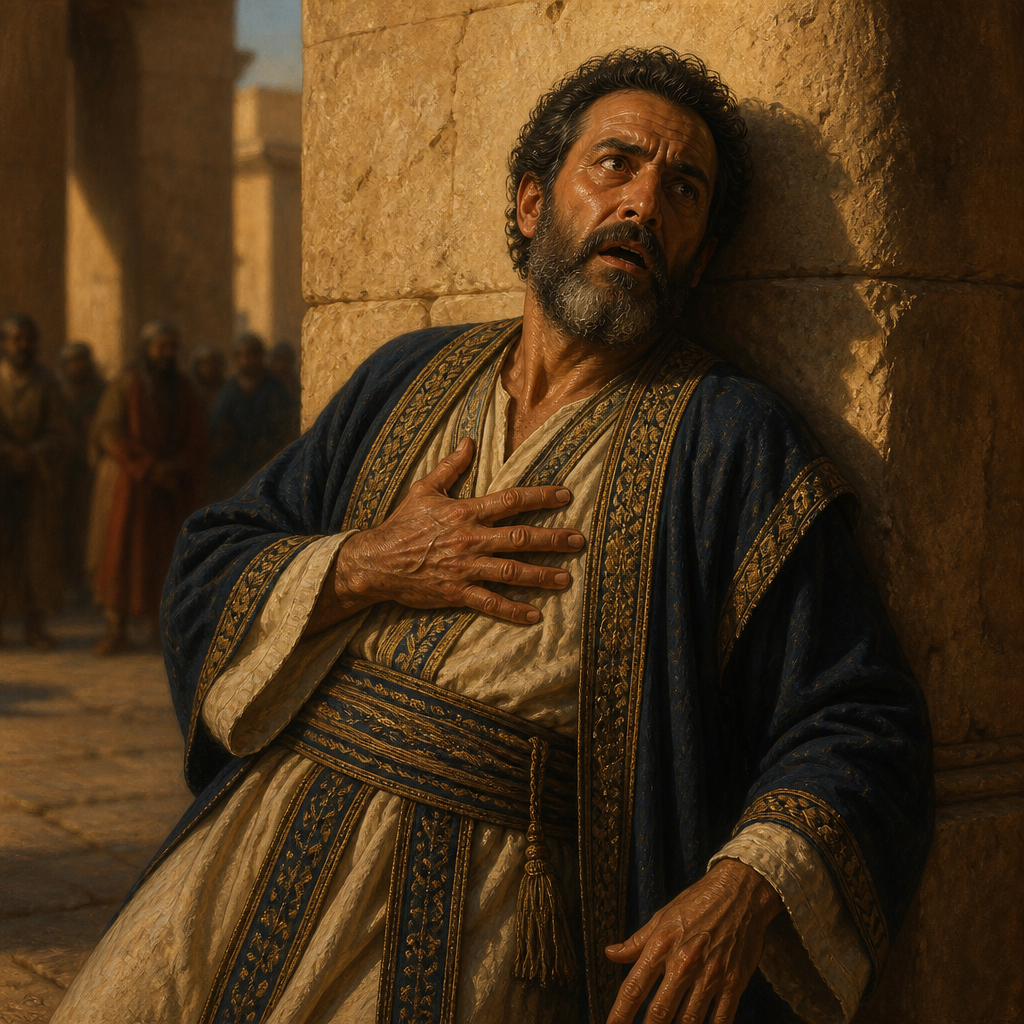
Pelatiah son of Benaiah
Leader of Jerusalem whose sudden death occurred during Ezekiel's prophecy
A leader in Jerusalem during the Babylonian exile whose sudden death served as a divine sign of judgment through the prophet Ezekiel.
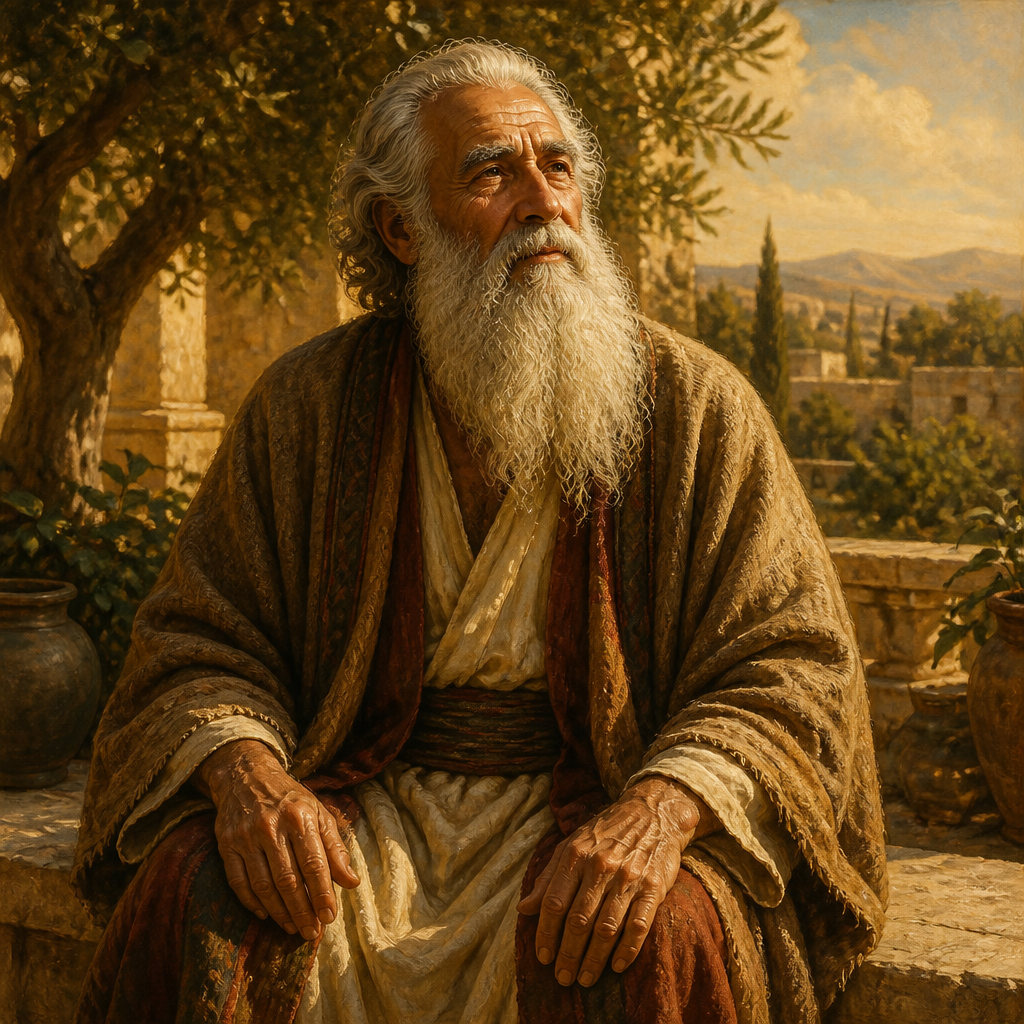
Job
Patriarch who remained faithful to God despite losing his wealth, children, and health
A patriarch from the land of Uz renowned for his blameless character, immense suffering, and unwavering perseverance in his relationship with God.
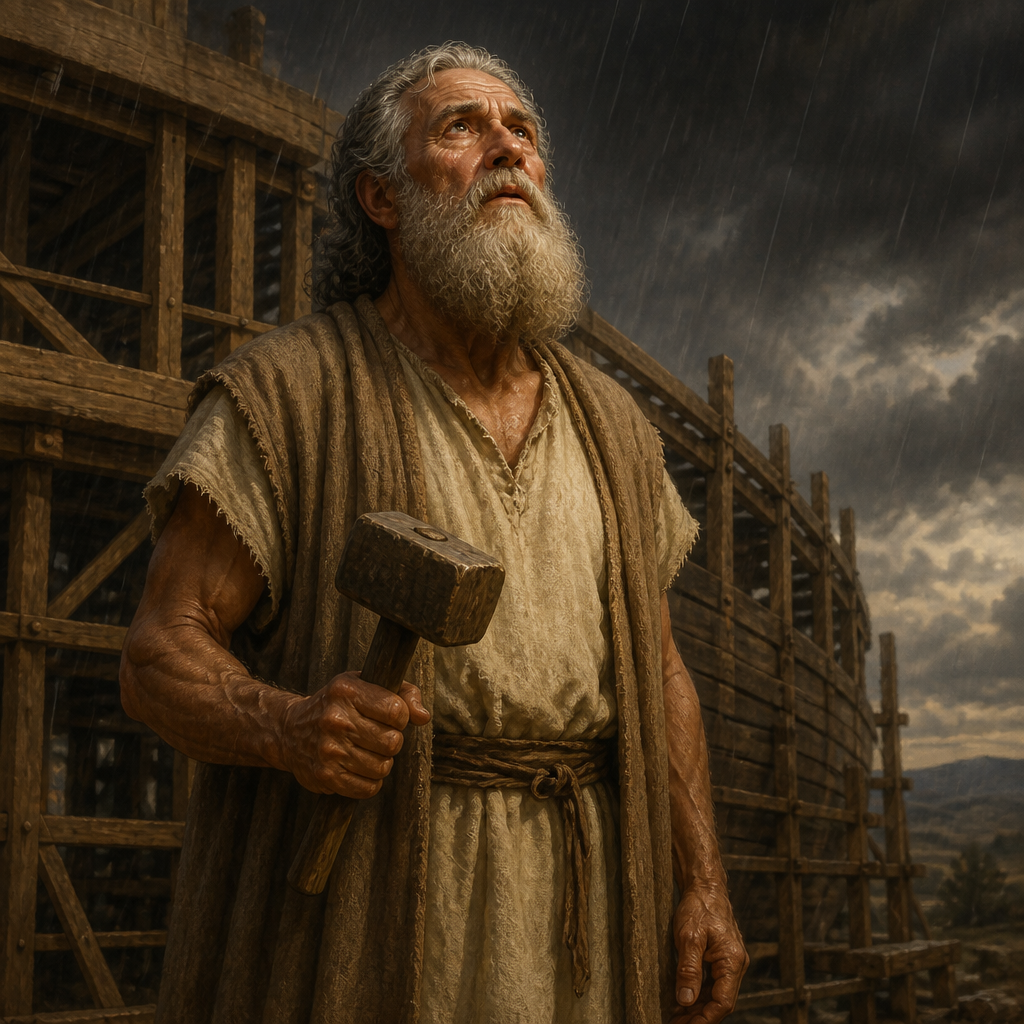
Noah, the Antediluvian Patriarch
Patriarch who built the ark to survive the Great Flood
A righteous patriarch who built an ark to save his family and animal life from a global flood, becoming the second father of the human race.
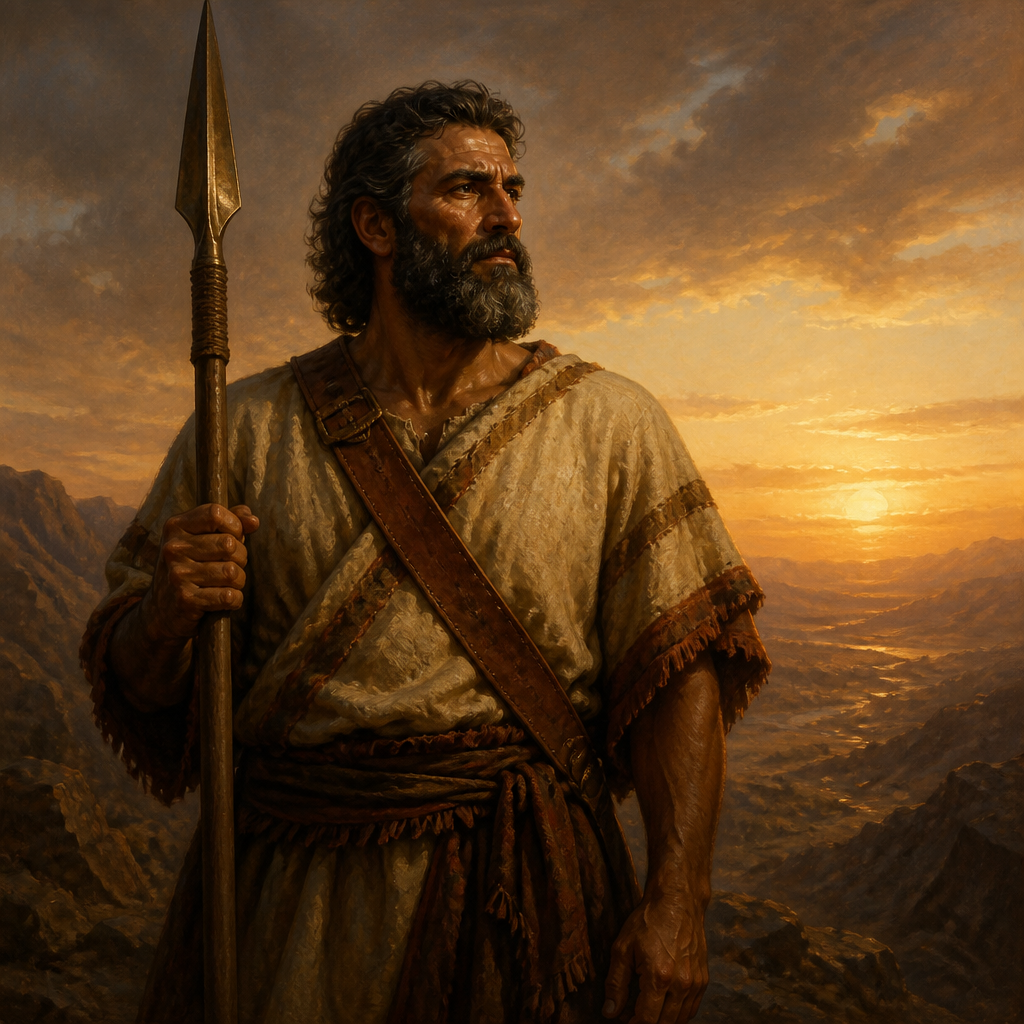
Amorite
Son of Canaan and ancestral head of the powerful Amorite nation
A son of Canaan and a grandson of Ham, the patriarch whose descendants became a powerful mountain-dwelling nation in the Levant during the Patriarchal Period.
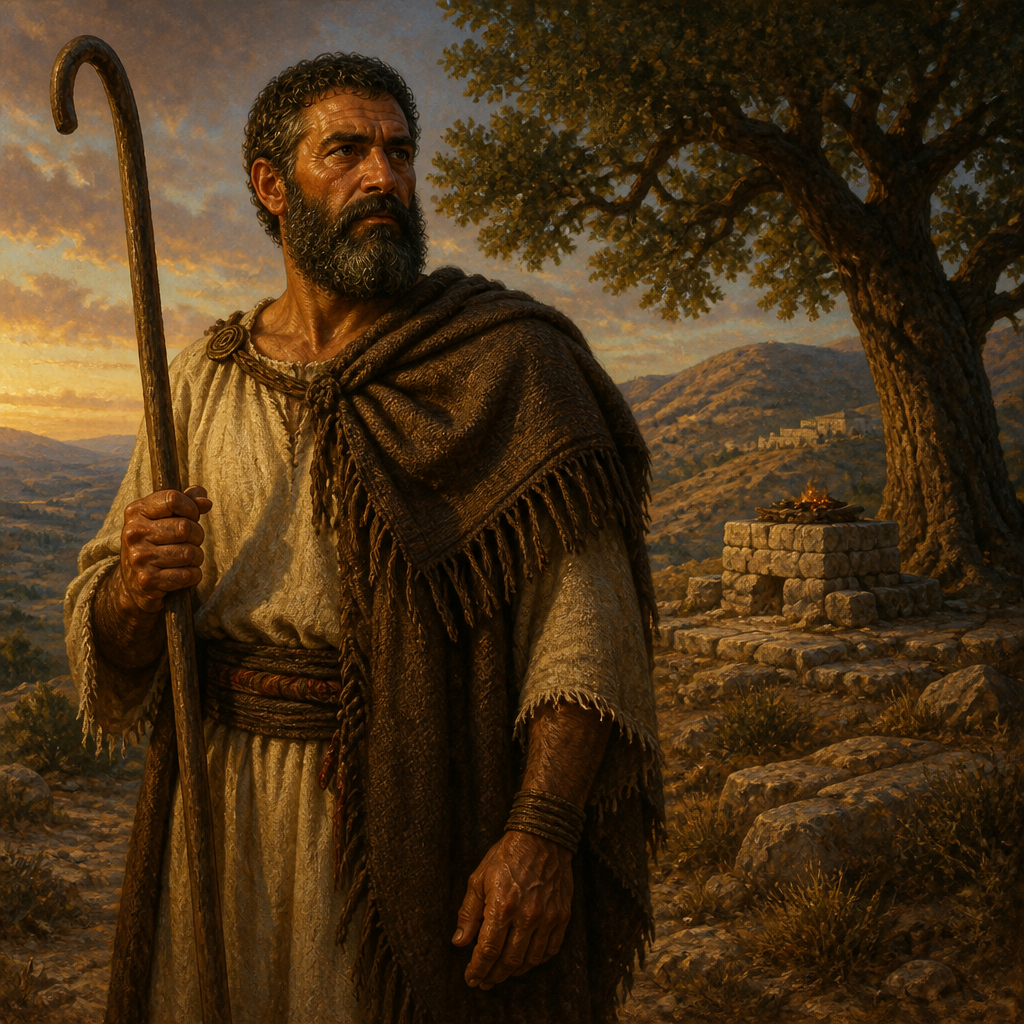
Heth
Patriarch who was the son of Canaan and ancestor of the Hittite people
Heth was the son of Canaan and the eponymous patriarch of the Hittites, a significant nation in the land of Canaan during the era of the Patriarchs.
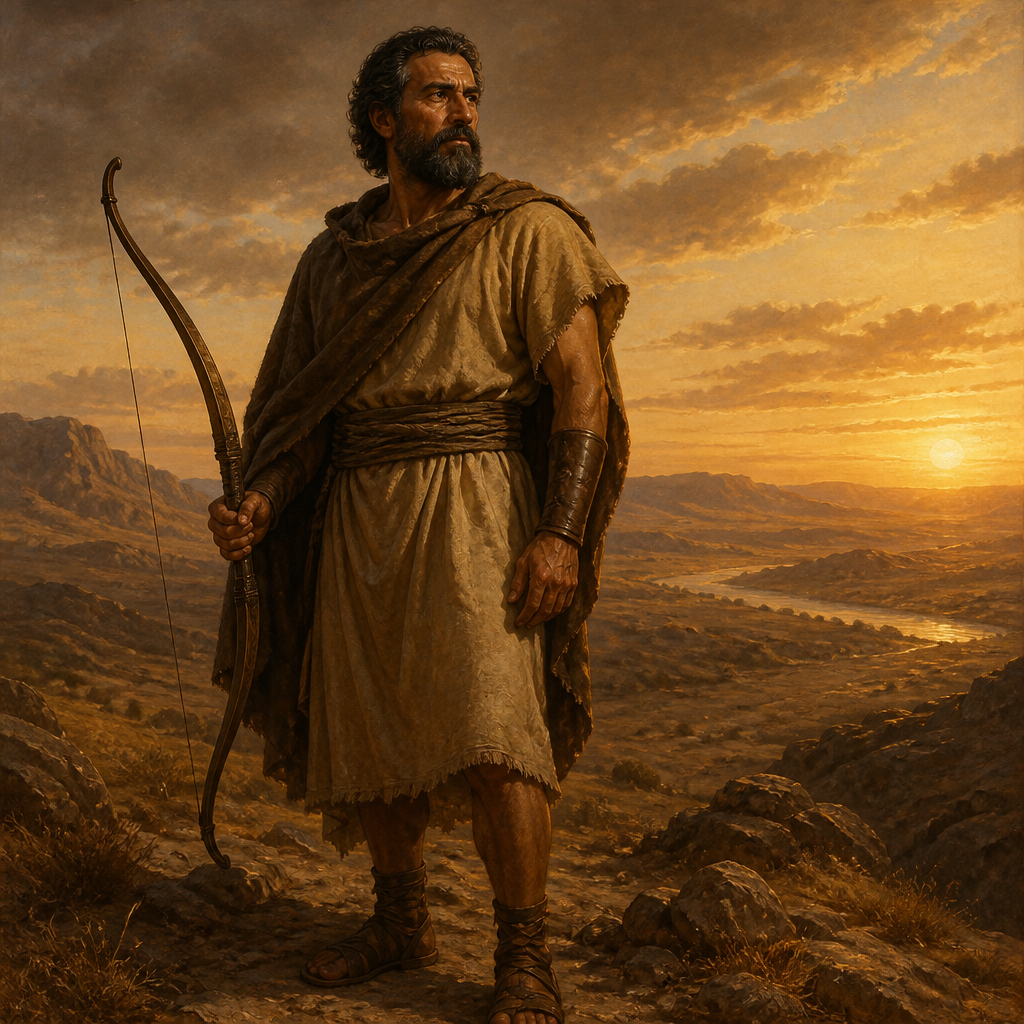
Lud
Son of Shem and ancestor of the Lydian people
Lud was the fourth son of Shem and a grandson of Noah, traditionally identified as the eponymous ancestor of the Lydian people.
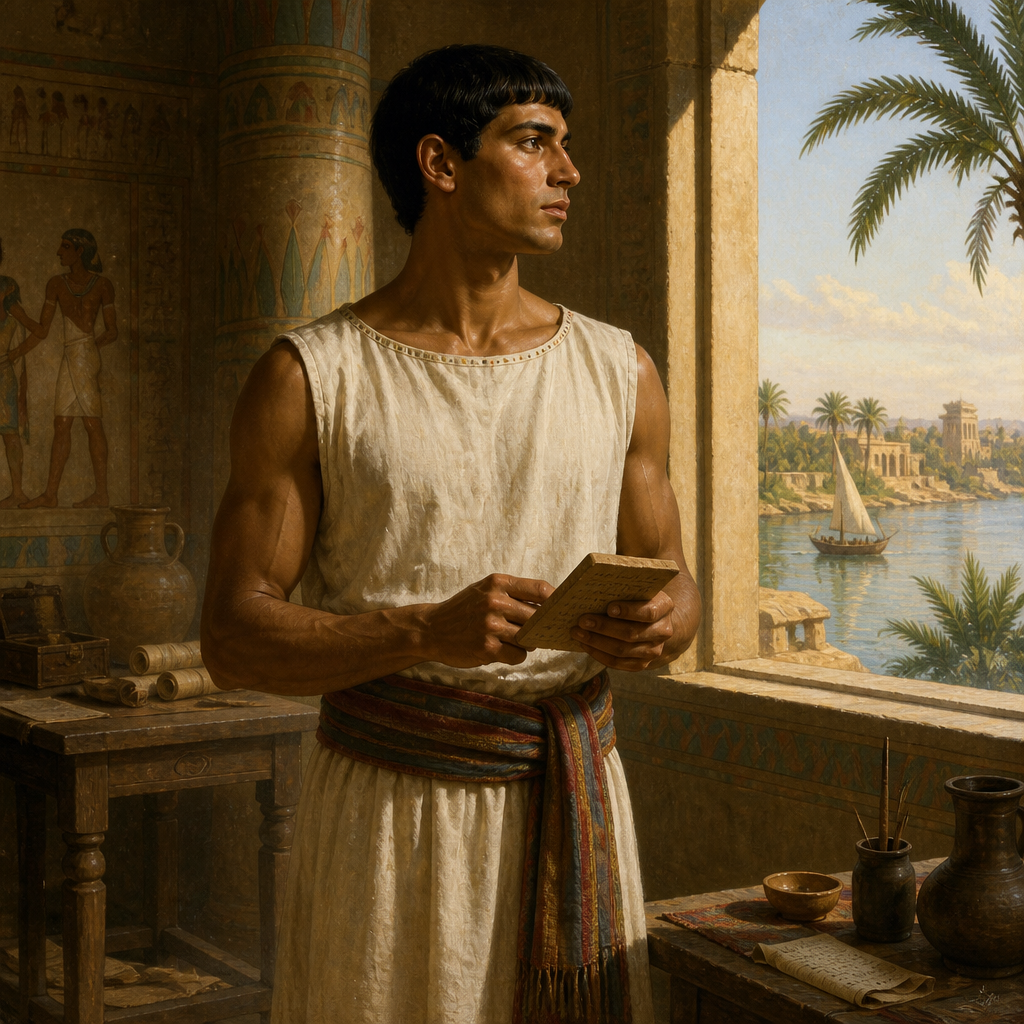
Manasseh, Son of Joseph
Firstborn son of Joseph whose grandfather Jacob crossed his hands to give the younger brother the primary blessing
The firstborn son of Joseph and Asenath, Manasseh became the progenitor of one of the largest and most strategically positioned tribes of Israel.
Buzi
Man living at the time of Exile and Return
View profile →
Jehoiachin
King of Judah who was taken captive to Babylon and later released from prison
A king of Judah who reigned briefly in 598–597 BC before being exiled to Babylon by Nebuchadnezzar.
Jaazaniah
Man living at the time of Exile and Return
View profile →Shaphan
Man living at the time of Exile and Return
View profile →Azzur
Man living at the time of Exile and Return
View profile →Jaazaniah
Man living at the time of Exile and Return
View profile →
Sheba, Grandson of Cush
Patriarch of the Sabean people and son of Raamah within the Hamitic line
A patriarch and descendant of Ham who founded a wealthy merchant nation known for trade and stature in the ancient Near East.
Ezekiel's Wife
Wife of the prophet Ezekiel whose death was a sign to Israel
The wife of the prophet Ezekiel whose sudden death served as a silent, prophetic sign to the exiles of Judah regarding the destruction of Jerusalem.
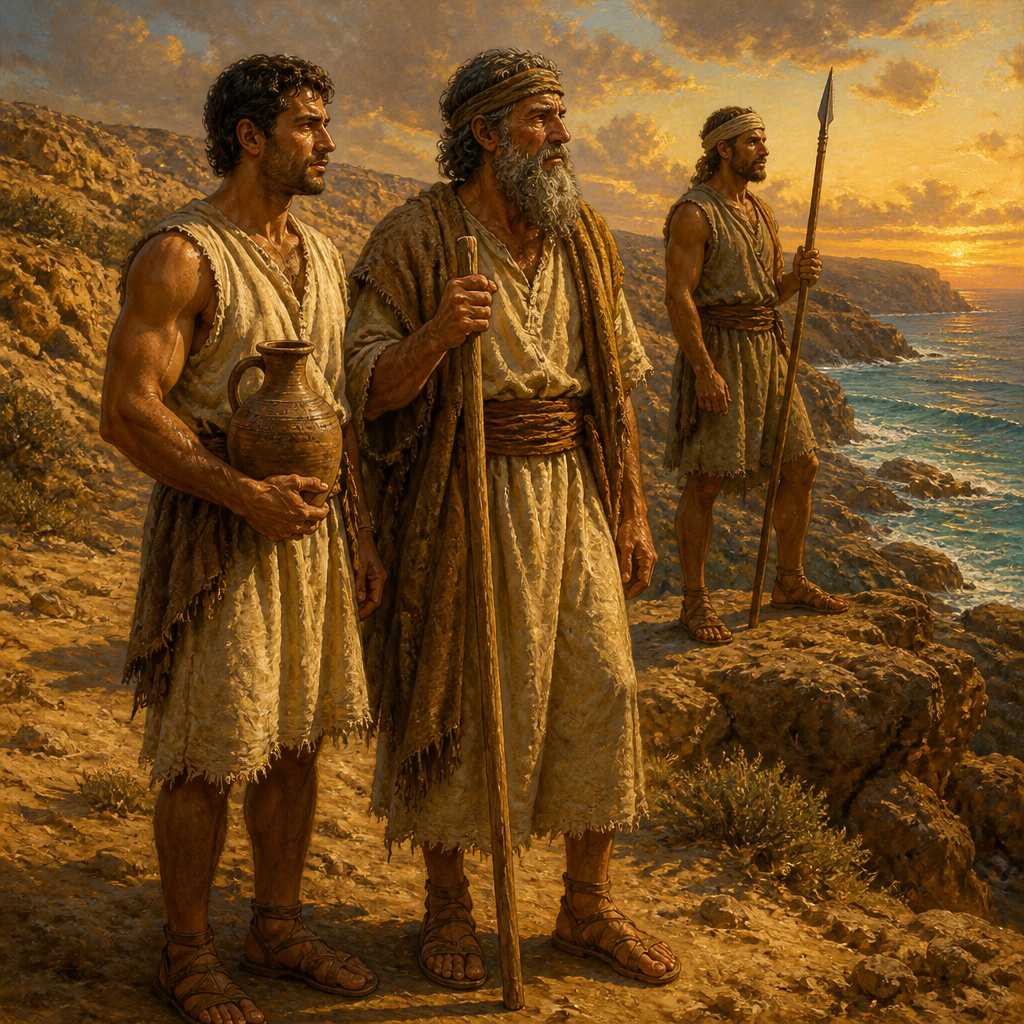
Cherethites, People of the Seacoast
Coastal nation targeted for destruction in the prophecies of Ezekiel and Zephaniah
A coastal people group closely associated with the Philistines and targeted for divine judgment during the Patriarchal and Prophetic eras.
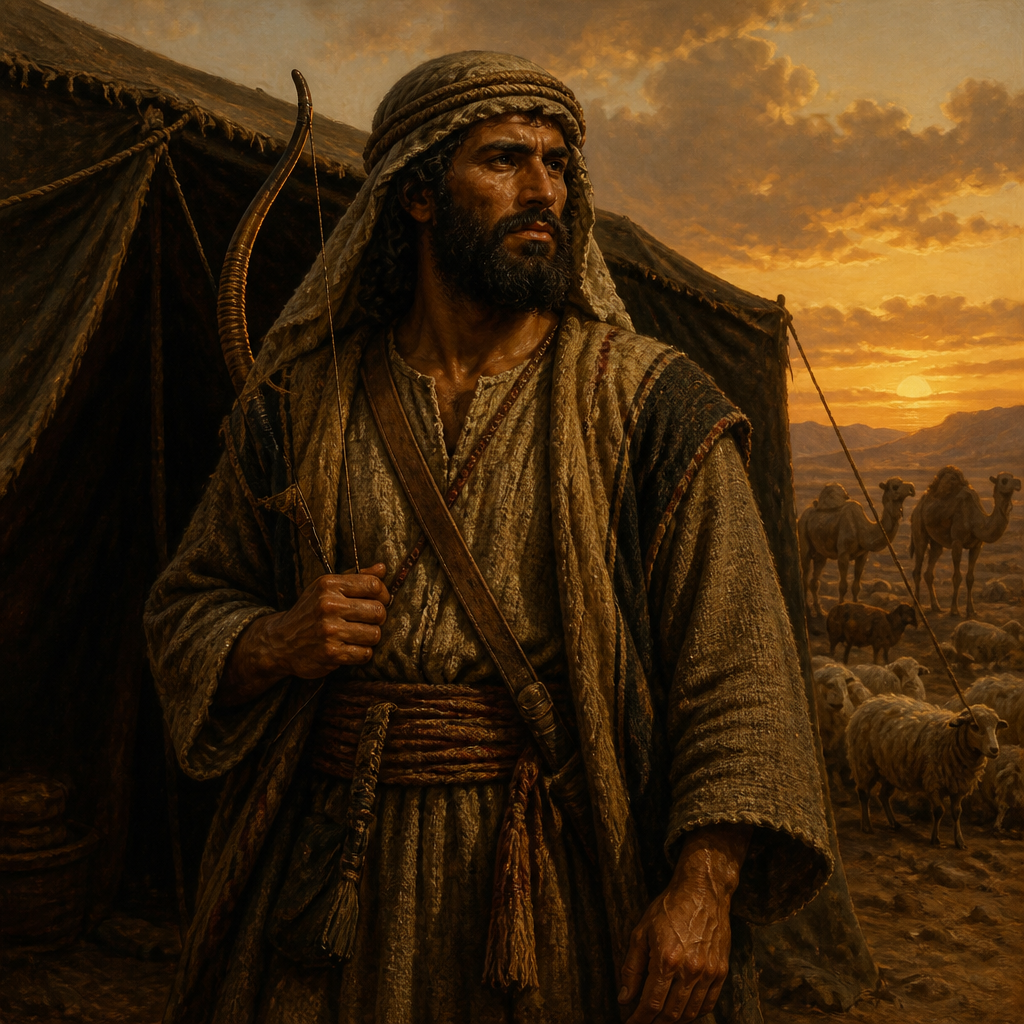
Kedar
Patriarch of a major Arabian nomadic tribe known for their black tents and skilled archers
Kedar was the second son of Ishmael and a foundational patriarch of a major nomadic tribal confederation in the Arabian desert.
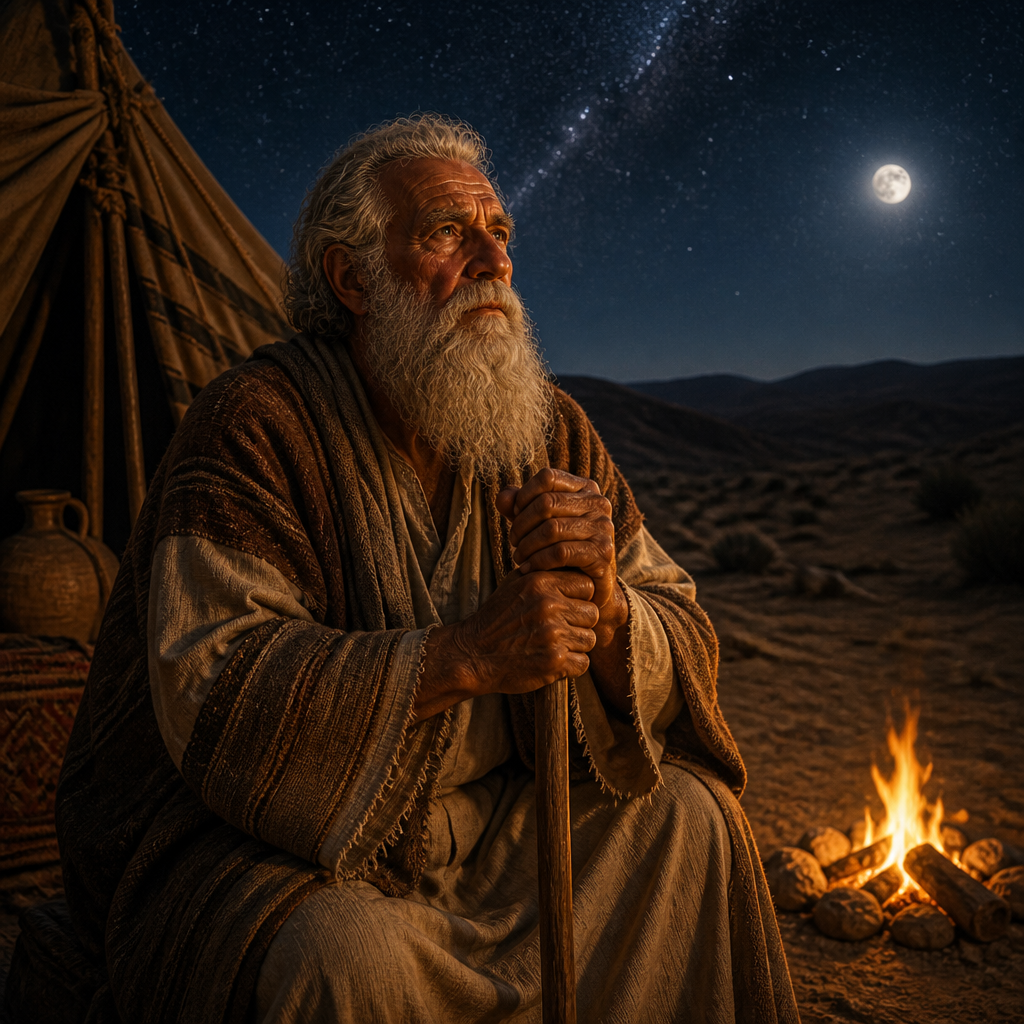
Abraham
Patriarch who is the father of the nation of Israel and an exemplar of faith
The first of the three biblical patriarchs and the father of the nation of Israel, known for his unwavering faith and his covenant relationship with God.
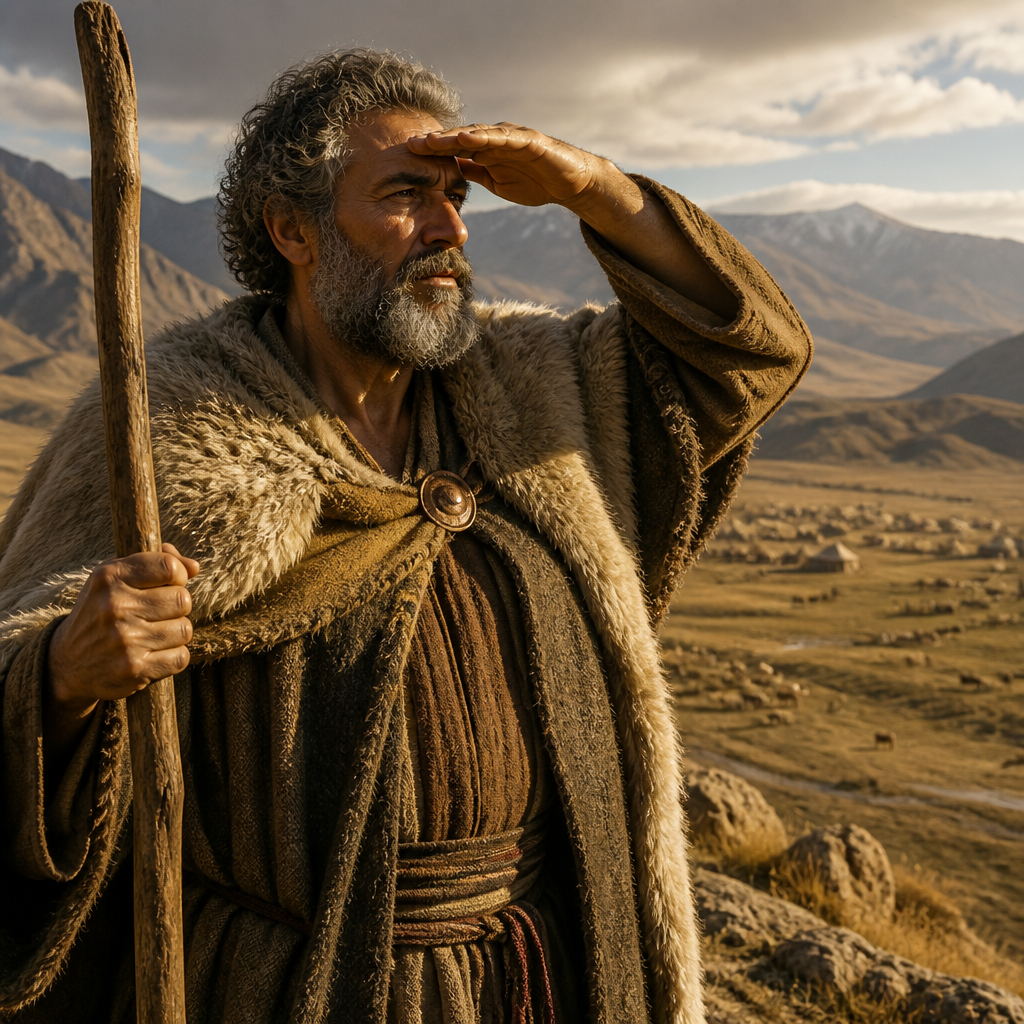
Gomer, Son of Japheth
Eldest son of Japheth and progenitor of northern nations in the Table of Nations
Gomer was the eldest son of Japheth and a grandson of Noah, recognized as the progenitor of several northern nations in the Table of Nations.
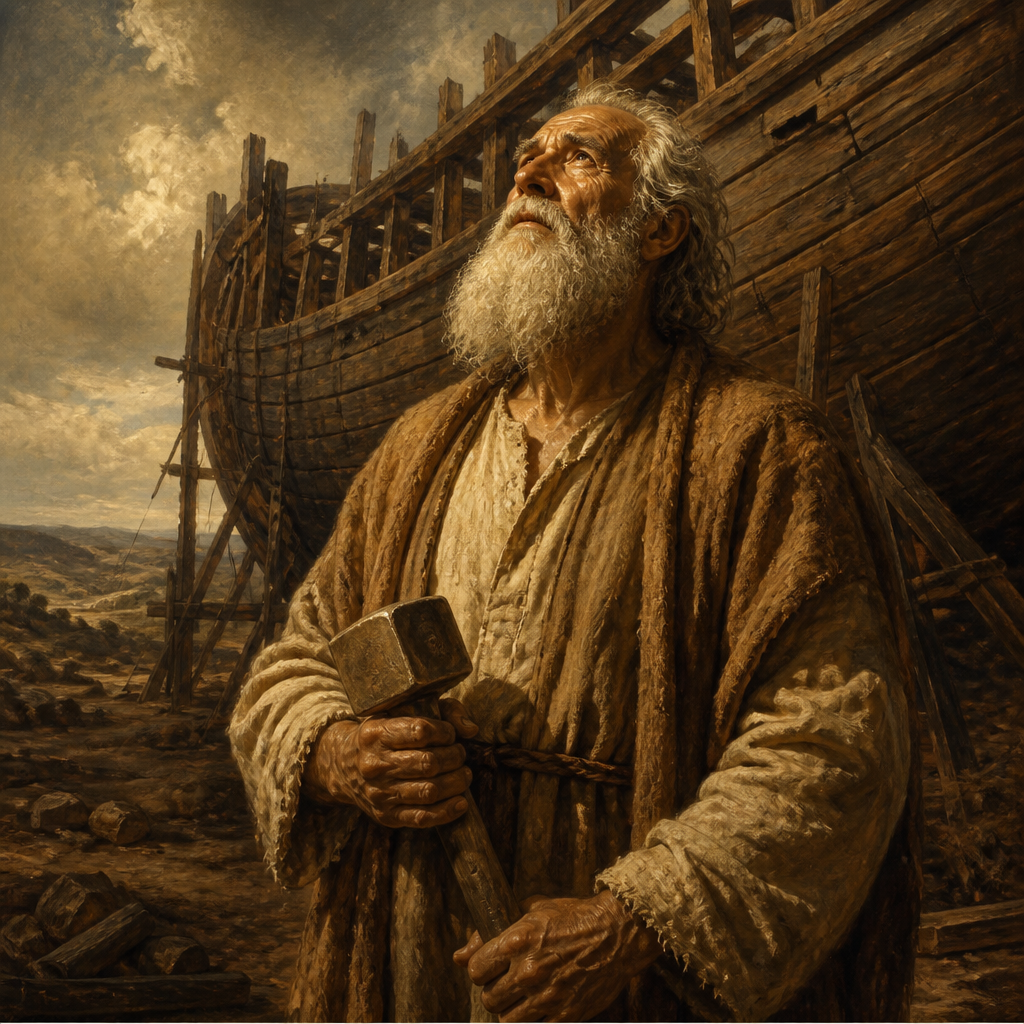
Noah
Patriarch and ark builder who survived the Great Flood and established the rainbow covenant
A righteous patriarch who built an ark to preserve humanity and animals from a divine global flood, becoming the second father of the human race.