Hanun, King of the Ammonites
The son of Nahash and King of Ammon whose mistreatment of King David's ambassadors triggered a major regional war during the United Monarchy.
Hanun was a king of the Ammonites who ascended to the throne following the death of his father, Nahash. His reign occurred during the height of the United Monarchy of Israel under King David. Hanun is primarily remembered in the biblical record for a disastrous diplomatic failure that transformed a gesture of peace from Israel into a full-scale military conflict involving multiple Levantine nations.
His story, documented in both 2 Samuel 10 and 1 Chronicles 19, serves as a narrative of how suspicion and the influence of poor advisors can lead to national ruin. By publicly shaming David’s messengers, Hanun broke the diplomatic protocols of the ancient Near East, forcing a military confrontation that eventually led to the Ammonites becoming a 'stench' to the Israelites and seeking costly foreign mercenaries to defend their kingdom.
Background and Family
Hanun was the son of Nahash, the king of the Ammonites. The Ammonites were a Semitic-speaking people occupying the territory east of the Jordan River, often in conflict with Israel during the periods of the Judges and the early Monarchy. However, the biblical text implies a period of relative peace or personal alliance between David and Nahash. When Nahash died, David sought to honor this relationship, stating, "I will show kindness to Hanun son of Nahash, just as his father showed kindness to me" (2 Samuel 10:2). This suggests that while Nahash had been an enemy of Saul, he may have provided refuge or support to David during David's years as a fugitive.
Major Life Events
The Diplomatic Insult
Upon the death of Nahash, David sent a delegation of servants to Hanun to offer condolences. This was a standard act of international courtesy. However, Hanun’s advisors—the princes of the Ammonites—became suspicious. They persuaded Hanun that David’s messengers were actually spies sent to "explore the city, spy it out, and overthrow it" (2 Samuel 10:3).
Influenced by this paranoia, Hanun committed a grave violation of diplomatic immunity. He seized David’s servants and subjected them to public humiliation: he shaved off half of their beards and cut their garments off at the hips. In ancient Near Eastern culture, the beard was a symbol of male dignity and status; to remove it forcibly was a profound personal and national insult. Furthermore, cutting their robes exposed their private parts, adding sexualized shame to the provocation.
Escalation to War
When the messengers returned to Israel, David instructed them to stay in Jericho until their beards grew back, sparing them further public shame in Jerusalem. Realizing that they had become a "stench" to David—meaning they had made themselves odious and provoked certain retaliation—Hanun did not seek to apologize. Instead, he prepared for war.
Hanun and the Ammonites invested heavily in their defense, sending one thousand talents of silver to hire chariots and horsemen from surrounding Aramean (Syrian) states, including Aram-naharaim, Aram-maacah, and Zobah (1 Chronicles 19:6). This indicates Hanun possessed significant wealth but lacked the internal military strength to face David’s professional army alone.
The Defeat of Ammon
The ensuing conflict saw the Israelite forces, led by Joab and Abishai, face a two-front battle. While Hanun's Ammonite forces remained near the gates of their city (Rabbah), the hired Arameans positioned themselves in the open field. Despite the tactical disadvantage, Joab’s forces defeated the Arameans, causing them to flee. Upon seeing their mercenaries retreat, the Ammonite forces under Hanun likewise retreated behind the safety of their city walls.
Relationship to Other Biblical Figures
Hanun’s primary relationship in the text is his antagonistic interaction with King David. While David initially reached out in "hesed" (covenant kindness or loyalty), Hanun responded with hostility. Hanun also worked closely with the princes of Ammon, whose counsel ultimately led to his downfall. In the military sphere, he is the foil to Joab, David’s commander, who executed the tactical maneuvers that broke Hanun’s coalition.
Spiritual Significance
The story of Hanun is often cited by scholars as a study in the dangers of cynical leadership and the rejection of grace. David’s initial approach to Hanun was one of unmerited kindness based on a past relationship with Hanun’s father. By listening to advisors who assumed the worst of others' intentions, Hanun turned a potential ally into a vengeful enemy. Theologically, the narrative reinforces the theme that those who oppose the Lord’s anointed king (David) bring judgment upon themselves. The humiliation of the servants is seen as a direct rejection of the king who sent them, a concept that mirrors later New Testament themes regarding the rejection of messengers sent by God.
Spiritual Significance
Hanun serves as a cautionary figure regarding the influence of advisors and the consequences of violating international and social norms. His actions directly led to the expansion of David's empire, as the defeat of Hanun's hired Aramean allies effectively broke Aramean power in the region for a generation, allowing Israel to exert dominance over the Transjordan. Theologically, Hanun represents the folly of responding to grace with suspicion and insult, leading to a self-inflicted national catastrophe.
Frequently Asked Questions
Why did Hanun shave the beards of David's men?
Shaving the beard was a sign of extreme humiliation and disgrace in ancient Near Eastern culture. By shaving off half the beard, Hanun made the men look ridiculous and stripped them of their masculine dignity, signaling his total contempt for David.
What happened to Hanun after the war?
The biblical text in 2 Samuel and 1 Chronicles focuses on the defeat of his army and his Aramean mercenaries. While the city of Rabbah was eventually besieged and taken, the specific fate of Hanun himself—whether he was killed, captured, or fled—is not explicitly detailed in the narrative.
Who was Hanun's father?
Hanun was the son of Nahash. Nahash was the king of the Ammonites who had previously had some form of kind relationship or treaty with David, possibly because they shared a common enemy in King Saul.
How much did Hanun pay for his mercenaries?
According to 1 Chronicles 19:6, Hanun paid one thousand talents of silver to hire chariots and horsemen from various Aramean regions to fight against Israel.
Connected Figures
Nahash
Father
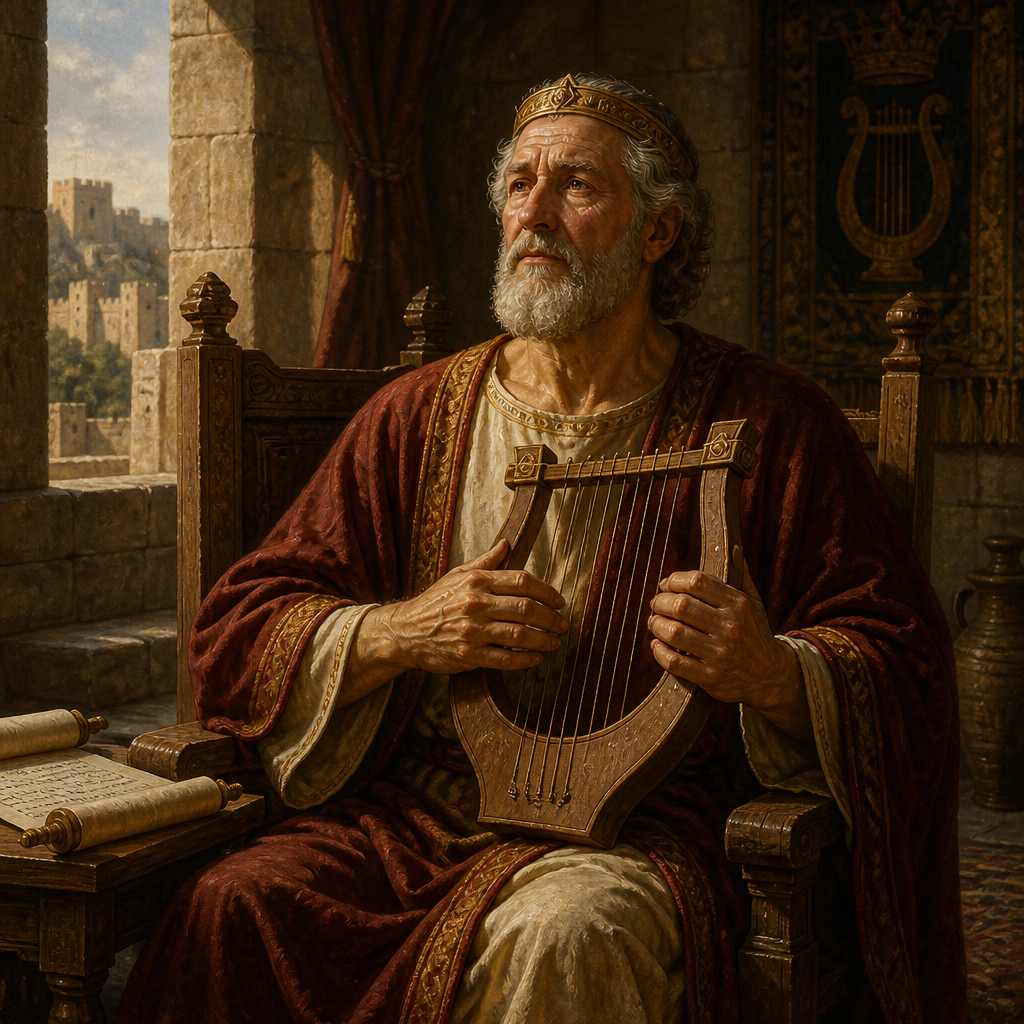
David
Political adversary and former family ally
Joab
Military opponent (David's General)
Categories
Mentions by Book
- 1 Chronicles4
- 2 Samuel4
Family & Relationships
Parent
2 Samuel 10:2
Others Named Hanun
Hanun, Repairer of the Valley GateNehemiah 3:13
A collaborator in the post-exilic reconstruction of Jerusalem who, alongside the residents of Zanoah, rebuilt the Valley Gate and a significant portion of the city wall.
Hanun, Sixth Son of ZalaphNehemiah 3:30
A participant in the reconstruction of Jerusalem's walls under Nehemiah, specifically identified as the sixth son of Zalaph.