Asahel, Brother of Joab
A renowned warrior and nephew of King David known for his incredible speed, who served as a commander in David's army before being killed by Abner.
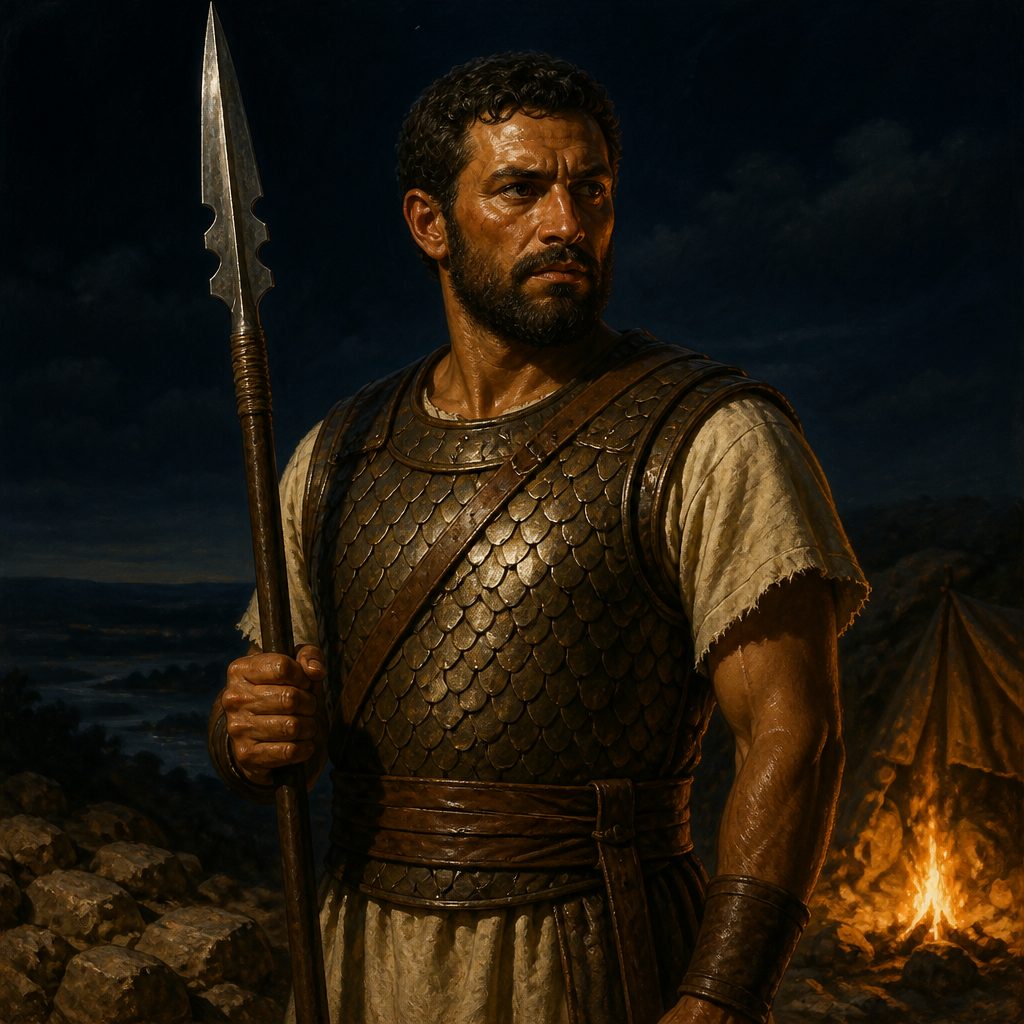
Asahel was a prominent figure during the United Monarchy of Israel, recognized primarily as one of the three sons of Zeruiah, the sister of King David. This kinship placed him at the heart of David’s military elite. Asahel was celebrated for his extraordinary physical prowess, particularly his speed, which the biblical narrative compares to that of a wild gazelle. He was a member of the prestigious group known as 'The Thirty,' an elite corps of David's mightiest warriors, and held a position of high command in the rotating monthly divisions of the national army.
His life was cut short during the civil conflict between the house of David and the house of Saul following the death of King Saul. Asahel’s death at the hands of Abner, the commander of Saul’s forces, became a pivotal moment in Israel's history, sparking a deep-seated blood feud that eventually led to the assassination of Abner by Asahel’s brother, Joab. Despite his early death, Asahel’s legacy was preserved through his son, Zebadiah, and his enduring reputation as one of the 'mighty men' who helped establish the Davidic throne.
Background and Family
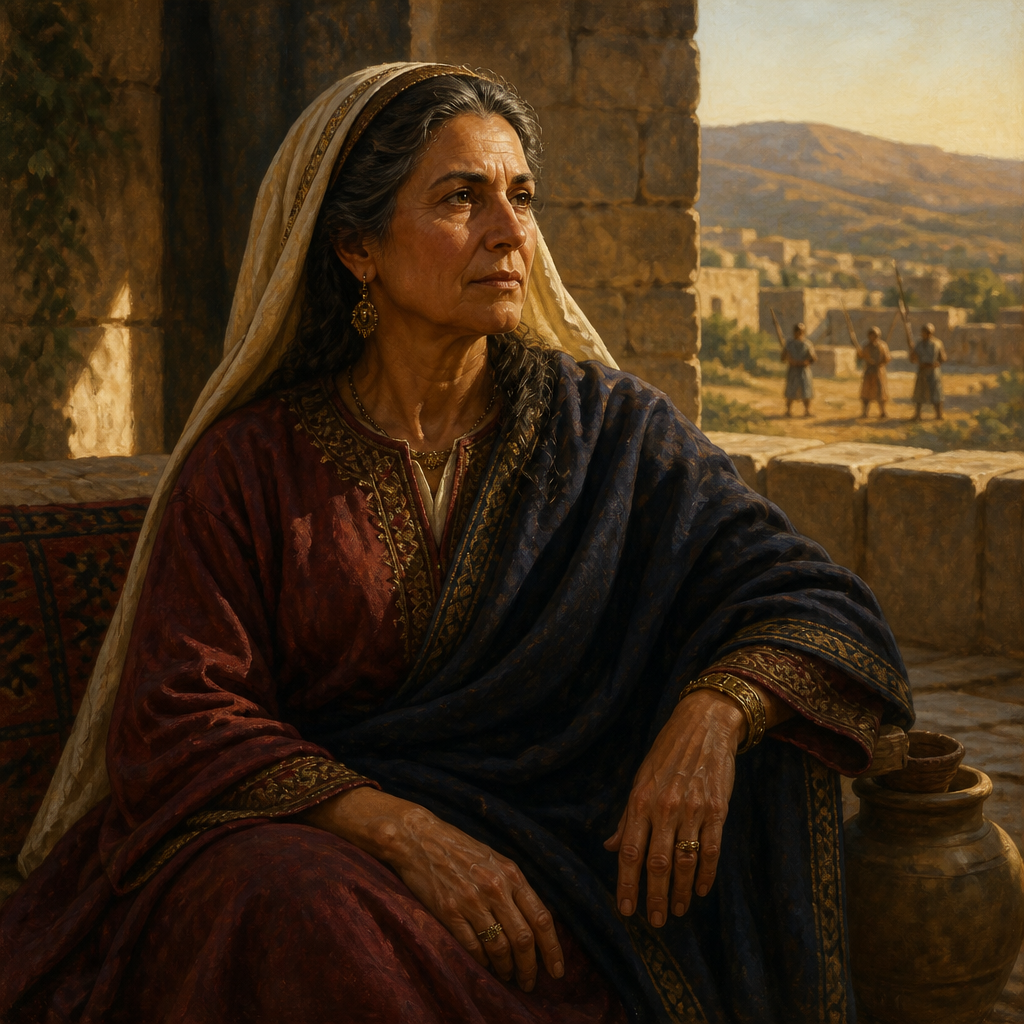
Asahel was the son of Zeruiah, who is identified in 1 Chronicles 2:16 as one of the sisters of King David. Because of this relationship, Asahel and his brothers, Joab and Abishai, were David’s nephews. The biblical record frequently identifies these three men as the "sons of Zeruiah," a matronymic designation that may suggest their mother was a particularly influential figure or that their father was less prominent, though 2 Samuel 2:32 notes that Asahel was buried in his father’s tomb in Bethlehem.
Asahel belonged to the Tribe of Judah and grew up in the town of Bethlehem. His brothers were the highest-ranking officials in David's military hierarchy; Joab served as the commander-in-chief, and Abishai was a lead commander of the elite guard. Asahel himself was counted among "The Thirty" (2 Samuel 23:24), a list of David's most valiant and loyal warriors who served him during his rise to power and throughout his reign in Hebron.
Major Life Events
The Battle at Gibeon
Asahel’s most significant appearance in the biblical narrative occurs during the transition of power after the death of King Saul. While David was reigning over Judah in Hebron, Saul’s son Ish-bosheth was established as king over the northern tribes by Abner, son of Ner. A confrontation occurred at the Pool of Gibeon between the men of David and the men of Ish-bosheth. Following a lethal contest between twenty-four young men, a full-scale battle broke out, and David’s forces emerged victorious.
During the retreat of the northern forces, Asahel singled out Abner for pursuit. The text emphasizes Asahel’s singular focus: "he chased Abner, not turning to the right or to the left in his pursuit" (2 Samuel 2:19). His legendary speed, "like a wild gazelle," allowed him to close the distance quickly.
Death at the Hand of Abner
Abner, a seasoned and elder warrior, recognized Asahel and twice warned him to cease his pursuit. Abner encouraged Asahel to turn aside and seize the equipment of a younger soldier instead, likely hoping to avoid a blood feud with Joab. Abner pointedly asked, "How could I show my face to your brother Joab?" (2 Samuel 2:22).
However, Asahel refused to relent. When he reached Abner, the elder commander used the blunt end (the butt) of his spear to strike Asahel in the stomach. The force was so great that the spear passed through his body, killing him instantly. The biblical account notes the profound impact of his death, stating that every man who reached the spot where Asahel fell stopped in their tracks (2 Samuel 2:23).
Military Command and Legacy
Although he died early in the conflict, 1 Chronicles 27:7 reveals that Asahel had been assigned as the commander of the fourth month's division of David’s army, overseeing 24,000 men. The text notes that his son, Zebadiah, succeeded him in this role. This suggests that the administrative and military structures David put in place honored Asahel’s memory and family line.
Relationship to Other Biblical Figures
Asahel’s life and death were deeply intertwined with the careers of his brothers, Joab and Abishai. The trio functioned as a powerful, though often violent, bloc of support for King David. His death became the primary motivation for Joab’s subsequent betrayal and murder of Abner. Even after Abner had made peace with David, Joab lured Abner into a private meeting in Hebron and killed him, explicitly citing the blood of his brother Asahel as the cause (2 Samuel 3:27, 30).
Spiritual Significance
In the biblical narrative, Asahel represents the intense loyalty and fierce physical capability required of those who served the Lord’s anointed king during the United Monarchy. His story serves as a cautionary tale regarding the dangers of overconfidence and the tragic cycles of vengeance that characterized the early years of David’s kingdom. While his speed was a gift, his refusal to heed the warning of a more experienced adversary led to his downfall. Nevertheless, he is consistently honored in the genealogies and rosters of Israel’s heroes as a man who gave his life for the establishment of the Davidic line.
Spiritual Significance
Asahel is significant as a member of 'The Thirty,' David’s elite group of warriors, symbolizing the strength and tribal loyalty of Judah during the unification of Israel. His death serves as the catalyst for the blood feud between the house of Zeruiah and Abner, which complicated King David's efforts to peacefully unite the twelve tribes. Theologically, his life illustrates the transition from the chaotic period of the Judges to the organized military and social structure of the United Monarchy, where even his untimely death was accounted for in the national military records.
Furthermore, Asahel’s inclusion in the genealogies of 1 Chronicles highlights the importance of the family of Zeruiah in the success of David’s reign. The mention of his son, Zebadiah, succeeding him in his military duties underscores the biblical theme of dynastic continuity and the honoring of those who fell in service to the kingdom of Israel.
Frequently Asked Questions
What was Asahel's most famous physical trait?
Asahel was famous for being 'fleet of foot like a wild gazelle,' meaning he was exceptionally fast, which he used to pursue Abner during the battle at Gibeon.
Who killed Asahel and why?
Asahel was killed by Abner, the commander of Saul's army. Abner killed him in self-defense with the butt of his spear after Asahel refused to stop chasing him during a retreat.
How were Joab and Asahel related?
Joab and Asahel were brothers; both were the sons of Zeruiah, making them nephews of King David.
Did Asahel have any children?
Yes, Asahel had a son named Zebadiah, who took over his father's military command of the fourth division of 24,000 men in King David's army.
Where is Asahel buried?
Asahel was buried in his father's tomb in the town of Bethlehem.
Connected Figures


Categories
Mentions by Book
- 2 Samuel11
- 1 Chronicles3
Family & Relationships
Child
2 Samuel 2:18
Sibling
2 Samuel 2:18
Sibling
2 Samuel 2:18
Sibling
1 Samuel 26:6
Parent
1 Samuel 26:6
Parent
1 Samuel 26:6
Sibling
1 Samuel 26:6
Others Named Asahel
Asahel, Father of JonathanEzra 10:15
A man of the Post-Exilic Period whose son, Jonathan, was one of the few individuals to oppose the mass divorce proceedings initiated under Ezra.
Asahel, Levite of the Divided Monarchy2 Chronicles 17:8
A Levite commissioned by King Jehoshaphat to travel throughout the cities of Judah teaching the Book of the Law to the people.
Asahel, Overseer under King Hezekiah2 Chronicles 31:13
An overseer appointed by King Hezekiah to manage the tithes and offerings dedicated to the Temple in Jerusalem.