Ahimelech, High Priest of Nob
The High Priest at Nob who unknowingly assisted David during his flight from King Saul, resulting in the tragic execution of his priestly household.
Ahimelech, the son of Ahitub, served as the presiding priest at Nob during the early United Monarchy under King Saul. As a descendant of Eli, he represented the established priestly line of Israel, maintaining the sacred site where the Tabernacle's elements, including the bread of the Presence, were kept. His tenure was defined by his unintentional involvement in the political conflict between the reigning King Saul and the rising David.
His role in biblical history is largely framed by a single encounter with David, who was fleeing Saul's wrath. Seeking to assist a man he believed was on a royal mission, Ahimelech provided David with holy bread and the sword of Goliath. This act of hospitality and service was interpreted as treason by the paranoid King Saul, leading to one of the most violent purges of the priesthood in the Old Testament.
Background and Family
Ahimelech was a member of the tribe of Levi and a descendant of the house of Eli, the priest who had mentored Samuel. He was the son of Ahitub and the father of Abiathar. According to the record in 1 Samuel 14:3, his family line was deeply entrenched in the religious infrastructure of Israel; his brother Ahijah is also mentioned as a priest who carried the ephod during Saul’s military campaigns. During the period of the United Monarchy, the central religious activity was centered at Nob, a city of priests, where Ahimelech presided over the sacred rituals and protected the relics of Israel’s military and spiritual history.
Major Life Events
The Meeting with David
In 1 Samuel 21, David arrived at Nob alone and exhausted. Ahimelech was initially alarmed, trembling as he asked why the king’s son-in-law was without an escort. David, seeking to protect the priest from political repercussions or perhaps to secure immediate aid, claimed he was on a secret mission for King Saul.
Ahimelech’s hospitality was restricted by the availability of resources. When David asked for food, Ahimelech noted that there was no common bread available, only the "holy bread" (the Bread of the Presence). After ensuring David’s men were ritually pure, Ahimelech provided the consecrated bread to David—a moment later cited by Jesus in the New Testament to illustrate the priority of human life over ritual law. Furthermore, when David asked for a weapon, Ahimelech provided the sword of Goliath, which had been stored at Nob wrapped in a cloth behind the ephod.
The Accusation and Trial
Unknown to Ahimelech, Doeg the Edomite, Saul’s chief herdsman, witnessed this exchange. When Saul later lamented that his servants were conspiring against him, Doeg revealed Ahimelech’s assistance to David. Saul summoned Ahimelech and his entire father’s house to Gibeah to face charges of conspiracy.
Ahimelech’s defense was grounded in his ignorance of the rift between Saul and David. He argued, "Who among all your servants is as faithful as David, the king’s son-in-law?" (1 Samuel 22:14). He insisted that his inquiry of God for David was nothing new and that he knew nothing of a plot against the crown.
The Massacre at Nob
Despite Ahimelech's plea of innocence, Saul ordered his execution. When the king’s own guards refused to strike the priests of the LORD, Saul commanded Doeg the Edomite to carry out the sentence. Doeg killed eighty-five priests that day, including Ahimelech. The massacre extended to the city of Nob itself, where Saul ordered the death of men, women, children, and livestock. Only one of Ahimelech’s sons, Abiathar, escaped the slaughter and fled to join David, bringing the high priestly ephod with him.
Relationship to Other Biblical Figures
Ahimelech’s primary relationship was with his son, Abiathar, who became the sole survivor of the house of Eli and served as a loyal priest to David throughout his reign. His relationship with David was one of mutual respect; David later expressed deep remorse for Ahimelech's death, acknowledging that his presence at Nob had inadvertently signaled the priest's doom to Doeg. Ahimelech’s relationship with Saul was characterized by the king's transition from a legitimate ruler to a paranoid tyrant who viewed the priesthood as a threat to his sovereignty.
Spiritual Significance
The story of Ahimelech serves as a profound illustration of the collateral damage caused by political and spiritual apostasy. While Ahimelech acted with priestly integrity and compassion, he became a martyr to Saul's descent into madness. Theologically, the event at Nob is significant because it marks the definitive break between Saul and the religious establishment of Israel.
Furthermore, the provision of the Showbread to David establishes a biblical precedent for mercy over sacrifice. By allowing the holy bread to sustain David’s life, Ahimelech demonstrated that the moral law of preserving life takes precedence over ceremonial regulations. This event remained so significant in Jewish tradition that it was used in the Gospels to defend the actions of Jesus’ disciples, cementing Ahimelech’s legacy as a priest who understood the heart of the Law.
Spiritual Significance
Ahimelech represents the transition of the priesthood’s loyalty from the house of Saul to the house of David. His death fulfilled the prophecy against the house of Eli, signaling the end of that specific priestly dominance, while his hospitality toward David became a landmark case for the interpretation of ritual law. In the New Testament, his actions are validated as an example of the 'Spirit of the Law' prevailing over rigid legalism.
Frequently Asked Questions
Why did Ahimelech give David the holy bread?
Ahimelech gave David the Bread of the Presence because there was no ordinary bread available and David claimed to be on an urgent mission for the king. Ahimelech prioritized the immediate need for sustenance over strict ceremonial rules, provided that David's men were ritually clean.
Who told King Saul about Ahimelech helping David?
Doeg the Edomite, the chief of Saul's herdsmen, witnessed David's visit to Nob and reported it to Saul to gain the king's favor.
What weapon did Ahimelech give to David?
Ahimelech gave David the sword of Goliath the Philistine, which had been kept at the sanctuary in Nob as a trophy of David's earlier victory.
How did Ahimelech die?
Ahimelech was executed by Doeg the Edomite on the orders of King Saul. After Saul's regular guards refused to kill the Lord's priests, Doeg carried out the massacre of Ahimelech and eighty-four other priests.
Which of Ahimelech's family members survived the massacre?
Only his son Abiathar survived the slaughter at Nob. He escaped to David's camp, bringing the high priest's ephod with him, and eventually served as a priest during David's reign.
Connected Figures
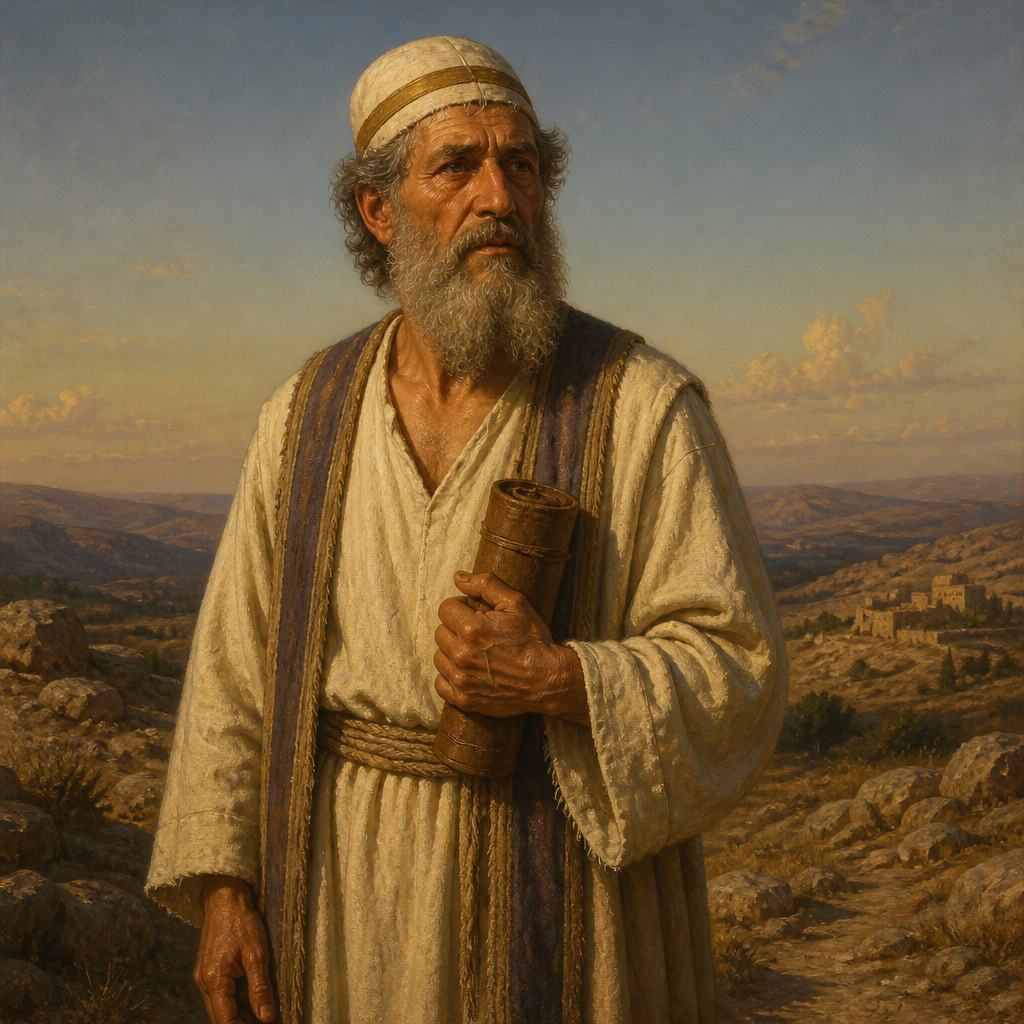
Abiathar
Son and successor in the priesthood
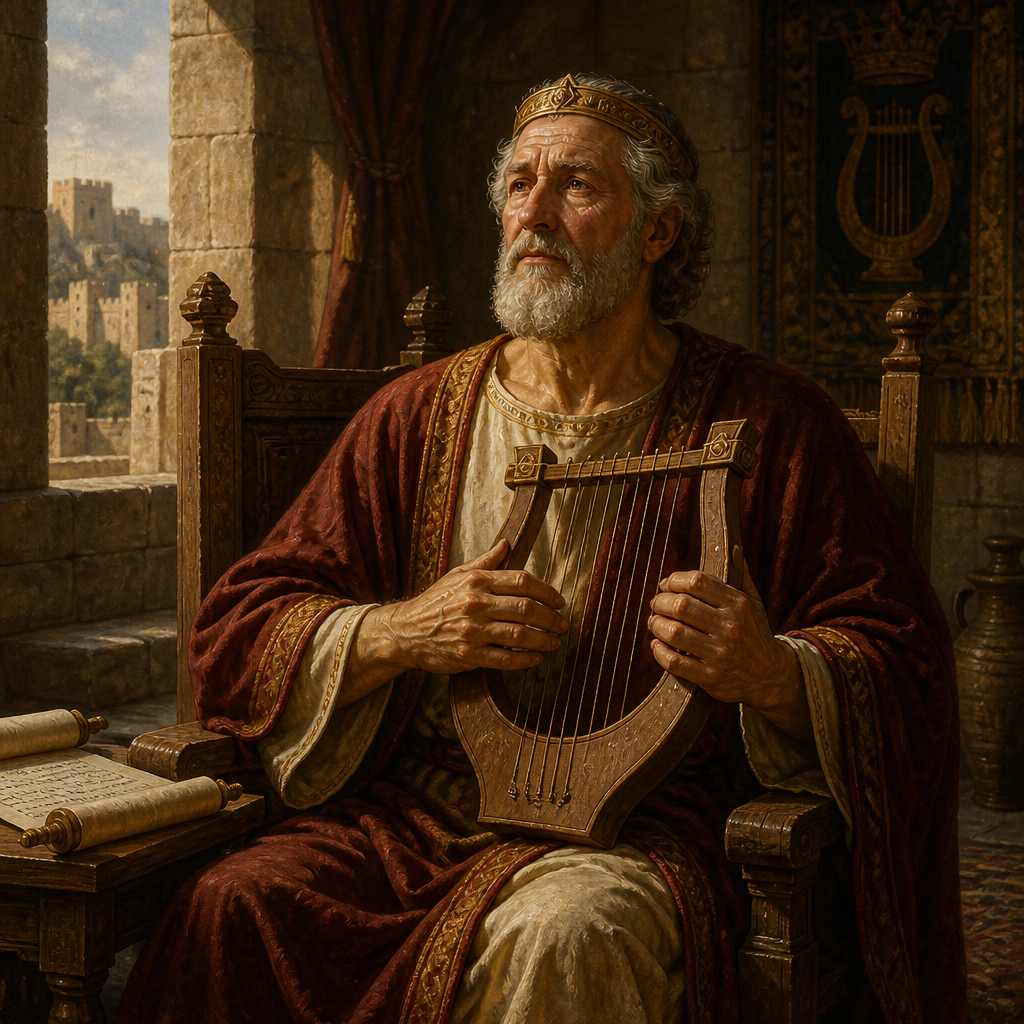
David
Friend whom he assisted with food and weapons
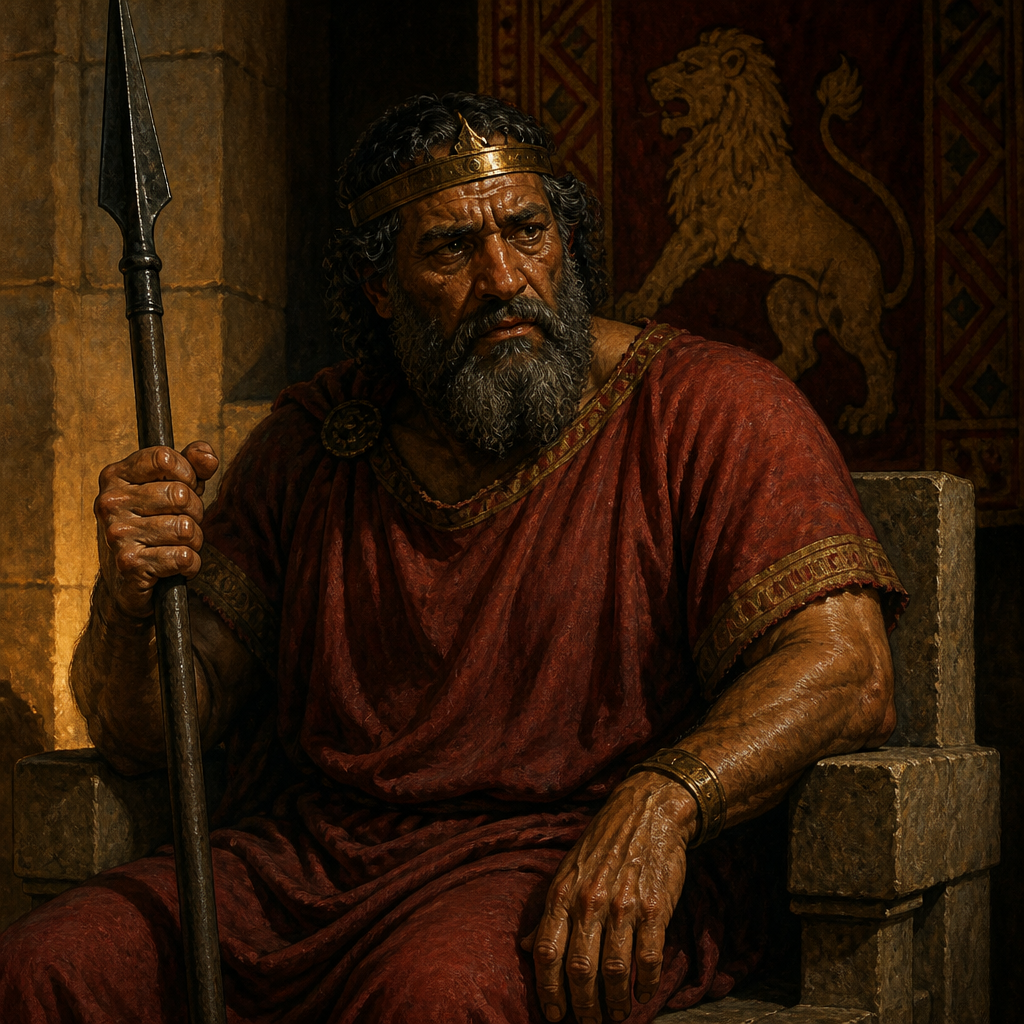
Saul
King who ordered his execution
Doeg the Edomite
Accuser and executioner
Ahitub
Father
Categories
Mentions by Book
- 1 Samuel12
- Psalms1
Family & Relationships
Child
1 Samuel 14:3
Parent
1 Samuel 14:3
Others Named Ahimelech
Ahimelech, Son of Abiathar2 Samuel 8:17
A high-ranking priest during the reign of King David and a member of the line of Ithamar who assisted in the organization of the sanctuary service.
Ahimelech the Hittite1 Samuel 26:6
Ahimelech the Hittite was a soldier and companion of David during his period of exile from King Saul, mentioned as a potential volunteer for a dangerous scouting mission.