Ahitub, Son of Phinehas
A Levite priest and grandson of Eli who served during the United Monarchy and fathered the High Priest Ahimelech.
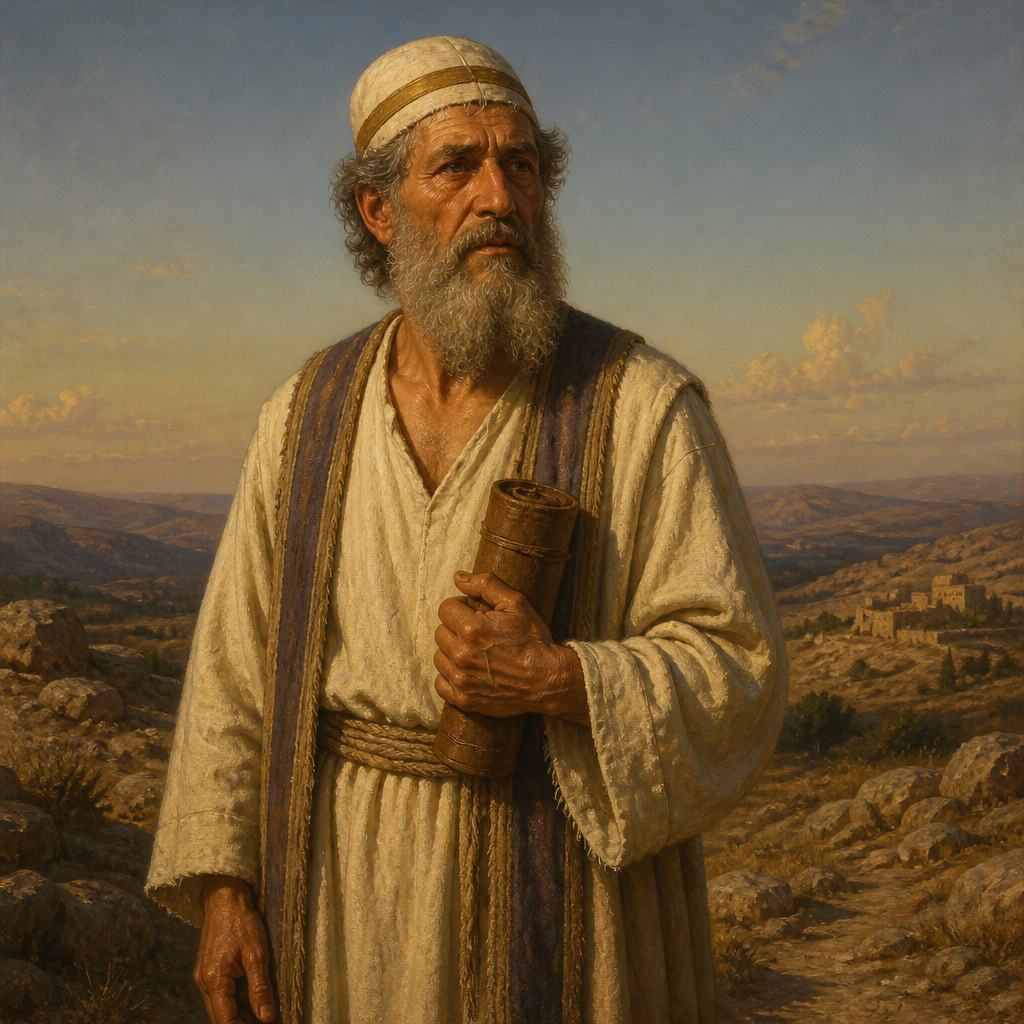
Ahitub, the son of Phinehas and grandson of the High Priest Eli, was a significant figure in the priestly lineage of Israel during the early United Monarchy. Born into the influential but troubled house of Eli, his life occurred during a period of transition as the Tabernacle moved from the central sanctuary at Shiloh toward its eventual location in Jerusalem. While the biblical text provides few details regarding his personal actions, his identity is firmly established through his genealogical role as a link between the disastrous events at Shiloh and the subsequent priestly service at Nob.
Ahitub is primarily identified as the brother of Ichabod, whose name famously commemorated the departure of God's glory from Israel following the capture of the Ark of the Covenant. As a descendant of Ithamar, Ahitub carried the weight of the priestly office during the turbulent reign of King Saul, ensuring the continuity of the Aaronic line through his son Ahimelech. His presence in the biblical record serves to validate the legitimacy of his descendants who served under Saul and David.
Background and Family
Ahitub’s lineage is one of the most clearly defined in the historical books of the Old Testament. According to 1 Samuel 14:3, he was the son of Phinehas and the grandson of Eli, the priest of the Lord in Shiloh. This lineage connects him directly to the catastrophic events described in the early chapters of 1 Samuel, where his father Phinehas and uncle Hophni were killed in battle against the Philistines.
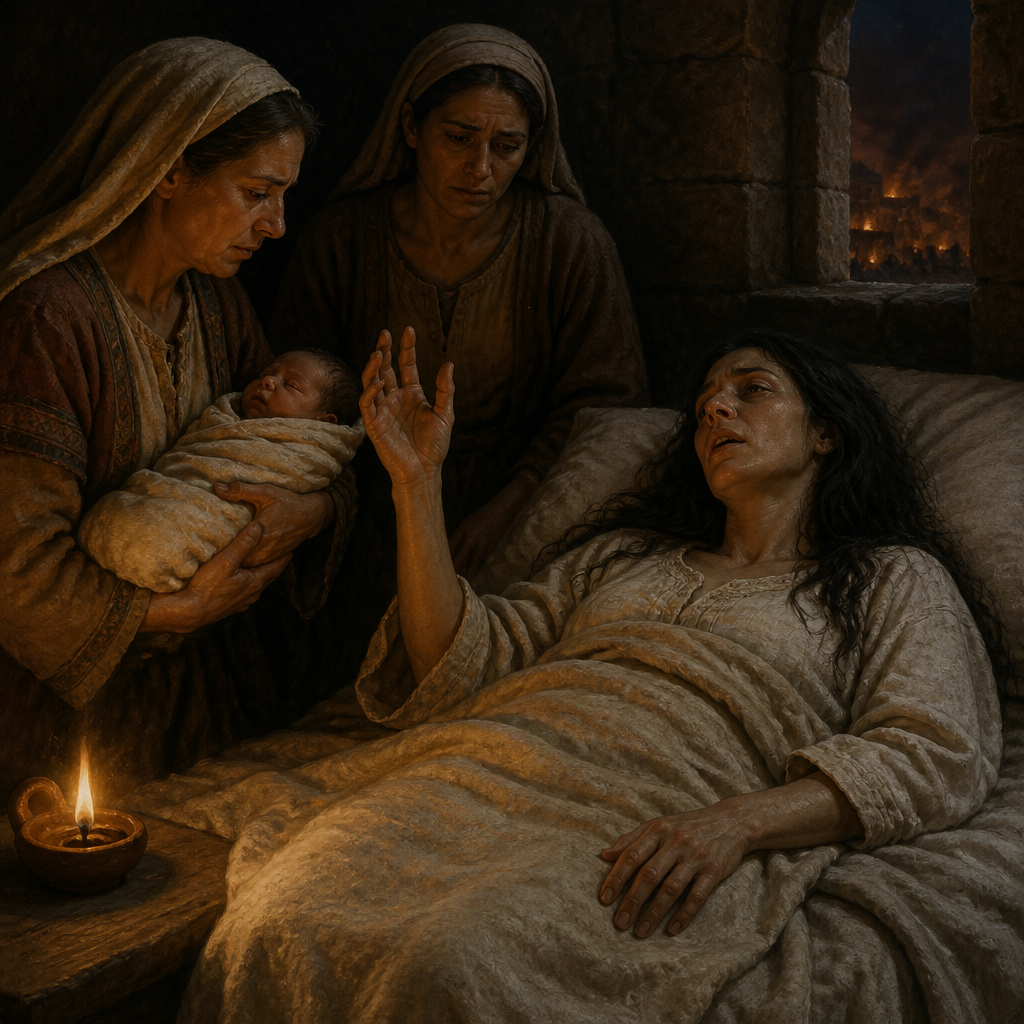
Ahitub’s birth likely coincided with this period of national mourning and spiritual crisis. He was the brother of Ichabod, whose birth occurred immediately after the news of the Ark's capture and their father’s death. While Ichabod’s name represented the loss of glory, Ahitub remained as the functional heir to the priestly duties of their house. As a member of the Tribe of Levi, he was part of the hereditary priesthood responsible for the spiritual mediation between God and the people of Israel during the United Monarchy.
Major Life Events
The biblical text does not record specific deeds performed by Ahitub; rather, he is presented as a landmark figure in the priestly genealogy. His name appears most frequently as a patronymic to identify his son, Ahimelech, and his grandson, Abiathar. In 1 Samuel 14, the text notes that Ahijah (likely another son or close relative) served as a priest wearing an ephod during the reign of Saul, and he is specifically identified as the "son of Ahitub." This indicates that the family continued to exercise high-level priestly functions even after the destruction of the Shiloh sanctuary.
During the reign of King Saul, the center of priestly activity shifted to Nob. While the scriptures do not explicitly state whether Ahitub himself served as the High Priest at Nob, his son Ahimelech is clearly identified in that role. The importance of Ahitub’s name is emphasized during the tragic events at Nob, where King Saul summoned "Ahimelech the priest, the son of Ahitub" to answer for assisting the fugitive David. In the subsequent dialogue, Saul addresses Ahimelech simply as "son of Ahitub," suggesting that the name carried significant recognition in the royal court.
Relationship to Other Biblical Figures
Ahitub serves as a crucial bridge between the era of the Judges and the establishment of the Monarchy. His primary relationship is with his son, Ahimelech, who was the High Priest at the time David fled from Saul. Through this line, Ahitub is the grandfather of Abiathar, the only priest to escape Saul’s massacre at Nob and subsequently become a close advisor to King David.
His relationship to Eli and Phinehas places him within the shadow of the prophetic judgment pronounced against their house. Because of the sins of Hophni and Phinehas, the house of Eli was destined to lose the High Priesthood. Ahitub represents the generation that lived through the partial fulfillment of this judgment, as the priesthood remained with his family temporarily before eventually passing from his grandson Abiathar to the line of Zadok during the reign of Solomon.
Spiritual Significance
Theologically, Ahitub represents the survival of the covenantal priesthood despite the failures of individual leaders. Although he belonged to a house under divine judgment, he functioned as a steward of the sacred office, ensuring that the ephod and the service of the Lord continued. His mention in the text provides the necessary legal and genealogical credentials for his descendants to serve before the Lord and the King. In the narrative of 1 Samuel, he stands as a quiet but essential link in the chain of Israel’s religious history during the transition from the judgeship of Eli to the kingship of Saul and David.
Spiritual Significance
Ahitub’s primary significance lies in his role as the genealogical link between the High Priest Eli and the priests of the United Monarchy era. He represents the continuity of the house of Ithamar during a time of national upheaval, providing the necessary lineage for his son Ahimelech and grandson Abiathar to hold the priestly office. His identification in the text ensures the reader understands the heritage of the priests who interacted with King Saul and David.
Furthermore, Ahitub’s name serves as a marker for the fulfillment of divine prophecy. By identifying the priests of Nob as the 'sons of Ahitub,' the text reminds the reader of their descent from Eli, whose house was under a curse. This sets the stage for the eventual transition of the High Priesthood to the line of Zadok, illustrating the outworking of God's word across multiple generations.
Frequently Asked Questions
Who was Ahitub’s father?
Ahitub was the son of Phinehas, who was the son of Eli the priest at Shiloh.
Was Ahitub a High Priest?
While the Bible identifies him as being in the priestly line and mentions his sons serving as priests with the ephod, it does not explicitly record his tenure as High Priest. His son Ahimelech is the first in his direct line to be explicitly called the priest at Nob.
What is Ahitub's connection to King David?
Ahitub was the father of Ahimelech, the priest who gave David the showbread and the sword of Goliath, and the grandfather of Abiathar, who became David's loyal priest.
How many verses mention this Ahitub?
Ahitub is mentioned in five verses: 1 Samuel 14:3, 1 Samuel 22:9, 11, 12, and 20.
Who was Ahitub’s brother?
Ahitub’s brother was Ichabod, who was named by their mother following the capture of the Ark by the Philistines.
Connected Figures

Categories
Mentions by Book
- 1 Samuel5
Family & Relationships
Child
1 Samuel 14:3
Sibling
1 Samuel 14:3
Parent
1 Samuel 1:3
Sibling
1 Samuel 4:21
Others Named Ahitub
Ahitub, Levite of the Divided Monarchy1 Chronicles 6:11
Ahitub was a descendant of Aaron within the high-priestly line of Eleazar, serving as a vital link in the genealogical record of Israel during the Divided Monarchy.
Ahitub, Father of Zadok2 Samuel 8:17
Ahitub was a Levite of the line of Eleazar and the father of Zadok, who served as the prominent High Priest during the reigns of King David and King Solomon.