Tubal
A son of Japheth and grandson of Noah, Tubal is a foundational figure in the Table of Nations within the Primeval History of Genesis.
Tubal is a figure appearing in the early genealogical records of the Hebrew Bible, specifically within the Primeval History that bridges the gap between the Great Flood and the rise of Abraham. As one of the seven sons of Japheth, he belongs to the third generation of post-diluvian humanity. His inclusion in these records serves to document the diversification of the human race as it spread across the earth following the instructions given to Noah and his family.
In the biblical narrative, Tubal’s existence is defined primarily by his lineage and his role as a progenitor of specific peoples. He is consistently listed alongside his brothers, indicating a shared heritage that scholars often associate with the northern and western migrations of the descendants of Noah. While the biblical text provides no recorded dialogue or specific actions for Tubal, his placement in the Table of Nations establishes him as a key biological link in the early history of mankind.
Background and Family
Tubal first appears in the Genesis 10 narrative, commonly referred to as the "Table of Nations." According to Genesis 10:2, he is the fifth son of Japheth, who was one of the three sons of Noah. His brothers include Gomer, Magog, Madai, Javan, Meshech, and Tiras. This specific placement within the genealogy identifies Tubal as part of the Japhetic line, which is traditionally associated with the peoples who migrated toward the northern and western regions of the ancient world.
The sons of Japheth: Gomer, Magog, Madai, Javan, Tubal, Meshech, and Tiras. (Genesis 10:2)
The biblical record is genealogical in nature, focusing on the preservation of lineage rather than the specific exploits of the individual. Tubal’s family structure reflects the immediate post-flood era where the primary mandate was to "be fruitful and multiply, and fill the earth."
Major Life Events
There are no specific biographical events recorded for Tubal in the scriptures. Unlike figures such as Noah or Abraham, the biblical text does not provide details regarding Tubal’s age, occupation, or location of residence. His "life events" are effectively summed up by his birth and his subsequent inclusion in the foundational genealogies of the human race. The silence of the text regarding his personal life suggests that within the context of Primeval History, his significance lies in his status as an ancestor and a representative of a growing population.
Relationship to Other Biblical Figures
Tubal’s primary relationships are defined by his immediate kin. He is a grandson of Noah, placing him in direct proximity to the central figure of the flood narrative. His relationship with his brothers, particularly Meshech and Javan, is often highlighted in the genealogical lists, as these names frequently appear together in subsequent biblical literature when referring to geographical regions or ethnic groups. The symmetry of these lists, appearing in both Genesis and 1 Chronicles, underscores the importance of these seven brothers as the pillars of the Japhetic branch of humanity.
Spiritual Significance
The presence of Tubal in the biblical record serves two primary theological functions. First, it affirms the historical continuity of the human race following the judgment of the flood. By listing the descendants of Noah’s sons, the text demonstrates God’s faithfulness to the covenantal promise to repopulate the earth. Second, Tubal represents the breadth of God’s sovereign plan for all nations. Even when individuals are not given a voice or a narrative arc, their inclusion in the sacred text signifies that their existence and the nations they would eventually form are known to and ordered by the Creator. In the context of 1 Chronicles 1, his name reappears to remind the post-exilic community of their deep roots in the dawn of human history, connecting the specific history of Israel to the universal history of all mankind.
Spiritual Significance
Tubal's significance lies in his role as a representative of the Japhetic line in the Table of Nations. His inclusion in Genesis 10 and 1 Chronicles 1 provides a framework for understanding the ethnological and geographical distribution of humanity after the Flood. Theologically, he represents the fulfillment of God's command to Noah's descendants to multiply and fill the earth, ensuring that every branch of the human family is accounted for in the divine record.
Furthermore, Tubal serves as a vital link in the biblical genealogy that traces the history of the world from Adam to the established nations of the ancient Near East. While the text offers no personal details about his character, his name stands as a witness to the biblical view that all nations share a common ancestry and are part of a singular historical narrative overseen by God.
Frequently Asked Questions
Who was Tubal's father?
Tubal was the son of Japheth and the grandson of Noah.
Where is Tubal mentioned in the Bible?
Tubal is mentioned in the genealogies of Genesis 10:2 and 1 Chronicles 1:5.
How many brothers did Tubal have?
According to the biblical record, Tubal had six brothers: Gomer, Magog, Madai, Javan, Meshech, and Tiras.
What does the name Tubal mean?
The specific meaning of the name Tubal in ancient Hebrew is debated by scholars, but it is often left untranslated as a proper noun in English versions of the Bible.
Did Tubal have any recorded children?
The biblical text in Genesis 10 and 1 Chronicles 1 does not name specific children for Tubal, though it lists children for some of his brothers like Gomer and Javan.
Connected Figures
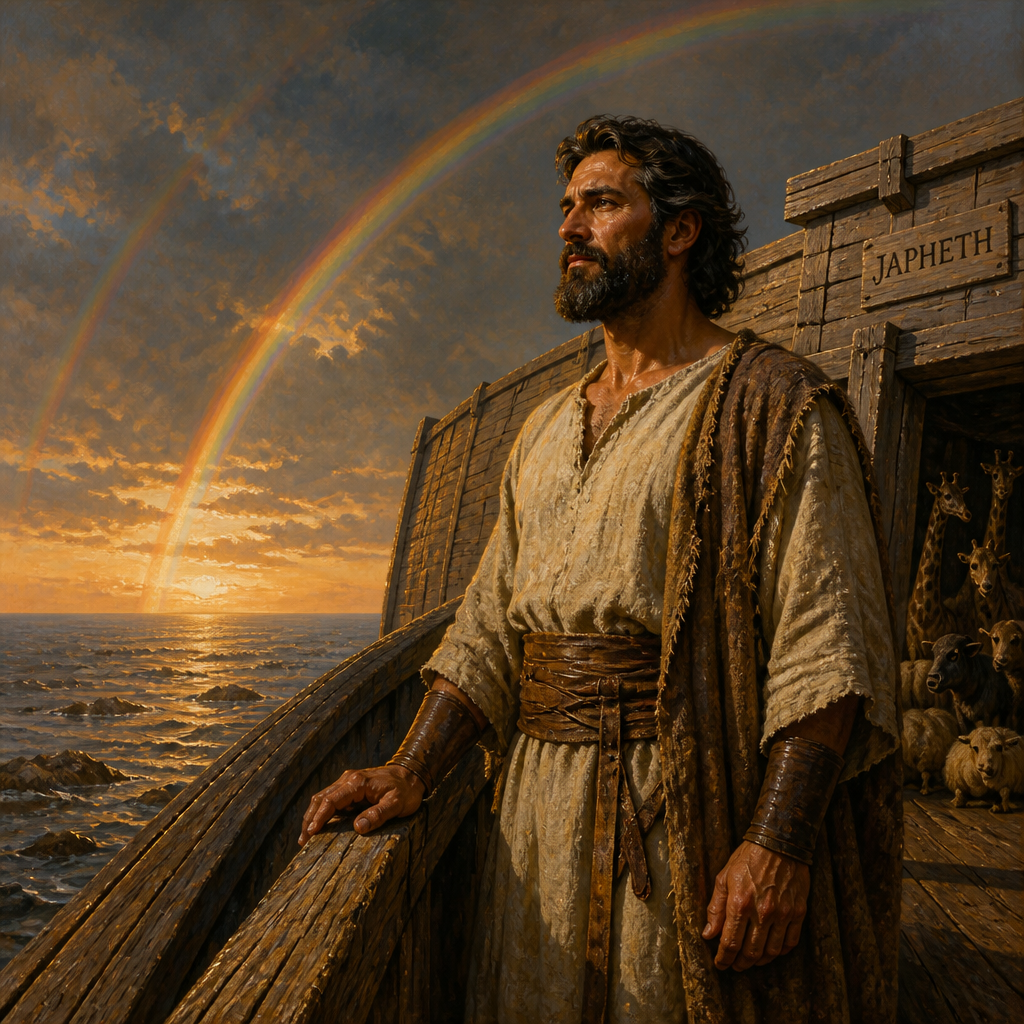
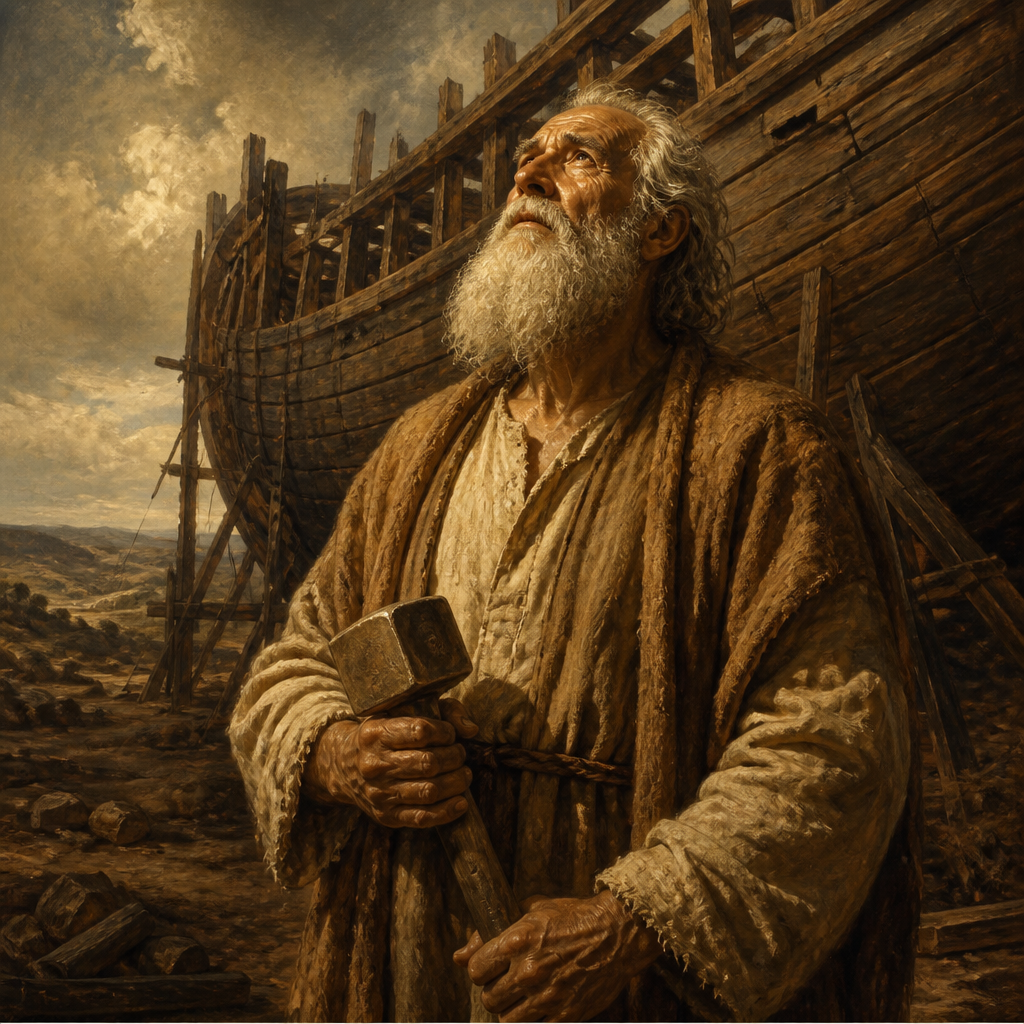

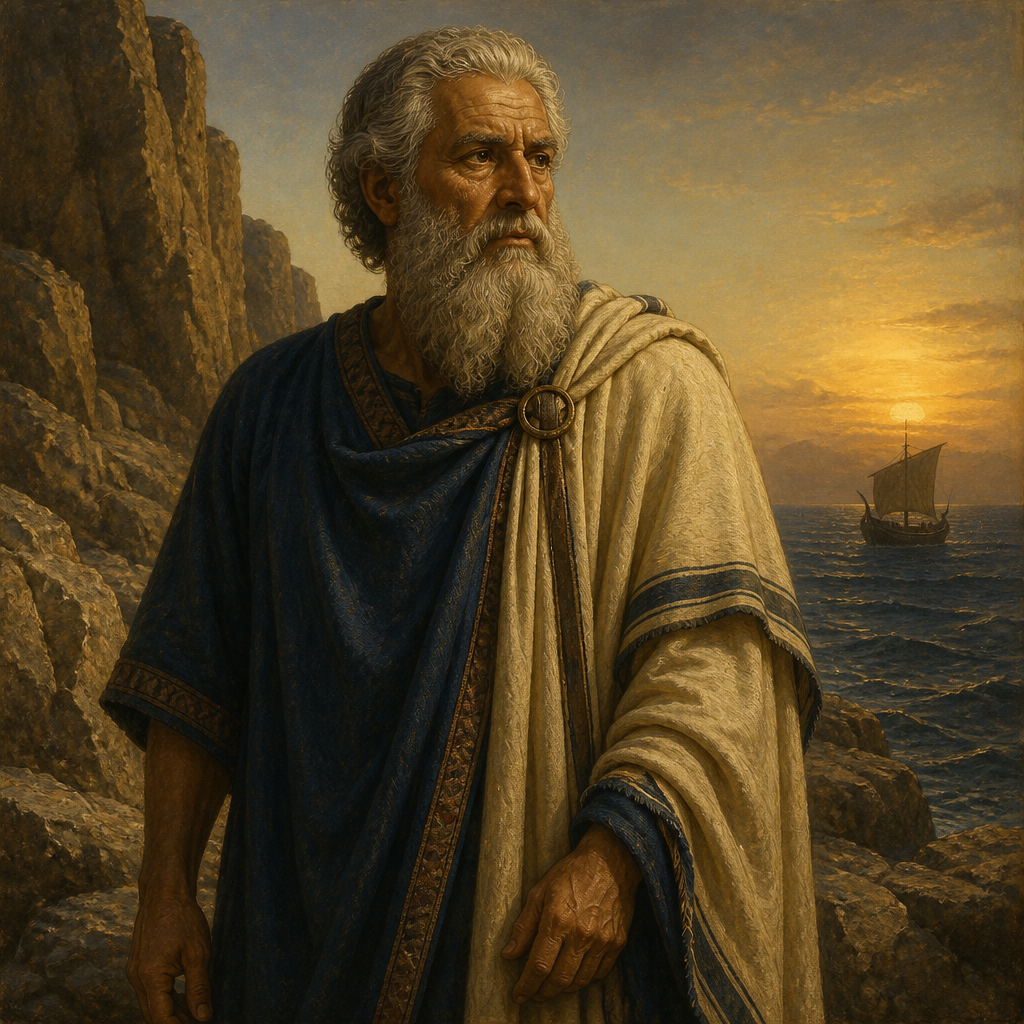
Categories
Mentions by Book
- 1 Chronicles1
- Genesis1
Family & Relationships
Sibling
Genesis 10:2
Sibling
Genesis 10:2
Sibling
Genesis 10:2
Sibling
Genesis 10:2
Sibling
Genesis 10:2
Sibling
Genesis 10:2
Sibling
Genesis 10:2
Parent
Genesis 5:32
Sibling
Genesis 10:2
Sibling
Genesis 10:2
Sibling
Genesis 10:2
Sibling
Genesis 10:2
Sibling
Genesis 10:2