Magog
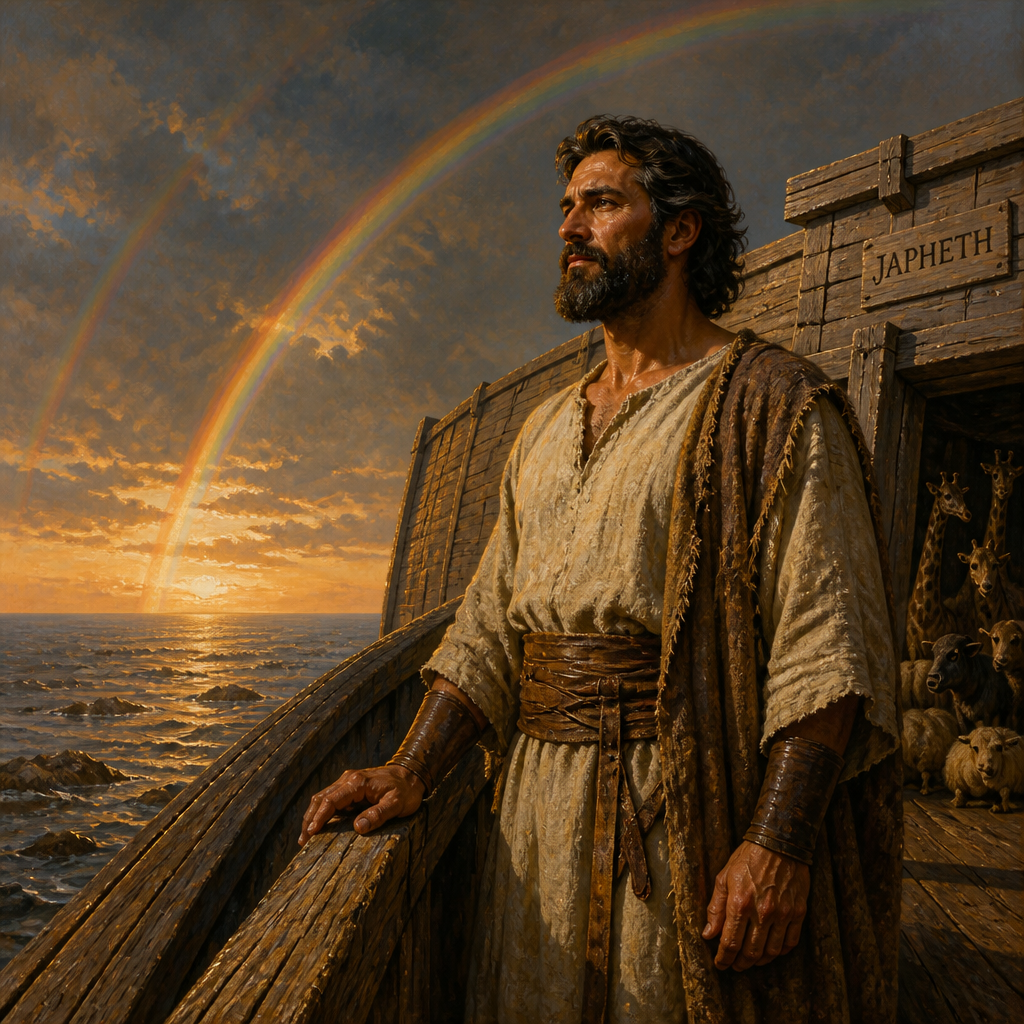
Magog was a son of Japheth and grandson of Noah, identified in the Table of Nations as a progenitor of one of the branches of the human family following the Great Flood.
Magog is a figure appearing in the early genealogical records of the Hebrew Bible, specifically within the Primeval History found in the Book of Genesis and the Book of Chronicles. As a member of the third generation of post-flood humanity, Magog is listed among the seven sons of Japheth, who was one of the three sons of Noah. His placement in the biblical narrative serves to categorize the expansion of the human race across the known world in the post-diluvian era.
While his name appears in later prophetic literature in different contexts, the historical individual Magog is strictly defined by his lineage. He is a primary figure in the 'Table of Nations,' a document intended to map the ethnic and geographic distribution of humanity. His role is that of a foundational patriarch whose descendants are understood to have populated regions distinct from those settled by the descendants of Shem or Ham.
Background and Family
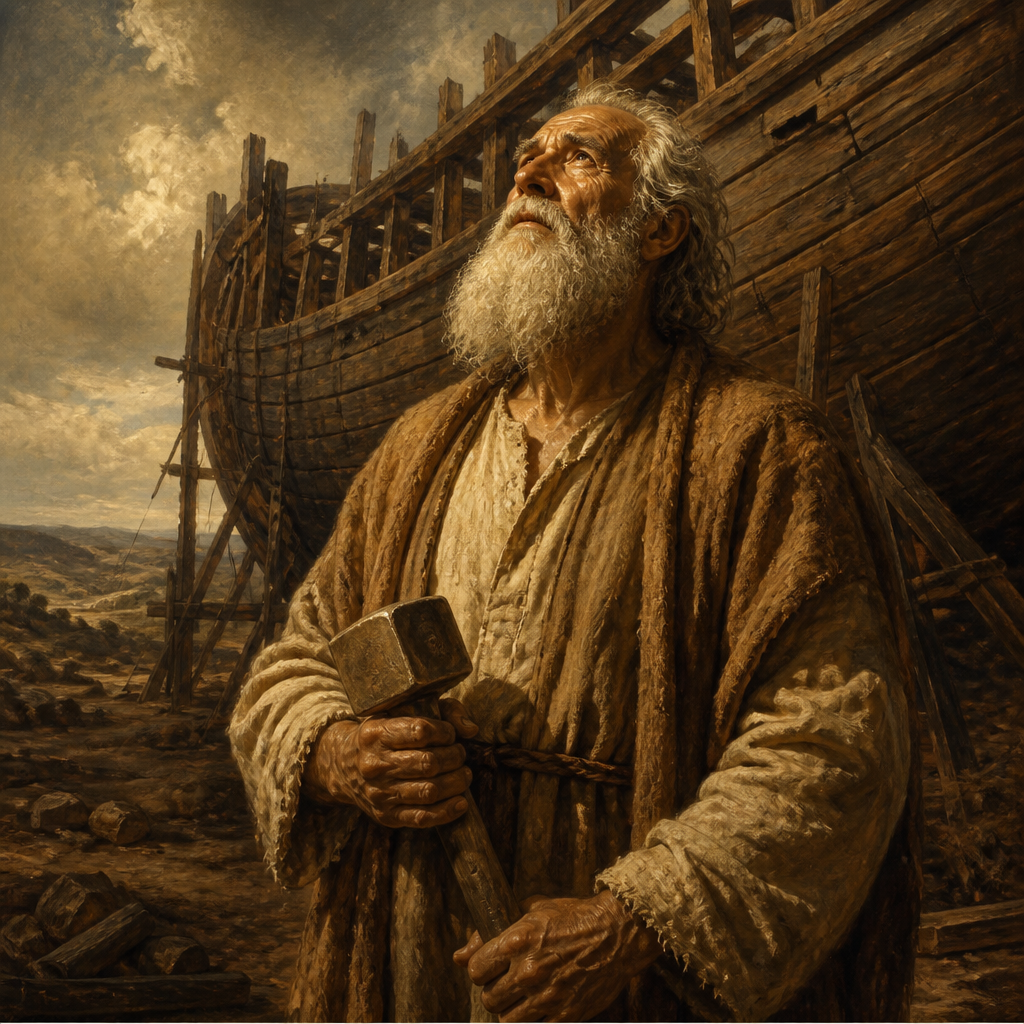
Magog appears within the biblical record during the transition from the immediate aftermath of the Great Flood to the established settlement of the earth. According to the genealogical accounts in Genesis 10 and 1 Chronicles 1, he is the son of Japheth. This lineage places him as a grandson of Noah, making him part of the immediate family responsible for the repopulation of the world.
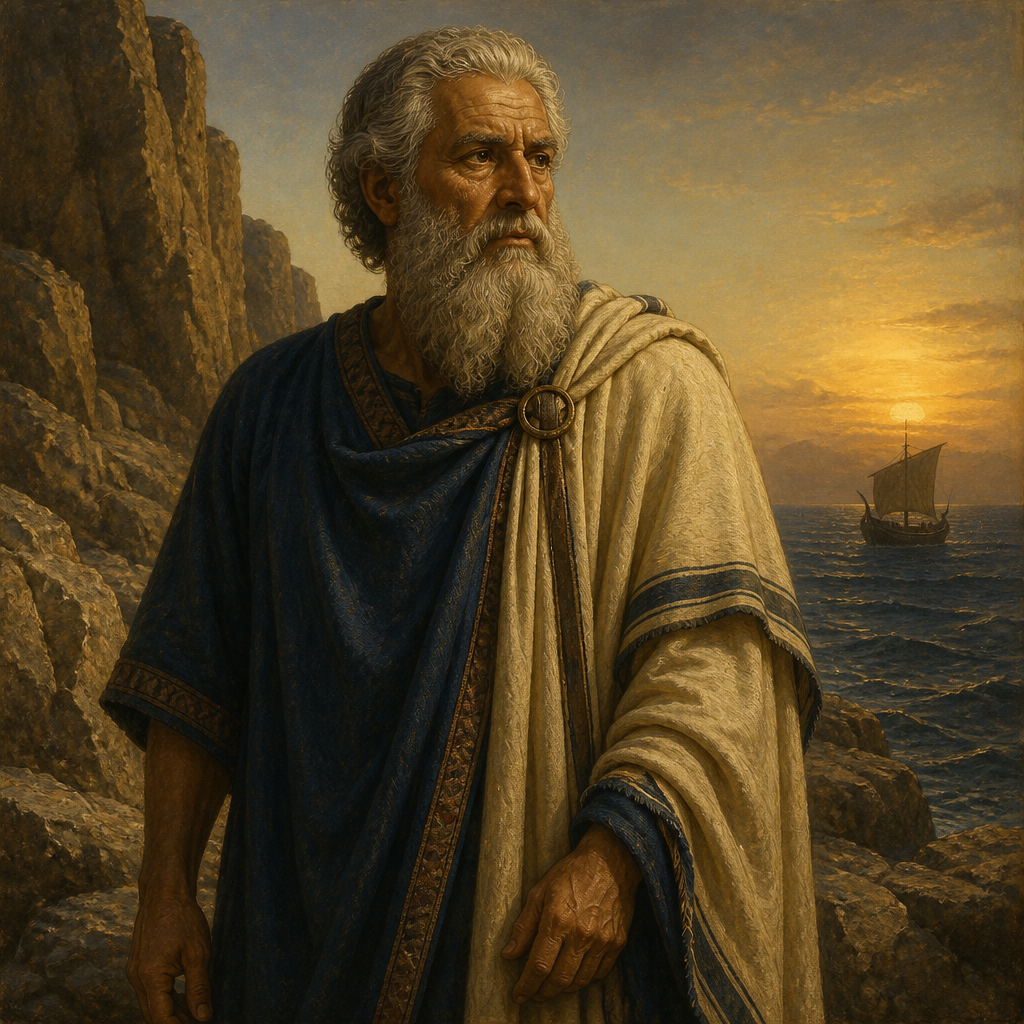
He is mentioned alongside his six brothers: Gomer, Madai, Javan, Tubal, Meshech, and Tiras. These seven sons of Japheth are traditionally associated by scholars and ancient historians with the peoples and territories located to the north and west of the ancient Near East, often categorized as the Indo-European or Aegean populations. The biblical record does not provide specific details regarding Magog's birth order relative to all his brothers, though he is consistently listed second after Gomer.
Major Life Events
There are no narrative accounts of Magog's life, deeds, or personal character within the Primeval History. Unlike figures such as Noah or Abraham, Magog's presence in the text is purely genealogical. His 'event' in the biblical sense is his birth and his contribution to the lineage of the Japhetic line.
His mention occurs in the context of the Table of Nations (Genesis 10), which describes the division of the earth into various language groups, clans, and nations after the Tower of Babel incident. Magog represents a distinct branch of this expansion. The absence of narrative details is typical for the majority of the figures listed in these early genealogies, where the emphasis remains on the continuity of the human race and the fulfillment of the command to 'be fruitful and multiply.'
Relationship to Other Biblical Figures
Magog's primary relationships are defined by his immediate family unit. He is the son of Japheth and the nephew of Shem and Ham. As a brother to Gomer and Javan, he is part of a sibling group that serves as the collective ancestors of the 'Coastland Peoples' or those who moved into the northern mountainous regions.
In the structure of the Table of Nations, Magog is presented as an equal to his brothers, each representing a foundational head of a family line. The text does not record any specific children for Magog, in contrast to his brothers Gomer and Javan, whose sons are explicitly named in the subsequent verses (Genesis 10:3–4).
Spiritual Significance
Within the context of Primeval History, Magog’s significance is rooted in the biblical affirmation of the unity of the human race. By tracing Magog back to Japheth and Noah, the biblical author emphasizes that even distant or northern peoples share a common ancestry with the people of Israel.
Magog serves as a link in the chain of divine providence, illustrating the fulfillment of God’s covenant with Noah to repopulate the earth. In a theological sense, Magog represents the sovereign distribution of humanity across the globe. While he remains a silent figure in the text, his inclusion ensures that his branch of the human family is accounted for in the sacred history of the world's origins.
Spiritual Significance
Magog's theological importance lies in his role within the Table of Nations, which underscores the biblical worldview that all peoples, regardless of their eventual geographic distance or cultural differences, originate from a single family spared by God. As a son of Japheth, he is part of the divine mandate to fill the earth, serving as a placeholder for the nations that would eventually inhabit the northern and distant regions beyond the immediate Levant.
Furthermore, his inclusion in both Genesis and 1 Chronicles demonstrates the importance of genealogical continuity to the biblical authors. He represents the preservation of the human line through the post-flood period, ensuring that the history of every major ethnic grouping is rooted in the same primeval narrative of judgment and grace.
Frequently Asked Questions
Who was Magog's father?
Magog was the son of Japheth, who was one of the three sons of Noah.
Does the Bible record any children for Magog?
No, the genealogical records in Genesis 10 and 1 Chronicles 1 do not list any specific children for Magog, unlike his brothers Gomer and Javan.
Which brothers did Magog have?
Magog had six brothers: Gomer, Madai, Javan, Tubal, Meshech, and Tiras.
Where did Magog live?
The Bible does not state a specific location for Magog himself, but the descendants of his father Japheth are generally associated with the coastlands and northern territories.
How many times is this Magog mentioned in the Bible?
This specific historical figure is mentioned twice: once in the Table of Nations in Genesis and once in the genealogies of 1 Chronicles.
Connected Figures
Categories
Mentions by Book
- 1 Chronicles1
- Genesis1
Family & Relationships
Sibling
Genesis 10:2
Sibling
Genesis 10:2
Sibling
Genesis 10:2
Sibling
Genesis 10:2
Sibling
Genesis 10:2
Sibling
Genesis 10:2
Sibling
Genesis 10:2
Parent
Genesis 5:32
Sibling
Genesis 10:2
Sibling
Genesis 10:2
Sibling
Genesis 10:2
Sibling
Genesis 10:2
Sibling
Genesis 10:2