Simeon, Son of Jacob
Simeon was the second son of Jacob and Leah, a founding patriarch of Israel known for his volatile temperament and the eventual dispersal of his tribe within Judah.
Simeon was the second-born son of the patriarch Jacob and his first wife, Leah. His name, derived from the Hebrew root meaning 'to hear,' was given by Leah to commemorate that God had heard her plight of being unloved by her husband. As one of the twelve sons of Jacob, Simeon is a primary ancestor of the nation of Israel and the progenitor of the Tribe of Simeon. His life is characterized in the biblical narrative by moments of intense zeal and severe violence, which significantly impacted his father's final blessing and the geographical legacy of his descendants.
Simeon’s role in the patriarchal narrative is often linked with his younger brother Levi. Together, they represent a fierce, sometimes reckless defense of family honor, most notably in the aftermath of the defilement of their sister Dinah. While Simeon participated in the collective actions of the brothers—including the initial conspiracy against their brother Joseph—he also occupied a unique position as a hostage in Egypt during the family’s later trials, serving as a catalyst for Jacob's emotional reckoning.
Background and Family
Simeon was born in Paddan-aram during Jacob's years of service to Laban. According to Genesis 29:33, his birth followed that of Reuben. Leah, his mother, saw his birth as divine recognition of her domestic struggles: "Because the LORD has heard that I am unloved, He has given me this son as well." Simeon grew up in a large, complex household alongside eleven brothers and at least one sister, Dinah.
As a father, Simeon sired six sons: Jemuel, Jamin, Ohad, Jachin, Zohar (also called Zerah), and Shaul. Notably, the biblical text mentions that Shaul was the son of a Canaanite woman (Genesis 46:10), a detail that distinguishes Simeon’s lineage and suggests early intermingling with the local populations of Canaan.
Major Life Events
The Massacre at Shechem
The most defining and controversial event in Simeon’s life occurred at Shechem. After Shechem the Hivite defiled their sister Dinah, Simeon and Levi orchestrated a deceptive and bloody retaliation. They convinced the men of Shechem to undergo circumcision as a condition for intermarriage. While the men were recovering and incapacitated, Simeon and Levi "took their swords, went into the unsuspecting city, and slaughtered every male" (Genesis 34:25). They then plundered the city. Their father, Jacob, was horrified by this act, fearing it would make his family a "stench" to the surrounding nations and invite total destruction.
The Conspiracy Against Joseph
Simeon was among the brothers who conspired to kill Joseph due to jealousy. While the text does not isolate his specific words during the plot, as the second oldest, he held significant responsibility for the group's actions. Years later, when the brothers traveled to Egypt to buy grain during a famine, Joseph—now a high-ranking Egyptian official whom they did not recognize—accused them of being spies.
Captivity in Egypt
To ensure the brothers would return with their youngest sibling, Benjamin, Joseph selected Simeon to be bound and held in prison (Genesis 42:24). He remained a captive in Egypt until his brothers returned with Benjamin. This period of incarceration served as a harrowing trial for the family; Jacob lamented that "Simeon is no more" (Genesis 42:36), fearing he had lost yet another son to the hazards of their journey.
Relationship to Other Biblical Figures
Simeon’s primary relationship was with his brother Levi. The two are frequently paired in the biblical text, described by Jacob as "brothers" in a way that implies a shared disposition of violence (Genesis 49:5). They acted in concert at Shechem and were later grouped together in various tribal listings.
Simeon also shared a tense relationship with his father, Jacob. The massacre at Shechem created a rift of trust that was never fully healed, culminating in Jacob’s deathbed pronouncement. In contrast, his relationship with Joseph was one of reconciliation; after the reveal of Joseph’s identity, Simeon was restored to his brothers and eventually settled his family in the land of Goshen in Egypt.
Spiritual Significance
In the final blessing of Jacob (Genesis 49), Simeon’s spiritual legacy is framed as a warning against uncontrolled anger. Jacob does not give Simeon a blessing of prosperity or leadership, but rather a rebuke: "Cursed be their anger, for it is fierce, and their fury, for it is cruel! I will disperse them in Jacob and scatter them in Israel" (Genesis 49:7).
This prophecy was fulfilled in the subsequent history of the Tribe of Simeon. Unlike other tribes that received large, contiguous territories, the Simeonites were granted an inheritance within the territory of Judah (Joshua 19:1-9). Over time, the tribe was largely absorbed into Judah, fulfilling the "scattering" Jacob foretold. Despite this, the tribe remained a distinct entity through the period of the monarchy and is mentioned in the prophetic visions of Ezekiel and the sealing of the 144,000 in the Book of Revelation (Revelation 7:7), signifying that Simeon remains an integral, though humbled, part of the covenant people of God.
Spiritual Significance
Simeon serves as a biblical archetype for the consequences of zeal divorced from wisdom and restraint. His actions at Shechem demonstrate a fierce loyalty to family honor, yet his methods brought reproach upon the house of Israel and resulted in a diminished tribal legacy. His inclusion in the twelve tribes despite his failings underscores the theme of divine grace and the sovereign election of Israel's patriarchs.
Theological reflection on Simeon often centers on the transformation of the 'scattered' curse into a settled reality. While his tribe lost its independent standing, it found security within the borders of Judah, the tribe of the messianic line. Simeon’s story highlights the tension between human temperament and divine will, showing how even the most volatile individuals contribute to the unfolding history of redemption.
Frequently Asked Questions
Why did Simeon and Levi kill the men of Shechem?
They sought revenge for the rape of their sister Dinah by Shechem, the son of Hamor. They used the requirement of circumcision as a ruse to incapacitate the men before attacking.
Why did Joseph choose Simeon to stay in prison?
While the Bible does not explicitly state the reason, scholars often suggest that as the second oldest, Simeon was the next in line of responsibility after Reuben (who had tried to save Joseph). Choosing Simeon put significant pressure on the remaining brothers to return.
What happened to the Tribe of Simeon?
The tribe received land that was located inside the territory of Judah. Because their inheritance was within Judah's portion, they eventually became largely assimilated into the southern kingdom of Judah.
What was Jacob’s 'blessing' for Simeon?
Jacob’s final words to Simeon were more of a rebuke than a blessing. He condemned Simeon’s violence and anger, prophesying that his descendants would be scattered throughout the other tribes of Israel.
Connected Figures
Jacob
Father
Leah
Mother
Levi, Son of Jacob
Brother and accomplice
Joseph, Son of Jacob
Brother and captor
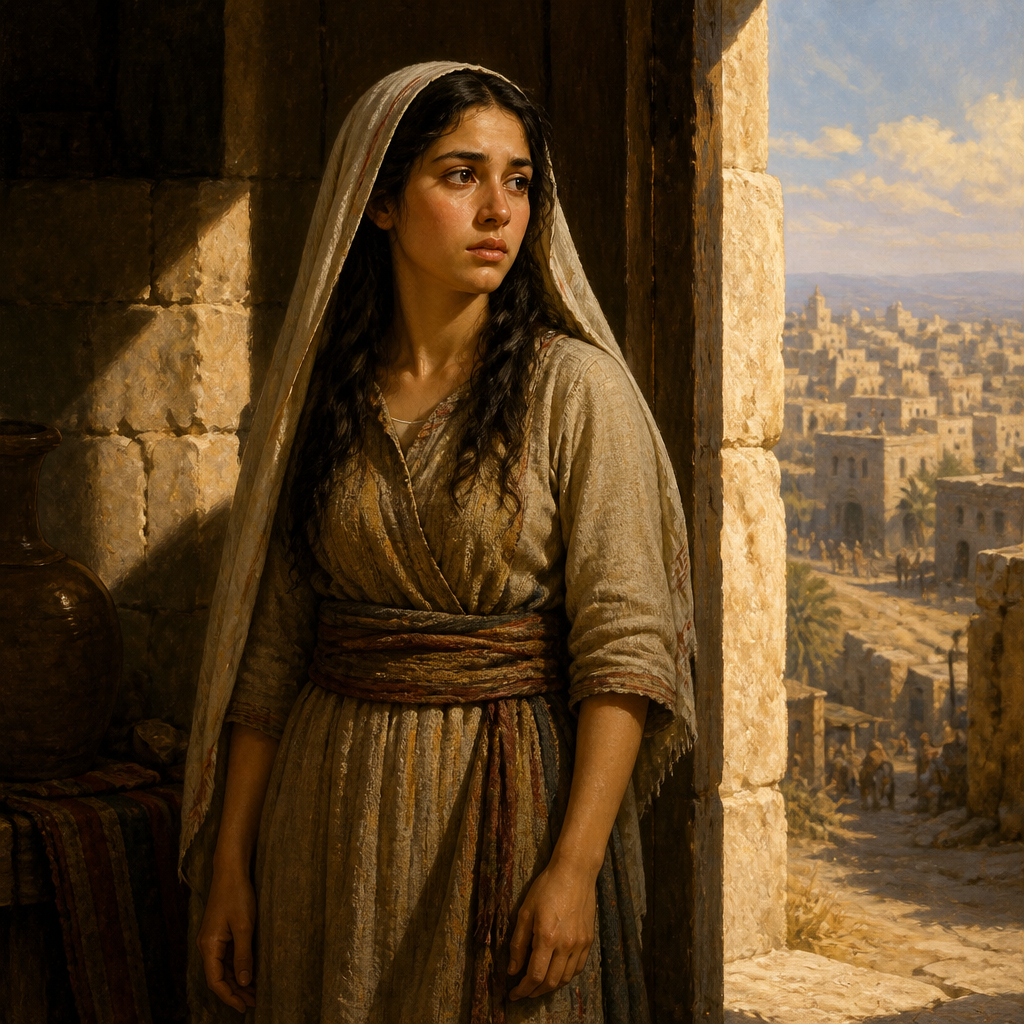
Dinah
Sister
Categories
Mentions by Book
- Genesis9
- Exodus1
Family & Relationships
Child
Genesis 29:33
Child
Genesis 29:33
Child
Genesis 29:33
Child
Genesis 29:33
Child
Shaul, Son of the Canaanite Woman
Genesis 29:33
Child
Genesis 29:33
Sibling
Genesis 29:33
Sibling
Genesis 29:33
Sibling
Genesis 29:33
Sibling
Genesis 29:33
Sibling
Genesis 29:33
Sibling
Genesis 29:33
Sibling
Genesis 29:33
Sibling
Genesis 29:33
Sibling
Genesis 29:33
Sibling
Genesis 29:33
Sibling
Genesis 29:33
Sibling
Genesis 29:33
Spouse / partner
The Canaanite Woman (Wife of Simeon)
Genesis 29:33
Spouse / partner
Genesis 29:33
Sibling
Genesis 30:13
Sibling
Genesis 35:18
Spouse / partner
The Canaanite Woman (Wife of Simeon)
Genesis 46:10
Sibling
Genesis 30:6
Sibling
Genesis 30:21
Sibling
Genesis 30:11
Parent
Genesis 25:26
Sibling
Genesis 30:18
Sibling
Genesis 30:24
Sibling
Genesis 29:35
Parent
Genesis 29:16
Sibling
Genesis 29:34
Sibling
Genesis 30:8
Sibling
Genesis 29:32
Sibling
Genesis 30:20
Spouse / partner
Genesis 46:10
Others Named Simeon
Simeon, Prophet of AntiochActs 13:1
A prominent prophet and teacher in the first-century church at Antioch, also known by the Latin surname Niger.
Simeon, Son of Judah in the Genealogy of JesusLuke 3:30
A descendant of David through Nathan, listed in the Lucan genealogy as an ancestor of Jesus Christ.
Simeon, Witness of the PresentationLuke 2:25
A righteous and devout man in Jerusalem who, led by the Holy Spirit, recognized the infant Jesus as the promised Messiah during His presentation at the Temple.