Jamin, Son of Simeon
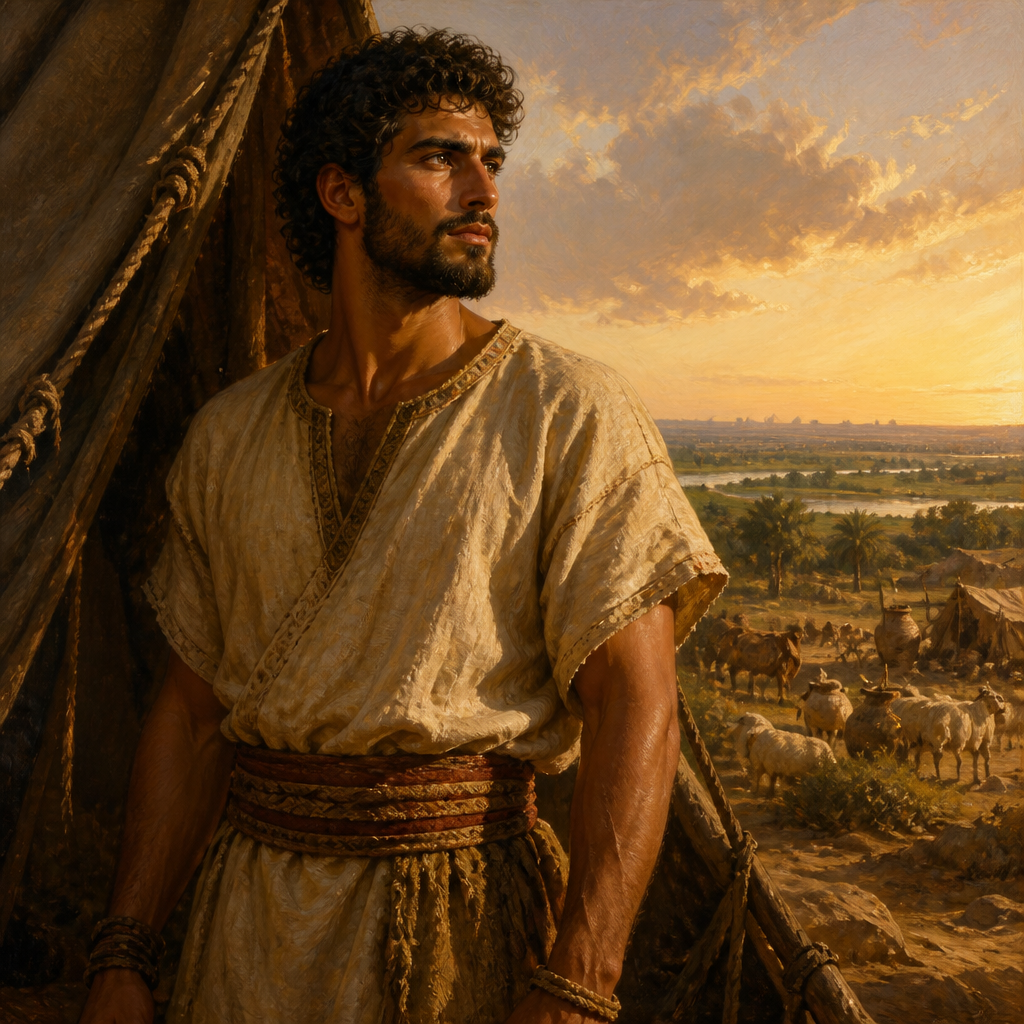
Jamin was the second son of Simeon and a grandson of the patriarch Jacob, serving as the progenitor of the Jaminite clan during the Egyptian sojourn and the Exodus.
Jamin was a significant tribal figure during the period of the Hebrew sojourn in Egypt. As the second son of Simeon, he was one of the seventy members of Jacob’s household who migrated from Canaan to Egypt to escape the great famine. His lineage is preserved in the genealogical records of the Pentateuch and the Chronicles, establishing his place within the foundational structure of the nation of Israel.
While the biblical narrative focuses largely on the broader movements of the twelve tribes, Jamin’s inclusion in the census lists underscores his importance as a clan leader. He survived the transition into Egypt and established a familial line that would endure through the centuries of bondage, eventually emerging as a distinct sub-group within the Tribe of Simeon during the wilderness wanderings under Moses.
Background and Family
Jamin is identified in the biblical record as the second son of Simeon (Genesis 46:10). His father, Simeon, was the second son of Jacob and Leah, making Jamin a direct grandson of the patriarch Jacob. He was part of a large immediate family, which included his brothers Jemuel (also called Nemuel), Ohad, Jachin, Zohar (also called Zerah), and Shaul. Notably, his brother Shaul is distinguished in the text as being the son of a Canaanite woman, though no such distinction is made for Jamin, suggesting his mother may have been from within the traditional family structure or that the text simply chooses to remain silent on her origin.
Jamin’s life was defined by the migration of the Israelites. He was among those who traveled to Egypt at the invitation of Joseph. This period represented a pivotal shift for his family, moving from nomadic life in Canaan to a settled existence in the land of Goshen.
Major Life Events
The biblical record for Jamin is primarily genealogical, focusing on his role as a link between the patriarchal age and the formation of the nation of Israel. He is listed in Genesis 46:10 and Exodus 6:15 during the recording of the heads of the houses of Israel. These lists serve to validate the continuity of the covenant promises made to Abraham, Isaac, and Jacob.
By the time of the Exodus, Jamin’s descendants had grown into a significant population. In Numbers 26:12, during the second census taken on the plains of Moab near the end of the forty years of wilderness wandering, Jamin is listed as the founder of the "Jaminite clan." This indicates that his biological line successfully survived the harsh conditions of the desert and the various judgments that fell upon the Israelites during their journey from Egypt to the Promised Land.
Relationship to Other Biblical Figures
As a son of Simeon, Jamin was a nephew to Joseph, the vizier of Egypt, and a nephew to Levi, the progenitor of the priestly line. His status as the second-born son of Simeon suggests a position of prominence within the Simeonite hierarchy. In the later records of 1 Chronicles 4:24, Jamin is again listed alongside his brothers, confirming the long-term preservation of his name in the records of the Kingdom of Judah even after the ten northern tribes had largely disappeared from the central narrative.
Spiritual Significance
The significance of Jamin lies in the concept of biblical preservation. In the ancient Near Eastern context, the survival of a man's name through his "clan" was a sign of divine blessing. By being recorded in the Torah, Jamin is presented as a recipient of the promise that Jacob’s descendants would multiply and become a great nation. His name, which in Hebrew can mean "right hand" or "south," suggests a position of strength or favor. Though he is not depicted performing individual miracles or speaking recorded words, his presence in the sacred text serves as a testament to God’s faithfulness in maintaining the tribal identity of Israel through the periods of Egyptian slavery and the subsequent Exodus.
Spiritual Significance
Jamin’s primary theological significance is found in the meticulous record-keeping of the Israelite tribes. His inclusion in the genealogies of Genesis, Exodus, Numbers, and 1 Chronicles demonstrates the biblical emphasis on heritage and the fulfillment of the Abrahamic covenant. He represents the transition from a family unit into a national entity.
Furthermore, as a progenitor of a clan within the Tribe of Simeon, Jamin’s legacy is tied to the geographical and spiritual history of the southern regions of Israel. His clan’s survival through the wilderness period illustrates the continuity of the people of God despite the challenges of the Egyptian sojourn.
Frequently Asked Questions
Who was Jamin’s father?
Jamin was the son of Simeon, who was the second son of the patriarch Jacob.
Which tribe did Jamin belong to?
Jamin belonged to the Tribe of Simeon and was the founder of the Jaminite clan.
Did Jamin move to Egypt?
Yes, according to Genesis 46:10, Jamin was one of the seventy members of Jacob’s household who went down to Egypt.
What does the name Jamin mean?
The name Jamin (יָמִין) in Hebrew generally means 'right hand' or 'the right side,' often signifying strength or honor.
Is Jamin mentioned in the New Testament?
No, Jamin is only mentioned in the Old Testament books of Genesis, Exodus, Numbers, and 1 Chronicles.
Connected Figures
Categories
Mentions by Book
- 1 Chronicles1
- Exodus1
- Genesis1
- Numbers1
Family & Relationships
Sibling
Genesis 46:10
Sibling
Genesis 46:10
Sibling
Genesis 46:10
Sibling
Genesis 46:10
Sibling
Shaul, Son of the Canaanite Woman
Genesis 46:10
Sibling
Genesis 46:10
Parent
Genesis 29:33
Parent
Genesis 46:10
Sibling
Genesis 46:10
Sibling
Genesis 46:10
Sibling
Shaul, Son of the Canaanite Woman
Genesis 46:10
Sibling
Genesis 46:10
Others Named Jamin
Jamin, Levite of the ReturnNehemiah 8:7
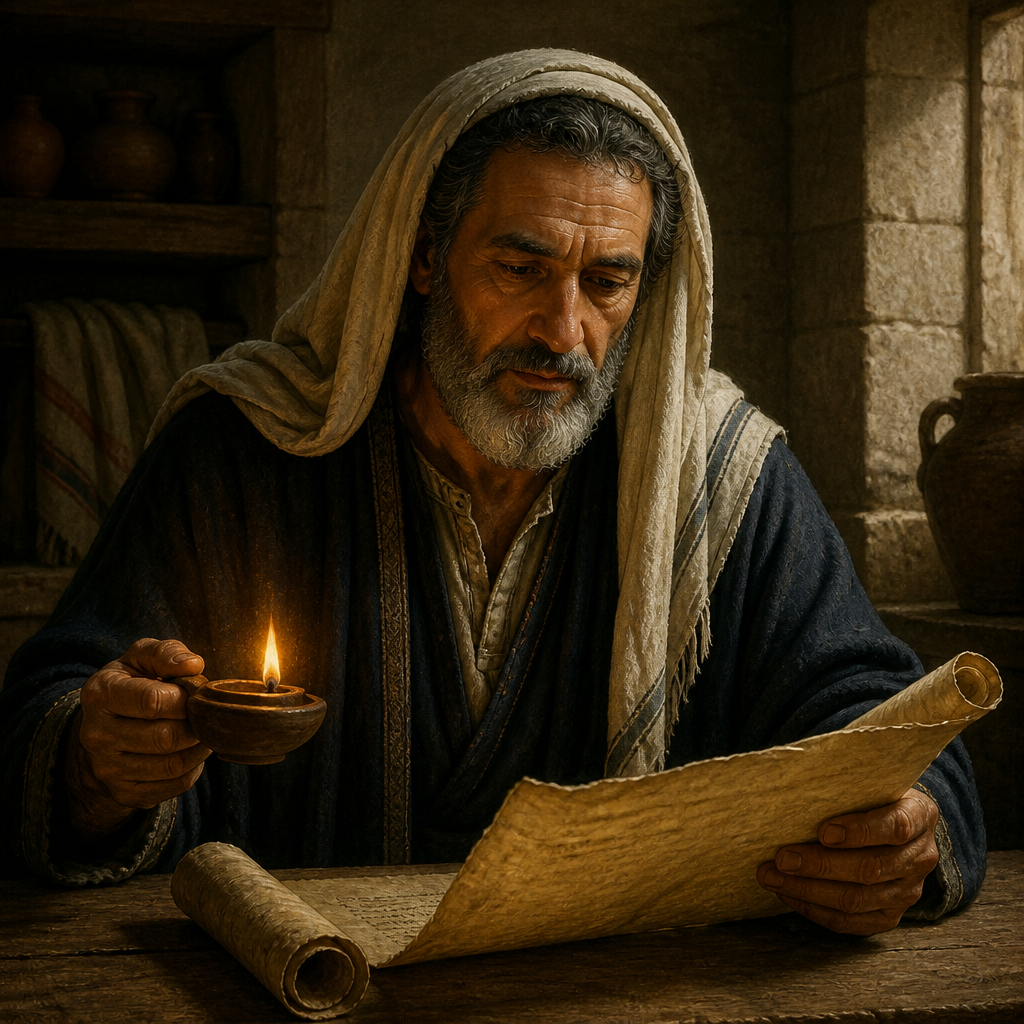
A Levite who assisted Ezra the Scribe by interpreting and explaining the Law of Moses to the Jewish assembly in Jerusalem following the Babylonian exile.
Jamin, Son of Ram1 Chronicles 2:27
A descendant of Judah through the line of Jerahmeel, identified as the second son of Ram during the period of the Divided Monarchy.