Zur, King of Midian
Zur was one of five Midianite kings who ruled as vassals for the Amorites and was executed by Israel during the wilderness wanderings.
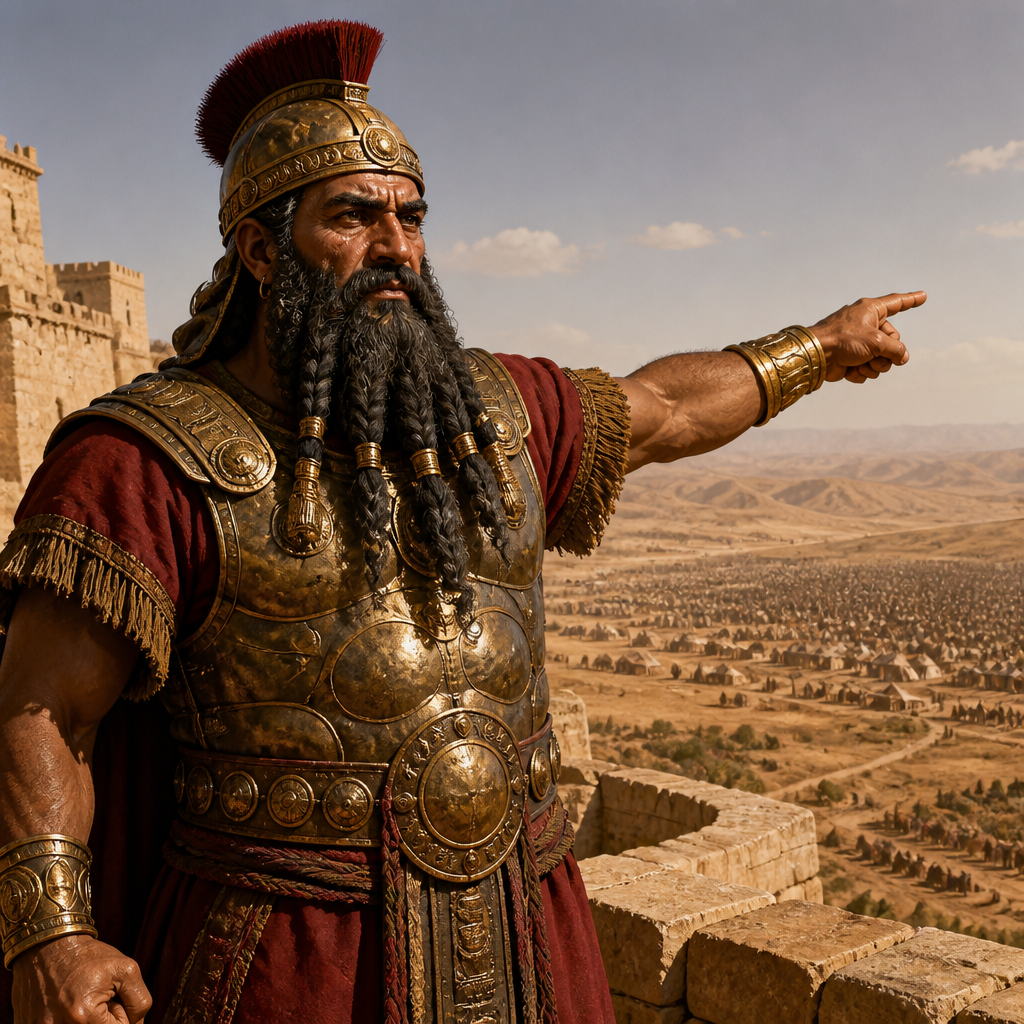
Zur was a prominent leader of the Midianite people during the final stages of Israel’s forty-year journey through the wilderness. He is historically categorized as one of the five 'kings of Midian' (Numbers 31:8), though the book of Joshua further clarifies his political status as a prince or chief who owed allegiance to Sihon, the Amorite king of Heshbon.
His role in the biblical narrative is defined by the conflict between Israel and the Midianite-Moabite alliance. While his individual biographical details are sparse in the Masoretic Text, his inclusion in the list of high-ranking Midianite casualties underscores his importance within the regional power structure of the Transjordan during the 15th or 13th century BC (depending on the dating of the Exodus).
Background and Family
Zur appears in the biblical record as a member of the Midianite aristocracy. The Midianites were a nomadic and semi-nomadic people inhabiting the regions east of the Jordan River and the Dead Sea, as well as parts of the Sinai Peninsula. In the accounts found in Numbers and Joshua, Zur is consistently grouped with four other Midianite leaders: Evi, Rekem, Hur, and Reba.
While the text identifies them as "kings" (Hebrew: melekh), the political landscape of the time often utilized this term for tribal chieftains or local lords. Joshua 13:21 provides specific geopolitical context, describing Zur and his peers as "princes of Sihon" who lived in the land. This suggests that the Midianite tribes under Zur's leadership had become vassals or allies of the Amorite kingdom of Heshbon, which Israel defeated shortly before Zur’s own death.
Major Life Events
The most significant event associated with Zur is his death during the Israelite campaign against Midian. This military action, recorded in Numbers 31, was commanded by God and led by Moses as an act of judgment against the Midianites for their role in the apostasy at Peor. The Midianites, advised by the prophet Balaam, had enticed the Israelites into idolatry and sexual immorality, leading to a devastating plague within the Israelite camp.
In the ensuing battle, twelve thousand Israelite men (one thousand from each tribe) attacked the Midianites. The biblical text records that the Israelites slew all the men, specifically naming the five kings of Midian—including Zur—among the casualties. The prophet Balaam son of Beor was also killed alongside them. This event marked a major shift in the tribal power dynamics of the Transjordan plateau.
Relationship to Other Biblical Figures
Zur is inextricably linked to his four fellow kings (Evi, Rekem, Hur, and Reba). They are never mentioned individually in the context of this specific leader's military defeat, but always as a collective leadership body. His relationship to Sihon, the king of the Amorites, is defined by political subordination; Zur and his fellow chiefs inhabited the territory under Sihon’s influence until the Amorite king was defeated by the Israelites under Moses.
Spiritual Significance
In a biblical-theological context, Zur represents the worldly opposition to the progress of the people of God toward the Promised Land. His death is presented not merely as a casualty of war, but as the fulfillment of divine judgment against those who sought to corrupt Israel’s spiritual integrity. The mention of his name in Joshua 13:21 serves as a legal and historical marker, confirming the total conquest of the territories formerly held by the Amorites and their Midianite allies, ensuring that the land could be properly allotted to the tribes of Israel, specifically the Reubenites.
Spiritual Significance
Zur serves as a historical representative of the Midianite leadership that fell under divine judgment due to their antagonism toward Israel. His death marks the conclusion of the Midianite threat during the wilderness era and signifies the total victory of Israel over the regional lords who had allied with the Amorites.
Frequently Asked Questions
Who was Zur in the Bible?
Zur was one of the five kings of Midian who ruled during the time of Moses and the Israelite wilderness wanderings.
How did Zur die?
He was killed by the sword during an Israelite military campaign led by Moses against the Midianites, as recorded in Numbers 31:8.
What was Zur's relationship to Sihon the Amorite?
According to Joshua 13:21, Zur was a prince or chief of Midian who lived in the land as a subject or ally of Sihon, the king of the Amorites.
Which other leaders were killed with Zur?
He was killed alongside the other four Midianite kings—Evi, Rekem, Hur, and Reba—as well as the prophet Balaam son of Beor.
Connected Figures


Categories
Mentions by Book
- Joshua1
- Numbers1
Others Named Zur
Zur, Son of Jeiel of Gibeon1 Chronicles 8:30
A Benjaminite nobleman and son of Jeiel, Zur was a prominent member of the ancestral line that produced Saul, the first king of Israel.
Zur, Father of CozbiNumbers 25:15
A Midianite tribal chief known for being the father of Cozbi, a woman slain during the plague at Shittim following Israel's apostasy with Baal-peor.