Talmai, son of Anak
Talmai was a descendant of Anak and one of three giants dwelling in Hebron who were eventually driven out and defeated during the Israelite conquest of Canaan.
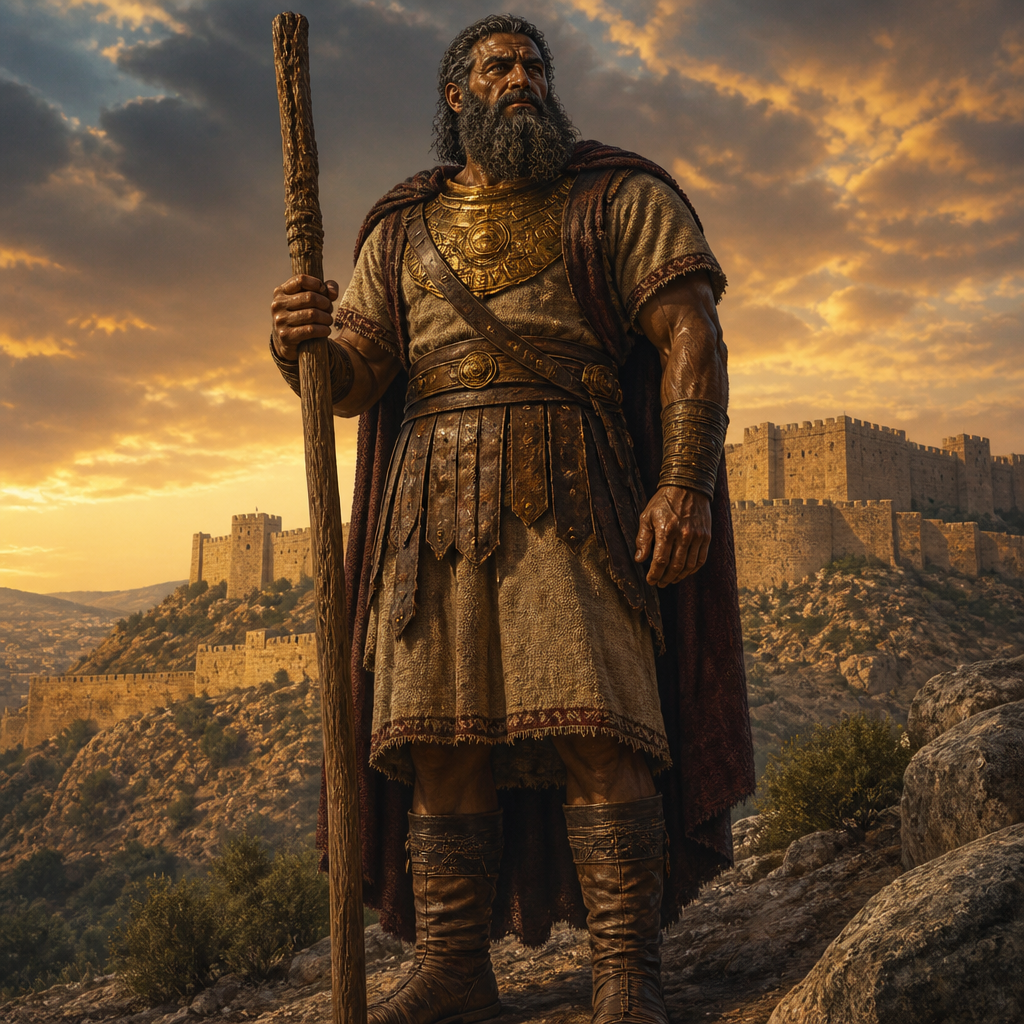
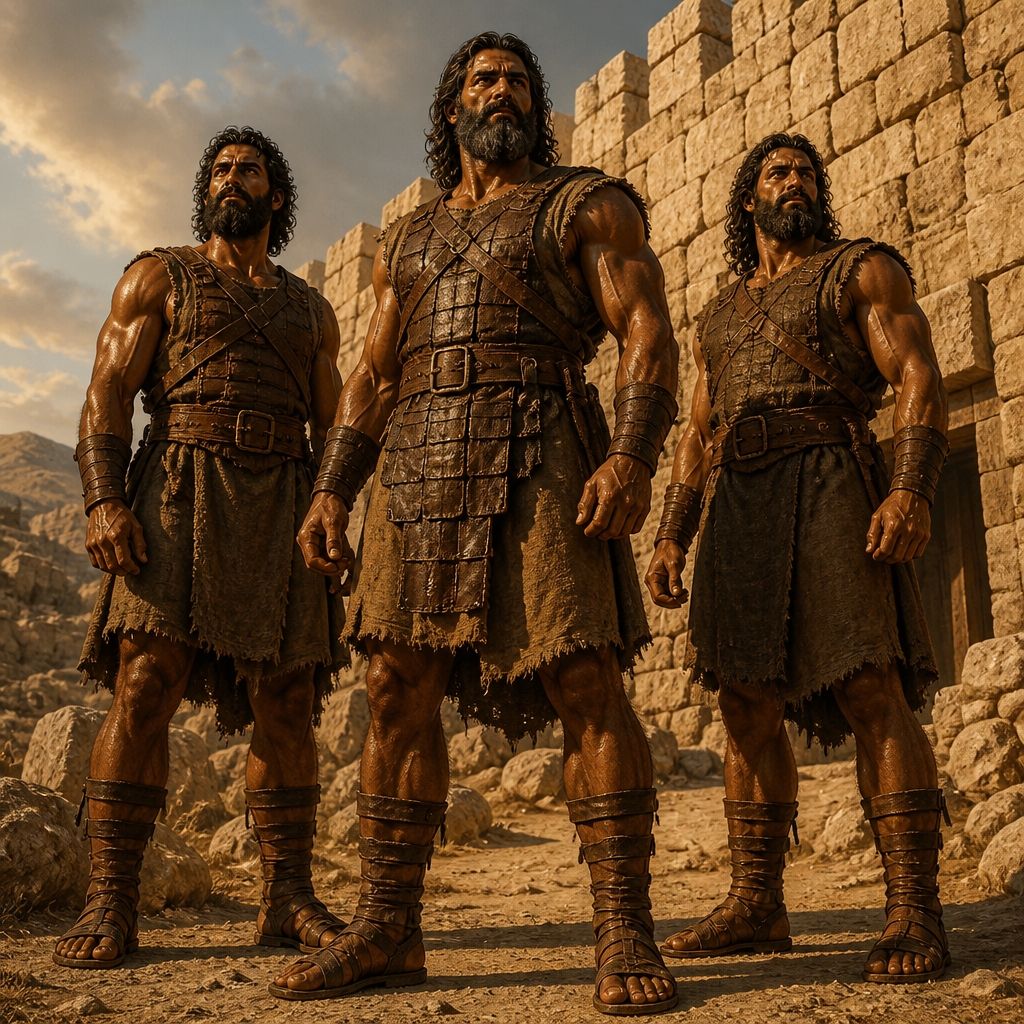
Talmai appears in the biblical record as one of the three formidable sons of Anak who inhabited the fortified city of Hebron during the time of the Exodus and the subsequent conquest of the Promised Land. He is consistently listed alongside his brothers, Ahiman and Sheshai. As a member of the Anakim, Talmai was part of a group notorious for their impressive physical stature, which struck terror into the hearts of the initial Israelite spies sent by Moses.
His presence in Hebron serves as a significant geographical and chronological marker in the text. The Bible notes that Hebron, where Talmai and his kin resided, was ancient even by Egyptian standards, having been built seven years prior to the city of Zoan in Egypt. Talmai represents the entrenched, formidable opposition the Israelites faced as they moved from the wilderness of Sinai into the hill country of Canaan.
Background and Family
Talmai is identified primarily by his lineage and his location. He was one of the sons of Anak, a figure from whom the Anakim—a race of people described as giants—descended. The biblical text specifically names his brothers as Ahiman and Sheshai. While the broader ethnic origins of the Anakim are not detailed in the specific verses mentioning Talmai, they are depicted as a deeply established population in the region of Hebron (originally known as Kiriath-arba).
The antiquity of Talmai’s residence is emphasized in Numbers 13:22, which provides a rare chronological synchronization, stating that Hebron was built seven years before Zoan in Egypt. This detail suggests that Talmai belonged to a dynasty or a group with ancient roots in the Levant, pre-dating many of the contemporary civilizations known to the Israelites during the late Bronze Age.
Major Life Events
Talmai first enters the biblical narrative during the reconnaissance mission of the twelve spies. As the spies passed through the Negev and reached Hebron, they encountered Talmai and his brothers. The terrifying physical presence of these men contributed to the majority report that the land was inhabited by people of such size that the Israelites felt like "grasshoppers" by comparison.
Following the forty-year wilderness wandering, the territory of Hebron was assigned to Caleb, the son of Jephunneh, as a reward for his faithfulness. According to Joshua 15:14, it was Caleb who took the initiative to drive out the three sons of Anak—Sheshai, Ahiman, and Talmai. The final resolution of Talmai’s story is recorded in the first chapter of Judges, where it is noted that the tribe of Judah marched against the Canaanites in Hebron and struck down the three brothers, effectively ending the Anakim occupation of that strategic highland city.
Relationship to Other Biblical Figures
Talmai’s relationship to his brothers, Ahiman and Sheshai, is one of collective identity; the three are never mentioned in isolation but always as a trio representing the power of the Anakim. His primary antagonist in the text is Caleb. While the general Israelite population feared Talmai and his kin, Caleb’s success in dislodging them serves as a testament to his spiritual resolve and divine backing.
Spiritual Significance
In the context of the Hexateuch (Genesis through Joshua), Talmai represents the "giants in the land" that symbolize seemingly insurmountable obstacles to divine promises. His presence in the fortified city of Hebron was the ultimate test of Israel’s faith. The defeat of Talmai and his brothers signifies the fulfillment of God's promise that even the most formidable enemies—those who had terrified the previous generation—could be overcome through obedience and courage. His removal from Hebron allowed the city to eventually become a pivotal location in Israelite history, later serving as the first capital of King David.
Spiritual Significance
Talmai is significant as a tangible representative of the Anakim, whose presence served as the primary catalyst for the Israelites' lack of faith at Kadesh-barnea. His eventual defeat by the forces of Judah and Caleb demonstrates the transition of the land from the control of ancient, formidable clans to the inheritance of the tribes of Israel.
Frequently Asked Questions
Who was Talmai's father?
Talmai was the son of Anak, the eponymous ancestor of the Anakim.
Where did Talmai live?
He lived in Hebron, which was formerly known as Kiriath-arba, in the hill country of Canaan.
Who defeated Talmai?
The Bible credits Caleb and the men of the tribe of Judah with driving out and striking down Talmai and his brothers.
Was Talmai a giant?
Yes, as a descendant of Anak, he was part of the Anakim, a group described in the Bible as being of great stature and strength.
What does the name Talmai mean?
In Hebrew, the name Talmai (H8526) is often associated with the word for 'furrowed' or 'abounding in furrows,' possibly referring to agricultural land or a physical characteristic.
Connected Figures
Categories
Mentions by Book
- Joshua1
- Judges1
- Numbers1
Family & Relationships
Sibling
Numbers 13:22
Sibling
Numbers 13:22
Sibling
Numbers 13:22
Parent
Numbers 13:22
Sibling
Numbers 13:22
Others Named Talmai
Talmai, King of Geshur2 Samuel 3:3
Talmai was the King of Geshur during the 10th century BC and the maternal grandfather of David's son Absalom.