Igal, Spy of the Exodus
A representative of the tribe of Issachar who was selected as one of the twelve scouts sent by Moses to explore the land of Canaan.
Igal was a prominent tribal leader during the Israelites' journey through the wilderness following the Exodus from Egypt. As a figure from the tribe of Issachar, he was chosen by Moses to perform a critical reconnaissance mission into the land of Canaan to determine the strength of its inhabitants and the fertility of the soil.
His role is recorded during the encampment at Kadesh-barnea in the Wilderness of Paran. While his name is preserved in the census of the scouts, he is part of a collective narrative involving the 'twelve spies' who brought back reports that significantly altered the course of Israelite history during the transition from Egypt to the Promised Land.
Background and Family
Igal is identified in the biblical record as the son of Joseph. This Joseph is a contemporary of the Exodus and should not be confused with the patriarch Joseph, the son of Jacob. According to the genealogical data in Numbers 13, Igal belonged to the tribe of Issachar. As one of the men selected for the mission to Canaan, he was described as a leader among his people (Numbers 13:2-3). The selection process required that each representative be a head of their ancestral tribe, indicating that Igal held a position of significant social and political authority within the Issacharite community during the wilderness sojourn.
Major Life Events
The defining event of Igal’s life was his appointment as a scout. Following the command of God to Moses, twelve men—one from each tribe—were sent from the Wilderness of Paran to explore Canaan. Their instructions were specific: they were to assess the people (whether they were strong or weak), the population (whether few or many), the land (whether good or bad), and the cities (whether they were open camps or fortified).
Igal and his companions spent forty days traveling through the Negeb and into the hill country, reaching as far as Hebron. Upon their return, they brought samples of the land’s fruit, including a massive cluster of grapes, pomegranates, and figs. However, the mission resulted in a crisis of faith for the nation. While the scouts confirmed the land flowed with milk and honey, ten of them—including Igal—reported that the inhabitants were giants and the cities were too well-fortified to be taken. This report incited a rebellion among the Israelites, leading to the divine decree that the generation of the Exodus would wander for forty years until they perished in the wilderness.
Relationship to Other Biblical Figures
Igal worked directly under the leadership of Moses and served alongside other tribal leaders such as Caleb son of Jephunneh and Hoshea (Joshua) son of Nun. Within the list of scouts, Igal is mentioned seventh, specifically representing the interests and the military assessment of the tribe of Issachar. His father, Joseph, remains a figure of genealogical record without further descriptive action in the text.
Spiritual Significance
In the broader biblical narrative, Igal represents the tension between physical observation and spiritual trust. Though he witnessed the miraculous provision of God during the Exodus, his assessment of the Promised Land was based on human strength rather than divine promise. His inclusion in the list of scouts serves as a historical witness to the specific leaders who influenced Israel's refusal to enter Canaan, an event frequently cited in later scripture as a warning against unbelief.
Spiritual Significance
Igal serves as a primary example of the tribal leadership that failed to trust in divine providence during the Kadesh-barnea crisis. His presence in the biblical text validates the historical reality of the twelve-tribe representation during the scout mission, illustrating that the decision to retreat from Canaan was a collective failure of the established tribal authorities.
Theologically, Igal is part of the 'evil report' mentioned in Numbers 14. His legacy is tied to the transition of the Israelite generation; he was among those who saw the evidence of God’s blessing (the fruit of the land) but allowed fear of the inhabitants (the Anakites) to outweigh his faith in God’s covenant.
Frequently Asked Questions
Which tribe did Igal represent?
Igal represented the tribe of Issachar during the scouting mission into Canaan.
Who was Igal's father?
According to Numbers 13:7, Igal was the son of Joseph.
What was Igal's specific mission in the Bible?
He was one of the twelve spies sent by Moses to explore the land of Canaan and report back on its people, cities, and agriculture.
How long did Igal's mission last?
The scouting mission, in which Igal participated, lasted for forty days.
Connected Figures
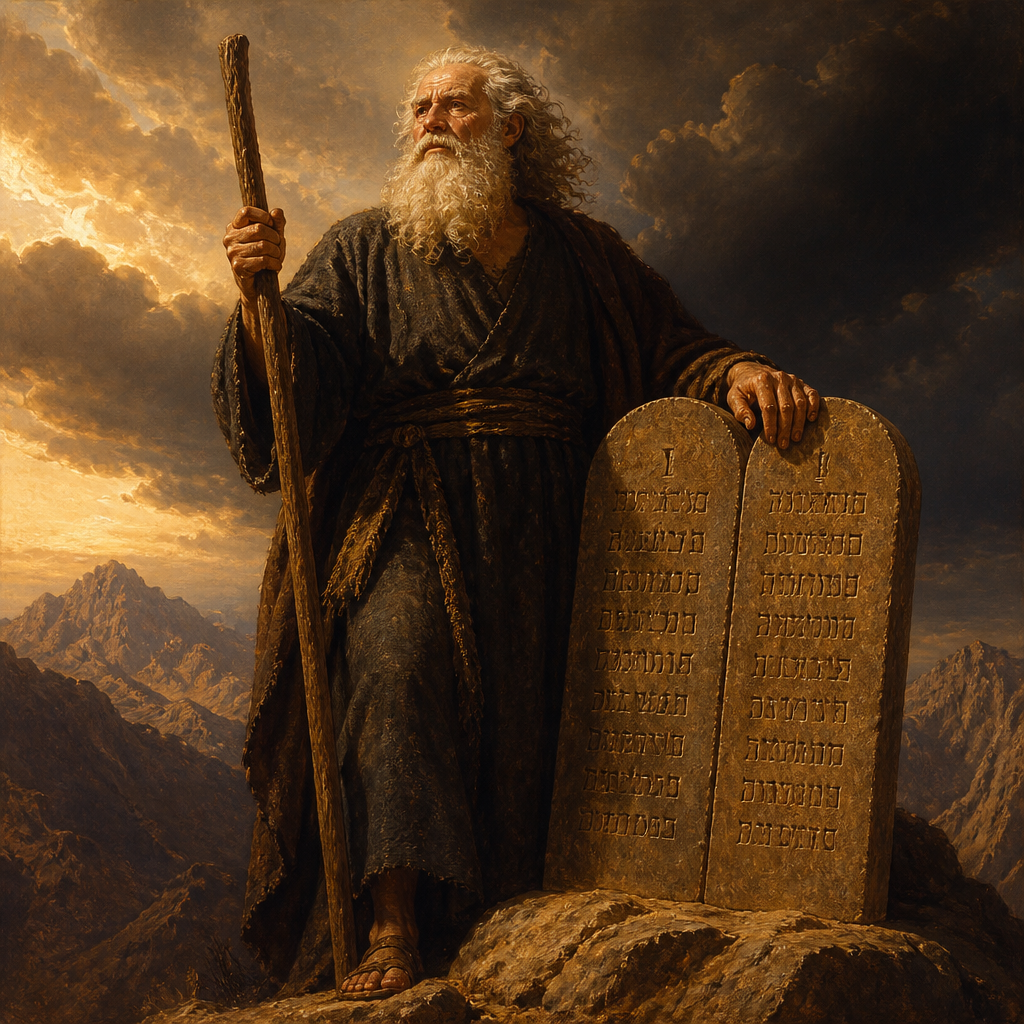
Moses
Leader who commissioned Igal
Joshua
Fellow scout from the tribe of Ephraim
Caleb
Fellow scout from the tribe of Judah
Categories
Mentions by Book
- Numbers1
Family & Relationships
Parent
Numbers 13:7
Others Named Igal
Igal, Son of Nathan of Zobah2 Samuel 23:36
A member of the elite 'Thirty' warriors in King David's military who hailed from Zobah during the United Monarchy.
Igal, Descendant of David1 Chronicles 3:22
Igal was a member of the post-exilic royal line of Judah, identified as a son of Shemaiah and a direct descendant of King David.