Joseph, Father of Igal
Who was Joseph, Father of Igal, in the Bible?
A man from the tribe of Issachar during the Exodus, known as the father of Igal, one of the twelve spies sent by Moses to scout the land of Canaan.
This is one of 9 people named Joseph in the Bible. See all 9 →
Joseph, a member of the tribe of Issachar, was an Israelite living during the pivotal era of the Exodus and the Wilderness wanderings. While his personal biography is not detailed in the biblical text, his identity is preserved through his lineage, specifically as the father of Igal. His life coincides with the transition of the Israelites from Egyptian bondage to the organized military and tribal structure established at Mount Sinai.
His primary mention occurs within the context of the census and selection of leaders for the reconnaissance mission into Canaan. As the father of a chosen representative, Joseph occupied a position of familial and tribal standing within Issachar, contributing to the generation that witnessed the wonders of the desert journey and the formalization of the Israelite covenant.
Background and Family
Joseph is identified in the biblical record as a member of the tribe of Issachar. The tribe of Issachar was descended from the ninth son of Jacob and was traditionally associated with a regional presence in the Jezreel Valley. During the Wilderness period, Issachar was part of the camp that marched under the banner of Judah, indicating a strategic and numerical significance within the Israelite camp. Joseph’s specific lineage within the tribe is not provided, but his naming suggests he was a part of a family that maintained traditional Hebrew naming conventions during their time in Egypt.
Joseph is explicitly named as the father of Igal (Numbers 13:7). In the cultural context of the ancient Near East and the specific genealogical records of the Pentateuch, the mention of a father’s name served to validate the social and legal status of the son. By recording Joseph’s name, the text establishes Igal’s legitimate standing within the tribal hierarchy of Issachar.
Major Life Events
The most significant event associated with Joseph is the appointment of his son, Igal, as one of the twelve spies. Following the Israelites' arrival at the Wilderness of Paran, Moses was commanded by God to send one leader from each of the twelve ancestral tribes to scout the land of Canaan. This mission was critical for assessing the strength of the inhabitants, the quality of the soil, and the fortifications of the cities.
While Joseph himself did not participate in the scouting mission, his role as the father of a "leader" (Hebrew: nasi) suggests he was a man of influence. The men selected for this task were described as "heads of the Israelites," implying that Joseph had raised a son who achieved high status and trust among his peers and tribal elders.
Relationship to Other Biblical Figures
Joseph’s primary relationship is with his son, Igal. He stands as a link between the generation that left Egypt and the leaders who were tasked with the first official entry into the Promised Land. Through Igal, Joseph is indirectly connected to the other tribal leaders of that generation, including Caleb son of Jephunneh and Hoshea (Joshua) son of Nun. Within the tribal structure, Joseph would have lived under the broader leadership of Moses and Aaron, following the liturgical and civil laws established at Sinai.
Spiritual Significance
Though Joseph appears only in a genealogical list, his presence in Numbers 13 signifies the fulfillment of the divine promise to multiply the descendants of Jacob. The tribe of Issachar, including Joseph’s household, had survived the hardships of Egypt and the initial challenges of the desert.
In the broader narrative of the spies, the inclusion of Joseph’s name serves as a marker of the individual families that made up the collective identity of Israel. The account of the twelve spies is often viewed through the lens of faith versus fear; while the text does not record Joseph’s personal reaction to the spies' report, his life represents the transitionary generation that saw God's providence in the wilderness but was ultimately barred from the Promised Land due to the collective rebellion described in the subsequent chapters of Numbers.
The theological significance of Joseph, father of Igal, lies in his contribution to the structured tribal history of Israel. As a father of a tribal representative, he embodies the continuity of the covenant across generations. His mention confirms that the tribe of Issachar was actively involved in the leadership and strategic planning of the nation during the Exodus.
In the context of the book of Numbers, Joseph represents the millions of unnamed Israelites who supported the infrastructure of the camp. His legacy is tied to the selection of the twelve spies, a narrative that serves as a warning about the necessity of faith when facing the challenges of the Promised Land.
Frequently Asked Questions
Which tribe did Joseph, father of Igal, belong to?
He was a member of the tribe of Issachar.
What is the only biblical reference to this Joseph?
He is mentioned exclusively in Numbers 13:7.
Who was his most famous relative?
His son Igal, who was one of the twelve spies sent by Moses to scout Canaan.
Did this Joseph enter the Promised Land?
The Bible does not explicitly state his death, but as a member of the generation that scouted the land and subsequently rebelled, he likely died in the wilderness along with the rest of his generation.
What was his role in the Exodus?
His specific role is not stated, other than being the father of a tribal leader selected for a critical mission.
Family & Relationships
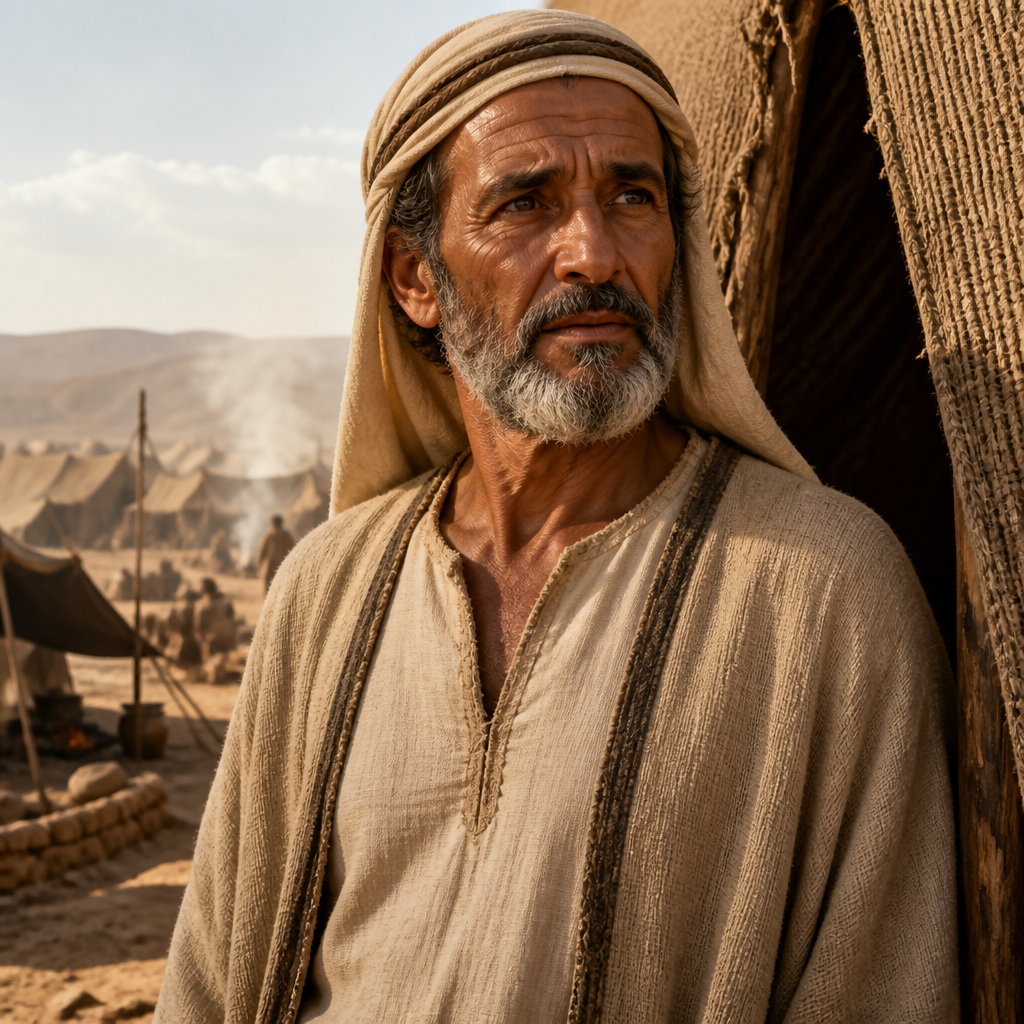 Joseph, Father of IgalThis page
Children
 Igal, Spy of the ExodusSonNumbers 13:7Stated
Connected Figures
Family
Son · Numbers 13:7
A representative of the tribe of Issachar who was selected as one of the twelve scouts sent by Moses to explore the land of Canaan.
Egypt and WildernessFirst: Numbers 13:71 versesscoutIssachar
Categories
Mentions by Book
- Numbers1
Scripture References
All 1 indexed verse, in canonical order, from the Berean Standard Bible.
Numbers · 1
- Numbers 13:7
from the tribe of Issachar, Igal son of Joseph;
Others Named Joseph
Compare all 9 bearers →Joseph, Son of JacobGenesis 30:24
The favored son of Jacob who, after being sold into slavery by his brothers, rose to become the Grand Vizier of Egypt and preserved the lineage of Israel during a regional famine.
Joseph, Earthly Father of JesusMatthew 1:16
A righteous descendant of David who served as the legal father of Jesus and the husband of the Virgin Mary during the early 1st century AD.
Joseph, Priest of ShebaniahNehemiah 12:14
A prominent priest and head of a paternal house who served in Jerusalem during the generation following the return from the Babylonian exile.
Joseph, Son of Asaph1 Chronicles 25:2
A Levite musician and son of Asaph who served as a leader of the temple worship singers during the reign of King David and the United Monarchy.
Joseph called BarsabbasActs 1:23
A prominent early disciple nominated alongside Matthias to replace Judas Iscariot among the twelve apostles following the ascension of Jesus Christ.
Joseph, Son of JonamLuke 3:30
A member of the tribe of Judah and an ancestor of Jesus Christ, positioned within the Davidic line as recorded in the Lucan genealogy.
Joseph, Son of BaniEzra 10:42
A descendant of Bani who, during the return from the Babylonian exile, was identified as one of the Israelites who had married a foreign woman and subsequently repented.
Joseph, Son of MattathiasLuke 3:24
A member of the tribe of Judah and an ancestor of Jesus Christ recorded in the Lucan genealogy between the Divided Monarchy and the First Century AD.