Shaphan, Scribe of the Divided Monarchy
A high-ranking royal scribe under King Josiah who played a pivotal role in the discovery of the Book of the Law and the subsequent religious reforms in Judah.
Shaphan son of Azaliah was a prominent court official and royal secretary (scribe) during the reign of King Josiah in the late 7th century BC. Operating during the final decades of the Kingdom of Judah, Shaphan occupied a position of immense influence, serving as a primary intermediary between the monarchy and the priesthood. His career is most notably defined by his involvement in the restoration of the Temple in Jerusalem and the dissemination of the long-lost 'Book of the Law,' which triggered one of the most significant spiritual renewals in Israelite history.
Beyond his personal service to Josiah, Shaphan established a political dynasty that remained influential throughout the Babylonian crisis. His descendants, including his son Ahikam and grandson Gedaliah, continued his legacy of administrative service and protection of the prophet Jeremiah. The biblical record presents Shaphan not merely as a bureaucrat, but as a faithful steward whose literacy and integrity helped preserve the foundations of the Jewish faith during a period of geopolitical upheaval.
Background and Family
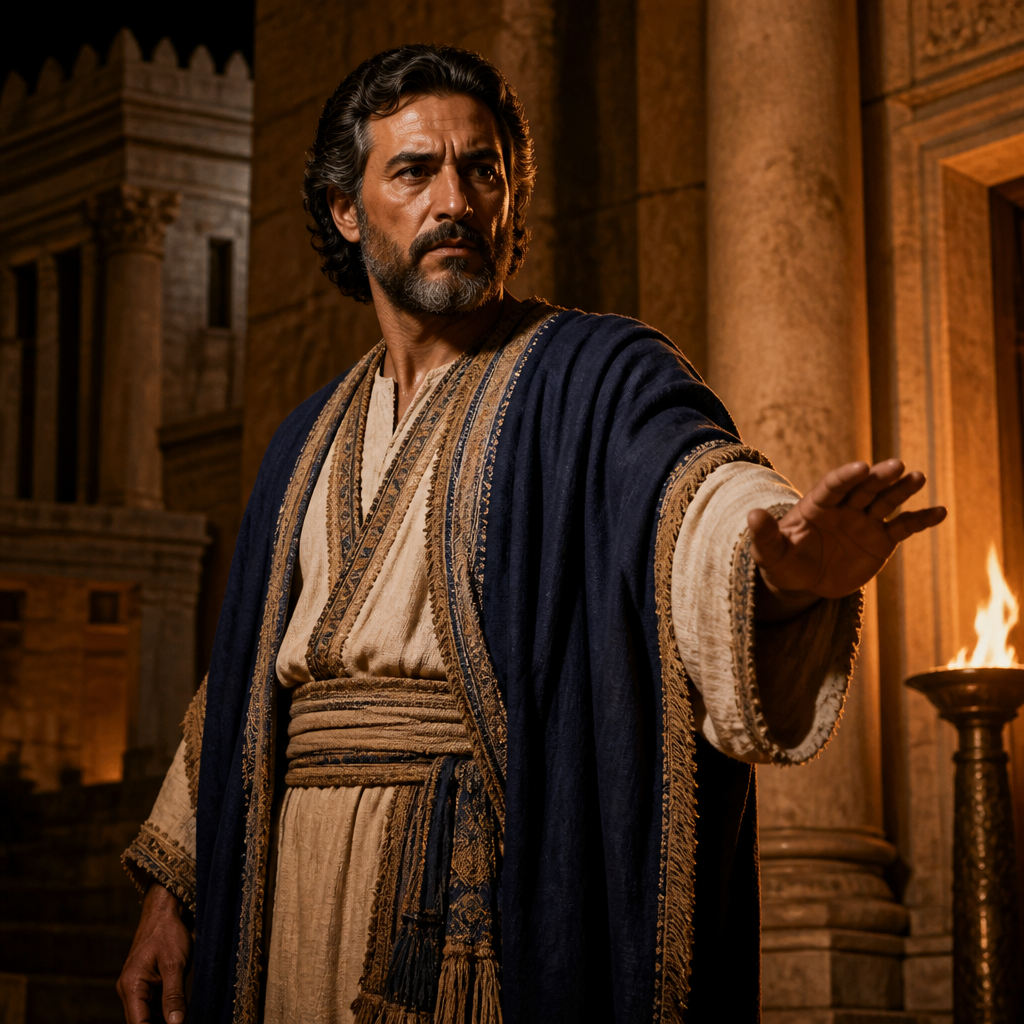
Shaphan was the son of Azaliah and the grandson of Meshullam (2 Kings 22:3). While his specific tribal affiliation is not explicitly stated in the biblical text, his high-ranking position within the Jerusalem court suggests he belonged to a family of significant social standing. The office of 'scribe' (Hebrew: sopher) in the Divided Monarchy was not merely a clerkship but a senior governmental role, equivalent to a secretary of state or a royal chancellor. In this capacity, Shaphan was responsible for the king's correspondence, financial oversight of state projects, and the management of official records.
Shaphan’s family appears to have been a cornerstone of the pro-reform and pro-prophetic faction in Jerusalem. He is recorded as the father of several influential sons: Ahikam, Elasah, and Gemariah. This lineage proved vital for the survival of the prophetic tradition; for instance, Jeremiah 26:24 notes that Ahikam son of Shaphan used his influence to protect Jeremiah from execution. Furthermore, his grandson Gedaliah was eventually appointed governor of Judah by Nebuchadnezzar after the fall of Jerusalem in 586 BC (2 Kings 25:22).
Major Life Events
The Temple Repairs and the Discovery of the Scroll
In the eighteenth year of King Josiah’s reign (c. 622 BC), the king commissioned Shaphan to go to the House of the LORD. His task was to coordinate with Hilkiah the high priest to audit the silver collected at the Temple entrance and ensure it was distributed to the craftsmen—carpenters, builders, and masons—repairing the structure (2 Kings 22:3–7). During this administrative visit, Hilkiah informed Shaphan, “I have found the Book of the Law in the house of the LORD!”
Shaphan’s first action was to read the scroll himself. Upon returning to King Josiah, he first reported on the successful distribution of the Temple funds. Only after concluding the financial report did he mention the scroll, stating simply, “Hilkiah the priest has given me a book.”
Reading Before the King
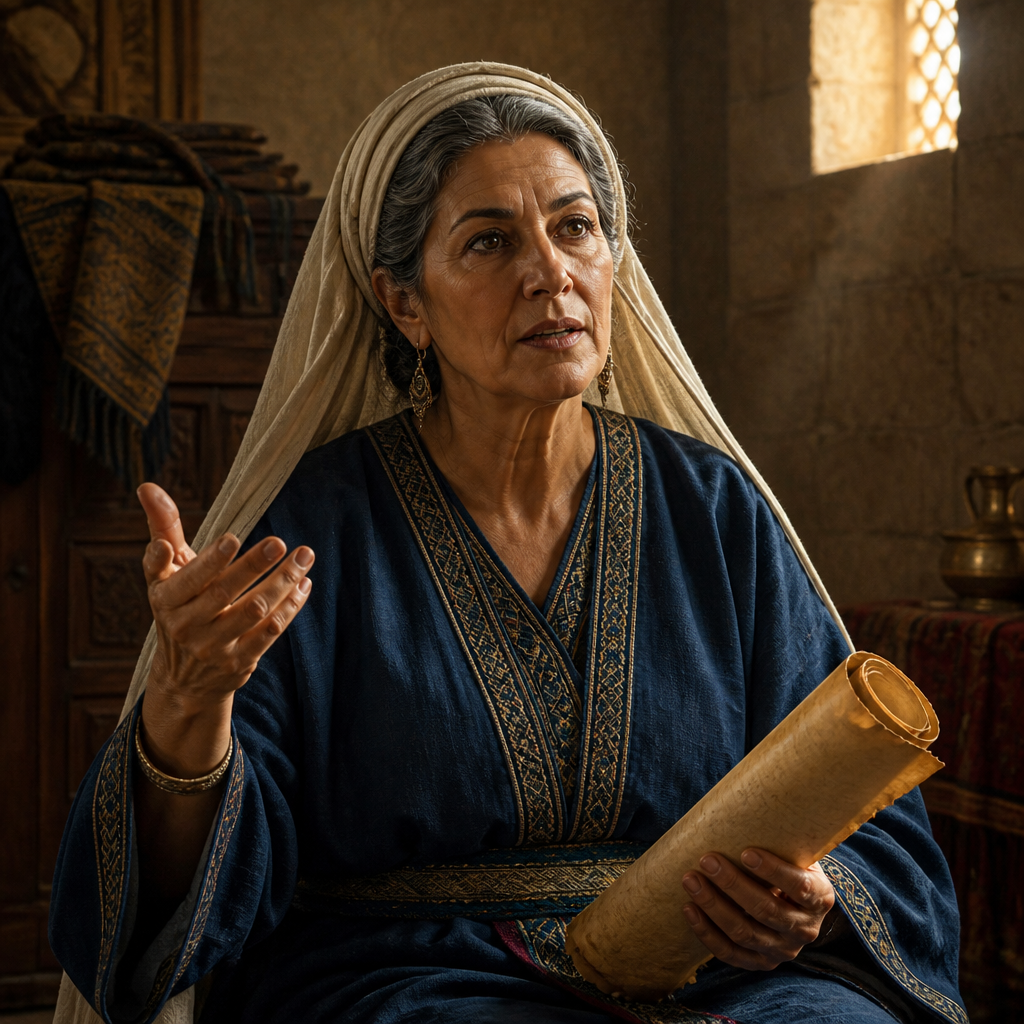
Shaphan read the contents of the scroll aloud to Josiah. The impact was immediate and visceral; the king tore his robes in mourning upon hearing the covenant requirements and the consequences of Judah’s disobedience (2 Kings 22:10–11). Recognizing the gravity of the situation, Josiah appointed a five-man delegation—which included Shaphan and his son Ahikam—to consult the prophetess Huldah regarding the words of the book. The delegation’s inquiry confirmed that the judgments written in the scroll were imminent, though Josiah’s personal repentance would delay the disaster (2 Kings 22:14–20).
Legacy in the Book of Jeremiah
Though the account in 2 Kings focuses on the Josianic reforms, the Book of Jeremiah provides a broader look at Shaphan’s enduring influence through his children. In Jeremiah 36, Gemariah son of Shaphan provided a chamber in the Temple for Baruch to read Jeremiah’s prophecies. Later, Gemariah was among the officials who pleaded with King Jehoiakim not to burn Jeremiah’s scroll (Jeremiah 36:25). Additionally, Elasah son of Shaphan was the messenger chosen by King Zedekiah to carry Jeremiah’s famous letter to the exiles in Babylon (Jeremiah 29:3). These accounts suggest that Shaphan raised a family deeply committed to the Word of God and the protection of His messengers.
Relationship to Other Biblical Figures
Shaphan’s relationship with King Josiah was one of trusted counsel. He was the primary lens through which the king first encountered the written Law. His collaboration with Hilkiah the High Priest represents a rare moment of unity between the civil administration and the religious hierarchy.
In relation to Jeremiah, while there is no direct recorded dialogue between the two, Shaphan’s household served as the prophet's primary political support system. Without the intervention of Shaphan’s son Ahikam and the use of Gemariah’s Temple chamber, Jeremiah’s ministry might have been silenced much earlier by the antagonistic kings Jehoiakim and Zedekiah.
Spiritual Significance
Shaphan serves as a model of the 'faithful administrator.' In a biblical narrative often dominated by kings and prophets, Shaphan represents the essential role of the literate, disciplined professional in the work of God. His willingness to read, report, and act upon the recovered scriptures facilitated a national turning point.
Theologically, Shaphan’s role highlights the power of the written Word. Before the scroll was read in the palace, Josiah’s reforms were based on a general desire for righteousness; after Shaphan read the Law, the reforms became specific, covenant-based, and legally grounded. Shaphan’s legacy also underscores the importance of intergenerational faithfulness, as his children and grandchildren stood as the final remnants of godly leadership in a collapsing Judean state.
Spiritual Significance
Shaphan is central to the history of the biblical text itself, as he was the first person recorded to read the 'Book of the Law' (likely a form of Deuteronomy) upon its rediscovery in the Temple. His literacy and position allowed the forgotten statutes of the Mosaic covenant to be reintroduced to the Judean court, providing the legal and spiritual impetus for King Josiah’s extensive purge of idolatry.
Furthermore, Shaphan represents a shift toward a 'religion of the book.' By bringing the scroll to the king and reading it aloud, he participated in a transition where the written Word of God became the primary authority for the community. The fact that his descendants became the protectors of the prophet Jeremiah and the governors of the post-collapse remnant suggests that Shaphan’s household was the primary vessel through which the spiritual heritage of Israel was preserved during the Babylonian Exile.
Frequently Asked Questions
What was Shaphan's official role in the kingdom?
Shaphan was a royal scribe (or secretary) under King Josiah. This was a high-level administrative position that involved managing royal finances, handling official correspondence, and maintaining the king's records.
Did Shaphan write the 'Book of the Law'?
No, the Bible states that Hilkiah the high priest found the book in the Temple. Shaphan's role was to read the book, verify its importance, and present it to King Josiah.
How did Shaphan's family help the prophet Jeremiah?
Shaphan's family was instrumental in Jeremiah's survival. His son Ahikam protected Jeremiah from a lynch mob (Jeremiah 26:24), his son Gemariah provided a room for Jeremiah's scrolls to be read and argued against the king burning them, and his son Elasah delivered Jeremiah’s letters to the exiles.
Who was Shaphan's father?
Shaphan was the son of Azaliah, the son of Meshullam, as recorded in 2 Kings 22:3.
What happened to Shaphan's grandson, Gedaliah?
After the Babylonians destroyed Jerusalem, they appointed Gedaliah son of Ahikam (Shaphan's grandson) as governor over the remnant of people left in Judah. He was eventually assassinated by Ishmael son of Nethaniah.
Connected Figures
Josiah
King whom he served
Hilkiah
High Priest and collaborator
Ahikam
Son
Gedaliah
Grandson
Huldah
Prophetess he consulted
Gemariah
Son
Categories
Mentions by Book
- Jeremiah11
- 2 Kings7
- 2 Chronicles5
Family & Relationships
Child
2 Kings 22:3
Child
2 Kings 22:3
Child
2 Kings 22:3
Parent
2 Kings 22:3
Others Named Shaphan
Shaphan, Father of JaazaniahEzekiel 8:11
The father of Jaazaniah, one of the seventy elders of Israel seen by the prophet Ezekiel committing idolatry in a vision of the temple.