Michael, Son of Izrahiah
A tribal chief of Issachar during the Divided Monarchy, noted for his leadership and membership in a family of five renowned heads of households.
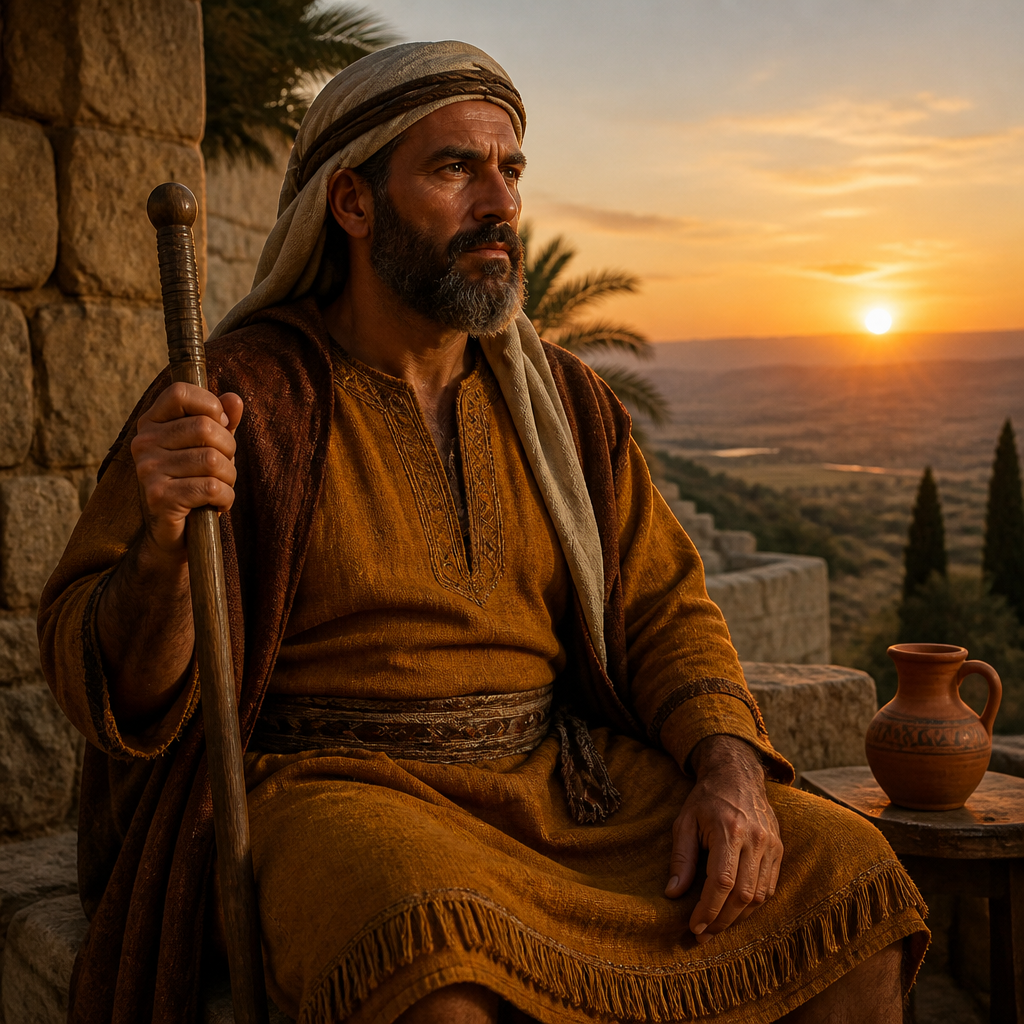
Michael, the son of Izrahiah, was a prominent leader within the tribe of Issachar during the era of the Divided Monarchy. He is identified in the genealogical records of 1 Chronicles as a direct descendant of Tola, the eldest son of Issachar, placing him in a prestigious lineage of valiant men. Michael held a position of authority as a chief among his people, serving as a civil or military head of a large family unit.
His life and leadership are recorded within the context of the tribal registers compiled to document the strength and heritage of the northern tribes. As a member of a high-ranking family of five brothers, all of whom were designated as chiefs, Michael represented the administrative and protective backbone of Issachar during a period of significant national transition in Israel.
Background and Family
Michael was a descendant of the tribe of Issachar, a group historically characterized by their understanding of the times and their commitment to the welfare of Israel. According to the genealogical account in 1 Chronicles 7:3, Michael was the son of Izrahiah and the grandson of Uzzi. His family lineage traces back through Tola to Issachar, the son of Jacob and Leah.
Michael was one of five brothers, including Obadiah, Joel, and Isshiah. The biblical text emphasizes that all five of these sons of Izrahiah were "chiefs" (Hebrew: rō’š). This designation implies that they were more than merely siblings; they were recognized heads of their respective ancestral houses or clans. The collective prominence of these five brothers suggests a family of exceptional influence and standing within the tribal structure of the Divided Monarchy.
Major Life Events
The biblical record for Michael, son of Izrahiah, is concentrated in the post-exilic genealogical summaries that look back upon the era of the Divided Monarchy. While specific individual narrative deeds are not detailed, his inclusion in the "heads of their fathers' houses" signifies his role in the census and military organization of Issachar.
During this time, the tribe of Issachar was noted for producing "mighty men of valor." The text surrounding Michael’s mention records that the number of men ready for military service from these lineages was substantial, reaching into the tens of thousands. As a chief, Michael would have been responsible for the governance of his clan, the adjudication of local disputes, and the mobilization of troops during times of conflict between the northern and southern kingdoms or against foreign invaders.
Relationship to Other Biblical Figures
Michael is defined primarily by his relationship to his father, Izrahiah, and his brothers. The repetition of his brothers' names—Obadiah, Joel, and Isshiah—serves to highlight the strength of their collective leadership. Unlike many individuals in the biblical record who are mentioned in isolation, Michael is presented as part of a robust family unit that shared the burden of leadership.
His position as a chief of Issachar aligns him with the traditional tribal roles established during the time of the settlement and maintained through the early centuries of the monarchy. Though he lived during the Divided Monarchy, his lineage connected him to the ancient patriarchal foundations of the nation.
Spiritual Significance
The spiritual significance of Michael, son of Izrahiah, lies in his role as a preserver of tribal identity and order. In the Chronicler’s perspective, the meticulous recording of names like Michael served to prove the continuity of God’s people despite the political fractures of the Divided Monarchy. By serving as a chief, Michael fulfilled the vocational calling of his tribe to provide stable leadership.
The son of Uzzi: Izrahiah. The sons of Izrahiah: Michael, Obadiah, Joel, and Isshiah. All five of them were chiefs. (1 Chronicles 7:3)
His inclusion in the holy scriptures underscores the biblical principle that individual leaders, even those without extensive narrative biographies, were essential to the preservation of the community of faith. Michael represents the "valiant men" who maintained the structure of the Hebrew society during one of its most turbulent historical eras.
Spiritual Significance
Michael, son of Izrahiah, serves as a representative of the administrative stability within the tribe of Issachar. His status as one of five brothers who were all recognized as 'chiefs' highlights a period of strong, localized leadership during the Divided Monarchy. Theologically, his presence in the genealogies of Chronicles reinforces the theme of God's providence in maintaining the distinct identities and leadership structures of the twelve tribes throughout Israel's history.
While he is mentioned only briefly, his role as a head of a father's house (rō’š) indicates that he was vital to the social and military organization of his people. His life reflects the biblical emphasis on family legacy and the importance of orderly governance within the covenant community.
Frequently Asked Questions
Who was Michael's father?
Michael was the son of Izrahiah, a descendant of Uzzi in the tribe of Issachar.
What tribe did Michael, son of Izrahiah, belong to?
He belonged to the tribe of Issachar, specifically the lineage of Tola.
How many brothers did Michael have according to 1 Chronicles 7?
He had three named brothers: Obadiah, Joel, and Isshiah. The text notes there were five 'chiefs' in total from the sons of Izrahiah.
What was Michael's role in his tribe?
Michael was a 'chief' (Hebrew: rō’š), meaning he was a head of an ancestral house and a leader of his clan.
During what era of biblical history did this Michael live?
He lived during the era of the Divided Monarchy, a time when the northern and southern kingdoms of Israel were separate.
Connected Figures
Categories
Mentions by Book
- 1 Chronicles1
Family & Relationships
Sibling
1 Chronicles 7:3
Sibling
Joel, Chief of the Tribe of Issachar
1 Chronicles 7:3
Sibling
1 Chronicles 7:3
Sibling
1 Chronicles 7:3
Parent
1 Chronicles 7:3
Sibling
Joel, Chief of the Tribe of Issachar
1 Chronicles 7:3
Sibling
1 Chronicles 7:3
Others Named Michael
Michael, Levite of the Divided Monarchy1 Chronicles 6:40
A Levite of the Kohathite line during the Divided Monarchy who served in the ancestry of the temple singer Asaph.
Michael, Son of Abihail1 Chronicles 5:13
A prominent kinsman and head of a family within the tribe of Gad during the era of the Divided Monarchy.
Michael, Son of Jehoshaphat2 Chronicles 21:2
A prince of Judah and son of King Jehoshaphat who was tragically murdered by his brother Jehoram during a royal purge.
Michael, Son of Jeshishai1 Chronicles 5:14
A descendant of Gad and the son of Jeshishai, Michael is recorded in the genealogical records of the Transjordan tribes during the era of the Divided Monarchy.
Michael, Father of ZebadiahEzra 8:8
Michael was a descendant of Shephatiah whose son, Zebadiah, led a group of eighty men during the second wave of the Jewish return from Babylonian exile under Ezra.
Michael, the Chief PrinceDaniel 10:13
A celestial prince and archangel who serves as the spiritual guardian of Israel and leader of the heavenly armies against spiritual forces.
Michael, Son of Beriah1 Chronicles 8:16
A member of the tribe of Benjamin and son of Beriah, Michael was a family head recorded in the genealogical registers of the Egyptian sojourn era.
Michael, Manassite Chief of Thousands1 Chronicles 12:20
A high-ranking military leader from the tribe of Manasseh who defected from King Saul to join David at Ziklag.
Michael, Father of SethurNumbers 13:13
A member of the tribe of Asher and the father of Sethur, one of the twelve scouts sent by Moses to explore the land of Canaan.
Michael, Father of Omri1 Chronicles 27:18
A man of the tribe of Issachar during the Divided Monarchy whose son, Omri, served as a tribal leader under King David.