Isshiah, Chief of Issachar
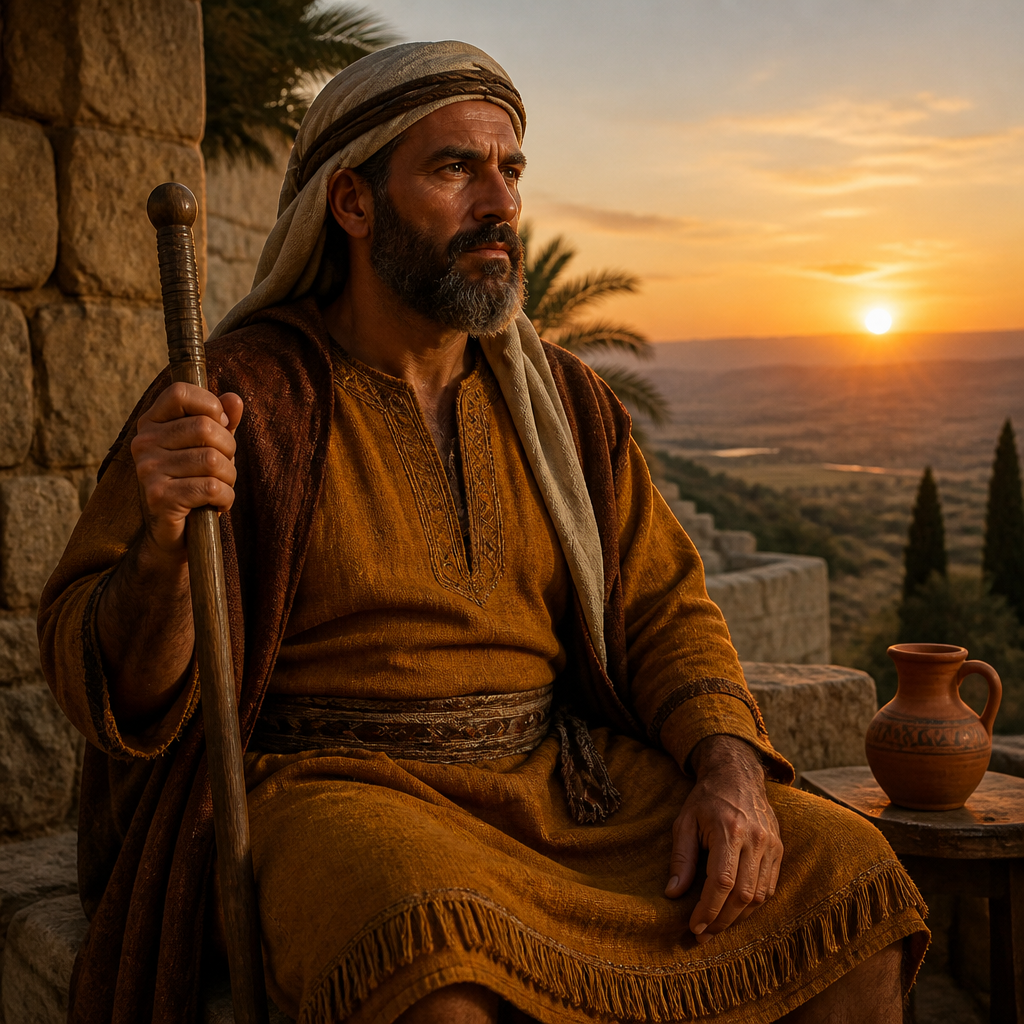
A tribal leader and chief within the Tribe of Issachar during the Divided Monarchy period, recognized as the son of Izrahiah.
Isshiah was a prominent figure within the tribal structure of ancient Israel, specifically belonging to the Tribe of Issachar. His existence is documented in the genealogical records of the chronicler, which serve to preserve the lineage and organizational hierarchy of the northern tribes. As a member of the house of Uzzi and the son of Izrahiah, Isshiah occupied a position of communal authority.
Historically, Isshiah is identified as one of five brothers who all shared the distinction of being 'chiefs' (Hebrew: 'rosh') over their respective family units. This designation suggests that he played a vital role in the civil and military administration of his tribe during the era of the Divided Monarchy, contributing to the stability and leadership of Issachar.
Background and Family
Isshiah emerges in the biblical record through the meticulous genealogical lists of 1 Chronicles. He was a descendant of Tola, the firstborn son of Issachar, placing him within the noble line of a tribe traditionally associated with wisdom and understanding of the times. The text identifies his father as Izrahiah and his grandfather as Uzzi.
Isshiah was part of a specific group of five brothers, including Michael, Obadiah, and Joel. The biblical record specifically highlights that all five of these sons of Izrahiah attained the rank of 'chiefs.' This suggests a family of high social standing and inherited leadership, where the responsibilities of governance were distributed among the siblings to manage the increasing population of their clan.
Major Life Events
The biblical footprint of Isshiah is focused entirely on his genealogical standing and his role as a tribal leader. During this period of the Divided Monarchy, the chronicler records that the descendants of Issachar were characterized by their military readiness. While Isshiah is not depicted in a specific narrative battle or political negotiation, his inclusion among the 'chiefs' indicates he was responsible for the oversight of the 'mighty men of valor' within his family line. According to the surrounding context of 1 Chronicles 7, the total number of fit men for war in this specific lineage was substantial, requiring organized leadership from men like Isshiah.
Relationship to Other Biblical Figures
Isshiah’s primary relationships are defined by his immediate kin. He is the son of Izrahiah and the brother of Michael, Obadiah, and Joel (1 Chronicles 7:3). The text notes that there were five brothers, though only four names—Michael, Obadiah, Joel, and Isshiah—appear in the specific list following the mention of Izrahiah. The collective group is characterized by their shared status. Unlike many biblical figures who are defined by their interactions with kings or prophets, Isshiah is defined by his contribution to the strength and order of the Tribe of Issachar.
Spiritual Significance
The spiritual significance of Isshiah lies in the biblical emphasis on order and the preservation of the covenant community. By recording his name among the chiefs, the Chronicler reinforces the idea that every tribe and every family head had a divinely appointed place in the nation of Israel. Isshiah represents the faithful 'middle management' of the biblical world—those who led their families and tribes in relative obscurity but were essential to the collective identity of God's people. His life reflects the fulfillment of the blessings promised to Issachar, showing a lineage that remained structured and potent throughout the generations of the monarchy.
Spiritual Significance
Isshiah signifies the importance of tribal leadership and the preservation of the Israelite heritage during the Divided Monarchy. As a 'chief,' he represents the administrative backbone of the Tribe of Issachar, ensuring that the genealogical and military strength of the nation remained intact. His mention serves to validate the legitimacy of the northern tribes and their continued role in the history of Israel.
From a theological perspective, Isshiah’s inclusion in the sacred text demonstrates that God values the specific roles of individuals within the community. Even those without extensive narrative arcs are recorded as vital components of the larger story of the covenant, illustrating that leadership and service are recognized by the divine record-keeper.
Frequently Asked Questions
To which tribe did Isshiah belong?
Isshiah was a member of the Tribe of Issachar, specifically descending from the line of Tola.
Who was Isshiah's father?
Isshiah was the son of Izrahiah, who was the son of Uzzi.
What was Isshiah's role in Israel?
He was designated as a 'chief' (or head), implying a position of leadership and authority over his family and tribal division.
How many brothers did Isshiah have?
The text mentions he was one of five brothers, specifically naming Michael, Obadiah, and Joel alongside him.
In which book of the Bible is Isshiah mentioned?
Isshiah is mentioned in the genealogical records of 1 Chronicles 7:3.
Connected Figures
Categories
Mentions by Book
- 1 Chronicles1
Family & Relationships
Sibling
1 Chronicles 7:3
Sibling
1 Chronicles 7:3
Sibling
Joel, Chief of the Tribe of Issachar
1 Chronicles 7:3
Parent
1 Chronicles 7:3
Sibling
Joel, Chief of the Tribe of Issachar
1 Chronicles 7:3
Sibling
1 Chronicles 7:3
Sibling
1 Chronicles 7:3
Others Named Isshiah
Isshiah, Son of Rehabiah1 Chronicles 24:21
Isshiah was a prominent Levite and the firstborn son of Rehabiah, serving in the liturgical and administrative structures during the Divided Monarchy period.
Isshiah, Son of Uzziel1 Chronicles 24:25
Isshiah was a Levite of the Kohathite clan and the son of Uzziel, recognized as a family head during the reorganization of the sanctuary service.
Isshiah, One of David's Mighty Men1 Chronicles 12:6
Isshiah was a Korahite warrior who joined David at Ziklag, recognized as one of the skilled 'mighty men' during the Divided Monarchy era.