Michael, Father of Sethur
Who was Michael, Father of Sethur, in the Bible?
A member of the tribe of Asher and the father of Sethur, one of the twelve scouts sent by Moses to explore the land of Canaan.
This is one of 11 people named Michael in the Bible. See all 11 →
Michael was a man of the tribe of Asher who lived during the era of the Egyptian Sojourn and the subsequent Wilderness wanderings. Though he is only mentioned once in the biblical record, his significance is tied to his role as the father of one of Israel’s prominent leaders chosen during the second year of the Exodus.
His name, Michael, translates from Hebrew as 'Who is like God?' (Mîkhā’ēl), a rhetorical question reflecting the monotheistic devotion of his family and perhaps the spiritual climate of the Asherites during the transition from Egyptian bondage to the freedom of the Sinai desert. He is specifically identified in the census of leaders gathered at Kadesh Barnea.
Background and Family
Michael belonged to the tribe of Asher, one of the northern tribes descending from the eighth son of Jacob. During the time of the Wilderness wanderings (c. 1445 BC), Michael’s lineage was documented as part of the formal organization of the Israelite camp. While the Bible does not provide the names of Michael’s ancestors, it explicitly records his son, Sethur.
The mention of Michael occurs in the context of the preparation for the conquest of Canaan. As the Israelites approached the southern borders of the Promised Land, Moses was commanded by God to select one representative from each of the twelve ancestral tribes to scout the territory. These were not mere soldiers but were designated as "heads of the children of Israel" (Numbers 13:3), indicating that Michael was likely a man of significant social standing or noble lineage within the tribe of Asher to have sired a man of such high rank.
Major Life Events
Michael’s primary historical footprint is found in the catalog of the twelve spies. In Numbers 13:13, the text states, "from the tribe of Asher, Sethur son of Michael." This record places Michael in the region of the Wilderness of Paran.
While the text focuses on the actions of the son, the inclusion of the father’s name in such a critical register was a standard Hebrew practice to validate the identity and legitimacy of the leader in question. Michael would have witnessed the miraculous deliverance from Egypt, the crossing of the Red Sea, and the receiving of the Law at Mount Sinai. His life was defined by the transition from the brick-pits of Egypt to the nomadic life of the desert tabernacle.
Relationship to Other Biblical Figures
Michael’s most significant relationship is with his son, Sethur. As a chosen representative for Asher, Sethur was tasked with evaluating the agricultural productivity of Canaan, the strength of its fortifications, and the stature of its inhabitants. Michael’s influence as a father resulted in a son who was deemed capable of leadership alongside figures such as Caleb and Joshua. However, like most of the scouts, Sethur ultimately participated in the negative report that led to the nation's forty-year wandering, suggesting that Michael’s immediate family was caught in the judgment that befell that generation.
Spiritual Significance
In the biblical narrative, Michael serves as a link in the genealogical chain of the tribe of Asher. His name serves as a testimony to the character of God during a period of intense national formation. The rhetorical question "Who is like God?" embedded in his name serves as a recurring theme throughout the Exodus—contrasting the power of Yahweh with the deities of Egypt. Though Michael remains a silent figure in the text, he represents the thousands of faithful Israelites whose lives and families formed the foundation of the nation during its most formative spiritual years.
Michael’s significance lies in his inclusion in the official tribal registry of the twelve spies. In the Ancient Near East, genealogical records were essential for establishing land rights and tribal authority; thus, Michael’s name preserves the legal and social continuity of the tribe of Asher during the transition from Egypt to Canaan.
Furthermore, his name serves as a theological marker. By naming his son Sethur (meaning 'hidden' or 'protected'), and carrying a name that honors the uniqueness of God, Michael contributes to the early Hebrew tradition of using names to confess faith in the midst of the wilderness experience.
Frequently Asked Questions
Which tribe did Michael belong to?
Michael was a member of the tribe of Asher, one of the twelve tribes of Israel.
Who was Michael's son?
His son was Sethur, who was chosen as the representative of the tribe of Asher to spy out the land of Canaan.
In which book of the Bible is this Michael mentioned?
This specific Michael is mentioned only in the Book of Numbers, specifically in chapter 13, verse 13.
What does the name Michael mean in Hebrew?
The name Michael (Mîkhā’ēl) means 'Who is like God?'
Did Michael enter the Promised Land?
The Bible does not explicitly state his death, but as a father of one of the spies who likely brought back a bad report, he would have been part of the generation that perished in the wilderness before reaching Canaan.
Family & Relationships
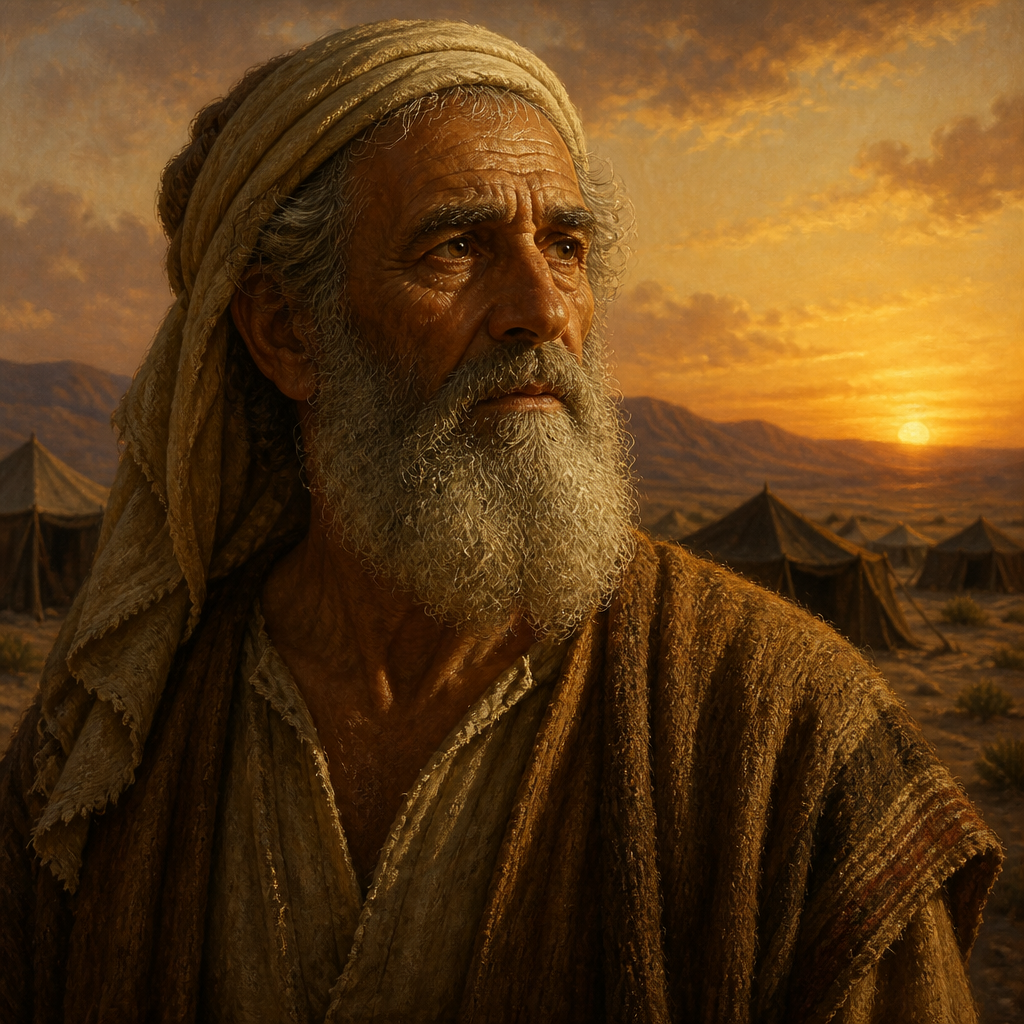 Michael, Father of SethurThis page
Children
 SethurSonNumbers 13:13Stated
Connected Figures
Family
Son · Numbers 13:13
A tribal leader from the tribe of Asher who was selected by Moses to scout the land of Canaan during the Israelite wilderness journey.
Categories
Mentions by Book
- Numbers1
Scripture References
All 1 indexed verse, in canonical order, from the Berean Standard Bible.
Numbers · 1
- Numbers 13:13
from the tribe of Asher, Sethur son of Michael;
Others Named Michael
Compare all 11 bearers →Michael, Son of Izrahiah1 Chronicles 7:3
A tribal chief of Issachar during the Egypt and Wilderness era, noted for his leadership and membership in a family of five renowned heads of households.
Michael, Levite of the United Monarchy1 Chronicles 6:40
A Levite of the Kohathite line during the United Monarchy who served in the ancestry of the temple singer Asaph.
Michael, Son of Abihail1 Chronicles 5:13
A prominent kinsman and head of a family within the tribe of Gad during the era of the Divided Monarchy.
Michael, Son of Jehoshaphat2 Chronicles 21:2
A prince of Judah and son of King Jehoshaphat who was tragically murdered by his brother Jehoram during a royal purge.
Michael, Son of Jeshishai1 Chronicles 5:14
A descendant of Gad and the son of Jeshishai, Michael is recorded in the genealogical records of the Transjordan tribes during the era of the Divided Monarchy.
Michael, Father of ZebadiahEzra 8:8
Michael was a descendant of Shephatiah whose son, Zebadiah, led a group of eighty men during the second wave of the Jewish return from Babylonian exile under Ezra.
Michael, the Chief PrinceDaniel 10:13
A celestial prince and archangel who serves as the spiritual guardian of Israel and leader of the heavenly armies against spiritual forces.
Michael, Son of Beriah1 Chronicles 8:16
A member of the tribe of Benjamin and son of Beriah, Michael was a family head recorded in the genealogical registers of the Divided Monarchy.
Michael, Manassite Chief of Thousands1 Chronicles 12:20
A high-ranking military leader from the tribe of Manasseh who defected from King Saul to join David at Ziklag.
Michael, Father of Omri1 Chronicles 27:18
Served as a tribal leader under King David.