Sethur
Who was Sethur in the Bible?
A tribal leader from the tribe of Asher who was selected by Moses to scout the land of Canaan during the Israelite wilderness journey.
Sethur, the son of Michael, was a prominent figure within the tribe of Asher during the pivotal period of the Exodus. As a leader of his people, he was chosen for a mission of immense national and spiritual consequence: the reconnaissance of the Promised Land. His name, which may be derived from a Hebrew root meaning 'hidden' or 'concealed,' appears within the formal census of the twelve spies commissioned by Moses at Kadesh Barnea.
While his individual actions are not detailed beyond his selection, Sethur’s inclusion in the narrative serves as a record of the tribal representation required for the conquest of Canaan. He represents the leadership of Asher at a time when the Israelites stood on the threshold of their ancestral inheritance, yet faced the internal crisis of faith that would ultimately result in their forty-year wandering in the wilderness.
Background and Family
Sethur is identified in the biblical record as the son of Michael. He belonged to the tribe of Asher, one of the northern tribes of Israel descended from the second son of Jacob and Zilpah. In the social structure of the Israelites during the wilderness period, Sethur held the status of a "head" or "leader" (Hebrew: rosh) among his people. The biblical text in Numbers 13 specifies that the men chosen for the reconnaissance mission were all "heads of the children of Israel," indicating that Sethur was a man of significant social standing, authority, and likely proven courage within the Asherite community.
Major Life Events
The defining event of Sethur’s life, as recorded in the Pentateuch, is his appointment as one of the twelve spies. Following the command of God to Moses, one man was selected from each of the twelve ancestral tribes to "spy out the land of Canaan" (Numbers 13:2). Sethur was the chosen representative for Asher.
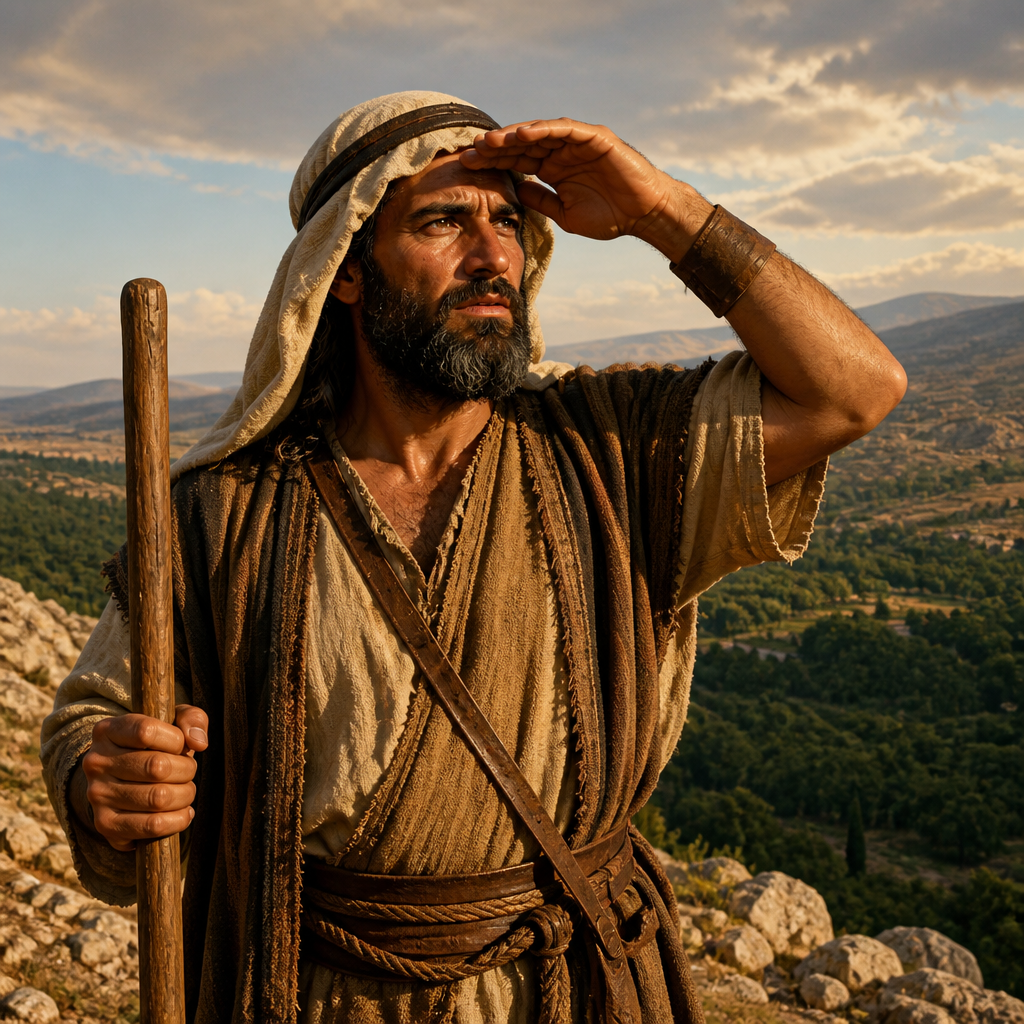
Along with his companions, including notable figures like Joshua and Caleb, Sethur journeyed from the Desert of Paran into the hill country of Canaan. The mission lasted forty days and covered the territory from the Desert of Zin as far as Rehob. The spies were tasked with evaluating the quality of the land, the strength of the inhabitants, and the fortification of their cities. As part of this group, Sethur would have witnessed the fertility of the Valley of Eshkol and the formidable presence of the Anakites.
Relationship to Other Biblical Figures
Sethur’s primary recorded relationship is his patrilineal connection to his father, Michael. In the broader narrative, he operated under the direct command of Moses and served alongside the representatives of the other eleven tribes. While the text does not record Sethur’s personal words, he is grouped with the majority of the spies who returned with a report that discouraged the congregation. Unless he was Joshua or Caleb—who are specifically exempted from the general rebellion—Sethur is implicitly associated with the ten spies who brought back an "evil report," causing the Israelites to murmur against Moses and Aaron.
Spiritual Significance
The spiritual significance of Sethur lies in his role as a representative of tribal leadership during a moment of profound testing. The mission of the spies was intended to be a precursor to a faith-led conquest; however, it became a catalyst for national apostasy. Sethur’s inclusion in the list in Numbers 13:13 stands as a historical witness to the fact that every tribe was given the opportunity to see the goodness of the land God had promised. His legacy is tied to the collective failure of the first generation of the Exodus to trust in divine providence, serving as a sobering reminder of the responsibilities inherent in spiritual and civil leadership.
Sethur serves as a representative of the tribe of Asher during the critical reconnaissance of Canaan. His presence in the biblical text ensures that the record of the twelve spies is complete, demonstrating that the decision to scout the land involved the full leadership of all Israelite tribes. Theologically, he represents the human element of leadership that is susceptible to fear and doubt despite witnessing God's provision.
His role is primarily found in the context of the 'Spies' Narrative,' a turning point in Israelite history. By documenting his name and lineage, the Bible emphasizes the individual accountability of tribal leaders in the collective decision-making process that led to the wilderness wandering. Sethur's life, though briefly mentioned, is a testament to the high stakes of faith during the transition from Egyptian bondage to the Promised Land.
Frequently Asked Questions
Which tribe did Sethur belong to?
Sethur was a member and leader of the tribe of Asher.
Who was Sethur's father?
According to Numbers 13:13, Sethur was the son of Michael.
What was Sethur's role in the Bible?
He was one of the twelve spies sent by Moses from Kadesh Barnea to explore the land of Canaan.
How many times is Sethur mentioned in the Bible?
Sethur is mentioned once in the Bible, specifically in Numbers 13:13.
Family & Relationships
Parents
 Michael, Father of SethurFatherNumbers 13:13Stated
 SethurThis page
Connected Figures
Family
Father · Numbers 13:13
A member of the tribe of Asher and the father of Sethur, one of the twelve scouts sent by Moses to explore the land of Canaan.
Categories
Mentions by Book
- Numbers1
Scripture References
All 1 indexed verse, in canonical order, from the Berean Standard Bible.
Numbers · 1
- Numbers 13:13
from the tribe of Asher, Sethur son of Michael;