Joram, Son of Ahab and King of Israel
Joram was the ninth king of the northern kingdom of Israel, a son of Ahab and Jezebel, whose reign ended the Omride dynasty during Jehu's bloody coup.
Joram (also appearing in some manuscripts as Jehoram) served as the King of Israel during the mid-9th century BC. He was a member of the powerful Omride dynasty, the son of the infamous King Ahab and Queen Jezebel. He ascended to the throne of Samaria following the death of his brother, Ahaziah, who died without a male heir. His reign, lasting approximately twelve years, was characterized by ongoing military conflicts with the neighboring Arameans and a complex relationship with the southern kingdom of Judah.
While the biblical record notes that Joram was not as wicked as his parents, specifically citing that he removed the sacred stone of Baal that his father had made, he nevertheless remained under the shadow of his family's spiritual legacy. His life ended violently at the hands of Jehu, an event framed by the biblical narrative as the divine fulfillment of judgment against the house of Ahab for the judicial murder of Naboth and the propagation of idolatry in Israel.
Background and Family
Joram was born into the most politically influential yet spiritually controversial family in the history of the northern kingdom. As the son of King Ahab and Jezebel, his upbringing was defined by the synthesis of Israelite power and Phoenician paganism. His siblings included Ahaziah, who preceded him on the throne, and Athaliah, who became the queen of Judah through her marriage to Jehoram of Judah.
He ascended to power in the eighteenth year of King Jehoshaphat’s reign in Judah (2 Kings 3:1). The biblical record specifies that he was the brother of the childless Ahaziah, which necessitated his succession to maintain the Omride line. Despite his prestigious lineage, the biblical author of 2 Kings notes that while he "did evil in the eyes of the Lord," he was not to the same degree as his father or mother, as he took the step of removing the pillar of Baal. However, he did not fully depart from the sins of Jeroboam son of Nebat, who had originally led Israel into institutionalized calf-worship.
Major Life Events
The reign of Joram was dominated by the shifting geopolitics of the Levant, particularly the rising threat of the Arameans (Syrians) under King Hazael. Much of the biblical narrative concerning Joram focuses on the military defense of Israel’s borders. One of the definitive conflicts of his reign occurred at Ramoth-gilead, a strategic fortress that was a constant point of contention between Israel and Aram.
During this battle, Joram was wounded by the Aramean forces. He withdrew from the front lines to the city of Jezreel to recover from his injuries. While he was convalescing, his nephew, King Ahaziah of Judah, arrived to visit him. This period of recovery provided the window of opportunity for the commander of his army, Jehu, to execute a coup d'état. Jehu had been secretly anointed by a disciple of the prophet Elisha to eradicate the house of Ahab.
The Fall of Joram
The climax of Joram’s life occurred when the watchmen at Jezreel spotted Jehu’s troops approaching at a furious pace. Uncertain of the intent, Joram sent out messengers to ask if the party came in peace. When the messengers failed to return, Joram, still wounded, mounted his chariot and rode out with Ahaziah of Judah to meet Jehu personally.
They met, significantly, at the plot of ground that had belonged to Naboth the Jezreelite—the man Joram’s father and mother had murdered to seize his vineyard. When Joram asked, "Have you come in peace, Jehu?" Jehu responded by denouncing the witchcraft and idolatry of Jezebel. Realizing the treachery, Joram attempted to flee, shouting a warning to Ahaziah. However, Jehu drew his bow and shot Joram between the shoulders. The arrow pierced Joram’s heart, killing him instantly. In a final act of symbolic justice, Jehu ordered Joram’s body to be thrown onto Naboth’s field, citing the prophecy that Ahab’s bloodline would be repaid on that very ground.
Spiritual Significance
In the broader context of the Divided Monarchy, Joram represents the final chapter of the Omride dynasty. His reign serves as a study in partial reform; he removed the overt Baal worship of his father but failed to return the nation to the exclusive worship of Yahweh. His death marks the transition from the Omride era to the Jehu dynasty, a transition characterized by the violent purging of Phoenician religious influence from Israel. The account of his death emphasizes the biblical theme of divine retribution, illustrating that even the passage of time does not nullify the prophetic warnings issued against the house of Ahab by Elijah.
Spiritual Significance
Joram’s reign is significant as it marks the conclusion of the house of Ahab. His death at the hands of Jehu is presented as the fulfillment of the prophecy delivered by Elijah in 1 Kings 21, asserting that the crimes of Ahab and Jezebel would be visited upon their descendants. Economically and militarily, his reign showed a continued alliance between Israel and Judah, which ultimately proved disastrous for both houses during Jehu’s revolt.
Theologically, Joram stands as a middle-ground figure who attempted a degree of religious reformation by removing the pillar of Baal but lacked the conviction to fully restore the covenant. His life illustrates the biblical concept that half-hearted reform is insufficient to avert the systemic judgment invited by a legacy of state-sponsored idolatry and social injustice.
Frequently Asked Questions
How did Joram die?
Joram was killed by Jehu, the commander of his army. Jehu shot an arrow that pierced Joram's heart while the king was attempting to flee in his chariot near Jezreel.
Who were Joram’s parents?
Joram was the son of King Ahab of Israel and the infamous Queen Jezebel.
Where was Joram buried?
Joram was not given a royal burial in a tomb; instead, his body was thrown onto the field of Naboth the Jezreelite as a fulfillment of divine judgment.
Was Joram as wicked as his father Ahab?
The Bible states he did evil, but not to the extent of his parents, as he removed the sacred stone of Baal that his father had made.
Who succeeded Joram as King of Israel?
He was succeeded by Jehu, the man who assassinated him and destroyed the rest of Ahab's descendants.
Connected Figures
Ahab
Father
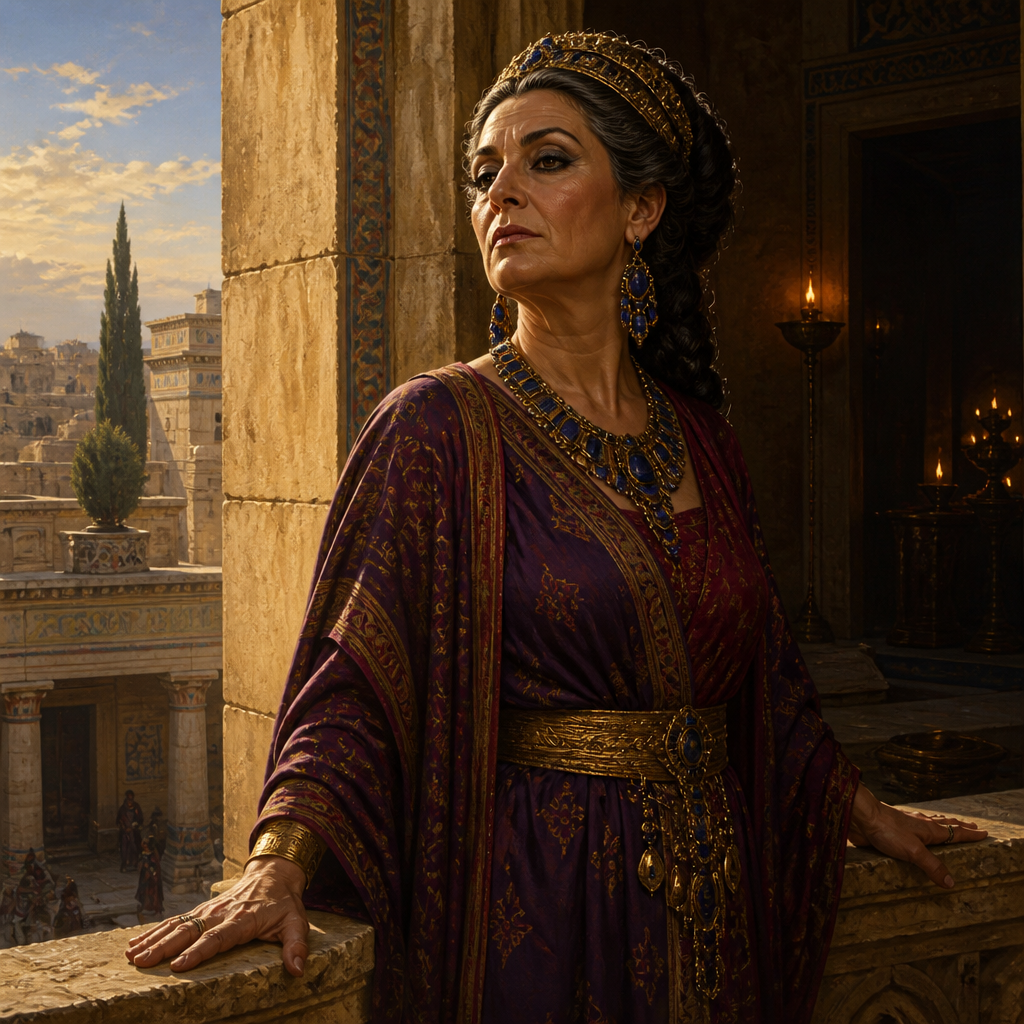
Jezebel
Mother
Ahaziah
Brother and Predecessor
Jehu
General and Successor (via Coup)
Ahaziah of Judah
Nephew and Ally
Categories
Mentions by Book
- 2 Kings16
- 2 Chronicles3
Family & Relationships
Sibling
2 Kings 1:17
Sibling
2 Kings 1:17
Sibling
2 Kings 1:17
Parent
1 Kings 16:28
Sibling
1 Kings 22:40
Sibling
2 Kings 8:26
Parent
1 Kings 16:31
Sibling
1 Kings 22:26
Others Named Joram
Joram, Levite of the Divided Monarchy1 Chronicles 26:25
A Levite during the era of the Divided Monarchy and a descendant of Moses through Eliezer.
Joram, Son of Toi2 Samuel 8:10
Joram was the son of King Toi of Hamath who was sent as an ambassador to King David to offer tribute and congratulations following David's victory over the Syrians.