Joah, Recorder to King Hezekiah
A high-ranking royal official and 'recorder' who served King Hezekiah during the Assyrian siege of Jerusalem in the 8th century BC.
Joah, son of Asaph, was a prominent Judean official during the reign of King Hezekiah. He held the prestigious office of 'recorder' (Hebrew: mazkir), a role that involved maintaining the official archives and advising the monarch on matters of state and history. Joah is recognized primarily for his diplomatic role during one of the most harrowing moments in the history of the Southern Kingdom: the siege of Jerusalem by the Assyrian forces under King Sennacherib around 701 BC.
Alongside Eliakim the palace administrator and Shebna the scribe, Joah functioned as a primary intermediary between the Davidic throne and the invading Assyrian military commanders. His presence in the biblical narrative is confined to the identical accounts found in 2 Kings and the book of the prophet Isaiah, where he is depicted as a faithful but distressed servant of the crown during a time of national crisis.
Background and Family
The biblical record identifies Joah as the "son of Asaph." While the name Asaph is well-known in the Old Testament as belonging to a famous Levite musician and psalmist from the era of David, the text does not explicitly link this Joah to that specific lineage. In the context of the Divided Monarchy, Joah’s father Asaph may have been a contemporary or a man of high standing whose name was common among the Judean elite. Joah’s tribal affiliation is not explicitly stated in the Masoretic Text, though his proximity to the temple and the Davidic court often leads scholars to place him within the tribe of Judah or the tribe of Levi.
Joah held the title of mazkir, translated as "recorder" or "remembrancer." This was not merely a clerical role but a significant cabinet-level position within the Judean bureaucracy. The recorder was responsible for keeping the king informed of state affairs, overseeing the official annals, and perhaps acting as a master of ceremonies or press secretary for the royal court.
Major Life Events
Joah’s historical footprint is defined by the Assyrian crisis of 701 BC. King Sennacherib of Assyria had swept through the Levant, capturing the fortified cities of Judah and eventually surrounding Jerusalem. The Assyrian king sent his supreme commander, the Rabshakeh, to demand the surrender of the city. King Hezekiah dispatched a three-man delegation to meet the Rabshakeh outside the city walls: Eliakim, Shebna, and Joah.
During this confrontation, the Rabshakeh delivered a psychological warfare speech intended to demoralize the defenders of Jerusalem. Joah and his colleagues attempted to mitigate the impact of this rhetoric by requesting that the Rabshakeh speak in Aramaic—the international language of diplomacy—rather than the common Hebrew tongue (Judean). They feared that the common soldiers and citizens listening from the city walls would be incited to panic by the Rabshakeh’s blasphemous and intimidating threats.
"Then Eliakim son of Hilkiah, along with Shebna and Joah, said to the Rabshakeh, 'Please speak to your servants in Aramaic, since we understand it. Do not speak with us in Hebrew in the hearing of the people on the wall.'" (2 Kings 18:26)
The Rabshakeh refused their request, instead amplifying his voice and directing his insults toward Hezekiah and the God of Israel. The delegation remained silent in response, adhering to Hezekiah's command not to answer the provocations. Following the encounter, Joah and his fellow officials returned to King Hezekiah with their clothes torn—a traditional Near Eastern sign of deep mourning and spiritual distress—to report the Assyrian's ultimatum.
Relationship to Other Biblical Figures
Joah is consistently grouped with two other figures: Eliakim the palace administrator and Shebna the scribe. These three men formed a triumvirate of Hezekiah’s most trusted advisors. It is noteworthy that while Shebna had previously been demoted (according to Isaiah 22), Joah maintained his standing as the recorder.
His primary relationship was one of service to King Hezekiah. By accompanying Eliakim and Shebna, Joah acted as the official witness to the events, ensuring that the king received an accurate account of the threats made against the kingdom. He also shared a brief but intense interaction with the Rabshakeh, representing the dignity of the Judean state against the arrogance of the Assyrian empire.
Spiritual Significance
Though Joah does not speak independently of his colleagues, his participation in the tearing of garments (2 Kings 18:37) signifies his alignment with the spiritual posture of the king. The act represented more than just fear of military defeat; it was a response to the Rabshakeh’s blasphemy against Yahweh. Joah’s role highlights the intersection of political duty and religious fidelity. He stood as a witness to the moment where human diplomacy failed, forcing the nation to rely entirely on divine intervention, which eventually came when the angel of the Lord struck down the Assyrian camp.
Spiritual Significance
Joah represents the administrative class of the Divided Monarchy who remained loyal to the Davidic line during times of extreme pressure. His role as the 'recorder' underscores the importance of history and documentation in the biblical narrative, as he was responsible for the very annals that would later inform the books of Kings. Theologically, his presence at the walls of Jerusalem serves as a testament to the vulnerability of even the highest officials when confronted with the overwhelming power of worldly empires, pointing toward the necessity of faith over political maneuvering.
His inclusion in both the historical narrative of 2 Kings and the prophetic account of Isaiah emphasizes the historical reality of the Assyrian siege. By recording Joah’s specific name and lineage, the biblical authors ground the miraculous deliverance of Jerusalem in a concrete historical setting, populated by real individuals who felt the weight of the crisis.
Frequently Asked Questions
What was the role of a 'recorder' in ancient Judah?
The recorder (mazkir) was a high-ranking official responsible for the king's archives, state documents, and managing the royal schedule. They acted as a primary advisor and a link between the king and the public record.
Why did Joah ask the Rabshakeh to speak in Aramaic?
Joah and the other officials wanted to prevent the Judean soldiers and civilians on the walls from hearing the Assyrian threats and propaganda, which were intended to cause fear and surrender.
Who was Joah's father?
The Bible identifies his father as Asaph. While he shares a name with the famous Levite musician from David's time, there is no direct evidence they are the same person or that this Asaph was the famous psalmist.
In which books of the Bible does this Joah appear?
This specific Joah appears in 2 Kings 18 and Isaiah 36.
What happened to Joah after the Assyrian siege?
The Bible does not record the later life or death of Joah. After he reports the Rabshakeh's words to King Hezekiah, he disappears from the biblical narrative.
Connected Figures
Hezekiah
King and Superior
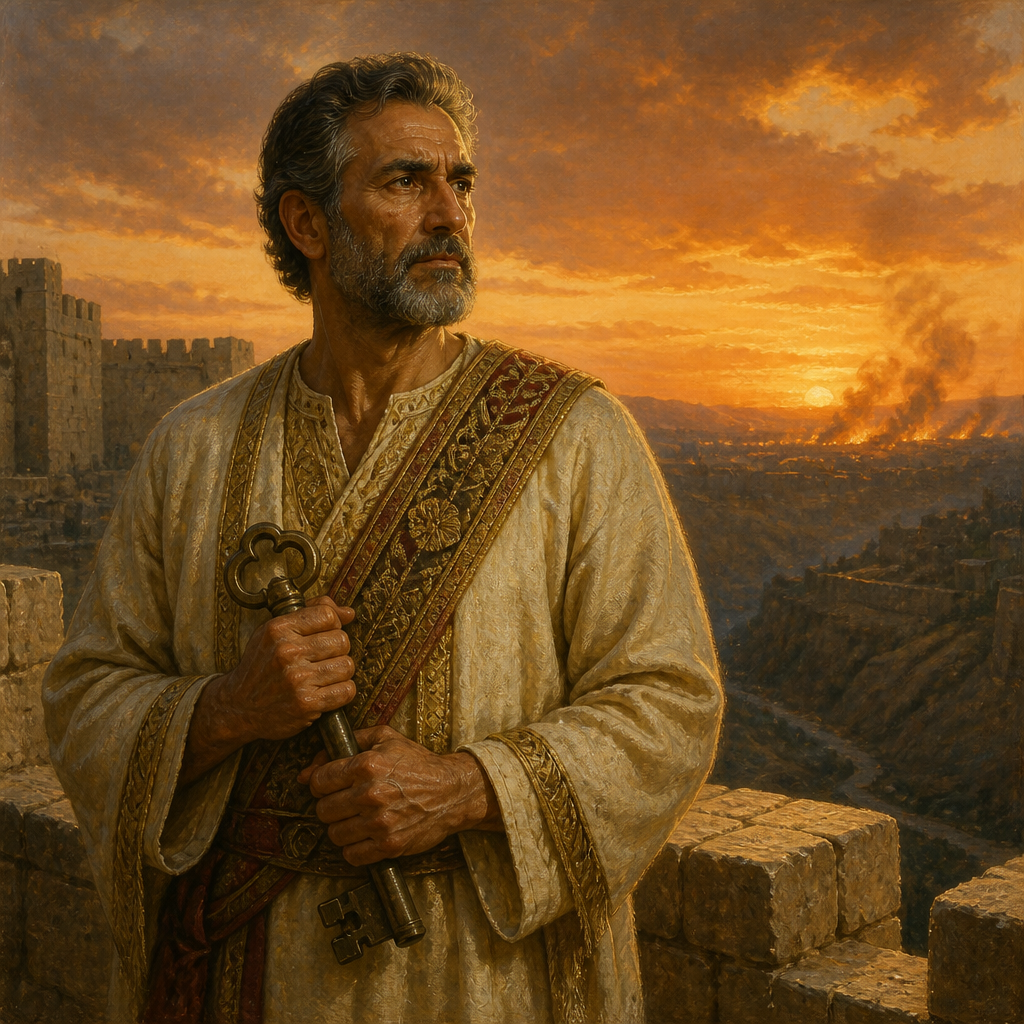
Eliakim son of Hilkiah
Colleague/Palace Administrator
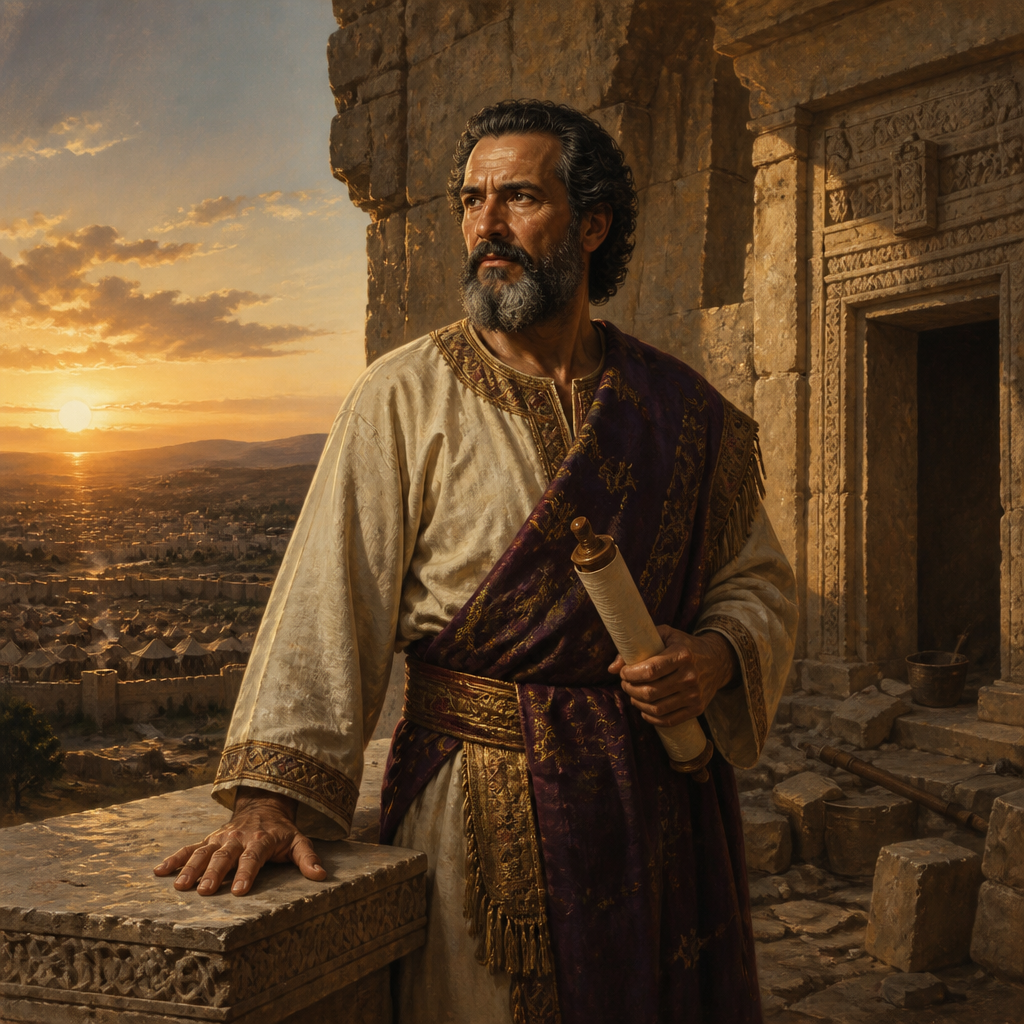
Shebna
Colleague/Scribe
Asaph
Father
Categories
Mentions by Book
- 2 Kings3
- Isaiah3
Family & Relationships
Parent
Asaph, Father of Joah the Recorder
2 Kings 18:18
Others Named Joah
Joah, Recorder to King Josiah2 Chronicles 34:8
A high-ranking royal official and 'recorder' who served King Josiah during the 7th-century BC reforms and the restoration of the Temple in Jerusalem.
Joah, Son of Obed-edom1 Chronicles 26:4
A Levite gatekeeper and the third son of Obed-edom, appointed to service during the United Monarchy under King David.
Joah, Son of Zimmah1 Chronicles 6:21
A Levite of the Gershonite line during the Divided Monarchy, recorded in the ancestral genealogies of 1 Chronicles.
Joah, Son of Zimmah and Father of Eden2 Chronicles 29:12
A Gershonite Levite during the Divided Monarchy who assisted in the sanctification of the temple under King Hezekiah.
Joah, Parent of Eden son of Joah2 Chronicles 29:12
A Gershonite Levite during the Divided Monarchy who is identified in the biblical record as the parent of Eden.