Joah, Son of Zimmah
Who was Joah, Son of Zimmah, in the Bible?
A Levite of the Gershonite line during the Divided Monarchy, recorded in the ancestral genealogies of 1 Chronicles.
This is one of 5 people named Joah in the Bible. See all 5 →
Joah, son of Zimmah, was a member of the Tribe of Levi who lived during the period of the Divided Monarchy. He belonged specifically to the Gershonite branch of the Levites, one of the three major divisions of the priestly tribe responsible for various duties surrounding the tabernacle and, later, the Temple in Jerusalem.
Though his presence in the biblical narrative is brief, Joah serves as a vital link in the genealogical records maintained by the chronicler. His lineage underscores the continuity of the Levitical service and the preservation of the holy lines during a turbulent era of Israel's history. His inclusion in these lists confirms his status as a legitimate minister of the sanctuary.
Background and Family
Joah is identified in the genealogical records of the Tribe of Levi found in 1 Chronicles 6. According to the text, he was the son of Zimmah and the father of Iddo (1 Chronicles 6:21). He was a descendant of Gershom (also known as Gershon), the firstborn son of Levi.
The genealogy provided in 1 Chronicles 6:21 places Joah within a specific lineage: "Joah his son, Iddo his son, Zerah his son, and Jeatherai his son." This indicates a direct succession of Levites who were tasked with maintaining the spiritual life of the nation. Later in the same chapter, verse 42 reinforces this connection, mentioning Ethan as a descendant of Joah through Zimmah and Shimei.
Major Life Events
The biblical record for Joah is restricted to his appearance in the priestly genealogies. There are no specific narrative events, speeches, or distinct actions attributed to him. In the context of the Divided Monarchy, Levites like Joah were essential for the upkeep of the religious infrastructure in Jerusalem, especially during the reforms and religious fluctuations that characterized the reigns of the various kings of Judah.
His role, though not detailed, would have been defined by his Gershonite heritage. Traditionally, Gershonites were responsible for the coverings, curtains, and hangings of the sanctuary. By the time of the Divided Monarchy, their roles had expanded to include musical ministry and treasury oversight within the Temple complex.
Relationship to Other Biblical Figures
Joah’s primary significance in the text is his relationship to his father, Zimmah, and his son, Iddo. These relationships provide the necessary framework for the Levites to claim their heritage and right to serve. By identifying Joah as the son of Zimmah, the chronicler connects him to the broader family of Shimei and Ethan (1 Chronicles 6:42). These familial ties were not merely social but legal and religious requirements for those serving in the presence of the Lord.
Spiritual Significance
The presence of Joah in the biblical text highlights the importance of faithfulness in the "unseen" roles of ministry. While the Bible often focuses on kings and prophets, the preservation of names like Joah demonstrates that every link in the chain of service was known to God and valued by the community. As a Levite during the Divided Monarchy, Joah represented the endurance of the covenantal order even when the political state of Israel was fractured. His life represents the quiet, steady maintenance of the worship of Yahweh through generations of transition.
Joah's significance lies in his contribution to the genealogical integrity of the Levitical priesthood. During the Divided Monarchy, keeping precise records was essential for distinguishing the true ministers of God from those who might seek to usurp the office. By being recorded in 1 Chronicles, Joah is immortalized as a faithful steward of the Gershonite legacy, ensuring that the service of the Lord continued without interruption through his son Iddo.
Theologically, Joah serves as a reminder that God values the lineage of those who serve Him. In the grand narrative of Scripture, the detailed genealogies point toward the meticulous planning of God in preserving a people for Himself, eventually leading to the fulfillment of the priestly and kingly offices in the Messiah.
Frequently Asked Questions
Which tribe did Joah belong to?
Joah belonged to the Tribe of Levi, specifically the Gershonite branch.
Who was Joah's father?
According to 1 Chronicles 6:21, Joah was the son of Zimmah.
What era did Joah live in?
Joah lived during the period of the Divided Monarchy.
Who was Joah's son?
Joah was the father of Iddo, who continued the Levitical line.
Where is Joah mentioned in the Bible?
He is mentioned twice in the book of 1 Chronicles, specifically in 1 Chronicles 6:21 and 1 Chronicles 6:42.
Family & Relationships
Parents
 Zimmah, Gershonite Levite of the Ancestral LineFather1 Chronicles 6:20–21Stated
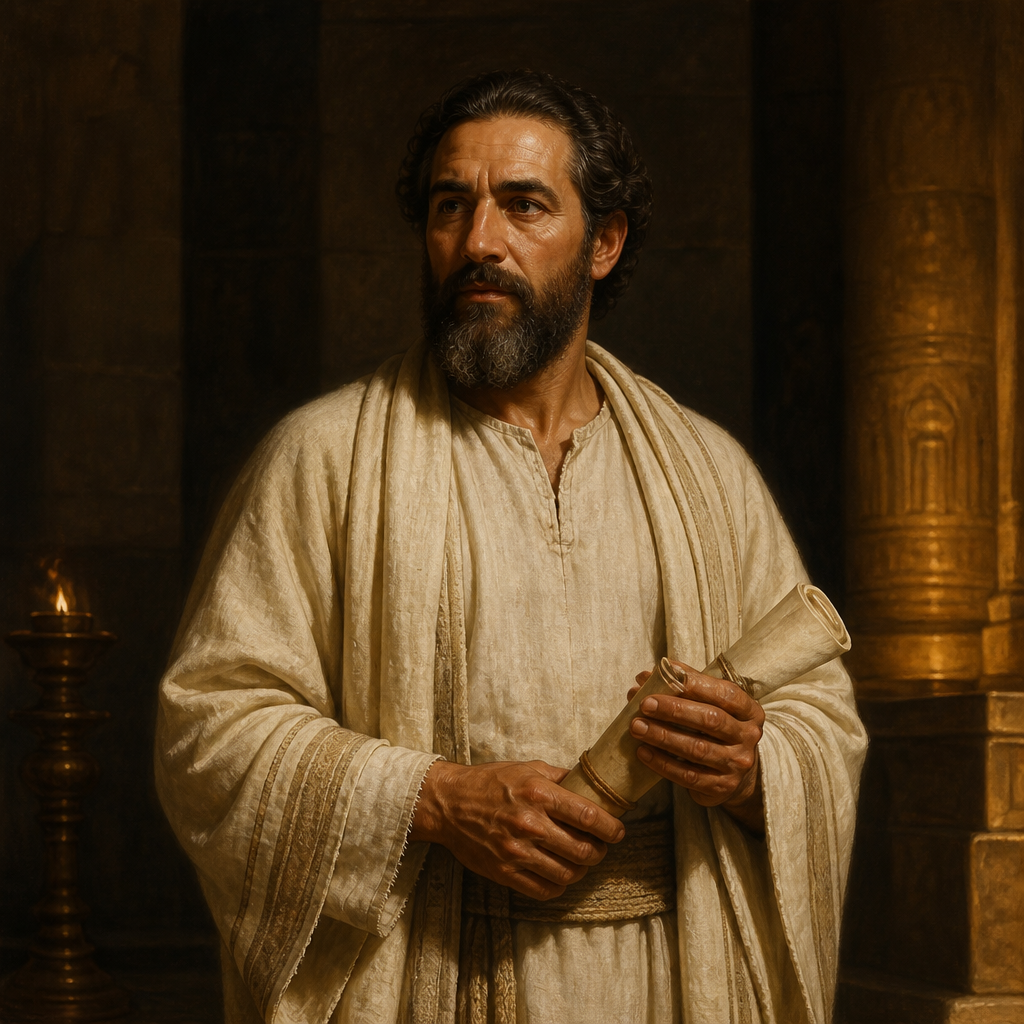 Joah, Son of ZimmahThis page
Children
 Iddo, Levite of the Ancestral LineSon1 Chronicles 6:21Stated
Connected Figures
Family
Father · 1 Chronicles 6:20–21
A Levite of the Gershomite line whose genealogy recorded in 1 Chronicles highlights the continuity of the priestly service during the Egypt and Wilderness era.
Egypt and WildernessFirst: 1 Chronicles 6:204 versesLeviteLevi
Son · 1 Chronicles 6:21
A Levite of the Gershonite line who served as a link in the ancestral genealogy of the temple servants.
Conquest and JudgesFirst: 1 Chronicles 6:212 versesLeviteLevi
Categories
Mentions by Book
- 1 Chronicles3
Scripture References
All 3 indexed verses, in canonical order, from the Berean Standard Bible.
1 Chronicles · 3
- 1 Chronicles 6:20Partial
Of Gershom: Libni his son, Jahath his son, Zimmah his son,
Cited as evidence on a family card; added so References, Key Verses and Mentions by Book share one index.
- 1 Chronicles 6:21
Joah his son, Iddo his son, Zerah his son, and Jeatherai his son.
- 1 Chronicles 6:42
the son of Ethan, the son of Zimmah, the son of Shimei,
Others Named Joah
Compare all 5 bearers →Joah, Recorder to King Josiah2 Chronicles 34:8
A high-ranking royal official and 'recorder' who served King Josiah during the 7th-century BC reforms and the restoration of the Temple in Jerusalem.
Joah, Son of Obed-edom1 Chronicles 26:4
A Levite gatekeeper and the third son of Obed-edom, appointed to service during the United Monarchy under King David.
Joah, Son of Zimmah and Father of Eden2 Chronicles 29:12
A Gershonite Levite during the Divided Monarchy who assisted in the sanctification of the temple under King Hezekiah.
Joah, Recorder to King Hezekiah2 Kings 18:18
A high-ranking royal official and 'recorder' who served King Hezekiah during the Assyrian siege of Jerusalem in the 8th century BC.