Zebah
One of the two kings of Midian during the era of the Judges who led a massive invasion of Israel before being captured and executed by Gideon.
Zebah was a prominent king of the Midianites who reigned during the chaotic Period of the Judges. He is consistently identified alongside Zalmunna, another Midianite monarch, as a leader of the nomadic confederation that oppressed the Israelites for seven years. The name Zebah is derived from a Hebrew root meaning 'sacrifice' or 'slaughter,' a nomenclature that perhaps foreshadowed his violent end at the hands of Israel’s deliverer, Gideon. Zebah’s forces were part of a vast coalition described as 'the people of the east,' which included the Amalekites and other desert tribes.
The biblical record focuses almost exclusively on the final campaign against Zebah. His military career was marked by a devastating scorched-earth policy toward Israelite agriculture, leading to widespread famine and hiding in caves among the Hebrews. His eventual defeat and execution represent a turning point in the Book of Judges, marking the definitive end of Midianite hegemony over the central tribes of Israel. Despite his status as a king, he is portrayed in the text as a fugitive who ultimately meets his fate due to his previous acts of violence against Gideon’s own kin.
Background and Family
The historical background of Zebah is rooted in the nomadic traditions of the Midianites, a people inhabiting the Sinai and northwestern Arabian peninsula. While the biblical text provides no specific genealogy for Zebah, he is elevated to the rank of 'king' (melek), distinguishing him from the 'princes' or 'nobles' (sarim) mentioned earlier in the narrative. This suggests that Zebah held a position of high authority within the Midianite tribal structure. He operated in tandem with Zalmunna, and the two are almost always mentioned together, suggesting a shared leadership or a coalition of two dominant clans.
Zebah’s era was characterized by the seasonal encroachment of Midianite raiders into the heart of Canaan. These groups would cross the Jordan during harvest time, destroying crops and seizing livestock. By the time Zebah appears in the narrative, he is leading a massive host of 135,000 men, a force that had successfully intimidated the Israelites for nearly a decade until the rise of Gideon.
Major Life Events
The Retreat to Karkor
Following the miraculous night-time panic in the Valley of Jezreel caused by Gideon’s three hundred men, the Midianite coalition collapsed. Zebah and Zalmunna managed to escape the initial slaughter, fleeing eastward across the Jordan River. The biblical account in Judges 8:10 locates them in a place called Karkor. By this stage, their once-vast army of 120,000 swordsmen had been decimated, leaving them with a remnant of 15,000 soldiers. Despite the reduction in force, they remained a significant threat, believing they had reached a safe distance from the Israelite pursuit.
Pursuit and Capture
Gideon, driven by both national duty and personal vengeance, continued his pursuit despite the exhaustion of his troops. Zebah’s presence became a point of contention between Gideon and the leaders of Succoth and Penuel. These Israelite cities refused to provide bread to Gideon’s men, fearing that Zebah and Zalmunna were still too powerful and might return to punish them for aiding the resistance. However, Gideon bypasses the traditional routes, taking 'the way of the tent dwellers' to the east of Nobah and Jogbehah. He launched a surprise attack on the camp at Karkor while the Midianite army felt secure. In the ensuing rout, Zebah and Zalmunna fled but were eventually overtaken and captured alive.
Confrontation and Execution
The climax of Zebah’s life occurs when he is brought as a prisoner before Gideon. In a revealing exchange, Gideon asks what kind of men they had killed at Mount Tabor. Zebah and Zalmunna admit to the killings, describing the victims as looking like Gideon, 'each one resembling the son of a king' (Judges 8:18). This confession confirms that the kings had personally participated in the execution of Gideon’s brothers.
Initially, Gideon ordered his young son, Jether, to execute the kings to bring them shame. However, Zebah and Zalmunna, maintaining a vestige of royal pride, requested that Gideon perform the execution himself, stating, 'as the man is, so is his strength' (Judges 8:21). Gideon complied, killing them both and seizing the golden crescent ornaments from their camels. This act signified the total stripping of their royal dignity and the end of the Midianite threat.
Relationship to Other Biblical Figures
Zebah’s primary relationship in the text is his partnership with Zalmunna. The two kings are inseparable in the narrative, acting as joint commanders of the Midianite forces. His primary antagonist is Gideon (Jerubbaal), who transitions from a fearful farmer to a relentless pursuer of the Midianite royalty. The text also links Zebah to the tragic fate of Gideon's brothers, whom Zebah admitted to murdering at Tabor. Finally, his name is grouped in later poetic tradition (Psalm 83:11) with Oreb and Zeeb, the two Midianite princes who were executed by the Ephraimites, collectively representing the four defeated leaders of the great Midianite oppression.
Spiritual Significance
The fall of Zebah is treated in Scripture as a supreme example of divine judgment upon the enemies of God’s people. The capture of the two kings is not portrayed merely as a military victory, but as a fulfillment of God’s promise to deliver Israel from oppression. In Psalm 83, the writer uses Zebah and Zalmunna as archetypes for the desired fate of all who plot against Israel, praying that God would 'make their princes like Zebah and Zalmunna.'
Theoretically, Zebah represents the arrogance of earthly power that refuses to acknowledge the sovereignty of the God of Israel. His demand to be killed by a 'strong man' like Gideon rather than a boy shows a preoccupation with worldly honor even at the moment of death. His execution serves as a historical reminder of the shift from the Period of the Judges toward a time when Israel would no longer be trampled by the 'people of the east.'
Spiritual Significance
Zebah serves as a significant historical marker in the Old Testament for the definitive breaking of Midianite power. His capture and execution by Gideon resolved not only a national crisis but also a personal blood feud, as Zebah had participated in the killing of Gideon's brothers at Tabor. This duality of national and personal justice is a hallmark of the narrative in Judges.
Theologically, Zebah is remembered in the Psalms as a symbol of the ultimate defeat of those who oppose God's purposes. By being named alongside Zalmunna, Oreb, and Zeeb, he becomes part of a four-fold representation of defeated pagan authority. The removal of the 'crescent ornaments' from his camels following his death further signifies the triumph of Yahweh over the astral or nomadic deities associated with the Midianite culture.
Frequently Asked Questions
What does the name Zebah mean?
The name Zebah (זֶ֫בַח) in Hebrew means 'sacrifice' or 'slaughter.'
Where was Zebah captured?
Zebah was captured after Gideon's surprise attack at Karkor, a location east of the Jordan River where the remnant of the Midianite army had fled.
Why did Gideon kill Zebah personally?
Zebah and Zalmunna challenged Gideon to kill them himself, arguing that a man's strength is equal to his stature. Additionally, Gideon was acting as a 'blood avenger' because Zebah had killed his brothers at Tabor.
How many men were in Zebah's army?
At the start of the campaign, the coalition had 135,000 men. By the time Zebah reached Karkor, only 15,000 remained.
What was taken from Zebah after his death?
Gideon took the crescent-shaped ornaments that were around the necks of Zebah's camels as trophies of victory.
Connected Figures
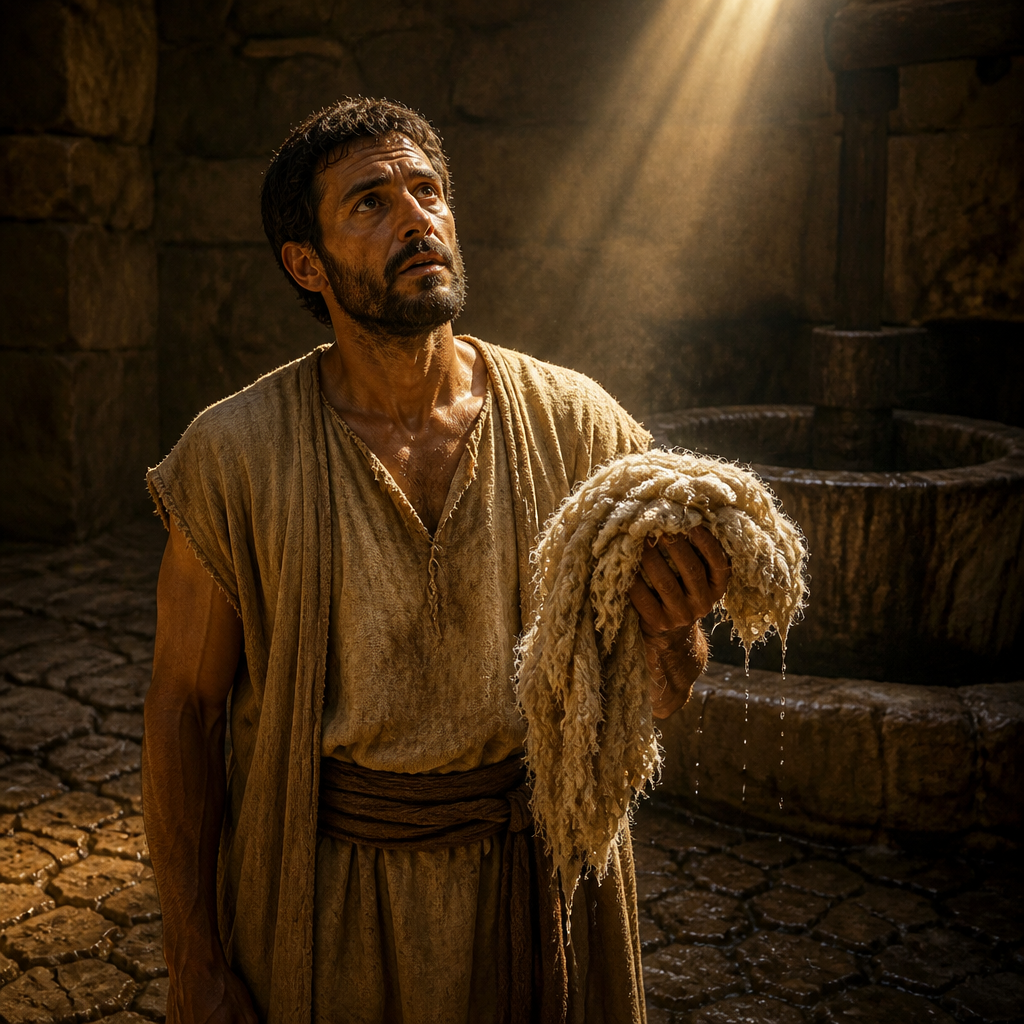
Gideon
Conqueror and executioner
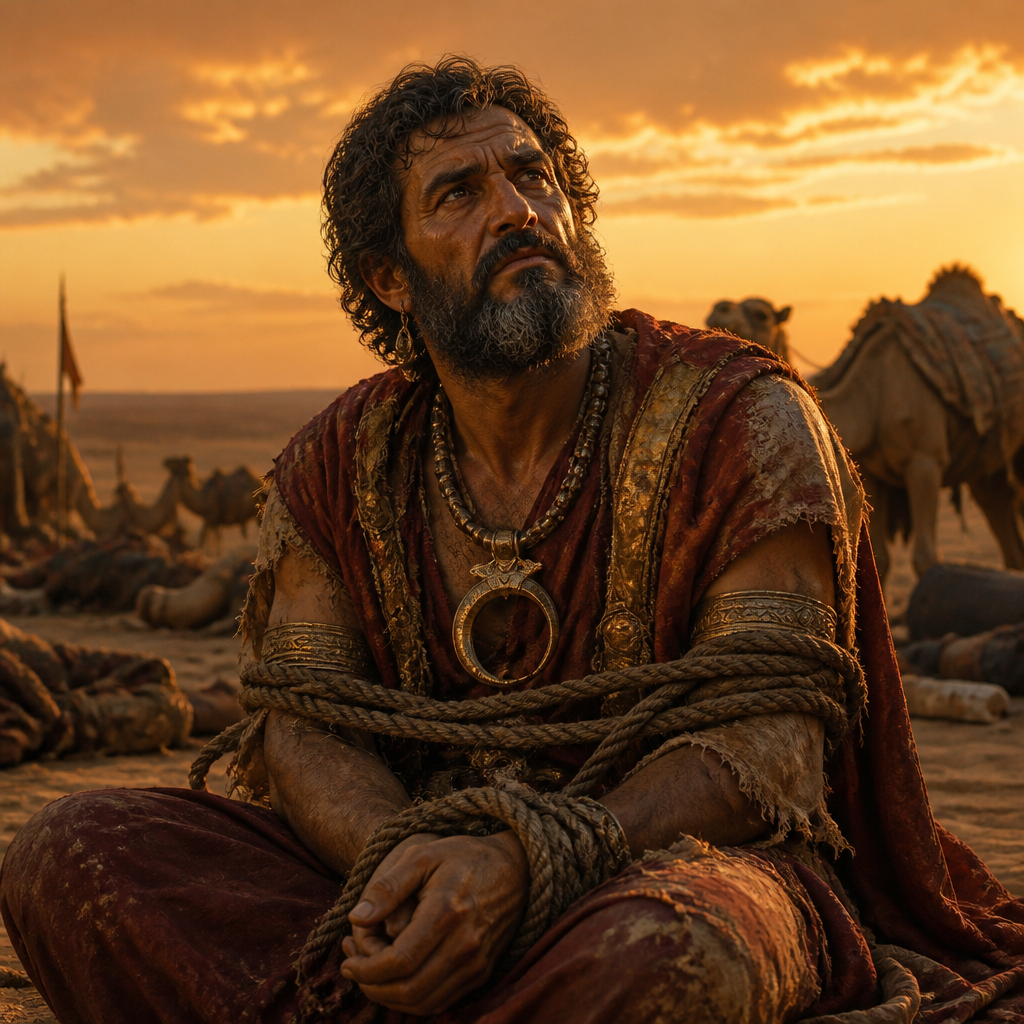
Zalmunna
Co-king of Midian
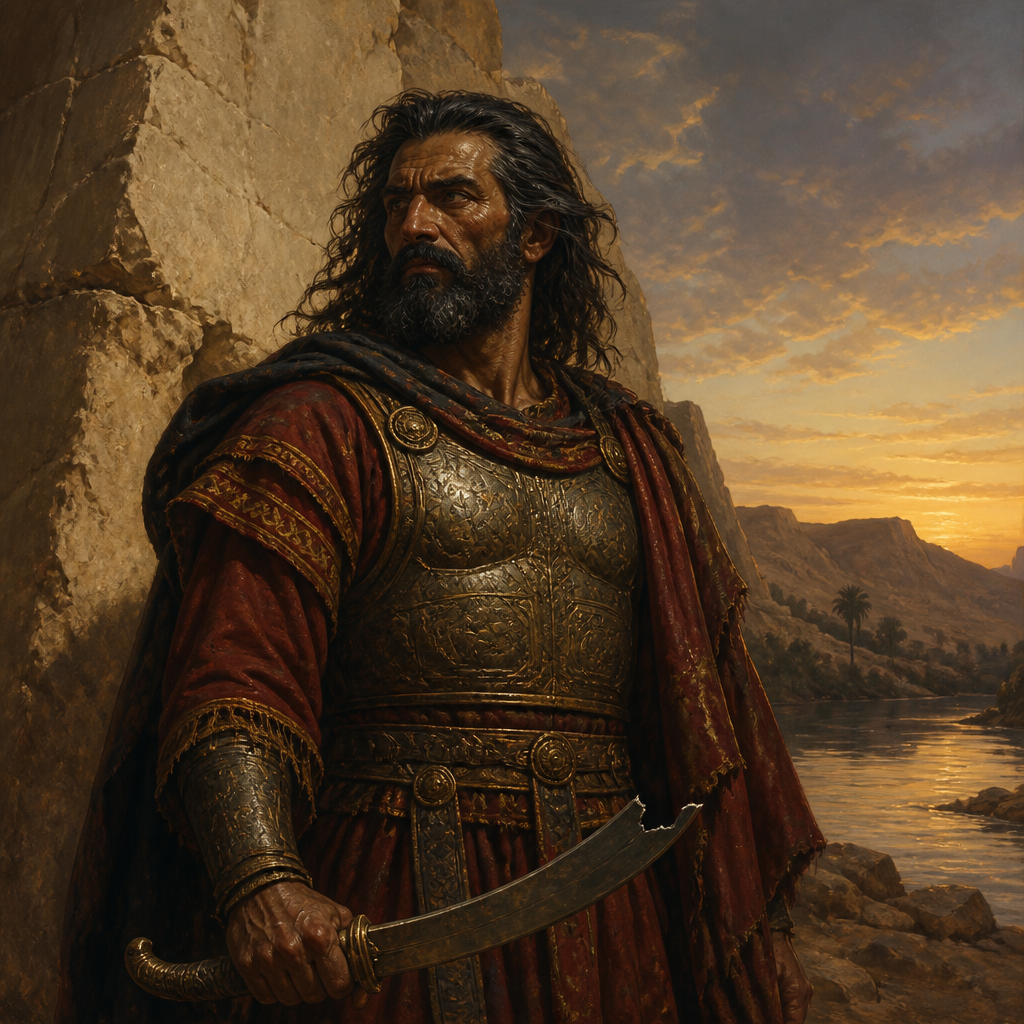
Oreb
Midianite prince (fellow leader)
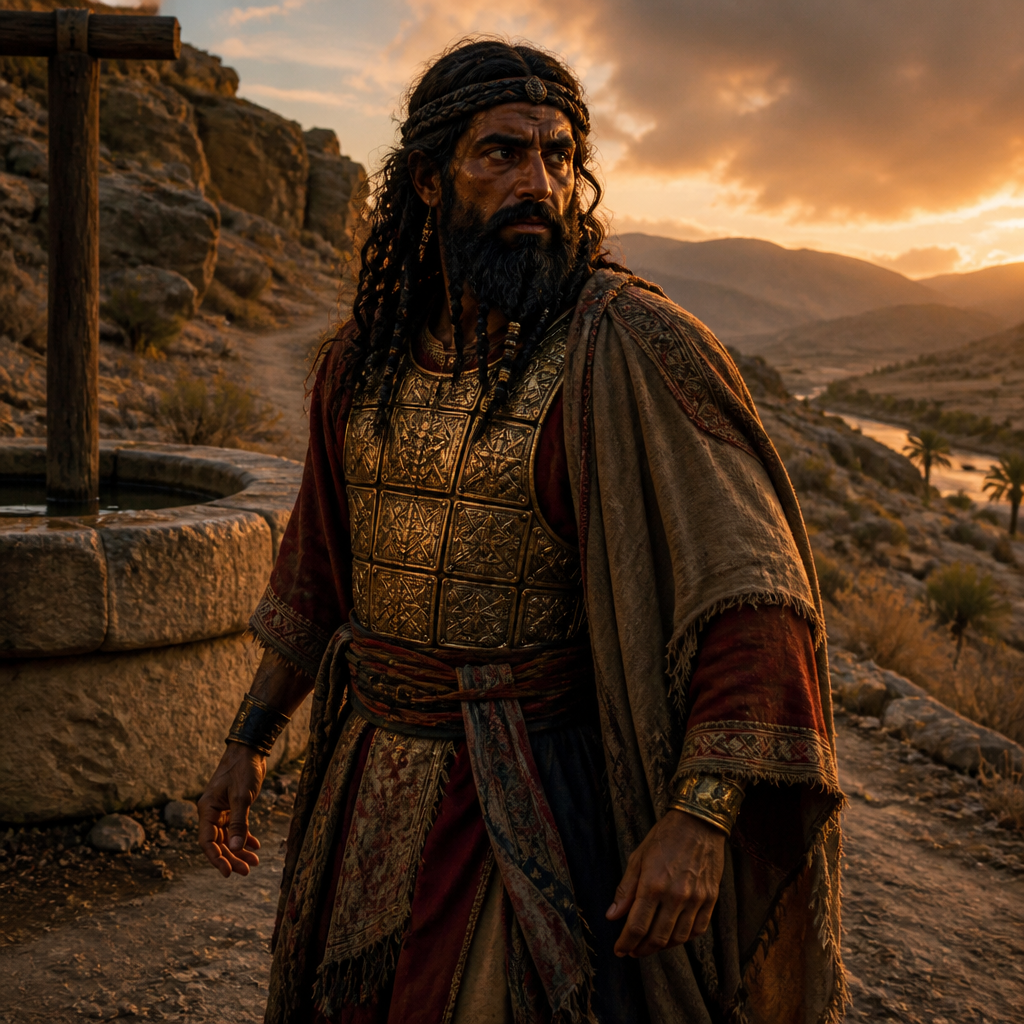
Zeeb
Midianite prince (fellow leader)