Every person who appears in the book of Jude, ordered by how often they are mentioned there.
The People of Jude appear in a brief letter written by Jude, who identifies himself as a servant of Jesus and a brother of James (Jude 1:1). The author addresses a community facing internal threats from individuals he describes as ungodly, using a series of historical and supernatural figures to illustrate the consequences of rebellion and the certainty of divine judgment. The text does not say the specific location of the recipients, but it frames the struggle as a defense of the faith delivered to the saints.
To illustrate the nature of those who have crept into the community, the text recalls several figures from the Hebrew scriptures and extra-biblical tradition. Cain is cited as an example of those who have gone the way of envy and murder (Jude 1:11). Balaam is mentioned for his error of pursuing profit through deception (Jude 1:11). Korah serves as a warning against those who perish in rebellion against established authority (Jude 1:11). The text also references a dispute between Michael, and the devil over the body of Moses noting that the archangel did not bring a slanderous accusation but left judgment to the Lord (Jude 1:9). Finally, the author cites Enoch described as the seventh from Adam, who prophesied that the Lord would come with thousands of his holy ones to execute judgment (Jude 1:14).
The letter concludes by shifting focus from these examples of judgment to the spiritual preservation of the believers. The author urges the community to remember the words spoken by the apostles of Jesus and to keep themselves in the love of God (Jude 1:17–21). By grounding the current crisis in the stories of figures like Adam and the rebellious generation of the Exodus, the book connects the immediate struggles of the early church to a long history of divine intervention. The narrative arc ends with a doxology to the only God, who is able to keep the faithful from stumbling and present them blameless before his glory (Jude 1:24–25).
Everyone in this list
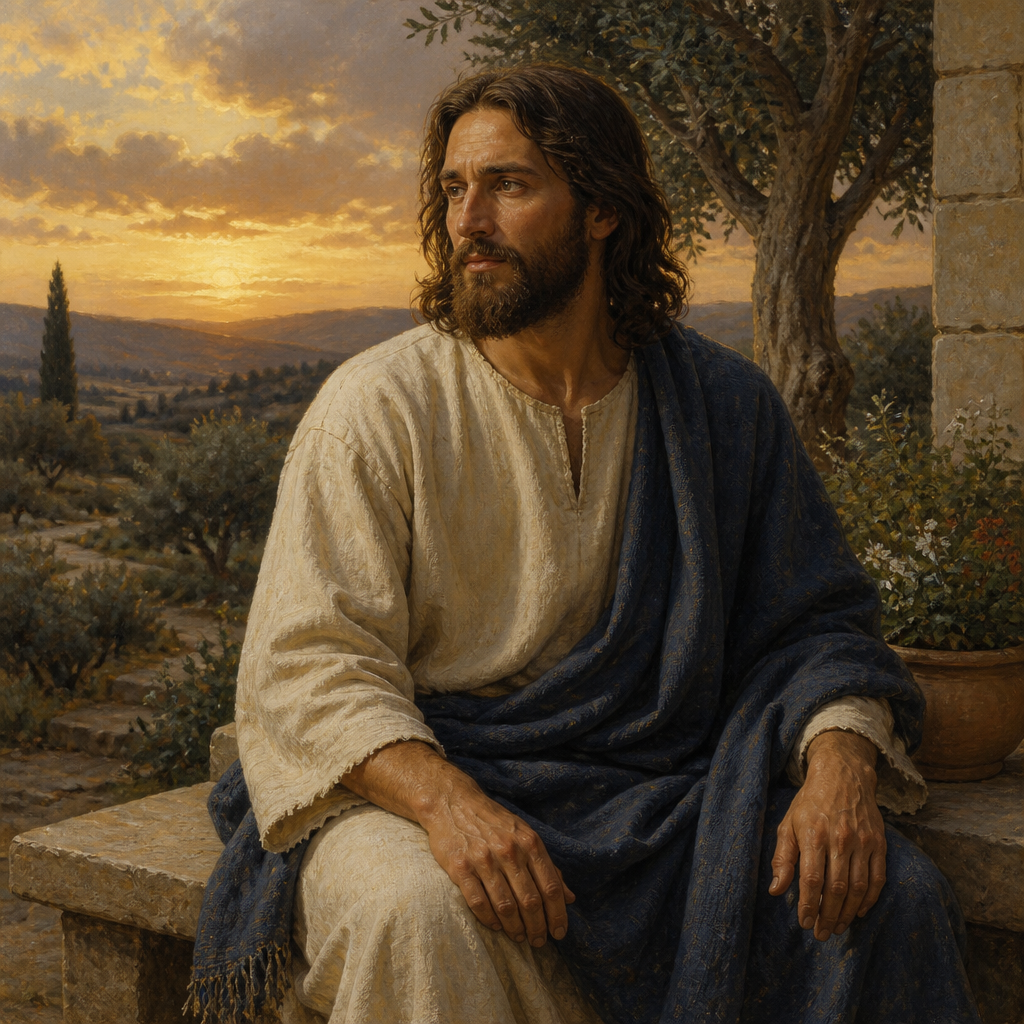
Jesus
Messiah and central figure of the New Testament whose life, death, and resurrection form the basis of the Christian faith

Jude, the Brother of Jesus
Brother of Jesus and author of the New Testament Epistle of Jude
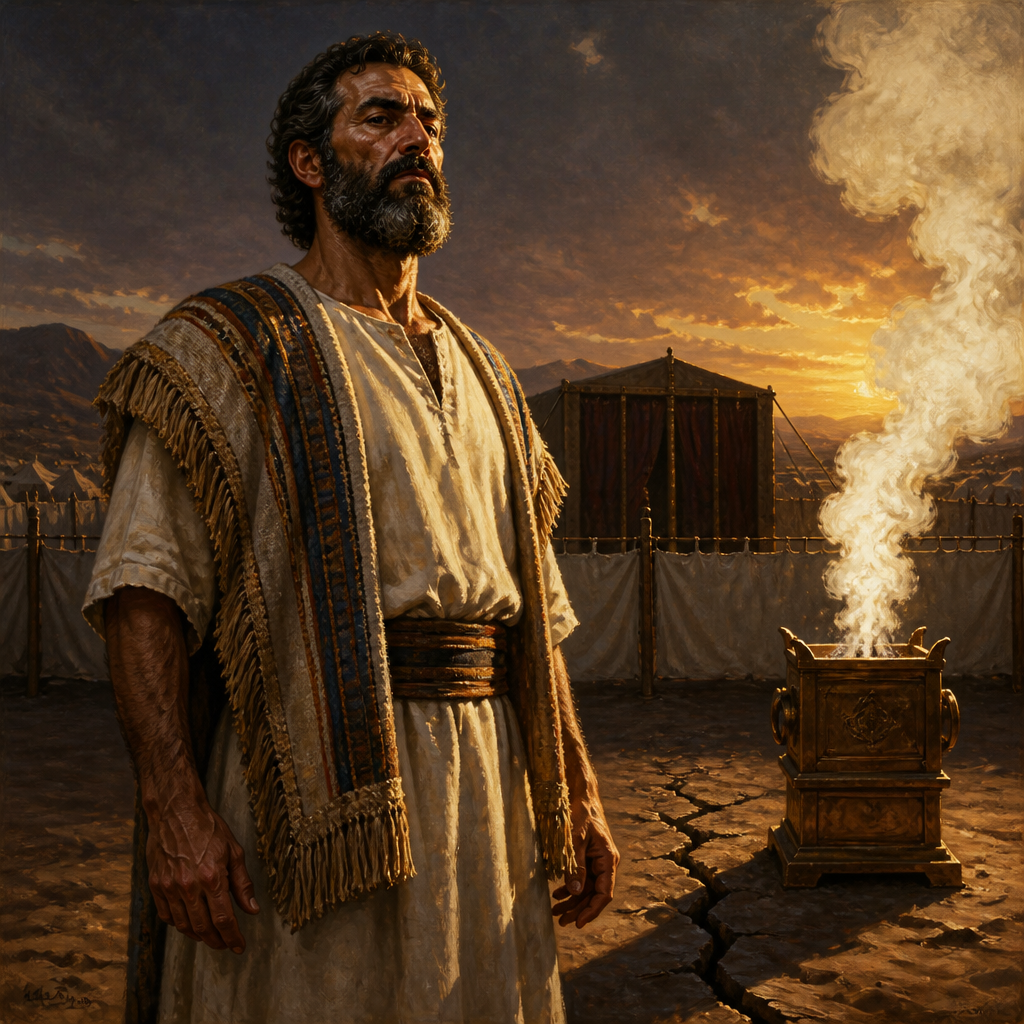
Korah, Levite of the Exodus
Levite who led a rebellion against Moses and Aaron and was swallowed by the earth

Joseph, Earthly Father of Jesus
Legal father of Jesus and husband of Mary who protected the Holy Family during their flight to Egypt
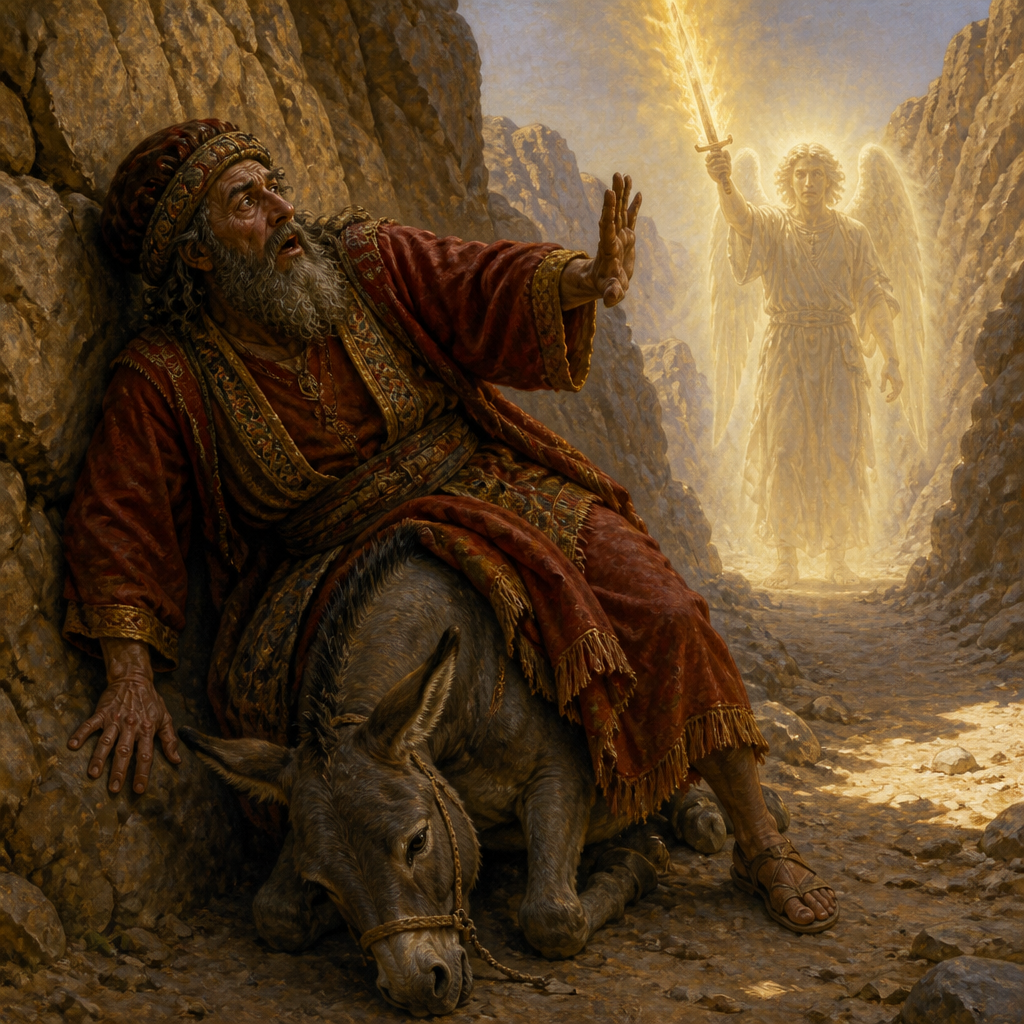
Balaam
Diviner who was hired to curse Israel but blessed them instead
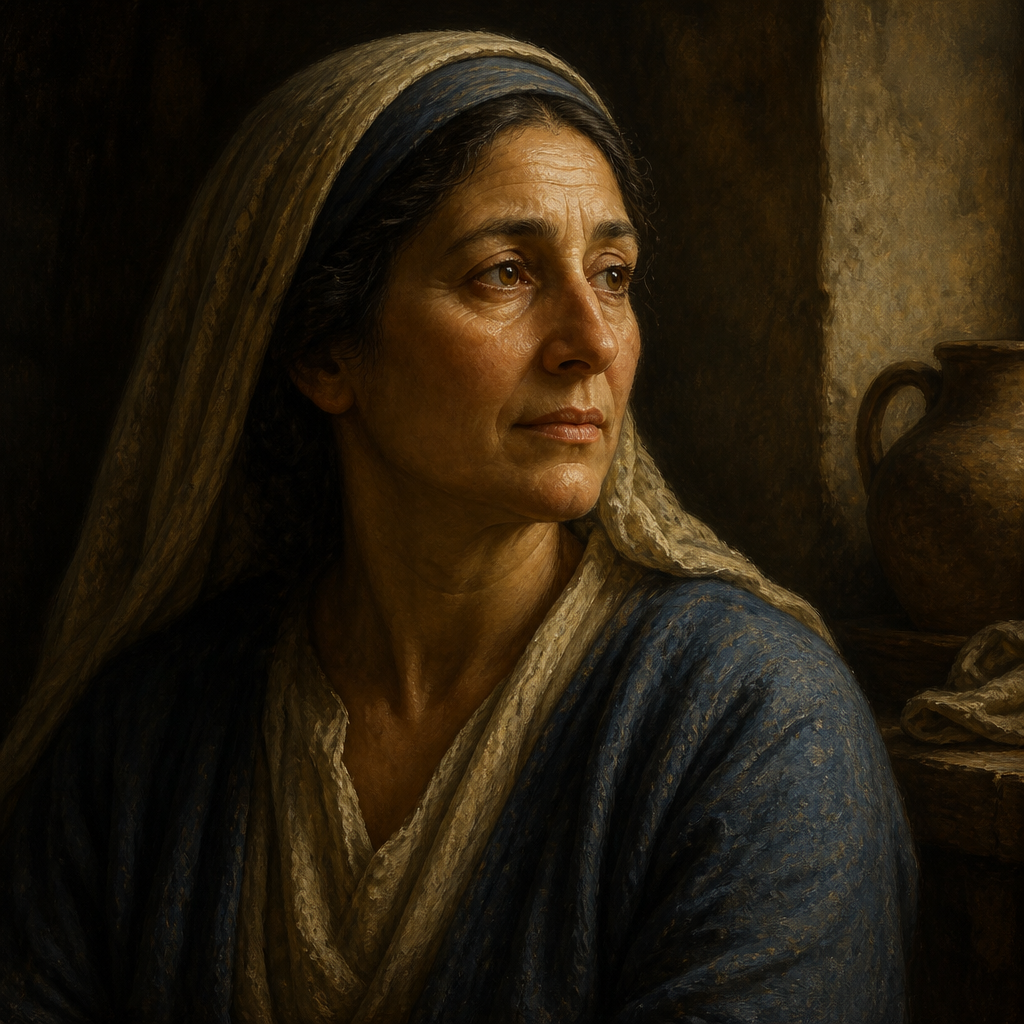
Mary, Mother of Jesus
Mother of Jesus Christ who accepted the call of God despite the risk of social disgrace
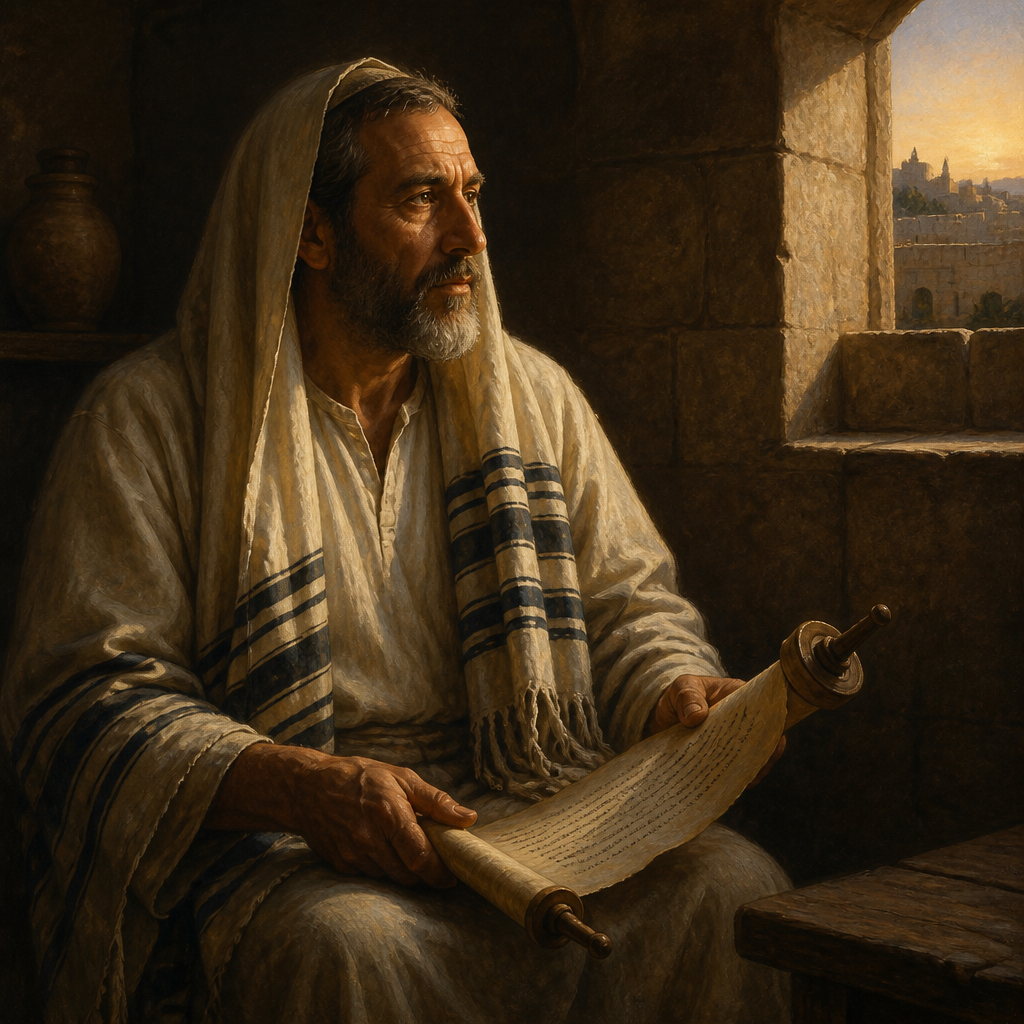
James, Brother of Jesus
Leader of the early Jerusalem church and author of the New Testament Epistle of James


Michael, the Chief Prince
Archangel who leads the heavenly host and protects the people of Israel
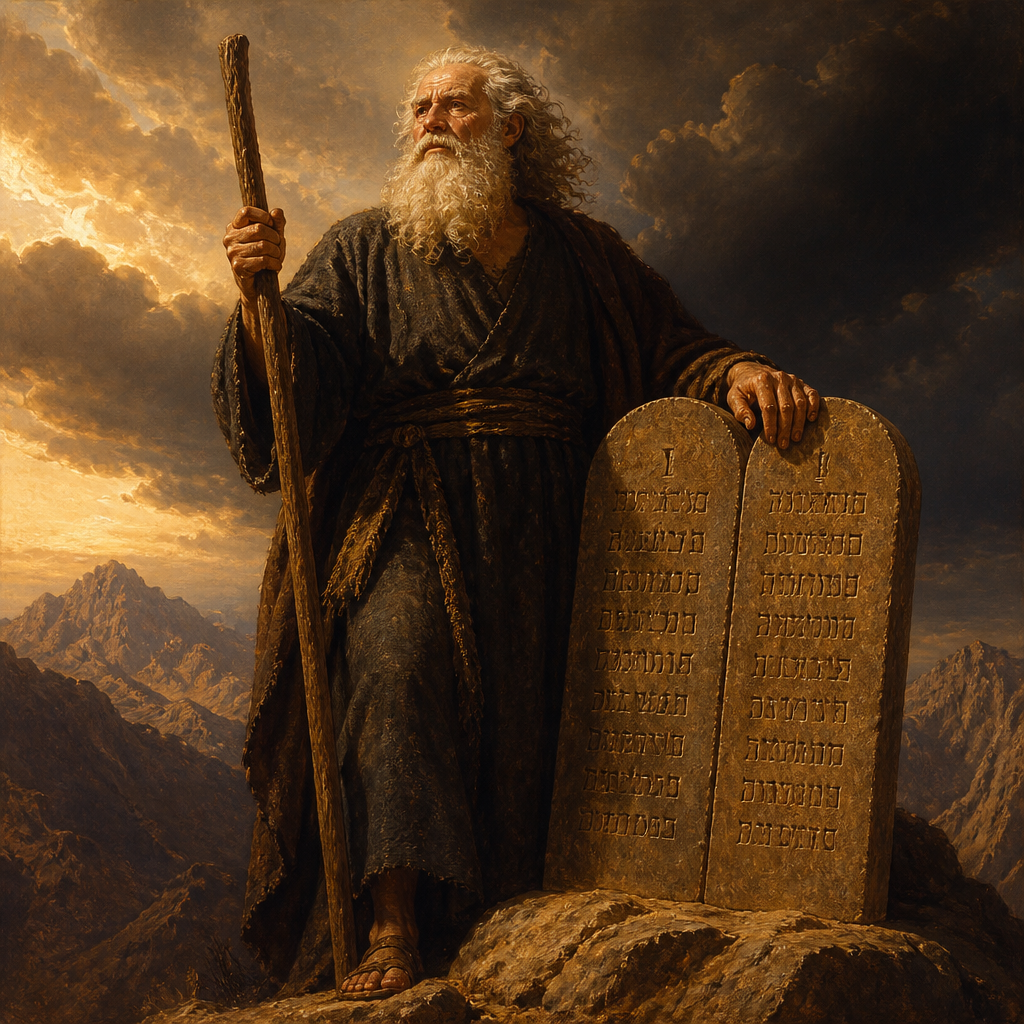
Moses
Prophet who led the Israelites out of Egypt and received the Ten Commandments
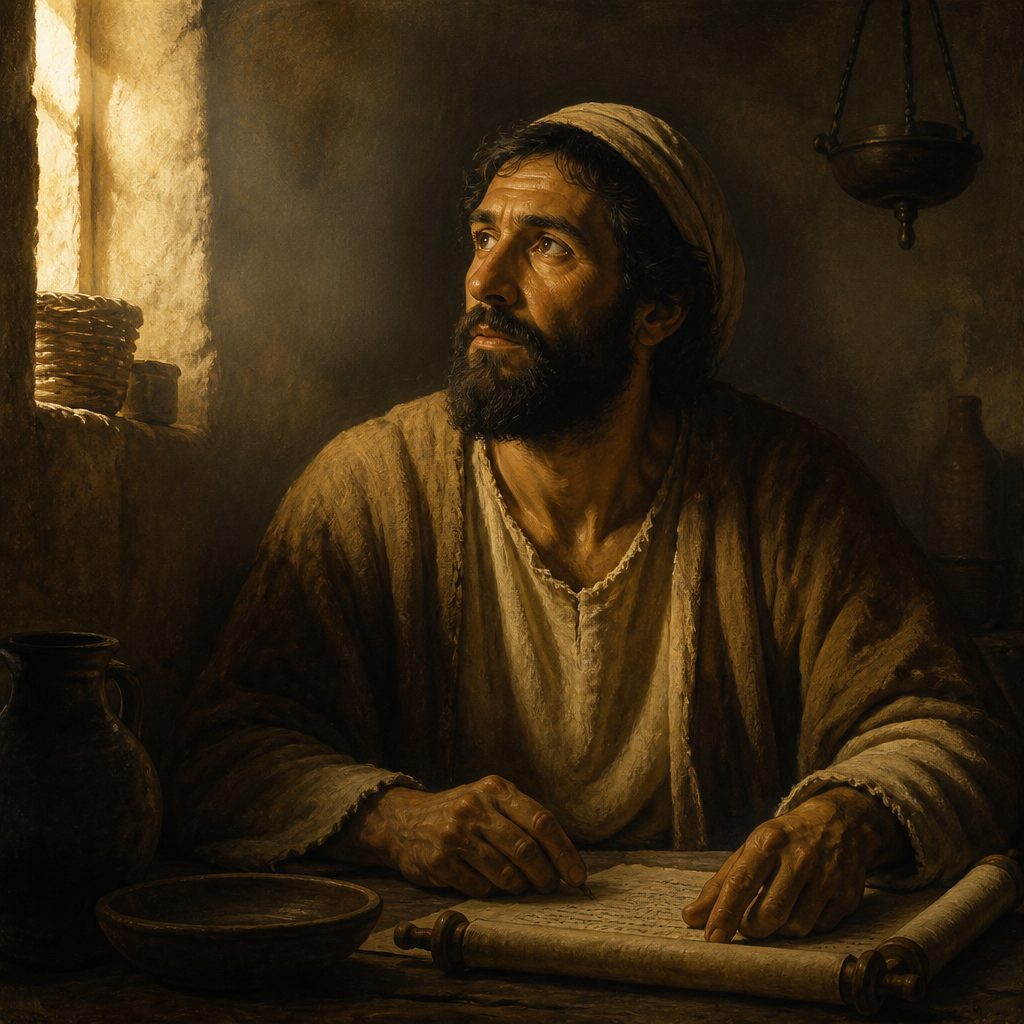
Joseph the Brother of Jesus
Brother of Jesus mentioned by name in the Gospels of Matthew and Mark

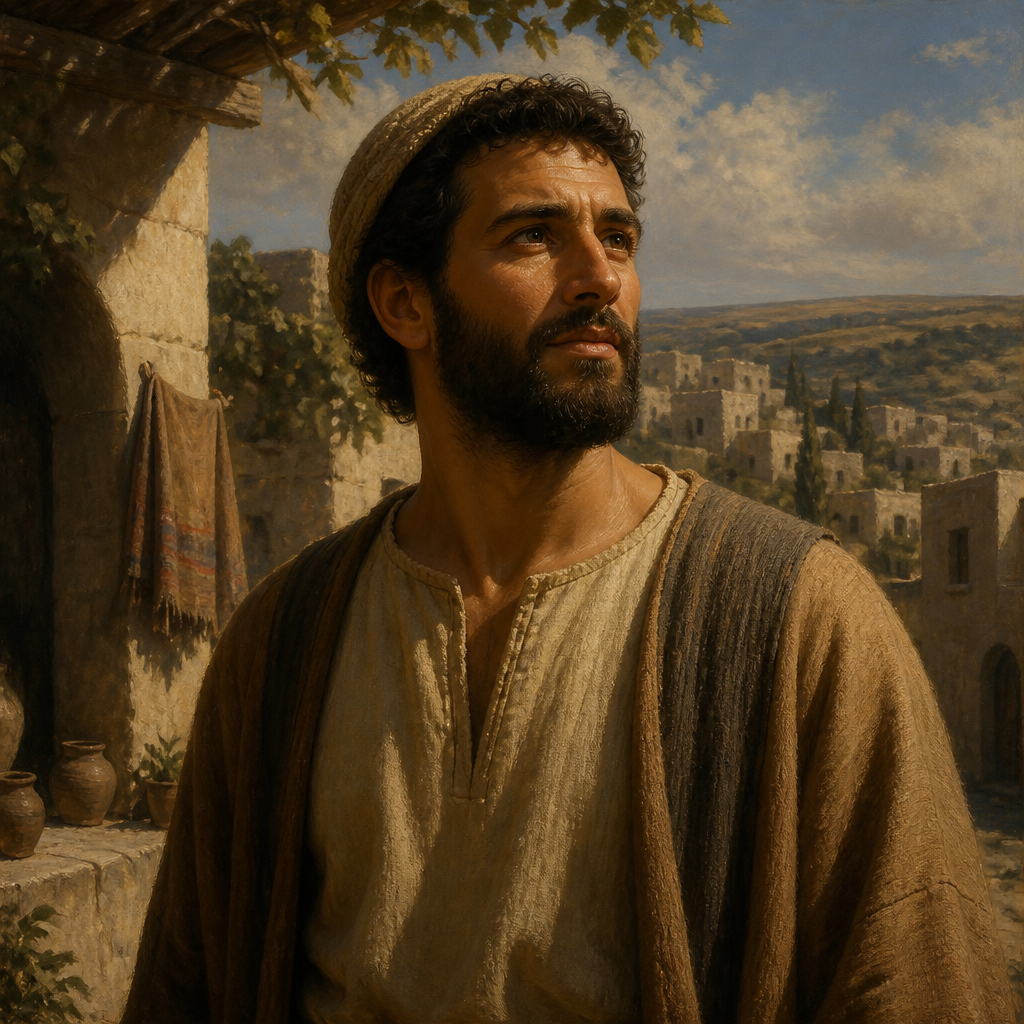
Simon, Brother of Jesus
Brother of Jesus Christ mentioned in the Gospel of Matthew and the Gospel of Mark