Uriah the Hittite
A loyal elite soldier in King David’s army whose integrity served as a foil to the king's adultery and eventual plot to have him killed in battle.
Uriah the Hittite was a high-ranking professional soldier serving in the military of Israel during the United Monarchy under King David. Despite his ethnic origins as a Hittite, he was fully integrated into the Hebrew military structure and was listed among the 'Thirty,' an elite group of David’s most valiant warriors. He is best known for his unwavering devotion to the military code and his role as the primary victim of King David’s most notorious moral failure.
Uriah’s narrative is defined by a tragic juxtaposition between his own self-discipline and the king’s deceit. After David committed adultery with Uriah’s wife, Bathsheba, and learned she was pregnant, he attempted to cover the sin by recalling Uriah from the front lines. Uriah’s refusal to enjoy the comforts of home while his comrades remained in battle forced David to transition from a scheme of deception to a plot of state-sanctioned homicide.
Background and Family
Uriah is consistently identified by the ethnonym 'the Hittite.' The Hittites were an ancient Anatolian people who had established a major empire in the second millennium BC. By the time of the United Monarchy (c. 10th century BC), the Hittite Empire had collapsed into smaller neo-Hittite city-states. Uriah’s presence in David’s elite guard suggests he was a mercenary or a descendant of Hittites who had assimilated into Israelite society. His name, Uriyah, means 'Yahweh is my light,' which may indicate his personal conversion to the worship of the God of Israel.
He resided in Jerusalem, and his home was located within sight of the royal palace. He was married to Bathsheba, the daughter of Eliam. Interestingly, 2 Samuel 23:34 lists Eliam as another member of David's elite 'Thirty,' suggesting that Uriah was married into a family of high military standing. His status as one of the 'Thirty' (2 Samuel 23:39; 1 Chronicles 11:41) marks him as a warrior of exceptional skill and loyalty.
Major Life Events
The Recall from the Front
During the siege of Rabbah against the Ammonites, Uriah was serving under the command of Joab. While Uriah was at war, King David committed adultery with Bathsheba. Upon discovering her pregnancy, David summoned Uriah to Jerusalem under the guise of requesting a military report (2 Samuel 11:7). David’s true intent was to have Uriah sleep with his wife so the child would be perceived as Uriah's.
The Display of Integrity
David twice encouraged Uriah to return to his home and 'wash his feet'—a common idiom for domestic rest and intimacy. However, Uriah demonstrated a rigorous adherence to the sacral laws of warfare. He slept at the entrance of the palace with the royal servants. When questioned by David, Uriah provided a stinging rebuke to the king’s hidden conduct:
"The ark and Israel and Judah are dwelling in tents, and my master Joab and his soldiers are camped in the open field. How can I go to my house to eat and drink and sleep with my wife?" (2 Samuel 11:11)
Uriah’s commitment to the solidarity of the troops and the presence of the Ark of the Covenant made it impossible for David’s cover-up to succeed, even after David attempted to lower Uriah's inhibitions by getting him drunk.
The Death Warrant
Realizing Uriah would not break his vow of abstinence during wartime, David resorted to murder. He wrote a letter to Joab instructing him to place Uriah in the 'fiercest battle' and then withdraw the supporting troops so that Uriah would be killed. In a final irony, David entrusted the delivery of this death warrant to Uriah himself. Joab followed the instructions during the siege of Rabbah, placing Uriah near the city wall where he was killed by Ammonite archers. The report of his death was sent back to David, who then took Bathsheba as his wife.
Relationship to Other Biblical Figures
Uriah’s relationship with King David is one of the most studied dynamics in the Old Testament. Though Uriah was David’s loyal subject and elite soldier, David treated him as an obstacle to be removed. Joab, the commander of the army, acted as the reluctant but efficient accomplice in Uriah's death.
Bathsheba is recorded as mourning for Uriah (2 Samuel 11:26), though the text is silent on her specific feelings regarding the king's summons. The prophet Nathan later used a parable about a 'rich man' stealing a 'poor man's ewe lamb' to convict David of his crime against Uriah, showing that in the eyes of God, the bond between Uriah and his wife was sacred and his death was a profound injustice (2 Samuel 12:1-10).
Spiritual Significance
Uriah serves as a monumental figure of integrity within the biblical canon. He is the 'righteous gentile' whose devotion to Israel’s God and king exceeded that of the king himself. His death marks a turning point in the Davidic narrative; the text explicitly states that 'the thing David had done displeased the Lord' (2 Samuel 11:27).
The theological weight of Uriah’s story is preserved even in the New Testament. In the genealogy of Jesus Christ (Matthew 1:6), Bathsheba is not mentioned by name but is identified as 'the wife of Uriah.' This phrasing serves as a perpetual reminder of the cost of David’s sin and the presence of a righteous man whose life was sacrificed to royal ego. 1 Kings 15:5 further notes that David was perfect in all his ways 'except in the matter of Uriah the Hittite,' identifying this specific incident as the singular stain on an otherwise exemplary reign.
Spiritual Significance
Theologically, Uriah represents the innocent sufferer whose blood cries out for justice. His story functions as a critique of absolute power, demonstrating that even a 'man after God's own heart' is capable of devastating cruelty when acting out of self-preservation. Uriah’s steadfastness in his military duty and his refusal to prioritize personal comfort over communal struggle remain a standard for biblical integrity.
Furthermore, Uriah’s inclusion in the 'Thirty' and the specific mention of his name in the Messianic line of Matthew 1 highlights the Bible's inclusive nature toward non-Israelites who joined the covenant community. His legacy is one of absolute loyalty, serving as the dark mirror to David's temporary betrayal of his own values.
Frequently Asked Questions
Why is Uriah called 'the Hittite'?
The label identifies his ethnic origin. The Hittites were a powerful empire in Anatolia, and even after their collapse, groups lived in Canaan. Uriah was likely a professional soldier from this background who assimilated into Israel and worshipped Yahweh.
Why did Uriah refuse to go home to his wife?
According to 2 Samuel 11:11, Uriah believed it was dishonorable to enjoy the comforts of home while the Ark of the Covenant and his fellow soldiers were living in tents on the battlefield. He adhered to a strict military and religious code of solidarity.
How did King David have Uriah killed?
David sent a letter to his commander Joab, instructing him to place Uriah at the front of the heaviest fighting and then have the other troops retreat. This effectively left Uriah to be killed by the enemy Ammonites, making the death look like a casualty of war.
Does the Bible mention any children of Uriah?
The Bible does not record any children born to Uriah. Bathsheba became pregnant by David while she was still married to Uriah, and that child died shortly after birth as a consequence of David's sin.
Where is Uriah mentioned in the New Testament?
Uriah is mentioned in Matthew 1:6 in the genealogy of Jesus. The text refers to Solomon being born to David 'by Uriah’s wife,' highlighting the scandal and the man David wronged.
Connected Figures
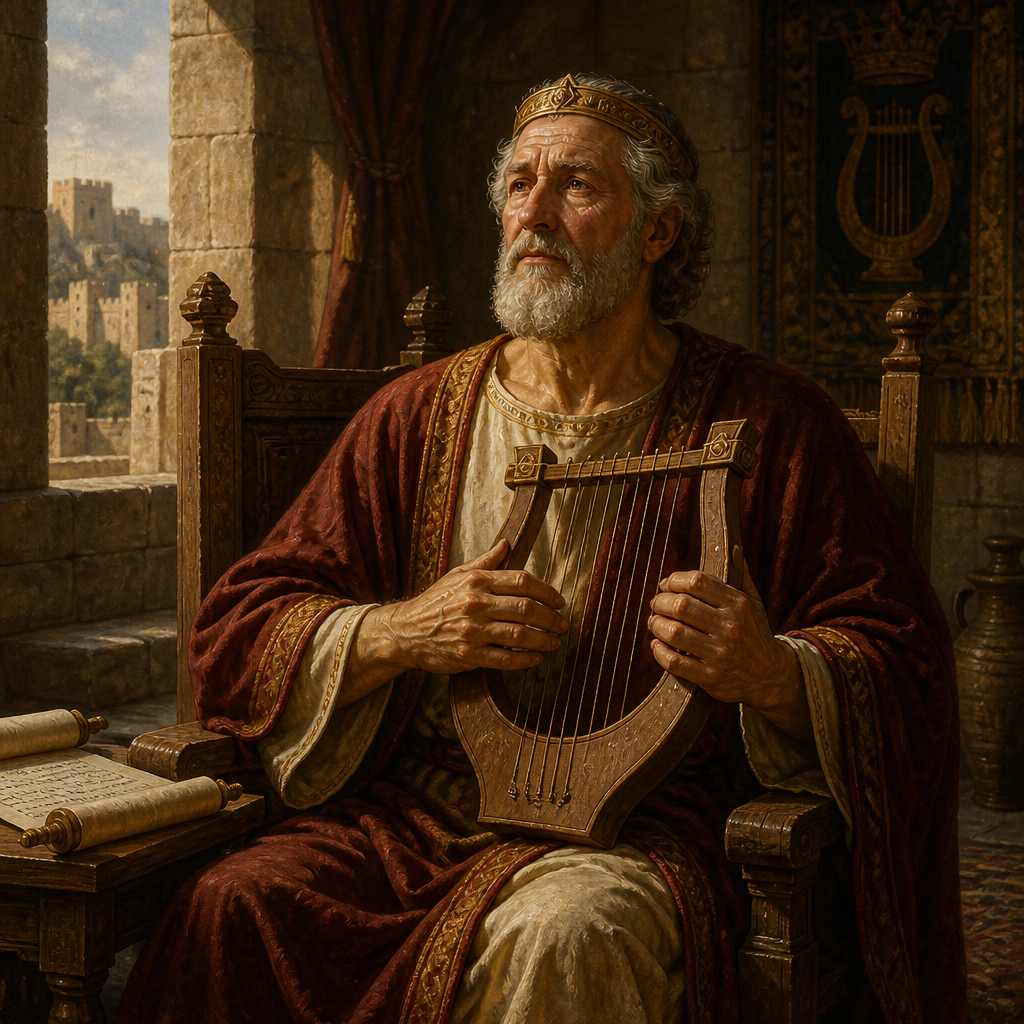
David
King and commander who ordered his death
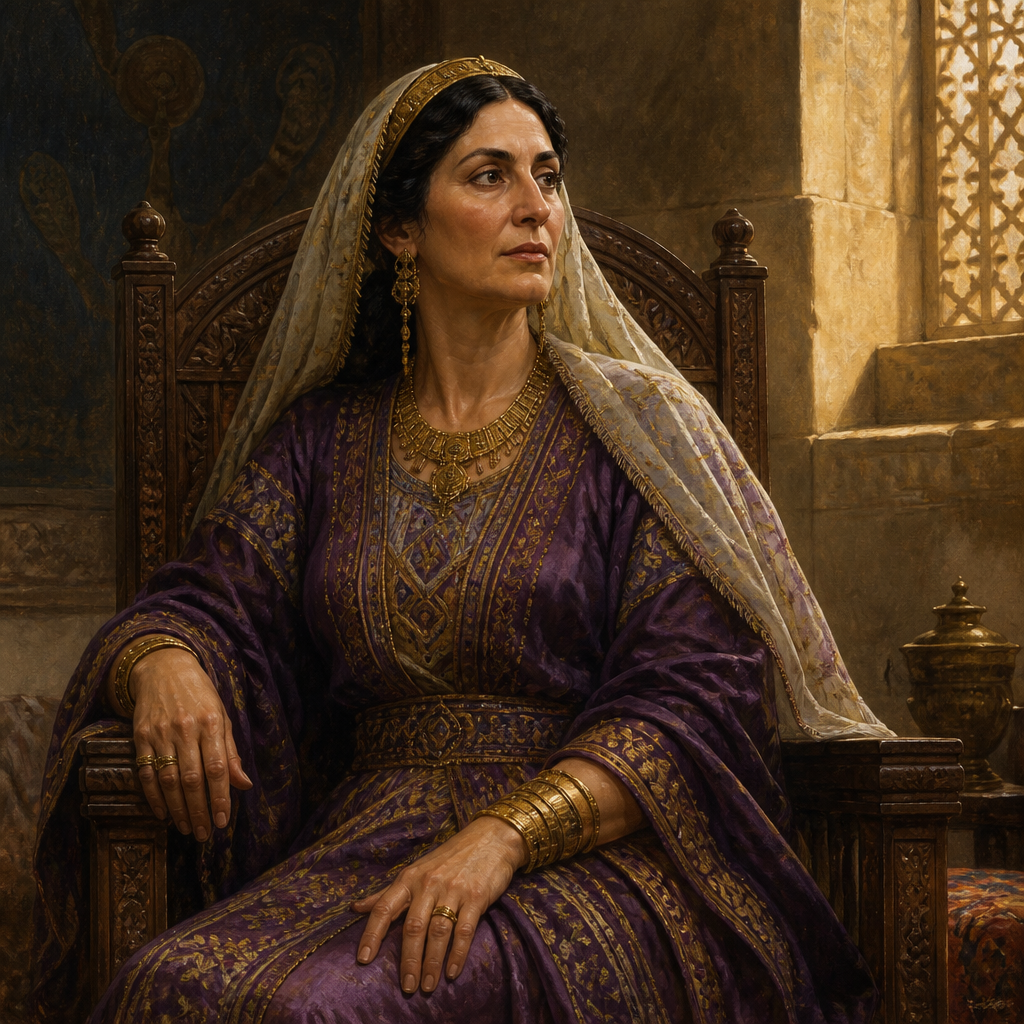
Bathsheba
Wife
Joab
Military commander and accomplice in his death
Nathan
Prophet who condemned his murder
Eliam
Father-in-law and fellow member of 'The Thirty'
Categories
Mentions by Book
- 2 Samuel19
- 1 Chronicles1
- 1 Kings1
- Matthew1
Family & Relationships
Others Named Uriah the Hittite
Uriah, Companion of EzraNehemiah 8:4
A Jewish leader who stood beside Ezra the scribe during the public reading of the Law in post-exilic Jerusalem.
Uriah, son of ShemaiahJeremiah 26:20
A prophet from Kiriath-jearim who was martyred by King Jehoiakim for prophesying the destruction of Jerusalem and Judah during the Divided Monarchy.
Uriah the Priest2 Kings 16:10
A high priest in Jerusalem during the reign of King Ahaz who facilitated the introduction of a foreign Syrian-style altar into the Temple of the LORD.
Uriah, Father of MeremothNehemiah 3:4
A member of the priestly family of Hakkoz who lived during the return from the Babylonian Exile and whose son assisted in rebuilding Jerusalem.