Ahimaaz, Son of Zadok the Priest
A Levite priest and loyalist to King David known for his exceptional speed as a runner and his role as a tactical messenger during the rebellion of Absalom.
Ahimaaz, the son of Zadok the High Priest, was a prominent figure within the priestly caste of the tribe of Levi during the United Monarchy of Israel. He lived and served during the tumultuous reign of King David, particularly distinguishng himself during the internal crisis sparked by Absalom's revolt. As a member of the Zadokite line, he held a position of significant religious authority, yet the biblical record focuses primarily on his physical stamina and his role as a reliable intelligence operative for the Davidic throne.
His legacy is defined by his loyalty and his physical prowess. In the narrative of 2 Samuel, Ahimaaz appears as a man of action who risked his life to navigate enemy lines. He is best remembered for his famous run from the battlefield in the forest of Ephraim to the gates of Mahanaim, where he outpaced his competitors to deliver news of the Lord’s victory to King David, albeit while showing great sensitivity regarding the personal tragedy of the king.
Background and Family
Ahimaaz belonged to the tribe of Levi and was the son of Zadok, one of the two chief priests under King David. His genealogy is meticulously preserved in the priestly records of 1 Chronicles 6, which trace his lineage from Aaron through Eleazar and Phinehas. According to 1 Chronicles 6:8 and 6:53, Ahimaaz was the son of Zadok, and he in turn became the father of Azariah. This lineage placed him at the heart of the institutional worship of Israel during the establishment of the United Monarchy. While his father Zadok remained in Jerusalem to maintain the appearance of normalcy during Absalom’s coup, Ahimaaz functioned as a bridge between the occupied capital and David’s government in exile.
Major Life Events
Intelligence Operations in Jerusalem
When King David fled Jerusalem to escape his son Absalom, he instructed Zadok the priest and Abiathar to return to the city with the Ark of God. David’s strategy relied on a network of spies to keep him informed of Absalom’s counsel. Ahimaaz and Jonathan (son of Abiathar) were designated as the primary couriers for this operation.
In 2 Samuel 17, we find Ahimaaz and Jonathan stationed at En-rogel, a spring outside the city walls. They avoided entering Jerusalem to maintain their cover. Information regarding the advice of Hushai and the plans of Absalom was passed to them via a servant girl. However, their presence was discovered by a young man who reported them to Absalom. The two couriers were forced to flee to Bahurim, where they hid inside a well in a man’s courtyard. The woman of the house covered the well’s mouth with grain to conceal them, allowing them to evade Absalom's search party and successfully deliver their warning to David to cross the Jordan River immediately.
The Battle at the Forest of Ephraim
Following the decisive battle in which Absalom’s forces were defeated and Absalom himself was killed, Ahimaaz sought permission from Joab, the commander of the army, to carry the news to David. Joab initially refused, knowing that the "good news" of the victory was marred by the death of the king's son—a message he felt Ahimaaz, a man he favored, should not have to deliver for fear of the king’s reaction.
Instead, Joab dispatched a Cushite messenger. Undeterred, Ahimaaz persisted, famously stating, "No matter what, I want to run!" (2 Samuel 18:23). Taking a route through the Jordan plain, Ahimaaz’s superior speed allowed him to overtake the Cushite. As he approached Mahanaim, the watchman recognized his running style, leading David to remark, "He is a good man... He comes with good news."
The Final Report
Upon reaching the king, Ahimaaz announced the victory of the Lord. However, when David pointedly asked, "Is the young man Absalom all right?", Ahimaaz provided a diplomatic, albeit evasive, answer. He claimed to have seen a great tumult but lacked specific details, leaving the difficult task of reporting Absalom's death to the Cushite who arrived shortly thereafter. This interaction highlights Ahimaaz’s deep respect and perhaps his fear of the king's grief.
Relationship to Other Biblical Figures
Ahimaaz’s primary relationship was with his father, Zadok. Together, they represented the faithful priesthood that refused to align with the usurper Absalom. He also shared a close partnership with Jonathan son of Abiathar; the two functioned as a specialized unit of couriers. His relationship with King David was one of mutual trust; David’s recognition of Ahimaaz by his stride suggests a personal familiarity and a high regard for Ahimaaz’s character.
Spiritual Significance
The account of Ahimaaz serves as a study in the intersection of religious office and civil service. Though he was a priest by birth, his service to God’s anointed king was expressed through physical endurance, courage, and tactical intelligence. In the genealogical records of 1 Chronicles, his inclusion ensures the continuity of the high priestly line, demonstrating that even during the chaos of civil war, the providential line of the priesthood remained intact to serve future generations, including his son Azariah, who would serve in the Temple of Solomon.
Spiritual Significance
Theologically, Ahimaaz represents the absolute loyalty required by those who serve the Davidic covenant. His role as a messenger mirrors the biblical theme of the 'bringer of good news,' yet his story also provides a nuanced look at the burden of such news. His evasion of the question regarding Absalom's death suggests a pastoral sensitivity to the king's personal sorrow, even in the midst of national triumph.
Furthermore, his presence in the genealogies of 1 Chronicles 6 underscores the importance of the Zadokite priesthood. By maintaining his loyalty to David during the rebellion, Ahimaaz helped secure the legitimacy of his family's priestly standing, which would become the standard for the high priesthood until the time of the Maccabees. His life demonstrates that spiritual service is not confined to the sanctuary but often involves practical, dangerous service for the sake of the kingdom.
Frequently Asked Questions
Who was Ahimaaz’s father?
Ahimaaz was the son of Zadok the priest, who served as a high priest during the reign of King David.
How did Ahimaaz help King David during Absalom's rebellion?
He served as a secret courier, staying at En-rogel to receive intelligence from Jerusalem and relaying it to David's camp, even hiding in a well to escape Absalom's scouts.
Why did Joab initially refuse to let Ahimaaz run to the king?
Joab knew that King David would be devastated by the news of Absalom's death and did not want Ahimaaz to be the bearer of such tragic news, as it might not be rewarded.
What is Ahimaaz known for in terms of his physical ability?
He was an exceptionally fast runner. He outran a Cushite messenger by taking the route through the plain of the Jordan to reach King David first.
Did Ahimaaz tell David that Absalom was dead?
No. When asked directly about Absalom, Ahimaaz claimed he saw a great commotion but did not know the specifics, leaving the revelation of the prince's death to the second messenger.
Connected Figures
Zadok
Father
Azariah
Son
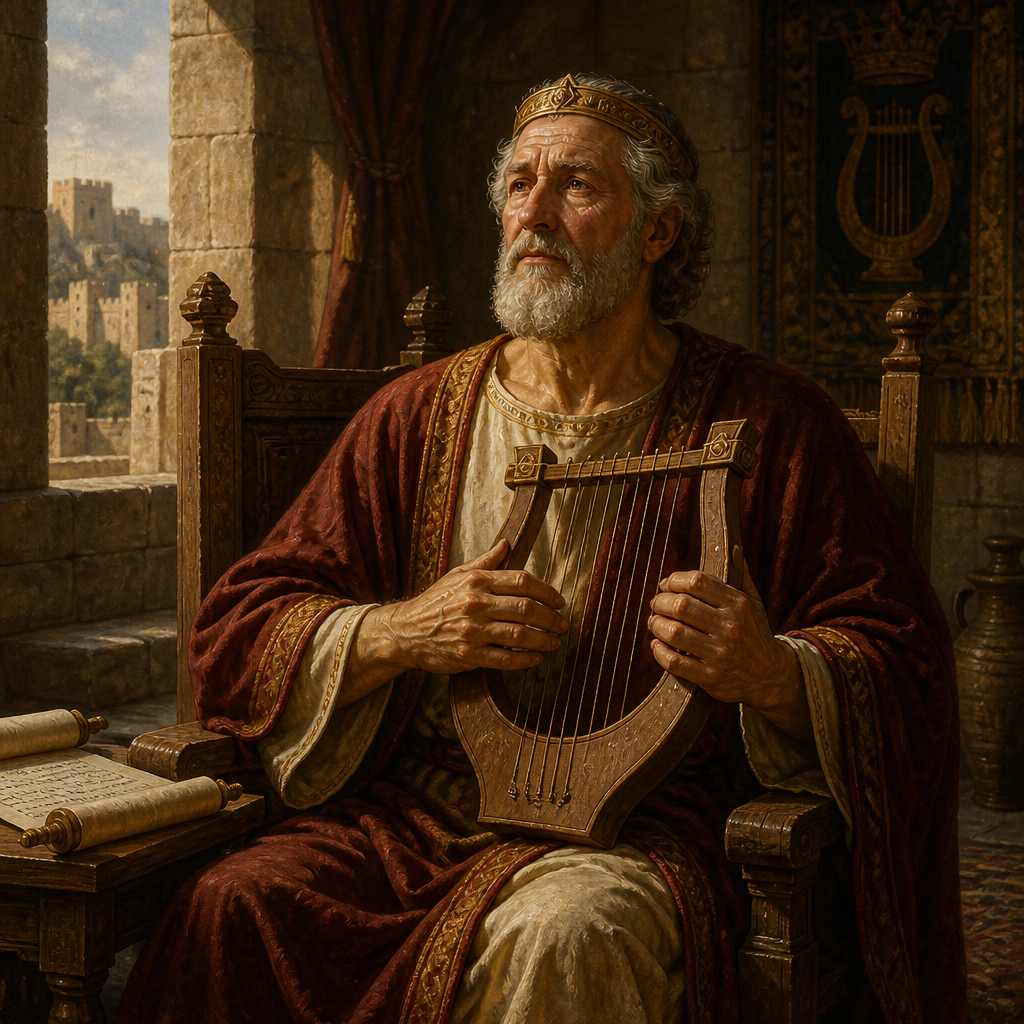
David
King and Lord
Jonathan son of Abiathar
Partner/Fellow Messenger
Joab
Military Commander
Categories
Mentions by Book
- 2 Samuel10
- 1 Chronicles3
Family & Relationships
Child
Azariah, Son of Zadok the Priest
2 Samuel 15:27
Parent
Zadok, Priest of the United Monarchy
2 Samuel 8:17
Others Named Ahimaaz
Ahimaaz, Father of Ahinoam1 Samuel 14:50
Ahimaaz was a man of the United Monarchy period whose daughter, Ahinoam, became the wife of Saul, the first king of Israel.
Ahimaaz, Son-in-Law of Solomon1 Kings 4:15
A regional administrator under King Solomon who served in the territory of Naphtali and married the king's daughter, Basemath.