Ahaz, Descendant of Saul
A Benjamite descendant of King Saul and Jonathan, mentioned in the genealogical records of the United Monarchy as a son of Micah and father of Jehoaddah.
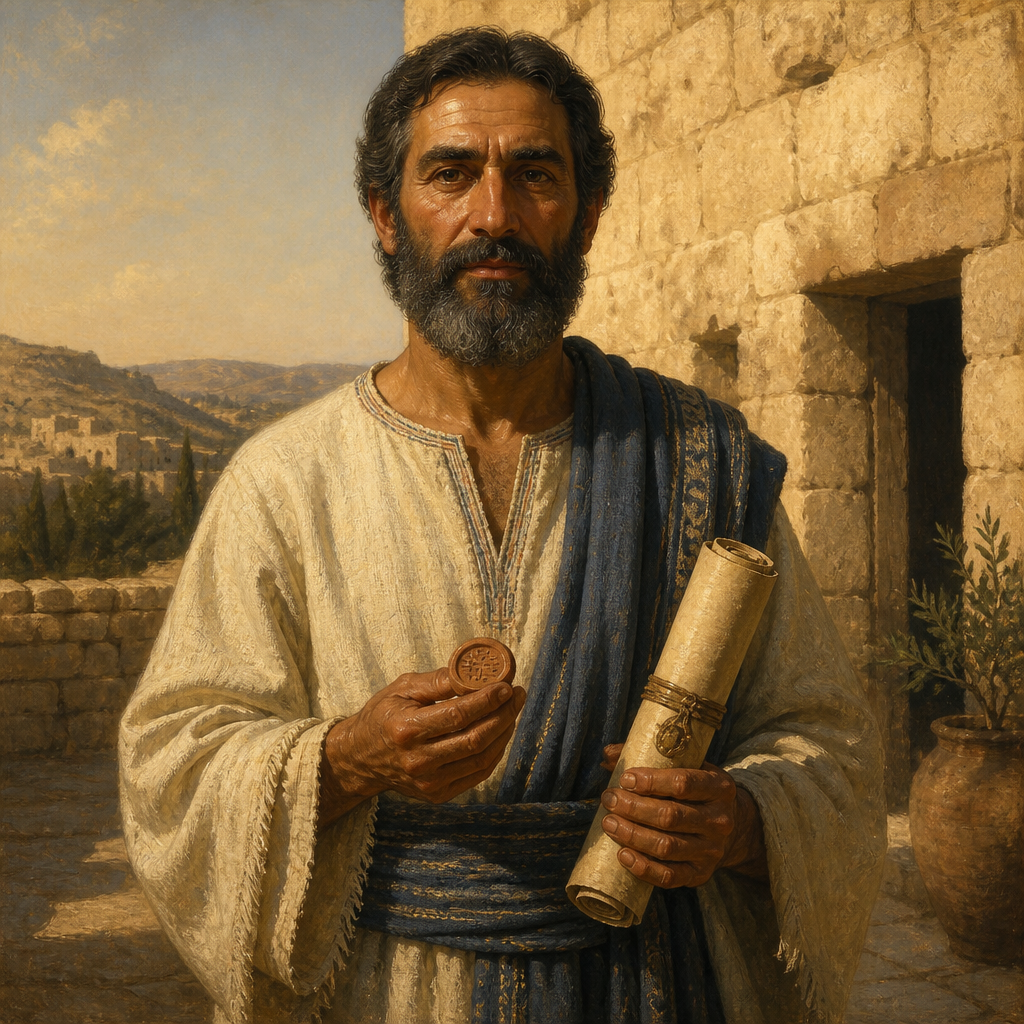
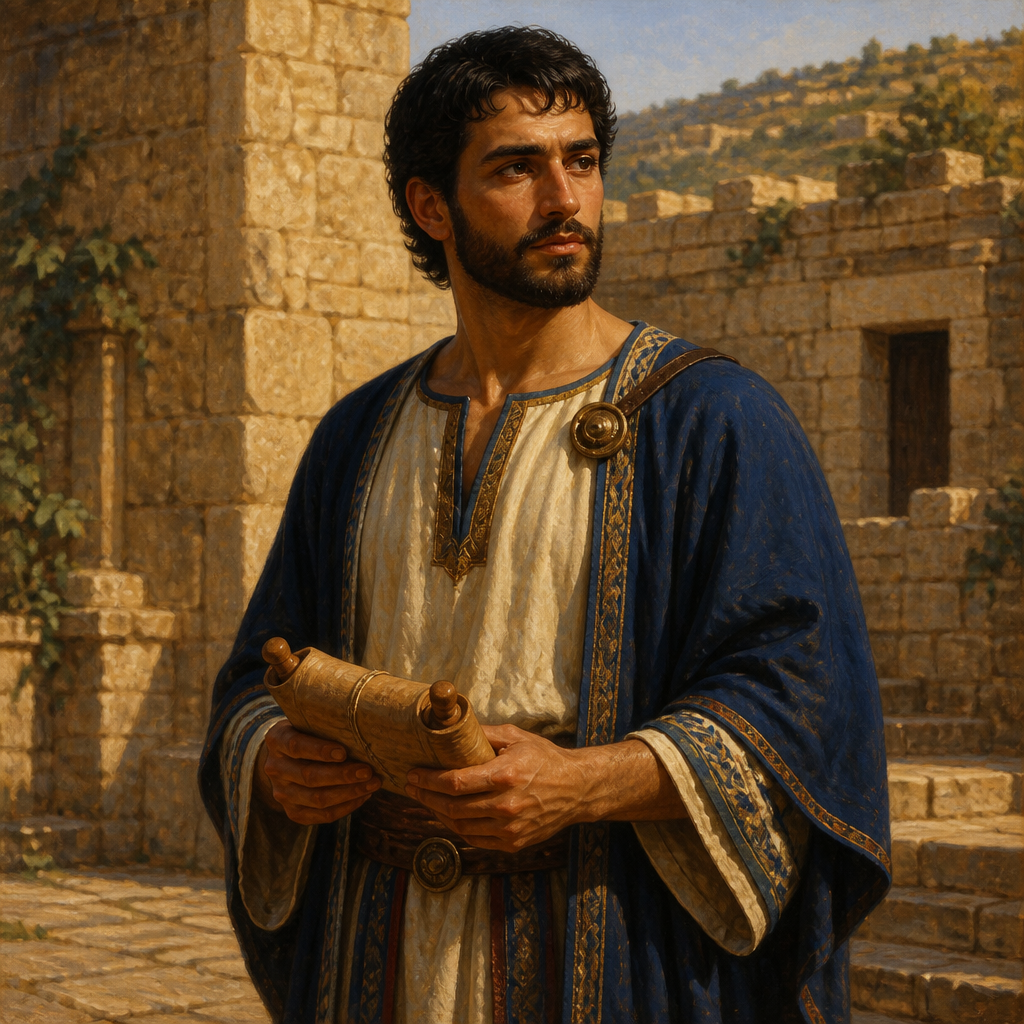
Ahaz was a member of the Tribe of Benjamin during the era of the United Monarchy. He is specifically identified in the biblical genealogies as a descendant of Israel’s first king, Saul, through the line of Saul’s son Jonathan. While many figures in the post-exilic genealogical lists are obscure, Ahaz occupies a specific place in the lineage that preserved the memory of the house of Saul long after the dynasty had ended.
His life and identity are recorded exclusively in the book of 1 Chronicles, appearing in two nearly identical genealogical lists (chapters 8 and 9). These lists serve to establish the heritage of the Benjamite families who returned to the land after the Babylonian exile, highlighting the enduring presence of the royal line of Saul within the community of Israel.
Background and Family
Ahaz appears within the detailed genealogical records of the Tribe of Benjamin, specifically the lineage of King Saul. The biblical text identifies him as the son of Micah. His grandfather was Merib-baal (also known as Mephibosheth), the son of Jonathan and grandson of King Saul. This lineage places Ahaz in the fourth generation following Jonathan.
Ahaz was one of four brothers. According to 1 Chronicles 8:35, the sons of Micah were Pithon, Melech, Tarea, and Ahaz. The repetition of this list in 1 Chronicles 9:42 reinforces the accuracy of the family line, though the spelling of some names varies slightly between the two accounts (such as Tarea appearing as Tahrea).
Major Life Events
There are no specific narrative events, speeches, or actions attributed to Ahaz in the biblical text. His significance is entirely genealogical. He represents a link in the chain of the house of Saul, ensuring the continuity of the family name through the centuries. The chronicler notes that Ahaz was the father of a son named Jehoaddah (referred to as Jarah in the parallel list in 1 Chronicles 9:42). Through Jehoaddah, the line continued for several more generations, producing descendants such as Alemeth, Azmaveth, and Zimri.
Relationship to Other Biblical Figures
Ahaz’s most notable relationship is his direct descent from Jonathan, the son of King Saul. Jonathan was famous for his deep friendship with David, the second king of Israel. Because Jonathan and Saul died at Mount Gilboa, the survival of Jonathan’s line through Mephibosheth (Merib-baal) and subsequently Micah and Ahaz was a matter of historical and theological importance to the Tribe of Benjamin.
As a great-grandson of Mephibosheth, Ahaz belonged to a family that had been shown great kindness by King David. While Saul’s direct kingship ended, his biological line—including Ahaz—remained a recognized and documented part of the Israelite social structure during and after the United Monarchy.
Spiritual Significance
The inclusion of Ahaz in the Chronicles suggests that the "failed" house of Saul was not discarded by God or forgotten by the nation. By meticulously recording names like Ahaz, the biblical authors demonstrated that every family within the tribes of Israel held a place in the covenant community. Even though the royal scepter had passed to the house of Judah and the line of David, the house of Saul continued to exist, contributing to the strength and history of the Tribe of Benjamin. Ahaz serves as a testament to the preservation of families through the tumultuous transitions of Israel's early monarchic history.
Spiritual Significance
Ahaz's theological significance lies in the preservation of the house of Saul. Despite the divine rejection of Saul's kingship, the genealogical records in 1 Chronicles include Ahaz to show that the descendants of Jonathan were not blotted out. This reflects the biblical theme of God's providence in maintaining the distinct families and lineages of the twelve tribes through generations of political change.
Furthermore, the mention of Ahaz highlights the importance of the Tribe of Benjamin. By documenting the specific branches of Jonathan's tree, the Chronicler provides the returning exiles with a sense of identity and continuity, linking the post-exilic community back to the era of the United Monarchy.
Frequently Asked Questions
Who was the father of Ahaz in the house of Saul?
Ahaz was the son of Micah, who was the son of Merib-baal (Mephibosheth), the son of Jonathan.
Which tribe did Ahaz belong to?
Ahaz belonged to the Tribe of Benjamin, the same tribe as King Saul.
Who were the brothers of Ahaz?
Ahaz had three brothers named Pithon, Melech, and Tarea (also spelled Tahrea).
Did Ahaz have children?
Yes, the Bible records that Ahaz was the father of Jehoaddah (also called Jarah in some translations).
In which books of the Bible is this Ahaz mentioned?
This specific Ahaz is mentioned only in the book of 1 Chronicles, in chapters 8 and 9.
Connected Figures
Categories
Mentions by Book
- 1 Chronicles3
Family & Relationships
Others Named Ahaz
Ahaz, King of Judah2 Kings 15:38
The twelfth king of Judah, known for his catastrophic alliance with Assyria, widespread idolatry, and the desecration of the Temple in Jerusalem during the Divided Monarchy.